TROPICAL-TRIBE
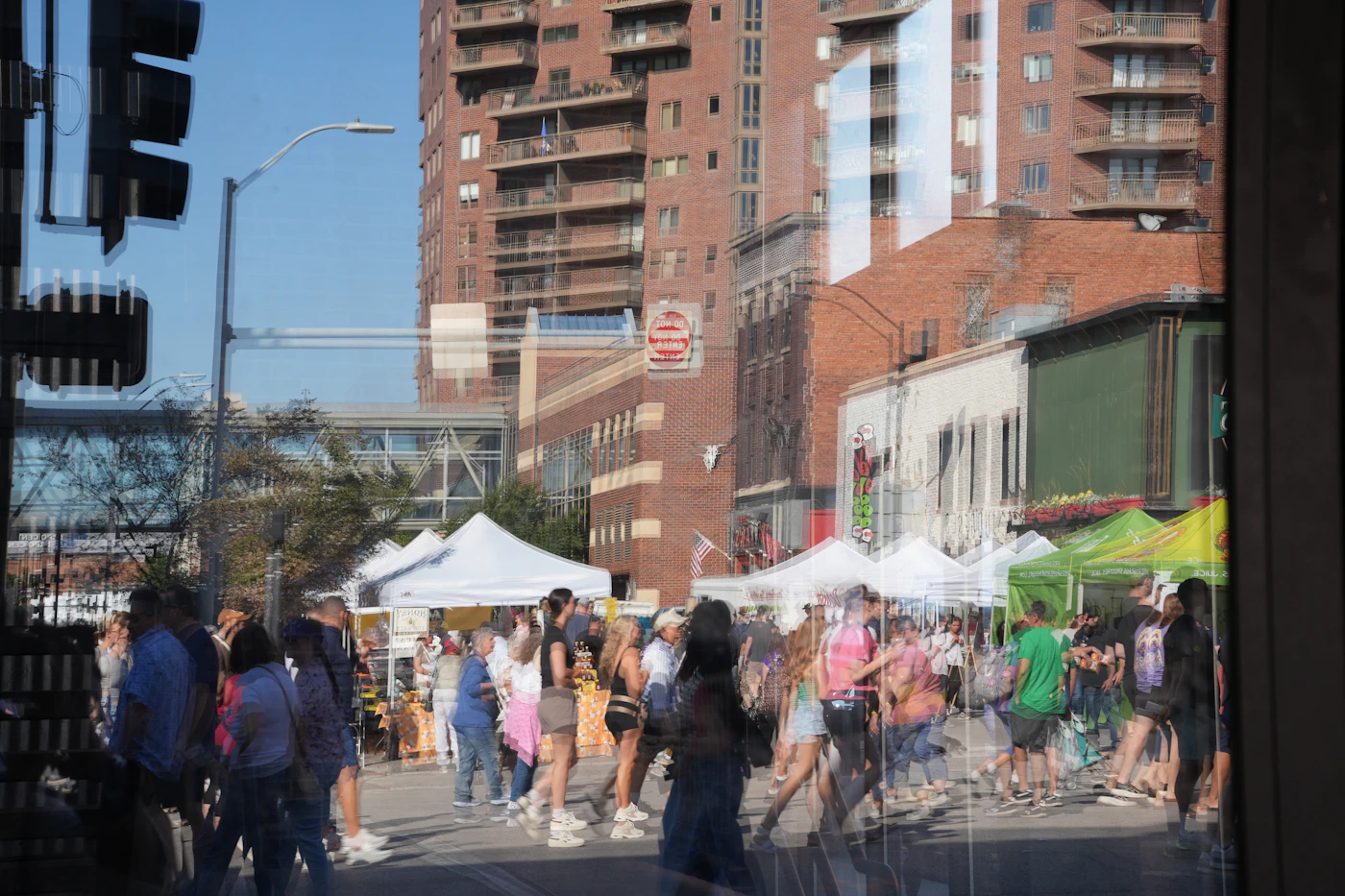
A community event can offer an inviting way to spend time in a destination beyond the usual visitor route. Music may carry across a public square, a market may gather local makers, or a cultural organization may open a program to travelers. The experience becomes more comfortable when you understand what is being offered and what remains outside the invitation.
Public does not always mean unrestricted. Different areas, activities, and moments can have different expectations, and the people attending are not automatically there to explain their lives to visitors. A thoughtful approach begins with the organizer's actual information rather than an assumption that arriving with curiosity creates permission to participate in everything you can see.
This guide offers a research and behavior framework, not instructions for any particular ceremony or festival. Customs, rules, ticketing, and access can change. Consult current information from the event organizer and follow directions on site. Where an activity is private, restricted, or unclear, choose another way to spend your time rather than trying to negotiate access as part of the experience.
Find the organizer's own description
Start with the event's official page, the hosting institution, or another source directly responsible for the program. Establish the date, venue, public opening times, and whether visitors need tickets or registration. A travel article or an old photograph may introduce the event, but it should not be your only basis for deciding that it is happening or open to you.
Read the description for purpose as well as logistics. Is this a public performance, a fundraiser, a neighborhood market, a religious observance, or a program with several distinct parts? Use the organizer's language carefully rather than applying a broad label that makes everything sound like entertainment. Understanding the stated purpose helps you arrive with expectations that fit the invitation.
Separate the public program from surrounding life
An event may occupy a square while nearby streets, homes, or institutions continue their ordinary routines. Use designated entrances and public routes. Do not follow participants into adjoining spaces simply because the procession or activity looks interesting. Signs, barriers, and staff directions should determine where you can go, not the movements of someone who may have a different role or permission.
If the boundary is unclear, ask an appropriate organizer or volunteer a concise question. Accept an answer without turning it into a debate about what another visitor was allowed to do. Your interest does not require a complete explanation of every restriction. A public part of the program can be worthwhile on its own, and choosing to remain there is a normal part of being a guest.
Check access details that matter to your group
Ask specific questions about surfaces, entrances, seating, toilets, sound, and the distance between program areas where relevant. General descriptions such as accessible or family friendly may not answer your needs. Explain the practical detail you require without assuming that an organizer can infer it from a broad category.
Consider the whole visit, including arrival and departure. A venue may have a suitable entrance while the usual transport stop is far away or the return route changes during the event. Consult official transport and event information close to the date. If a requirement remains unresolved, decide whether you have a workable alternative rather than treating uncertainty as something everyone must tolerate once you arrive.
Read expectations before choosing clothing and equipment
Use the organizer's instructions for any dress, bag, photography, or equipment requirements. Avoid inventing a local custom from a generic travel list. Different events within the same destination can have different expectations, and an ordinary market is not necessarily governed by the same arrangements as a cultural or religious program.
Pack only what you can manage within the event's space and rules. A large camera bag or bulky accessory may create inconvenience in a crowded area even when it seems useful beforehand. Consider how you will carry belongings while standing, sitting, or purchasing something. Practical preparation allows you to pay attention to the program instead of repeatedly rearranging equipment around other people's movement.
Arrive with a realistic amount of time
Check whether an advertised start refers to doors opening, a specific performance, or the beginning of a broader program. Plan enough time for the stated entry process without assuming you can arrive at any point and obtain a particular seat or viewpoint. If the event is ticketed, confirm the terms before making other plans around it.
Leave flexibility afterward too. Departing the moment a performance ends may be harder than arriving, especially if many people use the same exit or transport. Avoid booking a tightly timed connection based on the shortest possible departure. A manageable schedule helps you remain considerate, because you are less likely to push through a crowd or interrupt an activity in order to rescue an overfilled itinerary.
Let observation precede participation
Spend a little time understanding how the public portion works. Look for instructions, introductions, or an announced opportunity to join in. A welcoming atmosphere does not necessarily mean every action is open to imitation. If participation is explicitly offered, follow the directions and remain within the role described.
Do not treat observation as an inferior experience. Listening, watching, and reading the program can provide plenty to consider without requiring a personal performance or interaction. If you are unsure whether joining is appropriate, ask or remain an observer. You do not need to prove openness by accepting every invitation, particularly when you do not understand the practical demands or the meaning attached to an activity.
Ask before making people your subject
Follow event photography rules first, including any restriction that applies even when an individual appears willing. Where photography is permitted, ask before taking a close or identifiable portrait and respect a refusal without seeking a different angle. A public location does not make another person's image an automatic souvenir for your trip.
Avoid obstructing views or movement to obtain a photograph. Keep equipment out of aisles and do not move decorations, goods, or personal objects to improve a composition. Be especially careful about images of children and people in sensitive contexts. You can record the event through a program, a written note, or an appropriate general scene without making someone's face the evidence that you attended.
Support offered goods and services respectfully
If the event includes sales, look at the information vendors provide and ask reasonable questions when they are available. Price, materials, maker, and care instructions can matter more than a story you imagine from the appearance of a stall. Do not assume every object was produced locally simply because it is sold at a local event.
Use the payment and bargaining expectations actually applicable to the setting. Avoid treating a seller's livelihood as a game for visitors to win. If an item does not suit your intended spending, decline politely rather than criticizing its value. Pay attention to the queue and let the next customer approach when your exchange is complete. A modest, ordinary purchase can be a perfectly good interaction.
Keep questions appropriate to the moment
An event worker, performer, or vendor may be happy to answer a question, but they may also have a job to do. Choose a suitable moment and begin with something specific. Asking where to find a program or what a listed material means is different from requesting a lengthy explanation of someone's culture while they are managing a line of customers.
Accept a short answer or a referral to another source. If you want deeper context, look for talks, guided programs, or educational material explicitly intended for that purpose. Pay for a service when that is how it is offered. Thoughtful curiosity includes recognizing when an interaction would place an uninvited demand on another person's time, even if the question feels important to you.
Be considerate about food and shared seating
Use designated eating areas and follow the event's directions about waste, reusable items, and restricted spaces. Ask vendors directly about ingredients where necessary and recognize when they cannot meet a requirement. Do not assume that the relaxed atmosphere of an event removes the need for clear information about something you plan to eat.
Share seating according to the site's arrangements. Avoid claiming extra places with bags while others are looking for a seat, and do not move furniture unless permitted. Keep your own belongings together so leaving is straightforward. Small choices about space often shape the experience of neighboring guests more directly than a traveler's broad statements about being respectful.
Try a fictional evening market plan
Imagine a public cultural center announcing an evening market with a short performance. You check the center's page for entry arrangements and confirm that the performance area has limited seating. Your plan includes browsing a few stalls before the program, with a separate return arrangement that does not depend on leaving instantly when the performance ends.
On arrival, you learn that photographs are restricted during one part of the program. You put the camera away and keep a few written notes afterward. A nearby building remains closed to visitors, so you stay within the advertised area. This fictional example illustrates how a thoughtful visit can remain enjoyable without gaining extra access, recording every moment, or asking participants to supply a personal story.
Describe the experience with its limits intact
Afterward, distinguish the event you attended from the destination as a whole. A public program can show particular art, food, or practices selected by its organizers, but one evening does not establish how everyone in a community lives. Use names and descriptions accurately, and check unfamiliar terms before publishing them.
Avoid labels that turn people into an atmosphere, such as claiming you discovered the real or untouched version of a place. Describe what was offered, what you learned, and where your understanding remains incomplete. If the organizer provides a useful educational reference, share that rather than replacing it with your own broad explanation. A careful account can preserve enthusiasm without pretending to possess the event's meaning.
Respond to a changed or canceled program
Use the organizer's current update and any ticket terms when plans change. Do not assume a cancellation creates an invitation to visit a restricted venue independently. Choose an alternative that stands on its own, such as another confirmed public cultural activity or an ordinary meal, rather than trying to locate an unofficial version of the event.
Keep disappointment proportionate. The program may serve purposes and obligations beyond a visitor's itinerary, and not every change will come with an explanation you can fully evaluate. If you need practical assistance, ask through the stated channel. Once the decision is clear, allow the day to become something else. Respect includes accepting that a destination's calendar is not arranged solely around your visit.
Let being a guest remain enough
You can leave an event with a modest but meaningful impression: a performance you enjoyed, a well-made object you chose carefully, or a question you want to research later. There is no requirement to make a close connection or claim insider understanding for the visit to count. Comfortable boundaries often create a better experience for visitors and hosts alike.
The most useful preparation is therefore straightforward. Confirm the invitation, understand the practical arrangements, and stay responsive to the people responsible for the event. Give your attention without demanding special access. When you approach a public gathering that way, you can appreciate what has been generously offered while leaving private spaces, ongoing work, and interpretations that are not yours to control with the people to whom they belong.
Keep a small program note for later learning
If a printed or digital program is offered, save the information you are permitted to retain. Names of artists, organizations, or works can help you research accurately afterward. Check spelling rather than relying on a half-remembered announcement. A short note can preserve the thread of your interest without requiring photographs during a restricted or absorbing part of the event.
Choose one subject to follow up instead of trying to explain everything you encountered. Look for material published by the creator or hosting institution and distinguish it from your own impression. You might discover that a work's stated purpose differs from the story you first imagined. Let that deepen the memory rather than treating your immediate interpretation as the final account. A thoughtful visit can continue through reading while remaining modest about what you learned in person.
Broader context
UN Tourism's Tips for a Responsible Traveler offers a general introduction to learning about destinations and respecting local communities. Event-specific instructions should come from the actual organizer; the scenarios and planning sequence here are editorial illustrations rather than a summary of any particular festival's rules.