TROPICAL-TRIBE
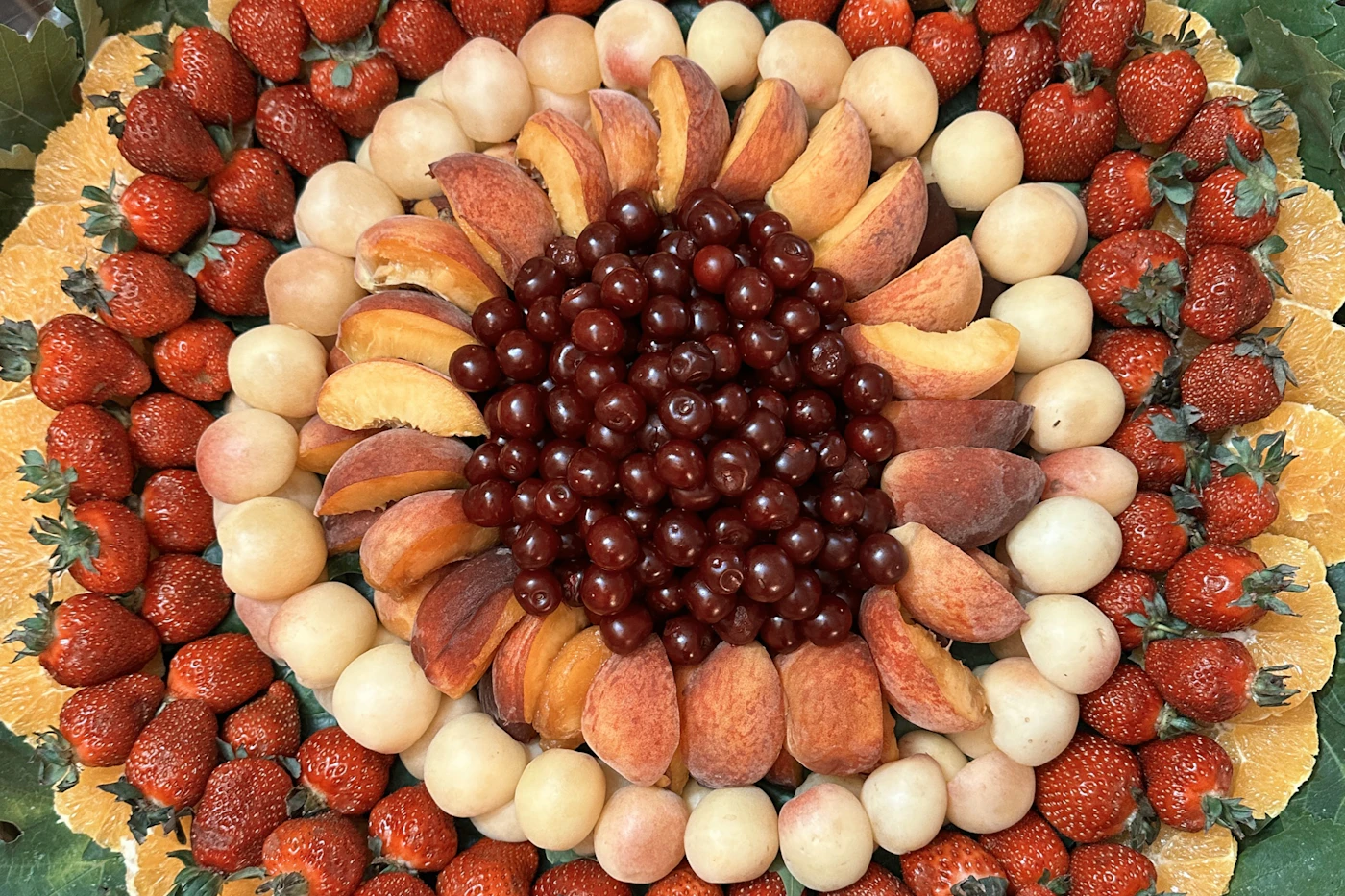
A fruit dessert can be a generous ending to a meal without becoming another major cooking project. The best versions feel deliberate: a few fruits chosen for their relationship to one another, pieces that are comfortable to eat, and accompaniments that offer a little variety. The challenge is resisting the idea that a successful board must cover every inch of a large wooden surface.
An abundant-looking display can create practical problems. Fruit may be difficult to reach, juices can mingle unexpectedly, and cut pieces can remain out longer than intended while guests talk. A more useful approach treats the board as a serving arrangement with a limited service window. Keep reserve portions properly chilled and replenish when appropriate rather than displaying the entire supply at once.
This guide is a planning framework, not a tested recipe. Use it to choose and arrange fruit you know how to handle, with preparation and storage guided by reliable food-safety information. The aim is an enjoyable dessert that fits the actual meal, room, weather, and guests.
Start with the meal that comes before dessert
Consider how substantial dinner will be. After a rich meal, a modest selection of fruit may be enough. After a lighter supper, guests may appreciate an accompaniment that makes dessert feel more complete. The right quantity depends on the whole occasion, not the size of the board you own.
Think about the serving style too. A seated dinner can end with a shared platter or individual portions, while a standing gathering needs pieces and utensils that are easy to manage. Very juicy or awkwardly shaped fruit may be delightful at a table and inconvenient when someone is holding a drink. Choose the format before committing to an elaborate arrangement.
Ask about dietary needs in advance and identify all accompaniments clearly. Fruit is not automatically suitable for every guest, and additions such as dairy, nuts, or prepared dips bring their own considerations. A thoughtful alternative may be simpler than trying to make one large display meet every requirement. Do not promise a preparation environment that you cannot reliably provide.
Choose a small assortment with distinct roles
Three well-chosen fruits can offer more pleasure than eight selected only for color. Look for differences in texture, flavor, and ease of eating. One might be firm and crisp, another softer and fragrant, and a third pleasantly tart. The point is not to satisfy a rigid formula but to avoid a selection in which everything delivers the same experience.
Buy fruit that suits the day you intend to serve it. If you are uncertain about readiness or handling, ask a knowledgeable seller and use reliable guidance for the specific fruit. Do not build the dessert around something unfamiliar unless you have time to understand how to prepare it. A gathering is easier when the central food does not depend on last-minute guesswork.
Consider how much usable fruit each purchase provides. Large whole fruits can create more portions than a small dinner needs, while packages of delicate fruit may leave little margin for damaged pieces. Choose the assortment around realistic portions and possible uses for the remainder. A visually varied dessert does not need an excessive volume of food.
Make the pieces comfortable to eat
Presentation begins with the guest's next action. Can a person pick up a piece with the utensil provided? Will it fit comfortably on a dessert plate? Does it require an unexpected knife, a place for a pit, or a way to manage dripping juice? These questions are more useful than trying to reproduce a complicated arrangement from a photograph.
Prepare fruit using clean equipment and appropriate methods. Wash produce under running water before cutting, including fruit with peels that will be removed, and do not use soap. Follow reliable guidance for the specific item and avoid using unfamiliar decorative plants or inedible leaves among ready-to-eat food. Decoration should not make it harder to know what belongs on a plate.
Keep shapes simple enough to prepare consistently. Elaborate carving can consume time while making portions less practical. A few neat, ordinary cuts often produce a more inviting dessert because guests understand how to serve themselves. Save specialized techniques for occasions when you genuinely enjoy them and have the equipment and time to work safely.
Select the surface for function
A large board is only one option. A platter with a rim may contain juices better, several small bowls may preserve distinct components, and individual dishes may suit a formal or access-conscious meal. Choose a food-safe surface appropriate to the ingredients and clean it according to its requirements. The word board describes a style of service, not an obligation to use wood.
Check the weight of the finished arrangement before filling it. A platter that is easy to move empty can become awkward once loaded with fruit and bowls. Plan a clear route from the kitchen to the table and make room before carrying it. If the dessert must travel outdoors, consider stability and the ability to cover it appropriately during the move.
Leave space for utensils and hands. A display packed to its edges may look full but invite spills when guests take the first pieces. Gaps can make the arrangement more readable and useful. They also allow you to replenish one component without disturbing everything else, which is valuable during a relaxed meal where people serve themselves at different moments.
Use accompaniments to create choice
Choose one or two accompaniments that add a distinct experience. A familiar creamy element, a crisp baked item, or another suitable addition can give guests options without covering the fruit in a single preparation. Keep them separate so someone can enjoy the fruit plain and another can build a more substantial dessert.
Read packaged ingredients and retain labels when needed. Do not assume that a prepared dip, biscuit, or topping matches a guest's requirements because its main ingredient sounds suitable. If strict allergies are involved, discuss preparation and shared service openly with the guest. Separate bowls alone do not establish that a setup is safe for every person.
Avoid adding several sweet elements merely because dessert is expected to be indulgent. Taste the combination you intend to serve and consider whether the fruit still has a recognizable role. Sometimes the most effective accompaniment is a small amount of something contrasting, not a collection of syrups and toppings that make every bite taste similar.
Plan refrigeration and replenishment
Clear refrigerator space before preparing the dessert. Covered containers or suitable trays need a stable place where they will not be crushed beneath other food. A beautiful arrangement that cannot fit in the refrigerator may be impractical to assemble ahead. In that case, store components appropriately and arrange a smaller serving close to dessert time.
Bring out only a manageable amount and follow current guidance on holding cut fruit and other perishable components. Keep the reserve properly chilled, with clean utensils available for replenishment. Do not top up a neglected display indefinitely without considering time and handling. A fresh-looking surface is not evidence that every component has been kept appropriately.
In warm weather, simplify further. Smaller portions and a shorter serving period can be easier to manage than an expansive display. If the setting cannot support safe handling, change the dessert format. The pleasure of fruit does not depend on maintaining an outdoor board through an entire afternoon, and the practical plan should take priority over the visual idea.
An illustrative dessert after a six-person dinner
Imagine a host serving a familiar summer supper to six guests. Dessert is planned as three fruits with one separate accompaniment. The host chooses a rimmed platter instead of a large board because the dining table is small and one fruit is especially juicy. A second container of prepared fruit remains appropriately refrigerated for replenishment.
Before dinner, the host washes and prepares the fruit using suitable methods, stores it properly, and sets out dessert plates and serving utensils. The platter is assembled shortly before serving in a quantity that leaves room for guests to take pieces easily. Each fruit has its own area, and the accompaniment sits in a small bowl that does not obstruct access.
After the first round, the host checks whether anyone wants more rather than automatically filling every gap. The meal ends with enough choice to feel generous and little pressure to finish an oversized display. This example works because the arrangement follows the group's actual needs. The fruit is the dessert; the board is simply a way to serve it.
Keep the visual design readable
Arrange fruit in recognizable groups rather than mixing everything into an indistinct mosaic. This helps guests choose what they want and makes missing portions easy to replenish. You can vary direction, color, and height modestly without creating piles that collapse when someone serves themselves. Stability is a design quality too.
Use a small bowl for ingredients that could run, scatter, or contaminate other components. A bowl can create visual rhythm while solving a practical problem. Avoid sprinkling loose decorative material across the entire surface if it makes the food harder to pick up or obscures ingredients. Every flourish should leave the dessert at least as easy to eat as it was before.
Look at the arrangement from the seated guest's perspective. A display photographed from above can be difficult to use from the side. Check whether labels, utensils, and the farthest pieces remain accessible. If not, rotate the platter, divide the dessert into smaller servings, or change its position. Practical adjustment is part of making the presentation successful.
Adapt the idea for a smaller household
A fruit board does not require guests. For two people, a small plate with two contrasting fruits and a familiar accompaniment can create a pleasant ending to dinner. The same principles apply, but the scale becomes more forgiving. You can explore a combination without buying enough ingredients for a party.
Use what fits the week's meals. If one fruit will also appear at breakfast and another in a snack, the dessert can draw from ordinary groceries. That makes the idea easier to repeat and prevents it from becoming a special shopping project. A personal ritual is more likely to last when it belongs naturally in the household's routine.
Keep the arrangement brief and useful. Five minutes spent choosing a plate and cutting manageable portions can feel considered without turning dessert into a styling exercise. The reward is attention to an everyday meal. You do not need to document it or produce a different composition every time for it to be worthwhile.
Decide what happens after service
Store remaining food promptly and appropriately, taking account of how it has been handled and how long it has been served. Keep only food that can be safely retained. Do not mix uncertain remnants back into the untouched reserve merely to reduce the number of containers. Separate histories matter even when the fruit looks similar.
Make a realistic next use for suitable leftovers. A breakfast portion or another planned meal may be sensible, but a vague promise to make a complicated dessert tomorrow often just postpones waste. If the board consistently leaves too much, reduce the next purchase or the number of components. An elegant arrangement is not improved by quantities nobody wants.
Clean the serving surface according to its material and put away the special dishes before they become kitchen clutter. A simple setup should leave a simple aftermath. That practical ending helps the dessert remain a pleasure you would choose again, rather than an impressive one-time project followed by an inconvenient cleanup.
Give dessert a beginning and an end
A shared fruit arrangement can invite grazing, but the host should still have a clear sense of when dessert is being served. Announce it casually, offer plates, and allow people to take a first portion together. This helps the food become part of the meal rather than an unattended object that remains on display while the evening moves elsewhere.
After a reasonable service period, ask whether anyone would like more and handle the remaining food appropriately. You can continue conversation with water, tea, or another suitable option without leaving the entire dessert exposed. A clear transition is especially useful outdoors, where changes in temperature, insects, or light can make prolonged display less practical.
For guests who arrive after dessert has been put away, offer a properly stored portion if the handling plan allows it. You do not need to reconstruct the complete arrangement. A small plate served thoughtfully carries the same hospitality as the original board. The visual presentation was a means of offering food, not a ceremony that must be repeated for every late arrival.
This approach also makes portions easier to judge. You can see what the group actually wanted during the meal rather than interpreting slow disappearance over several hours as demand for a larger dessert. Over time, that observation helps you buy and prepare more accurately, with less surplus and less need to persuade people to take food home.
Preserve the idea, not a fixed arrangement
The useful habit is choosing fruit with intention and serving it comfortably. Different seasons, stores, and guests will suggest different selections. Let the arrangement change with those realities rather than insisting on the same colors or ingredients. A flexible plan is more likely to produce good food than a rigid visual template.
For preparation, consult the FDA's guidance on selecting and serving produce safely. Use the instructions appropriate to any prepared accompaniment as well. A fruit-centered dessert can feel fresh and generous when the portions, handling, and table all work together.