TROPICAL-TRIBE
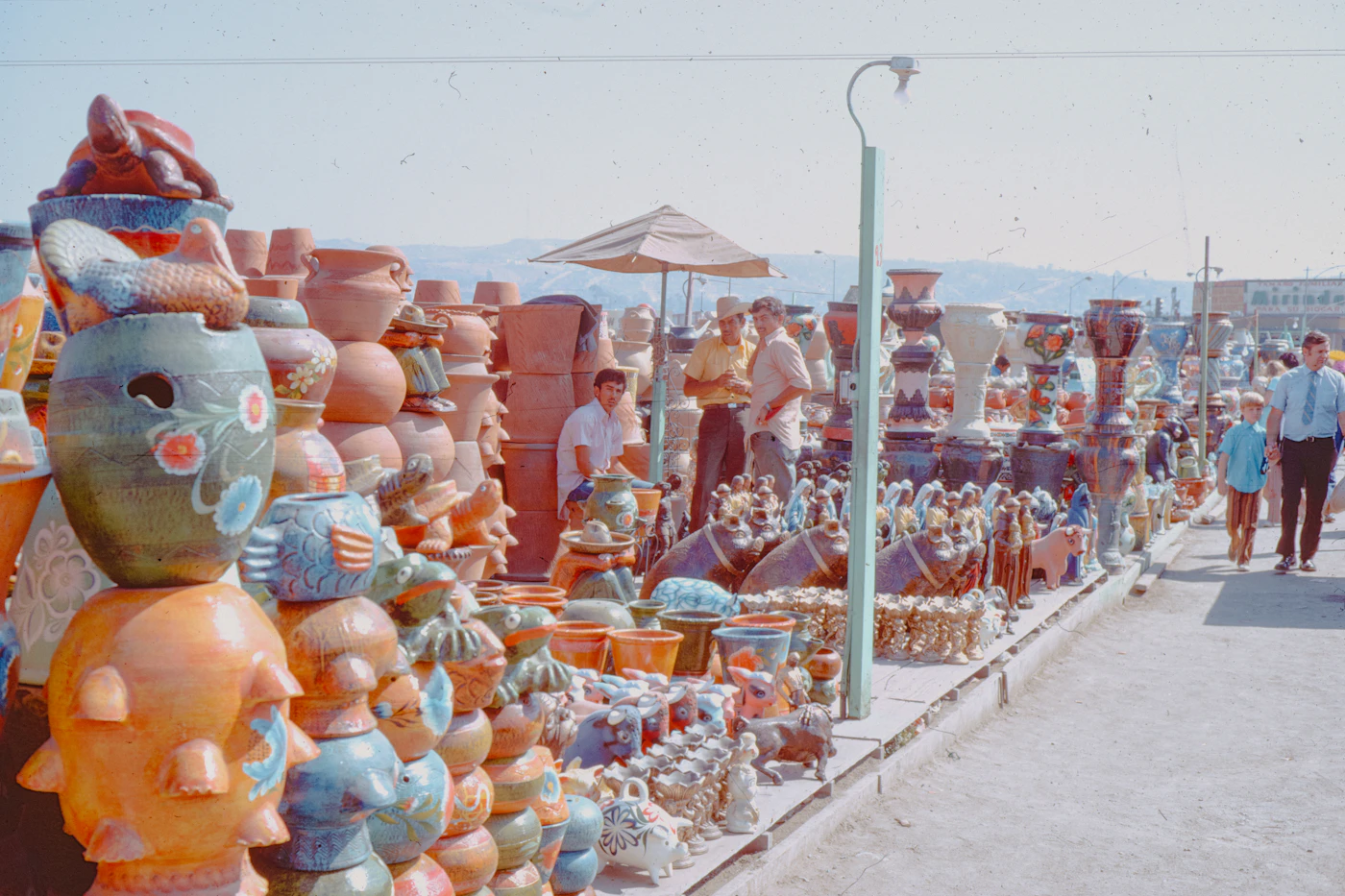
A souvenir often carries two stories. One belongs to the object: who made it, what it is made from, and how it will be used. The other belongs to the traveler: where it was found, what happened that day, and why it seemed worth bringing home. A satisfying purchase allows those stories to fit together. A hurried one may rely almost entirely on the excitement of being away, leaving an awkward object and unanswered questions after unpacking.
Choosing responsibly means considering both stories before paying. You do not need a rare material or a dramatic claim of authenticity to preserve a memory. A useful bowl, a print, a book, or a modest piece of work can hold meaning through the circumstances of the visit. The practical questions are whether you understand the item, whether it can travel appropriately, and whether it has a real place in your life or the recipient’s life afterward.
Imagine the object after the vacation
Before considering price, picture the item at home. Where would it sit, when would it be used, and who would care for it? A large decorative object may look perfect in a tropical shop but have no suitable space in your apartment. A delicate item may require handling you do not want to maintain. This exercise is not meant to remove pleasure from shopping. It helps you choose the pleasure that will last beyond the moment of purchase.
For gifts, think about the recipient’s preferences rather than the destination’s most recognizable symbol. Someone who cooks may value a practical kitchen item, while another person may prefer a book or small artwork. Avoid buying food, scented products, clothing, or decorative pieces without considering allergies, taste, size, and household needs. A souvenir should not become an obligation for the recipient to display or consume something they would never choose.
Leave room for a nonmaterial memory. A photograph made respectfully, a handwritten account of a day, or a recipe idea adapted at home may preserve the experience better than a purchase. You can support a local business through a meal or activity without acquiring an object. Deciding not to buy is a legitimate outcome of thoughtful shopping, especially when the available items do not suit your needs or raise unresolved questions.
Ask what the item is made from
Material information matters for care, durability, transport, and the possibility of restrictions. Ask clearly what the object contains, including decorative components. A necklace may combine several materials; a carving may have an uncertain wood identification; a small ornament may include shells, feathers, or animal parts. Do not assume that a polished or finished product has no regulatory implications simply because it is sold openly to visitors.
If the seller cannot identify a material, treat that uncertainty as part of the decision. A confident assurance that travelers buy it all the time is not a substitute for knowing what it is. You can appreciate the craftsmanship and still decline. When the object contains plant or wildlife material, reliable identification may be necessary to understand the rules that apply. Avoid buying first and hoping an airport official will resolve the question favorably later.
Care instructions can also reveal how suitable the purchase is. Ask whether the item tolerates moisture, sunlight, washing, or ordinary use, depending on its purpose. If the answer is vague, consider how much uncertainty you are comfortable accepting. A decorative piece should not be assumed food-safe, and a vessel sold for display should not automatically be used for cooking or drinking. Match the use to the maker’s clear information.
Distinguish a maker’s story from a marketing story
An item described as local may have been designed, assembled, finished, or sold locally while its materials or components come from elsewhere. That does not necessarily make it a poor purchase, but the distinction helps you understand what you are supporting. Ask a concrete question such as where it was made or which part of the process the shop carries out. A specific answer is more useful than a broad promise of authenticity.
Be cautious with stories that seem designed mainly to make the item impossible to question. Claims that a product is ancient, sacred, rescued, or uniquely available may require more verification than an ordinary shop conversation can provide. Do not purchase cultural objects or antiquities on the assumption that a receipt makes export acceptable. If an item raises heritage concerns, consult the relevant official authority before buying or choose something clearly made for contemporary sale.
You can value an object without assigning it a sweeping cultural meaning. A maker may be producing individual creative work rather than representing an entire community. Ask about their technique or intended use when the setting allows, and avoid demanding a performance of tradition. The most respectful account may be simple: you liked the work, understood the material, and bought it from the person or business that offered it.
Check the journey before the purchase
For international travel, investigate both the departure country’s export rules and the United States’ entry requirements. The fact that a product can be sold in one place does not establish that it can be exported or imported elsewhere. Wildlife and plant materials require particular care. The U.S. Fish and Wildlife Service advises travelers to learn the facts before buying wildlife products, because legality can depend on the species and countries involved.
Agricultural rules are also relevant to foods, seeds, plants, wood, and related materials. USDA APHIS provides guidance for travel with agricultural products, including certain journeys from U.S. island destinations to the mainland. Check the current official information for the exact item and route. Do not rely on a friend’s previous successful trip or a seller’s general reassurance, since the material, origin, and applicable requirements may differ.
Declare items as required when entering the United States and keep receipts and accurate product information available. A declaration is not a guarantee that an item will be admitted. If the requirements remain unclear before purchase, the simplest option is often another souvenir with a more straightforward material and journey. This is especially sensible when a vacation schedule leaves little time to obtain authoritative guidance or necessary documentation.
Leave natural objects where they belong
A shell, piece of coral, seed pod, or fragment of driftwood can seem like the most direct possible keepsake. Yet collecting may be restricted, affect the place, or create problems when moving the material elsewhere. Follow the rules of the specific beach, park, reserve, or destination. Do not assume that an object is available to take because it looks empty, detached, or abundant.
Photograph or sketch an appealing natural detail instead of collecting it. Notice its shape, color, and position in the landscape. These observations can become a more particular memory than an object whose origin becomes unclear once it sits on a shelf. If you want a physical reminder, look for an appropriate manufactured or artistic interpretation whose materials and sale conditions are clear.
Avoid moving natural materials between beaches or habitats for a photograph or display. A small arrangement may appear harmless while interfering with a setting you do not fully understand. The useful visitor habit is to observe without redesigning the scene. This keeps the souvenir decision separate from the impulse to take part of the landscape home and allows the place to remain available for its own ecological processes and other visitors.
A hypothetical purchase that changes direction
Imagine a traveler looking for a gift for a friend who enjoys gardening. At a market, a packet of unfamiliar seeds seems ideal because it connects directly to the destination. The label gives little information, and the seller cannot clarify the species or entry requirements. Rather than buying and investigating later, the traveler decides that the uncertainty does not fit the trip. The gift’s apparent meaning is not enough to overcome the unresolved practical questions.
In a nearby shop, the traveler finds a small print by a named artist depicting local foliage. The shop explains how the print was produced and provides suitable packaging. The traveler knows the friend enjoys botanical art and has space for a modest piece. This alternative preserves the original thought behind the gift while removing the uncertainty about moving living material across borders.
The purchase is not automatically superior because it is art. It works because the traveler understands what it is, can transport it, and has considered the recipient. A different person might choose a book, a workshop experience, or no gift at all. The method matters more than the category: identify the purpose, ask relevant questions, and change direction when the first idea does not withstand practical scrutiny.
Pay for the work without buying under pressure
Decide on a spending range before browsing. This helps you appreciate work that is outside your budget without feeling that admiration creates an obligation. If a price is fixed, respect that arrangement. If negotiation is customary and clearly welcomed, keep it courteous. Do not frame the exchange as a contest in which the best outcome is making the seller accept the lowest possible amount regardless of the item’s work or materials.
Ask about simpler or smaller options when appropriate. A maker may offer several formats, and a modest piece can carry as much personal meaning as a large one. Avoid requesting custom changes you are not prepared to pay for or asking for extensive demonstrations during a busy retail period. If learning about the process is your main interest, look for a paid workshop or scheduled demonstration designed for that purpose.
Give yourself permission to pause. A purchase that is only appealing under immediate pressure may not be the right one. Take a note or photograph of the product only with permission, consider the transport and home-use questions, and return if practical. If the object is sold before you return, that is disappointing but not a travel failure. A memorable trip does not depend on securing every appealing item encountered along the way.
Plan packing as part of the cost
A fragile or bulky souvenir creates a transport task. Ask how it should be protected and whether the packaging fits your available luggage. Consider baggage rules and the conditions of the actual route, including transfers and the need to carry the item yourself. Do not assume that a shop’s standard wrapping is sufficient for every journey. If safe transport requires a major change to your baggage plan, include that inconvenience and expense in the decision.
Shipping may be offered, but it introduces its own terms, customs requirements, costs, and risk. Read the arrangement carefully and understand who handles documentation, tracking, insurance where relevant, and problems in transit. Avoid accepting a vague promise that everything is included. Keep receipts and written terms. If the process feels disproportionate to the item’s value or meaning, choose something easier to bring home.
For multiple gifts, resist buying identical items merely to complete a list. A small number of well-matched gifts may be more thoughtful than a suitcase of objects chosen under departure pressure. Tell friends and family that the trip itself is the priority if necessary. Photographs, a shared meal, or a personal note can convey that you thought of someone without creating an obligation to shop for every relationship.
Give the souvenir its real place at home
Unpack the item promptly and inspect it. Keep material and care information where you can find it. If it is a gift, include a short factual note about the maker or the moment of purchase, without embellishing the story. A simple account of why it reminded you of the recipient can be more meaningful than an invented claim that it represents the soul of the destination.
Use the object if it was chosen for use. A bowl that joins ordinary breakfasts or a print placed where you will see it can connect the journey to daily life. If the souvenir remains packed away because it is too delicate, unsuitable, or difficult to place, learn from that result. The next trip may call for a different category or a smaller object. Thoughtful travel shopping improves through noticing what actually remains valuable after the excitement fades.
The best keepsake is not necessarily the most unusual thing you can carry across a border. It is something whose materials, meaning, and practical future you understand. Asking a few questions protects the purchase from impulse and gives the object a clearer story. You return with less uncertainty and a more durable connection to the visit, whether that connection takes the form of a useful item, a small artwork, or a memory deliberately left without an object.
Official information before buying
Consult the U.S. Fish and Wildlife Service’s traveler guidance for wildlife-related purchases and USDA APHIS travel guidance for food, plants, and agricultural materials. Confirm requirements for the exact item, origin, and route before committing to a purchase.