TROPICAL-TRIBE
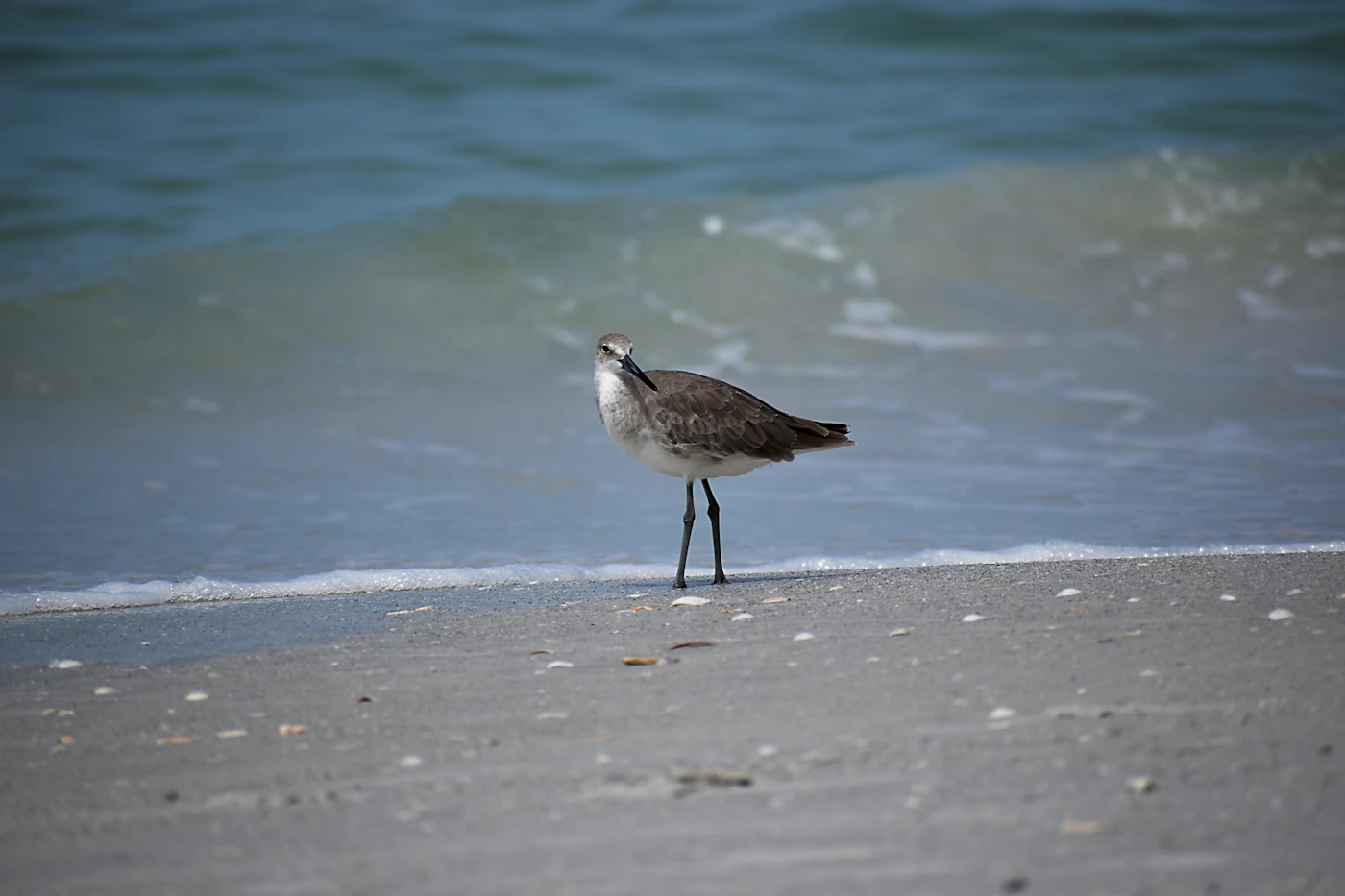
The easiest way to make birdwatching frustrating is to begin with a list of birds you expect to find. A coast is a living place, not a display arranged for visitors. Some days offer conspicuous flocks; others reveal only a few distant shapes. Either can become interesting if the aim is to notice behavior rather than collect sightings.
A beginner's outing can be wonderfully modest. Choose a public observation point, bring whatever viewing equipment you already understand, and give one small area your attention. The challenge is not to travel farther or approach more closely. It is to remain curious long enough for an ordinary scene to become more detailed.
Choose a place designed for looking
Start with a refuge, park, boardwalk, or public viewpoint that welcomes wildlife observation. Check the managing organization's current information for access, opening hours, closures, and any seasonal restrictions. A designated viewing area often provides a better introduction than an informal path whose legality and environmental impact are unclear.
Look for practical comforts that allow patience: an appropriate place to stand or sit, a manageable approach, and facilities suited to your needs. A spectacular site reached by a difficult journey may leave little energy for observation. For a first visit, convenience can contribute more than remoteness.
Read the rules specific to that location. Some areas restrict pets, sound playback, drones, or entry during sensitive periods. Do not assume that an activity permitted at one park is acceptable at another. Respect barriers and viewing boundaries even when birds appear easier to see from the other side.
Set a question instead of a target list
A simple question gives the outing purpose without making success depend on a species. You might watch how birds use different parts of the shoreline, compare solitary and group behavior, or notice how feeding activity changes across a small area. These questions are accessible even when identification remains uncertain.
Keep the question narrow enough to follow. Trying to identify every bird, record every sound, and photograph every movement can turn a peaceful visit into a multitasking exercise. One observation theme helps you slow down and distinguish what you actually saw from what you expected to see.
For a hypothetical first session, choose two visible areas from an approved viewpoint: an open patch of water and a section of shore. Note which birds use each area and what they do there. You need not explain every difference. The comparison itself begins to reveal the structure of the scene.
Use binoculars as an aid, not an entry requirement
Binoculars can help you observe from a respectful distance, but unfamiliar equipment can also occupy the whole outing. If borrowing a pair, learn the basic adjustments before leaving home. Practice finding a stationary object in an ordinary setting so that the first bird is not also your first equipment lesson.
Avoid buying specialized gear before you know what kind of birdwatching you enjoy. A few visits may reveal whether you prefer open-water viewpoints, woodland edges, or casual observation during walks. That experience can guide later purchases more effectively than a list of features detached from your actual habits.
Without binoculars, focus on visible patterns: movement, group size, silhouettes, and how birds use the landscape. Do not compensate for limited magnification by moving closer to wildlife. A broad observation made from an appropriate place is a better beginning than a detailed view obtained through disturbance.
Learn to describe before you name
Identification becomes easier when you collect useful observations before searching a guide. Record approximate size relative to something familiar, overall shape, dominant colors, bill shape if visible, and the behavior you noticed. Keep uncertain details explicitly uncertain rather than converting a fleeting impression into a fact.
Separate what you saw from what a reference suggests. A field guide may show a feature that was not visible during your observation. Do not add that feature retroactively to make the identification fit. It is perfectly acceptable to leave a note at a broader level, such as an unidentified shorebird.
Use photographs as supporting evidence when they can be taken without disruption, but do not assume a distant cropped image will settle every question. Light, angle, movement, and image quality can conceal important features. A cautious description preserves the value of the encounter even when the name remains unresolved.
Watch behavior for longer than feels necessary
At first, a resting bird may appear to be doing nothing. Give the scene time. You may notice changes in posture, movement within a group, interactions around a feeding area, or the way a bird responds to the surrounding environment. Quiet intervals are part of the subject, not gaps between worthwhile moments.
Choose a comfortable observation position that does not block other visitors. Remain within designated areas and avoid following an individual bird along the shore. Moving repeatedly to maintain a close view can turn observation into pursuit, especially when the bird is trying to rest or feed.
The U.S. Fish and Wildlife Service encourages visitors to give wildlife space and observe natural behavior. Use local distance requirements and staff advice where provided. If your presence is changing what an animal does, increase distance or leave as appropriate rather than waiting for it to become accustomed to you.
Keep nesting places out of the spotlight
Nests and young birds can make people especially eager to approach, photograph, or share a location. Resist that impulse. Follow closures and local guidance, avoid drawing a crowd, and do not move vegetation or objects to improve a view. A hidden nest does not need to become visible for the outing to be meaningful.
Be careful with location sharing. A photograph can reveal more than its caption, including recognizable landmarks. Ask the land manager or a knowledgeable conservation organization about appropriate reporting of sensitive observations. The decision to withhold a precise location can be a useful part of responsible participation.
If you encounter an animal that appears injured or in distress, contact the relevant wildlife authority or site staff and follow their directions. Do not handle it or attempt a rescue based on an online guess. Apparent isolation or unusual behavior may have an explanation that requires local expertise.
Let sound support observation without manipulating it
Listening can reveal that a place contains more activity than you initially see. Pause conversation and notice the direction and character of calls. You do not need to identify them immediately. A short written description may help you remember the experience without reaching for a device every time a sound occurs.
Avoid playing recorded calls to attract birds. Follow the site's rules about sound and other disturbance. A beginner does not need to create a response in order to learn; watching and listening to existing behavior offers a more faithful picture of the place.
If using an identification app, treat its suggestion as a starting point rather than confirmation. Environmental noise, overlapping calls, and incomplete recordings can complicate an answer. Keep the original uncertainty in your notes and seek additional evidence without pursuing or provoking the bird.
Share the viewpoint gracefully
Observation areas work best when visitors leave room for one another. Keep bags and tripods out of the main passage, speak quietly, and avoid occupying the only usable viewing position for an extended period. If someone asks what you are watching, a brief description can welcome them without turning the scene into a crowd.
When a group arrives, adjust expectations rather than competing for a sighting. You might observe a different part of the habitat, wait at another permitted position, or continue at a quieter time. Wildlife and public access do not belong to the first person who noticed them.
Be thoughtful about advice. If you are uncertain about an identification, say so. If another visitor is crossing a barrier or disturbing wildlife, prioritize your own safety and notify staff when appropriate rather than creating a confrontation. Respectful observation includes how people treat one another around the habitat.
Make notes that tell a small story
A useful record includes the place, date, general conditions, observation location, and what you actually saw. Add the behavior that interested you and any unanswered question. This creates a richer memory than a species name alone and helps distinguish separate visits to the same site.
Try a short sequence rather than a long inventory. For example, a hypothetical note might describe a group resting, several birds moving toward the water, and the group settling again. The sequence invites curiosity about changing conditions without claiming a cause you did not establish.
Sketches can be equally useful. A rough outline of the shore, a few marks showing where birds gathered, and a note about movement can reveal relationships that a close photograph misses. Artistic skill is irrelevant; the purpose is to make attention visible on the page.
Plan a visit that can end comfortably
Choose a manageable session and give yourself permission to finish before concentration fades. Birdwatching rewards attention, but attention has limits. Hunger, heat, uncomfortable footing, or an awkward return journey can make the final part of a visit feel obligatory rather than rewarding.
Check the forecast, access notices, and transport arrangements for the actual day. Bring the personal items and protection suitable for the location, and follow official instructions about weather or other hazards. A wildlife interest does not justify remaining in an exposed place when conditions call for leaving.
A nearby visitor center or suitable cafe can provide a pleasant second part to the outing. Review notes, compare impressions with a companion, or look up one unresolved question. This keeps the experience connected to learning while giving the habitat and your attention a break.
Return to an ordinary place
Repeated visits to a convenient viewpoint can be more revealing than a succession of distant excursions. Familiarity helps you notice changes in water, vegetation, use of space, and the behavior visible from the same position. Keep expectations open; a repeat visit is a comparison, not a demand for the same birds to appear.
Record changes carefully without assuming why they occurred. A quieter morning may reflect many factors you cannot observe. The value lies in noticing the difference and identifying a question worth exploring through reliable sources or a guided program, rather than inventing a confident explanation.
Over time, you may develop preferences: watching groups, sketching silhouettes, learning a few common calls, or understanding a particular habitat. Let those interests shape future outings. Birdwatching becomes more satisfying when it grows from attention rather than from pressure to accumulate a larger list.
Leave with curiosity intact
An outing does not need a rare bird to justify the time. You may leave knowing how one common bird moves, how a flock uses a patch of shore, or how much activity appears when conversation pauses. Those are real discoveries, even if they do not produce a dramatic photograph.
Before leaving, check your observation area for belongings and rubbish, give other visitors space, and keep sensitive details out of casual public posts. If you share the experience, describe the place and behavior honestly. Avoid turning one observation into a promise of what every future visitor will see.
The most useful beginner habit is restraint paired with interest. You stay far enough away, remain uncertain when evidence is incomplete, and allow the birds to continue their day. Within those boundaries, an ordinary stretch of coast can offer more to notice than a hurried visit ever reveals.
Join a walk with a clear learning purpose
A public guided bird walk can help you discover which details experienced observers notice first. Read the description for pace, terrain, expected knowledge, and equipment arrangements. Tell the organizer that you are new and interested in learning how to observe, rather than arriving with an expectation that every bird will be identified for you immediately.
During the walk, ask about the evidence behind a name: the shape, behavior, or sound that made the identification plausible. This teaches a repeatable way of looking. It is more useful than memorizing a sequence of names while struggling to locate the birds being discussed. If you miss a view, say so without asking the group to pursue the animal.
Afterward, choose one technique to practice independently at a suitable public viewpoint. Perhaps you learned to describe a silhouette before checking color, or to scan an area slowly instead of moving constantly. A single habit retained from a guided outing can improve many ordinary walks, even when the species and setting differ.
Further guidance
Read the U.S. Fish and Wildlife Service's wildlife-viewing guidance and the rules published by the refuge or park you plan to visit. Local closures, nesting protections, and staff instructions should shape your observation plan.