TROPICAL-TRIBE
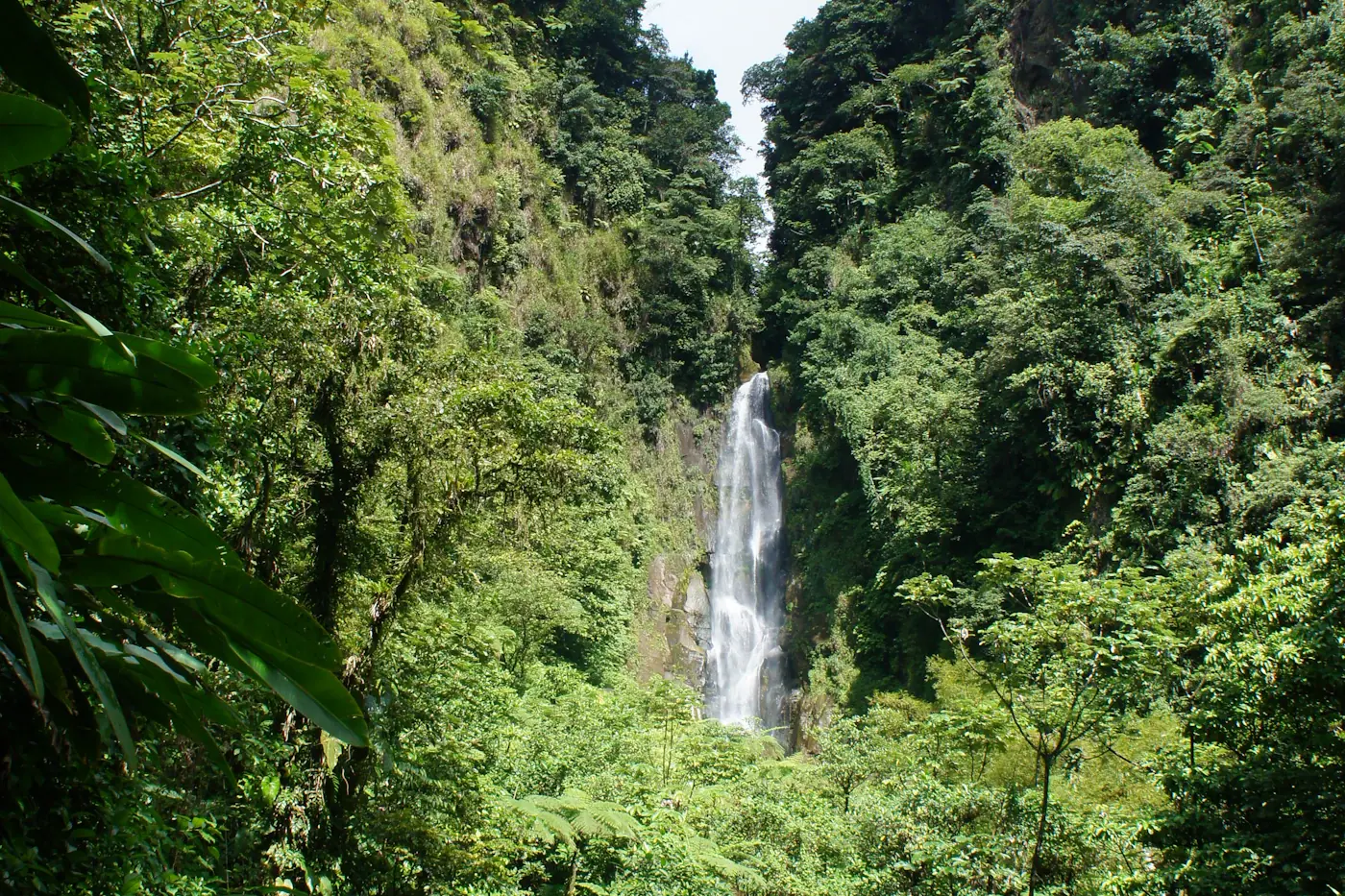
Dominica is a compelling destination for travelers who want nature to lead the itinerary, but nature-led should not mean effort without limits. Forest walks, demanding hikes, river settings, boat outings, and quiet observation ask for different abilities and preparation. A good week begins by choosing the kind of outdoor experience you actually enjoy rather than assuming that the most strenuous route must be the most rewarding.
Plan around current conditions and qualified local guidance. Trails, roads, rivers, and visitor sites can change after weather events, and a route description is not a promise of access. This guide offers a method for shaping the week, not technical hiking instruction or a fixed tour. Verify the details of every substantial activity with the responsible agency and an appropriate provider.
Define your level of effort honestly
Describe your recent experience in concrete terms. How long do you comfortably walk on uneven ground? How do you feel about steep descents, slippery surfaces, humidity, or a day with limited facilities? A general statement that you are fit does not answer these questions. Share relevant details with a guide before selecting an outing.
Distinguish between wanting to see a landscape and wanting the physical challenge of reaching a particular point. Both are valid motivations, but they may call for different routes. A shorter interpretive walk can provide a rich experience for someone interested in plants and birds, while a demanding hike may suit a traveler who has prepared specifically for it.
Build the itinerary around the least comfortable participant when the group intends to stay together. Do not assume that enthusiasm will overcome a mismatch in ability once the outing begins. If interests differ, consider separate activities with clear transport and meeting arrangements. A shared vacation does not require everyone to attempt the same challenge.
Choose guides for communication and judgment
Ask prospective guides about the actual route, current conditions, duration, terrain, group size, equipment, and what happens if the plan changes. A good answer should help you understand the day rather than simply reassure you that everyone manages. Look for a clear process for assessing suitability and deciding when to alter or cancel an outing.
Explain your interests. A traveler focused on bird observation may want a different pace from one focused on covering distance. Someone interested in plant ecology may value frequent stops and interpretation. The guide can create a better match when you describe what would make the experience meaningful, not only the place name you have seen online.
Clarify what is included: transport, meals, water, equipment, entry arrangements, and any additional costs. Understand the meeting point and return plan. Put important details in writing so that both parties share the same expectations. This is especially useful when several people are coordinating the trip from different locations.
Select accommodation as a base for recovery
After an outdoor day, the practical features of accommodation become important. Can you dry clothing and footwear appropriately? Is food available without another substantial journey? Is there a comfortable place to sit, and does the room support good sleep? These details may matter more than a dramatic view you admire briefly before leaving each morning.
Choose location according to the activities you will do most often. A property convenient to one area may require longer drives to another. Group outings geographically and ask providers about realistic travel arrangements. Do not assume that a small island produces quick journeys through mountainous terrain.
If you plan to divide the stay between two bases, make sure the move reduces repeated travel or creates a distinct experience. Give each base enough nights to settle in. A nature-focused holiday already involves equipment and preparation; unnecessary accommodation changes add another layer of work that may not improve the trip.
Put a demanding outing between easier days
Avoid arranging the hardest hike immediately after a tiring arrival or directly before departure. Give yourself time to understand the climate, sleep, and check equipment. Then leave a lighter day afterward. Recovery is part of the itinerary, not an optional reward available only if there is time left.
A lighter day can still be interesting. Choose a cultural visit, a suitable short nature walk, a garden, a town outing, or a quiet coastal setting. The purpose is to change the physical demand while continuing to learn about the island. It need not become a day of doing nothing unless that is what you want.
Keep the calendar flexible enough to move an outdoor activity when appropriate, recognizing that guides and services may not always have alternative availability. Do not promise yourself that a backup date guarantees completion. Instead, make the week worthwhile through several different experiences so one changed outing does not determine its entire value.
Treat famous hikes as choices, not obligations
A widely photographed or frequently discussed route can become a powerful expectation. Before selecting it, ask whether its demands and risks fit your preparation and interests. A long, difficult hike is not a necessary credential for having visited Dominica properly. The island offers ways to observe and learn at different levels of effort.
For challenging routes, use qualified local guidance and current official information. Understand the conditions that would cause a change, the required equipment, and your own responsibilities. Do not attempt to replace that preparation with a general online description. Technical and environmental details require current, route-specific judgment.
Be willing to choose a different goal. A guide-led walk that lets you notice birds, plants, land use, and weather may produce a more lasting memory than a difficult day spent focused only on reaching the end. The right outing is the one that fits the experience you want and the conditions that actually exist.
Approach rivers and waterfalls with restraint
Water is part of Dominica's appeal, but a beautiful river or waterfall is not automatically an appropriate swimming location. Conditions can change, and hazards may not be obvious from the bank. Follow current local guidance, posted restrictions, and qualified advice. Do not enter unfamiliar water because another visitor has done so or because a photograph suggests it is common.
Choose an authorized viewing or visiting arrangement that matches your abilities. Ask about surfaces, steps, crossings, facilities, and the possibility of changing water conditions. If your interest is photography or observation, say so; you may not need the same access as someone seeking a more physical activity.
Keep belongings secure and pack out everything you bring. Avoid using soaps or other products in natural water, and leave plants and rocks undisturbed. A responsible visit does not require elaborate declarations. It requires practical behavior that protects the setting and respects the guidance provided.
Give wildlife observation enough time
If birds or other wildlife interest you, choose a guide and outing designed for observation rather than expecting sightings to appear during a rushed general tour. Ask about the pace, equipment, and appropriate conduct. Wildlife cannot be guaranteed, and the absence of a particular species does not mean the experience has failed.
Listen for changes in the environment and allow pauses. A quiet period may reveal more than constant movement. Keep a respectful distance, avoid feeding or handling animals, and follow rules about sound, lights, and access. The aim is to observe natural behavior rather than provoke a response for a photograph.
Record what you learn carefully. If you are uncertain about an identification, note the uncertainty and ask a knowledgeable source rather than turning a guess into a confident caption. Learning to distinguish observation from assumption can be one of the most useful outcomes of a nature-focused trip.
Include people and history in a nature holiday
Forests and coastlines do not exist separately from the people who live with them. Include a cultural or historical visit that provides context through appropriate interpretation. Research the institution or guide and approach the experience as an opportunity to listen, not as a decorative break between outdoor activities.
If visiting a community-based cultural experience, follow the host's guidance about photography, participation, and respectful conduct. Ask permission before photographing individuals and do not assume that an invitation to a visitor activity grants unrestricted access to private life. Pay for the experience as agreed and recognize the work involved in presenting it.
Avoid describing the island as an empty wilderness. Its landscapes have histories, uses, and meanings that extend beyond the visitor's route. A thoughtful guide can help explain those relationships. Let that knowledge change the language you use when talking about the place after returning home.
An illustrative week with varied demands
Imagine travelers with seven nights whose main interests are forest interpretation, one substantial hike, and coastal observation. Arrival evening is simple. The first full day is a shorter guided outing that helps them understand the environment and assess how they feel. They use the next day for the demanding activity only if conditions and the guide's assessment support it.
The following day is deliberately lighter, with a cultural visit and a comfortable meal. Another day focuses on a different region or a suitable water-based experience arranged through a responsible provider. They keep one day flexible for weather adjustments and one for a favorite repeat visit or a gentle walk.
This hypothetical plan does not name a compulsory route because suitability is individual and conditions change. Its structure is the useful part: effort is spaced, cultural context is included, and the trip has several sources of value. The travelers leave room to enjoy the island rather than treating the week as a series of endurance tests.
Make transport part of the activity decision
Ask how long the full outing will take from accommodation departure to return, not just the time on a trail. Mountain roads, pickups, and stops can make a day longer than the activity description suggests. Choose a base and route that reduce unnecessary backtracking, and keep the evening after a long outing uncomplicated.
If driving yourself, review current requirements, rental terms, road information, and your own comfort. Do not assume that a route application understands every local condition or restriction. If unfamiliar terrain or driving demands would distract from the experience, a qualified driver or organized outing may be a better use of the budget.
For arranged transport, confirm pickup locations, timing, and contact methods. Understand what happens if the activity finishes earlier or later than expected. Clear arrangements are particularly useful when visiting a place where spontaneous return transport may not be readily available. Independence depends on workable options, not merely on avoiding organized services.
Pack for use rather than possibility
Build the packing list around the actual activities you have selected and the provider's guidance. Appropriate footwear, clothing for changing conditions, water, food, necessary medication, and a way to protect essential items may matter more than a large collection of specialized gadgets. Test unfamiliar equipment before relying on it during the trip.
Leave room for drying and cleaning items according to accommodation rules. Wet gear can complicate a move between bases or a departure day, so plan for it. Do not assume that a short overnight interval will be enough for everything to dry. A simple spare set of appropriate clothing can make the next day more comfortable.
Keep important contacts, addresses, and confirmations accessible offline, and share the plan with a travel companion or accommodation contact as appropriate. Follow the guide's communication and check-in advice for outdoor activities. Preparation should support sensible decisions, including the decision to shorten or cancel an outing.
Build a weather plan that respects the reason for the change
If heavy rain affects an activity, do not automatically replace it with another river or trail outing. Ask what conditions mean for the wider area and select an alternative that is genuinely suitable. An indoor cultural visit, a meal, or rest at the accommodation may be the correct choice. The backup should respond to the hazard, not simply preserve the outdoor theme.
Review cancellation terms before booking and keep some flexibility in time and budget. A provider's decision to cancel can be evidence of good judgment rather than poor service. Avoid pressuring someone to proceed because the outing was the main reason for your visit. Your expectations do not change the conditions.
At the end of the week, think about what you noticed more clearly: a plant adaptation, a bird call, a landscape relationship, or a historical account. Those observations are a better measure of a nature-led holiday than the number of demanding routes completed. Dominica can reward attention at many different speeds.
Useful planning sources
Consult Discover Dominica and its itinerary information for orientation. Use the Forestry Division site-pass information and Waitukubuli National Trail resources for relevant official arrangements and guidance. Verify current conditions and personal suitability with qualified providers. This article does not provide technical route instructions, medical clearance, or a guarantee of trail access or wildlife sightings.