TROPICAL-TRIBE
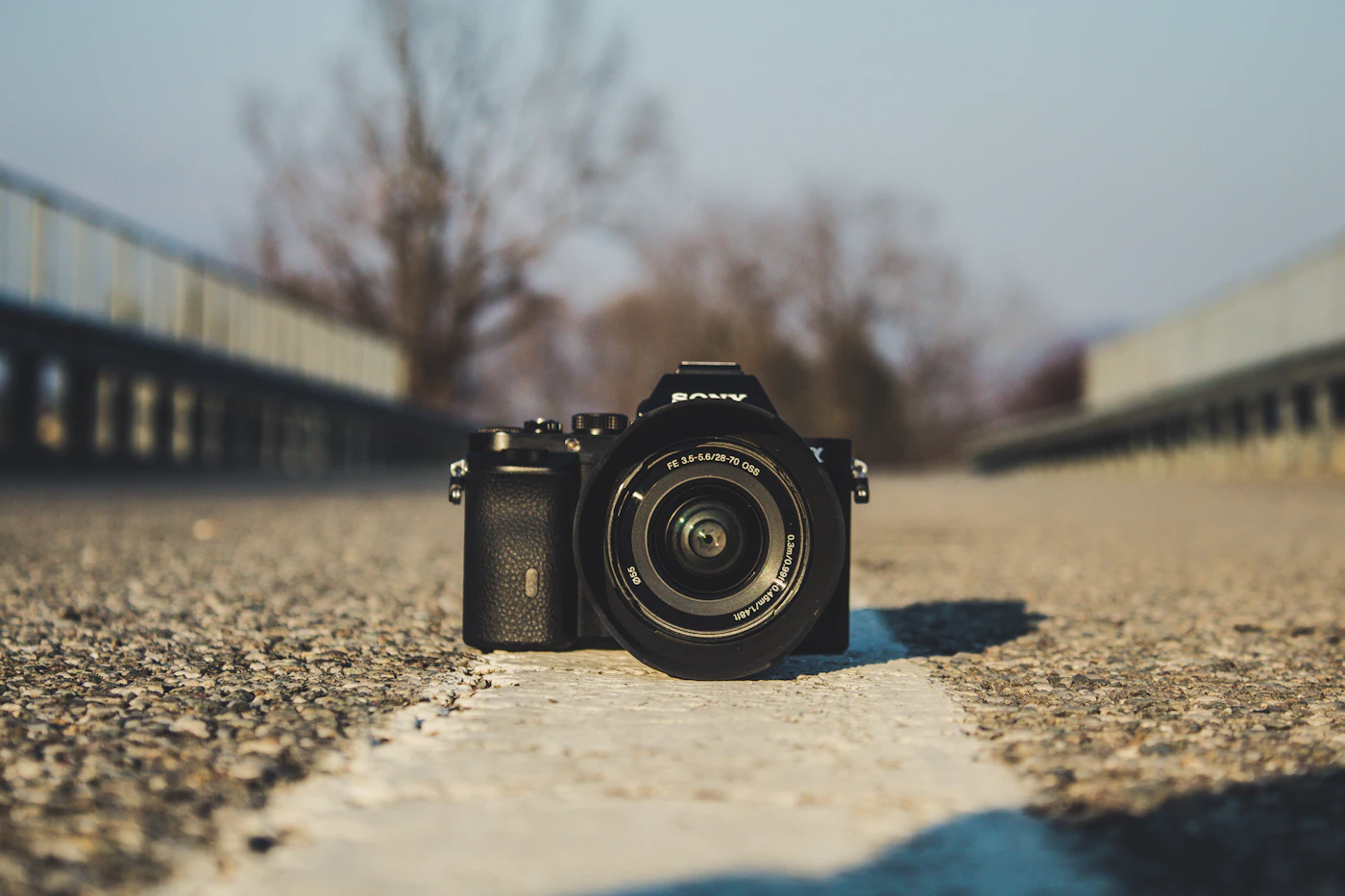
Photography can begin with a moment of recognition: light on a wall, leaves overlapping in a window, or a cup casting a shape across a table. You do not need a remarkable location to find a worthwhile subject. A gentle photography habit gives those moments a little attention without requiring every walk or holiday to become a production.
Use the camera or phone you already know. The purpose is to practice seeing and choosing, not to acquire a complete set of equipment. Tropical subjects can offer an inviting starting point through foliage, water, shade, and warm colors, but the same approach works in any neighborhood or home. A thoughtful image often comes from a clear decision about what to include and what to leave out.
Choose a practice small enough to repeat
Begin with a modest invitation rather than a daily quota. You might spend ten minutes looking for a photograph during a regular walk or make a few images on one afternoon each week. The schedule should fit the way you already live. A habit that requires special travel, preparation, and uninterrupted time may be difficult to maintain.
Decide what the practice is for. You may want to notice light, record ordinary details, or create a small personal collection. These aims suggest different subjects but do not require public sharing. Keeping the work private can make experimentation easier because the image does not have to explain itself to an audience immediately.
Leave room for days when nothing catches your interest. You can look without making a picture. The habit is partly about attention, and attention does not always produce a result. Avoid filling the camera roll simply to prove that you practiced. A small number of images you care about is more useful than a large collection created under obligation.
Work with one visual question
A question focuses the session. You might ask how light changes a familiar object, how several greens appear together, or how a doorway frames a view. Choose something you can explore in the available setting. The question should invite variation rather than demand a technically perfect answer.
Stay with the subject for a few minutes. Change your position within safe and permitted access, adjust the framing, or wait for the scene to change. Notice what each choice does to the image. You are learning through comparison, not trying to memorize a list of rules before taking any photographs.
If the question stops being interesting, choose another on a later outing rather than forcing the current session to continue. A gentle practice benefits from curiosity and a clear stopping point. The aim is to make photography a welcome part of life, not a task that follows you around demanding completion.
Start with light you can observe easily
Look at how light falls across a subject before reaching for the camera. Is one side brighter? Does the background compete for attention? Does shade reveal a different texture? These are visual observations you can make without technical terminology. Take a picture, compare it with what you saw, and decide what you want to change.
Try the same small subject at different suitable times if it is convenient. A plant near a window or a familiar outdoor view can provide a useful comparison. You do not need to chase a particular hour or wait for ideal weather. Different conditions create different images, and learning what you enjoy is more valuable than assuming one kind of light is always best.
Use your device's familiar controls only as needed. If an automatic result is too bright or dark for your intention, consult the device's own guidance for the relevant adjustment. There is no need to master every setting at once. Keep the technical question connected to the picture you are trying to make rather than collecting settings without a purpose.
Simplify the frame before adding more ideas
Ask what the image is about. If the answer is a leaf's shape, look for a position where that shape is clear. If the subject is a relationship between a chair and its shadow, include enough context for both to matter. A clear subject does not require a completely empty background, but it benefits from deliberate inclusion.
Look around the edges of the frame. An object cut off awkwardly, a bright patch, or an unrelated sign may draw attention away from what interested you. You can move slightly, change the framing, or accept the interruption if it adds something useful. The choice should be yours rather than an accident you only notice much later.
Try making two versions: one close and one with more context. Compare what each communicates. The close view may reveal texture; the wider view may explain place or scale. Neither is automatically better. This small experiment can teach you more than taking many nearly identical pictures without deciding what changes between them.
Use repetition to notice differences
Photograph a familiar subject several times over a period: a public tree, a view from home, or a tabletop arrangement you use. Keep the subject ordinary and accessible. Repetition removes some of the pressure to find something new and makes changes in light, framing, and attention easier to see.
Do not force the images to match exactly unless comparison is the point. You may discover a new angle or notice a detail you previously ignored. Let the series develop through actual interest. A recurring subject can become a small conversation between the place and the way you see it on different days.
Be mindful of boundaries when the subject is outside your own space. Use appropriate public access, respect property and posted rules, and avoid repeatedly photographing private activity. A long-term visual study should remain considerate to the people who live or work nearby. Familiarity with a location does not grant permission to intrude.
Photograph people with care and clear expectations
People can make images meaningful, but they also have preferences about being photographed and shared. Ask when permission is appropriate and respect a refusal without argument. Within your own group, discuss whether photographs are for private memory or public posting. Consent to one does not automatically imply consent to the other.
Avoid treating residents, workers, or strangers as props for a travel story. Consider whether the image is respectful and whether you understand the context. A candid-looking moment is not more valuable than someone's comfort. You can often tell a story about a place through objects, spaces, and your own companions without placing an unwilling person at its center.
When photographing someone who agrees, make the experience comfortable. Explain what you are trying, keep the session proportionate, and let them participate in choosing the result if appropriate. The interaction matters as much as the final image. A photograph that cost someone an unpleasant experience may not be a memory you want to preserve.
Keep creative work separate from constant sharing
Making a picture and publishing it are different activities. You can enjoy the first without immediately doing the second. Give yourself time to look at the image away from the scene before deciding whether to edit or share it. This can reveal what you actually like rather than what seemed exciting in the moment.
If you share, write a caption that is accurate about the place and circumstances. Do not imply that a generic view represents a specific destination unless it does, or invent a personal story to make an image seem more meaningful. A simple description of what interested you can be enough. Honesty supports the work more than an exaggerated narrative.
Notice whether audience response begins to direct every choice. If you find yourself seeking only images that resemble popular examples, spend a session on a subject you enjoy privately. The point is not to reject feedback. It is to keep your own curiosity present so that photography remains a creative activity rather than a continuous effort to satisfy an imagined viewer.
Edit with a purpose and a stopping point
Review a small group of images after the session. Choose the ones that best express what interested you, and compare similar versions rather than keeping all of them by default. Ask what each picture adds. A tight selection can make the experience easier to revisit and reduce the burden of an ever-growing collection.
If you adjust an image, decide what you are trying to clarify. You might crop away a distracting edge or make the overall appearance closer to your intention. Use tools you understand and avoid treating editing as a requirement to rescue every photograph. Sometimes the useful lesson is to notice what you would do differently next time.
Keep the distinction between creative interpretation and factual representation in mind. If an image is meant to document a place or event, changes that materially alter what happened can mislead viewers. For a personal artistic experiment, explain significant manipulation when context calls for it. A gentle practice can be expressive while remaining clear about what the image represents.
A flexible month of small prompts
For the first week, look for one kind of light: a bright edge, a patch of shade, or a reflection. In the second, choose texture such as leaves, fabric, wood, or stone. During the third, explore a relationship between two objects or spaces. In the fourth, revisit a subject from an earlier week and see what you would now do differently.
These prompts are options, not a schedule you must complete. You can spend several weeks on one subject or skip a week entirely. The sequence simply provides variety without requiring new equipment or travel. Each prompt can be explored at home, on a familiar route, or during a holiday when it fits the day's plans.
At the end, choose a few images that belong together. They might share a color, a setting, or a kind of attention. Write a short note about what you learned through making them. Avoid judging the month only by whether the pictures look professional. A useful outcome may be that you now notice light in a room you previously passed through without looking.
One ordinary scene, several deliberate choices
Imagine a person noticing a palm leaf's shadow on a pale wall. Their first image includes the whole corner of the room, a chair, and several objects on a table. On review, the shadow is difficult to see. They move to a suitable position and make a closer image that gives the shape more space. Then they include part of the plant to show the relationship between leaf and shadow.
They keep both versions because they do different things. The close image feels abstract, while the wider one explains the setting. Later, they notice that the light has shifted and make one more picture. This hypothetical example does not involve a special location or equipment. It involves identifying an interest, changing one element, and comparing the result.
The session ends when curiosity is satisfied. The person does not need to continue until they have dozens of variations. They save the selected images and return the room to ordinary use. Photography has added a small creative interval to the day without taking it over, which is the central advantage of keeping the practice gentle.
Keep a small contact sheet of choices
After a few sessions, place several selected images together in a private folder or a simple page layout. Choose photographs that answer the same visual question, such as overlapping shapes or reflected light. Looking at them together can reveal which decisions recur and which experiments you want to try again. You do not need to publish the sheet or give the series a grand title.
Add a sentence about one image you nearly overlooked. Perhaps it has a clearer arrangement than the picture that first attracted you, or it records an ordinary texture you now appreciate. This makes editing a form of observation rather than a search for proof that you produced something impressive. Keep the selection small and stop once you have found a useful direction. The next session can begin from that curiosity without requiring a new subject or more equipment.
Keep the habit attached to enjoyment
After several sessions, ask which part you look forward to: observing, composing, editing, or arranging a small series. You may prefer one stage and want to simplify the others. A personal practice can reflect that. There is no requirement to become equally interested in every technical or artistic aspect of photography.
Organize the work in a way you can maintain. A simple folder by month or subject may be enough, with backups appropriate to the devices and services you use. Do not let filing become more demanding than making pictures. The aim is to preserve the images you care about and find them again when you want them.
Over time, the habit may change what you notice even when the camera stays put. A shadow, a color relationship, or an ordinary arrangement may become interesting in its own right. That attention is part of the creative result. You can make a photograph when you want a record, and sometimes you can simply enjoy having seen it.