TROPICAL-TRIBE
On the island of Hawaiʻi, the most useful planning tool is a realistic sense of distance. A coast-focused stay and a visit to volcano country can belong in the same vacation, but they should not be treated as neighboring errands. Long drives, changing weather, different elevations, and outdoor conditions shape the experience. When an itinerary ignores those factors, a varied island can become a sequence of exhausting returns to the same hotel.
The first decision is therefore structural: stay in one area and accept a limited reach, or divide the trip between two bases that serve different purposes. Neither is automatically better. The correct choice depends on the number of usable days, the experiences that matter most, and your willingness to pack and move. Make that decision before filling the calendar with individual attractions.
Separate the island into kinds of days
Write down the day types you want rather than starting with a list of sights. A coastal rest day, a historical or cultural visit, a forest or garden outing, and a national park day each ask for different preparation. They also create different levels of fatigue. Alternating them can make the week more enjoyable than stacking demanding outings together.
Then locate the experiences that support those day types. Use actual routes and current information rather than straight-line distances. Consider the drive there and back, food, facilities, and the possibility of changing conditions. A single major outing may be enough for one day even if several other places appear nearby on a broad map.
Avoid assuming that every landscape must be represented. A first visit does not need a beach, waterfall, summit, rainforest, lava view, coffee visit, and every famous viewpoint. Choose the experiences that connect to your interests. Leaving some environments unexplored gives the ones you do visit room to become meaningful.
When one base is the honest choice
A single base works well when most of your priorities cluster around one area and you prefer a stable routine. You can unpack, learn local services, and choose a small number of longer outings. The important condition is that you accept the limits. A one-base plan becomes tiring when it secretly tries to behave like a full-island circuit.
Choose accommodation by its relationship to everyday needs. Where will you eat, obtain supplies, and spend a quiet afternoon? If beach time is central, verify the actual access and suitability rather than relying on a waterfront label. If you expect to drive most days, consider parking and the route out of the area as well as the room view.
Put a clear ceiling on long travel days. For example, you might decide that only one day of the week will involve a substantial round trip. The exact number is personal, but making it explicit prevents each new recommendation from becoming another early alarm. A restful base should create rest, not merely provide a place to collapse after driving.
When two bases earn their place
A split stay can be useful when coast and volcano-country experiences are both central to the trip. Staying nearer a major interest can reduce repeated long drives and allow you to experience a place at a calmer pace. The benefit comes from replacing backtracking, not from adding a hotel move for its own sake.
Give each base enough nights to justify settling in. One night can work for a specific purpose, but it may leave little flexibility if weather or access changes. Compare the cost of an additional night near your activity with the time and fatigue of returning from elsewhere. The answer may be different for a short visit and a longer vacation.
Treat the transfer as a distinct day. Plan one worthwhile stop if appropriate, keep belongings secure, and avoid booking a demanding activity that depends on an exact arrival. Confirm check-in arrangements, especially if the property is small or remotely located. A smooth transfer is part of the vacation, not an administrative detail to ignore until morning.
Visit the national park for more than an eruption image
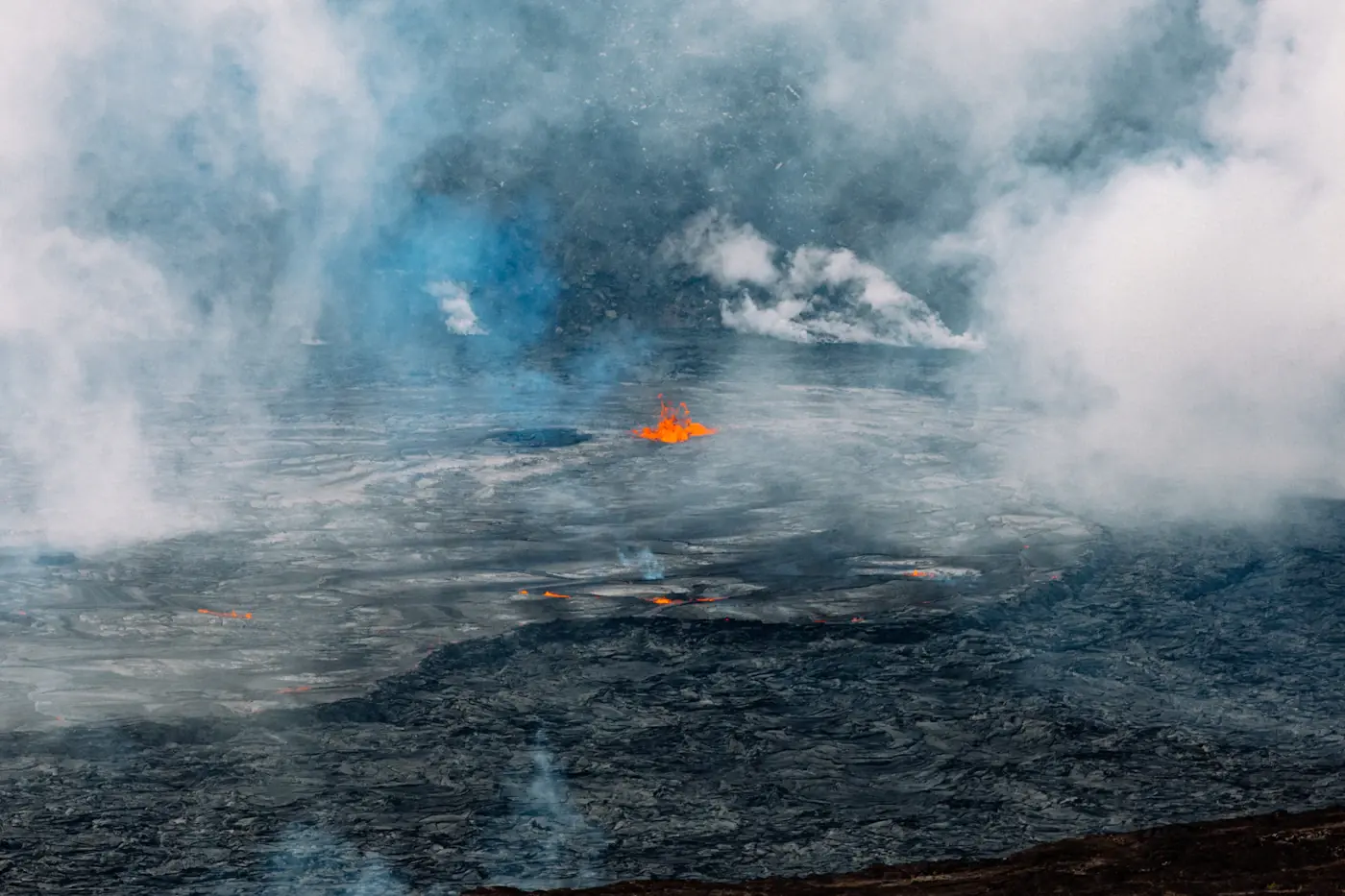
Hawaiʻi Volcanoes National Park offers ways to understand volcanic landscapes even when a particular eruption view is unavailable. Do not build the entire trip around seeing visible lava. Volcanic activity, access, viewing conditions, and safety guidance can change, and a dramatic photograph does not promise the same experience on your dates.
Use the National Park Service's current conditions and planning pages before your visit. Read alerts concerning roads, facilities, construction, air quality, and closures. Select activities that fit the conditions and your group's abilities. If a route or area is closed, treat that as the end of the decision rather than looking for an unofficial way around it.
Give interpretation time. A ranger program, exhibit, or carefully read sign can help you understand what the landscape records. Rather than chasing the most spectacular single view, ask how different features formed and how the place continues to change. That approach remains rewarding when weather obscures a distant scene or the itinerary needs adjustment.
Prepare for a different environment
Do not pack for a park visit as though it were another beach afternoon. Review the forecast and official recommendations for the specific activities you plan. Clothing, footwear, water, food, and lighting needs depend on the route and time of day. Carry what is required without assuming services will be available exactly when you need them.
Air quality deserves particular attention in a volcanic area. Follow official guidance and consider your own health needs with a qualified clinician when appropriate. This article cannot determine whether an outing is suitable for an individual. A person's ability to walk a distance does not answer every question about exposure, elevation, or environmental conditions.
Make an exit plan as well as an arrival plan. Decide how you will respond if someone becomes uncomfortable, visibility changes, or a closure affects your route. Keep the group together where appropriate and do not let the desire for a final photograph override fatigue. Ending a visit earlier than expected can be the most sensible way to preserve the rest of the trip.
Use coastal days to change the rhythm
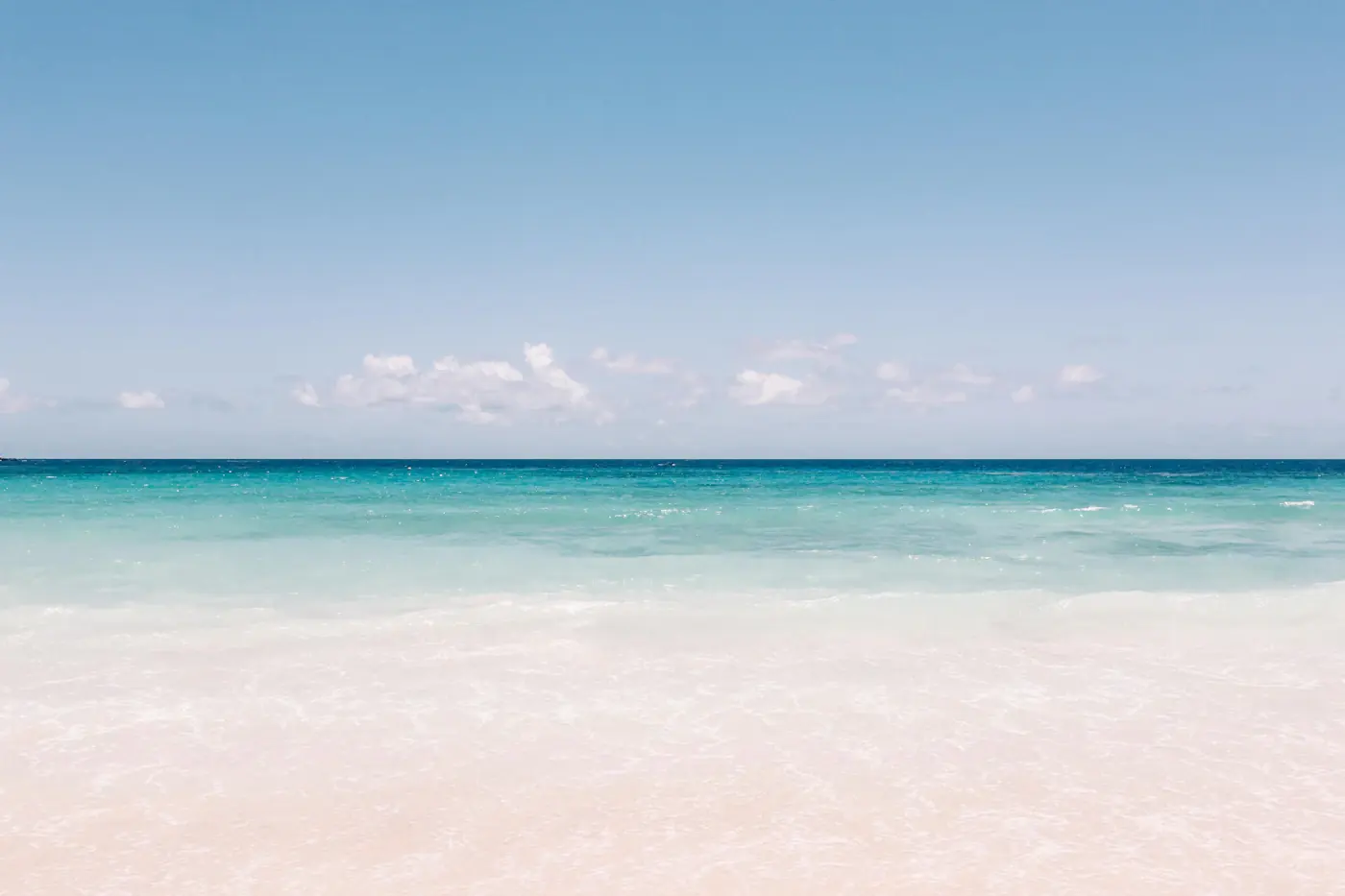
A coastal day can provide contrast after a demanding outing. Choose a place that fits the activities you want and the conditions at the time. Swimming, walking, sitting in shade, and watching the shore are different plans. Be honest about which one your group will enjoy rather than choosing a beach only because it is widely photographed.
Read warnings and seek lifeguard advice where available. Do not enter water beyond your ability, and do not assume an apparently sheltered spot is suitable. Ocean conditions can be unfamiliar to visitors even when the surface looks inviting. If the water is not appropriate, change the activity without treating the day as lost.
Respect wildlife, vegetation, and cultural places along the coast. Use established access, keep appropriate distances, and leave natural material where it belongs. A visit can be memorable without touching an animal or taking a stone. Observing carefully often reveals more than trying to create a close interaction.
Give cultural context its own space
The island is not only a collection of landscapes. Include a cultural or historical visit that helps you understand the place through Hawaiian perspectives. Research the institution or guide, read the current visitor arrangements, and arrive prepared to listen. A short visit can be valuable when it is approached with attention rather than used as a token stop between scenic activities.
Learn place names and make a careful attempt at pronunciation. Follow conduct requested at culturally significant sites and accept that some places are not available for casual access. Respect is not a performance of expertise. It is a willingness to follow guidance, ask appropriate questions, and recognize boundaries.
If you visit an agricultural operation or food producer, distinguish an actual educational visit from a retail stop. Ask what the experience includes, whether a reservation is needed, and how much time to allow. A thoughtful explanation of growing or processing can add depth to a food memory, but only if the visit is set up to provide it.
A hypothetical eight-night structure
Imagine travelers with eight nights who want several coastal afternoons and a meaningful national park visit. They divide the stay between a coast-oriented base and a second base closer to their volcano-country interests. Their first days include arrival recovery, one cultural outing, and beach time chosen according to current conditions. They do not begin with a major cross-island drive.
The move between bases has one modest stop and no fixed evening activity. The next full day centers on the national park, with the route selected after checking current guidance. Another day remains flexible for a different nearby interest, a weather adjustment, or more time in the park if appropriate. They avoid assuming that two days will produce a particular volcanic event.
Before departure, they choose whether to return toward their airport the previous day based on flight time and route. This illustrative structure is not a recommendation to use a specific airport combination or road. Its principle is simple: put nights near the experiences that justify them, and keep the final journey from becoming the trip's most stressful drive.
Do not let a summit become an automatic add-on
High-elevation outings involve considerations beyond ordinary sightseeing, including access rules, weather, vehicle restrictions, and individual health. Do not attach one to a long day merely because it appears on an island highlights list. Consult the responsible authorities and a suitable operator, and obtain individualized medical advice where relevant.
Be clear about the experience you want. Stargazing, learning about astronomy, and reaching a high point are not identical goals, and they may have different appropriate settings. Choose an option that fits your abilities, respect cultural guidance, and understand the cancellation process. An activity can be compelling without being suitable for every visitor.
If the practical requirements feel disproportionate to your interest, leave the outing out. The island does not need to be completed. A deliberate decision to enjoy a lower-key evening may improve the vacation more than adding a demanding experience because others describe it as essential.
Keep meals and supplies geographically sensible
Plan food around the day's area rather than crossing long distances for every recommendation. Identify a suitable breakfast, lunch, and backup option near your route, especially on outdoor days. Carry appropriate supplies and verify what facilities are available at the places you will visit. A beautiful itinerary becomes less enjoyable when meals repeatedly arrive too late.
If you have a kitchen, use it selectively. Simple breakfasts and picnic components may be enough. Shop according to the nights remaining in that base and the meals you actually expect to prepare. Large grocery purchases before a hotel move can create unnecessary waste and packing work.
For dietary restrictions, contact businesses directly and carry a clear explanation of your needs. Do not infer ingredients from a dish name or assume a rural stop can accommodate every request at short notice. Planning a few reliable options allows you to remain curious without depending on improvisation for every meal.
Review the route for avoidable pressure
Look at each day and identify its least flexible element. It might be a check-in time, a guided outing, a park reservation, or a flight. Build the rest of the day around that element with room to spare. If two inflexible elements compete, change one before departure rather than hoping that everything will align.
Then ask whether the itinerary contains enough time simply to inhabit a place. A coast watched for an hour, a meal without a departure deadline, or a second visit to a meaningful site can be the most lasting part of the trip. Hawaiʻi Island rewards scale in your planning and patience in your attention.
Pack by the next day's purpose
At each base, prepare for the specific activity you have actually confirmed rather than carrying every possible item through the entire trip. Review the responsible site's current instructions and your own requirements, then organize the essentials so they are easy to find. Keep important documents and necessary personal items available during any accommodation change instead of burying them among belongings you will not unpack until evening.
If you use two bases, write a short transition checklist: what must leave with you, what needs confirmation, and what can wait until arrival. Avoid adding a major excursion simply to make the transfer day look efficient. A successful change of base may consist of a straightforward journey, a suitable meal, and time to settle. Its value is the easier sequence of days that follows, not the number of attractions you manage to attach to the move itself.
Useful planning sources
Use Go Hawaii's island information for orientation, Hawaiʻi Volcanoes National Park conditions for current access and safety information, and the USGS Hawaiian Volcano Observatory for scientific updates. Verify individual activities with the responsible agency or operator. This guide does not predict volcanic activity, provide medical clearance, or guarantee any particular viewing opportunity.