TROPICAL-TRIBE
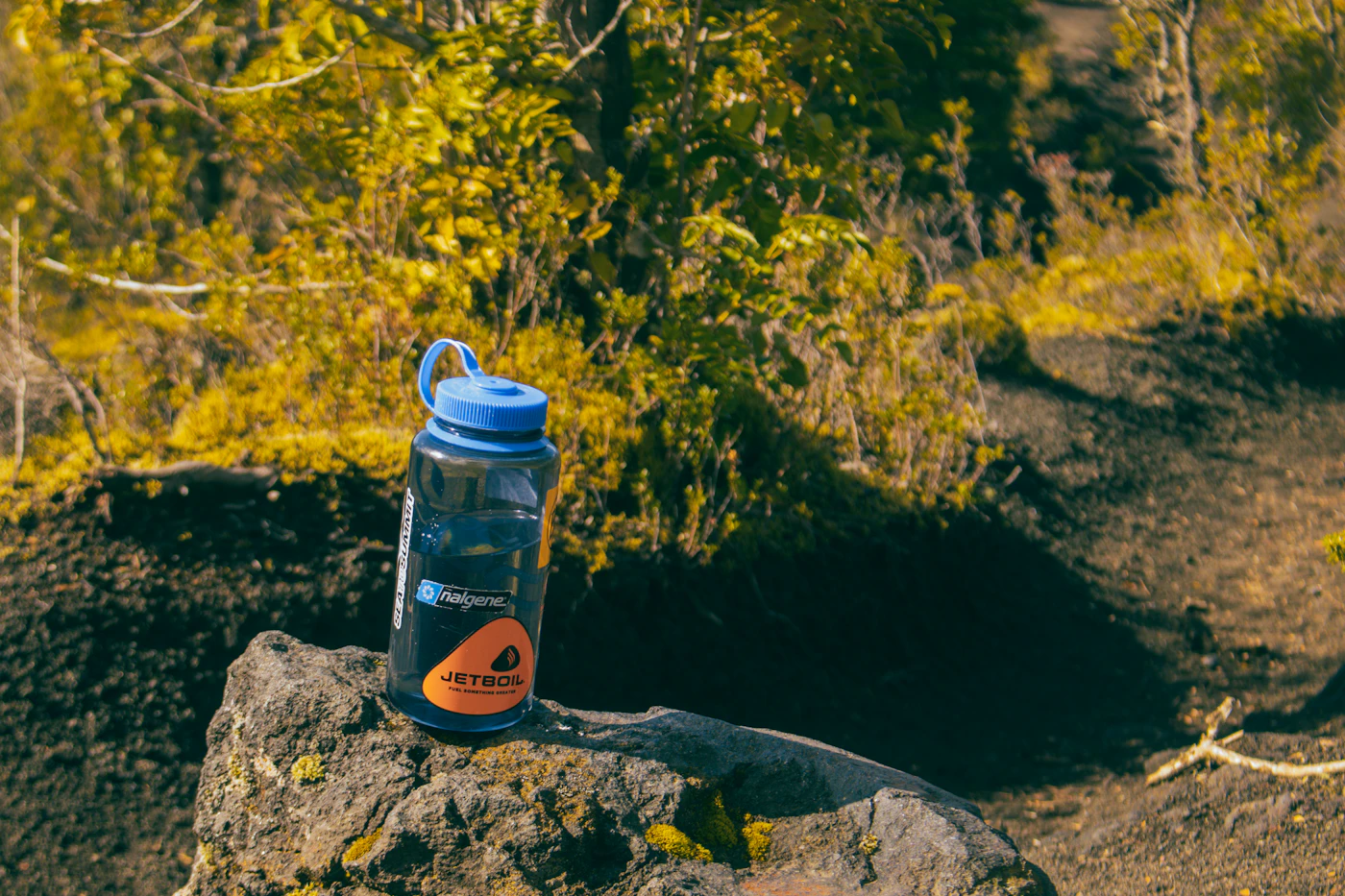
The trouble with many low-waste packing lists is that they begin with shopping. A traveler who wants to use fewer disposable items is encouraged to acquire a coordinated set of containers, utensils, bags, cups, and specialized accessories. Some may be useful. Others occupy luggage space while the familiar disposable item still appears at the moment of need. A better starting point is to understand where waste enters your particular trip and what would make an alternative convenient.
Think about repeated situations rather than an idealized zero-waste identity. You may buy breakfast while traveling, collect takeaway food after a late arrival, or need drinking water during outings. Each situation has a different practical requirement. A few reliable habits can address the recurring ones without turning your vacation into a complicated carrying exercise. The objective is a manageable reduction in unnecessary disposables, with attention to hygiene, accessibility, and the local systems you actually encounter.
Reconstruct one ordinary travel day
Walk mentally through departure morning. You finish a drink, travel to the airport, buy food, pass through security, wait, board, arrive, and reach accommodation. At which points do you usually accept something you use briefly and discard? List those moments without criticizing them. A disposable item can be the sensible choice in a particular situation, especially when alternatives are unavailable or unsuitable. The list simply identifies patterns you could change with modest preparation.
Now repeat the exercise for a destination day. Include breakfast, a beach outing, a snack, groceries, and an evening meal. You may discover that most of your avoidable waste comes from one recurring habit, such as accepting a separate bag for every small purchase. In that case, a bag you already own may matter more than a collection of travel gadgets. The most effective choice is often the one you will remember and use several times.
Mark each possible change as easy, uncertain, or impractical. Easy changes require little extra effort. Uncertain ones depend on a refill point, washing facilities, or a business accepting your container. Impractical ones conflict with the itinerary or your needs. Work first on the easy group. This keeps the plan grounded and leaves room to adapt rather than making success depend on conditions you cannot control.
Choose items by their entire daily journey
A reusable item needs somewhere to travel, somewhere to be used, and somewhere to be cleaned or stored afterward. A cup that fits poorly in your bag may be left in the room. A container with a difficult lid can become more trouble than it is worth. Before packing anything, imagine the moment after use. If you cannot identify a practical way to carry it until cleaning, reconsider whether it belongs on the trip.
Start with familiar objects. A washable bag, an existing bottle, or an ordinary lunch container may work perfectly well. Check their condition and suitability rather than buying a travel-branded substitute for its appearance. Avoid overpacking duplicates. Two people may need separate drinking vessels, but they may not need separate shopping bags for every outing. Shared equipment works best when someone clearly takes responsibility for carrying and cleaning it.
Do a short home trial. Pack the day bag as you would for the trip, add your normal essentials, and carry it through a routine errand. Notice awkward shapes, leakage concerns, inaccessible pockets, and unnecessary weight. This rehearsal reveals whether the proposed alternative is genuinely convenient. It is easier to change the plan at home than to discover on a hot afternoon that your carefully prepared kit is too cumbersome to take outside.
Plan drinking water without assumptions
Whether a refillable bottle is useful depends on access to water suitable for drinking. Ask accommodation providers what they offer and consult reliable local information when traveling somewhere unfamiliar. Do not assume that a decorative fountain, restroom tap, or unlabeled dispenser is appropriate. A bottle is a container, not a treatment system. If safe refill arrangements are uncertain, prioritize suitable drinking water and adjust the waste-reduction plan accordingly.
For transport days, check the current rules of the airport, carrier, or security authority that applies to your route. Do not build your entire plan around a remembered rule from another country. An empty bottle may be useful after screening where permitted and where suitable refill points exist, but the practical details should be verified. Keep enough time to locate the facilities rather than turning a refill into a last-minute dash before boarding.
At the destination, integrate refilling into a routine you already have. Refill when leaving the room or returning for lunch, and clean the bottle according to its instructions. Avoid carrying more than you can comfortably manage simply to preserve an ambitious waste target. The useful habit is reliable access and regular care. If you need to purchase packaged water, dispose of the packaging through the local system rather than guessing that any nearby bin accepts it.
Make takeaway choices before the counter
Small requests are easier for businesses to accommodate when made before an order is packed. If you do not need cutlery, napkins, or a bag, say so while ordering. Once food is sealed and handed over, removing items may not make them reusable by the business. Keep the request simple and accept the answer. Staff may have food-safety procedures, service constraints, or packaging requirements that are not visible from the customer side.
If you hope to use your own container, ask first whether the business accepts it. Do not place it on preparation surfaces or expect staff to interrupt a busy service to negotiate a custom arrangement. A seated meal may sometimes be the easier way to avoid takeaway packaging, but only if it fits your schedule and the restaurant’s service model. The aim is to reduce waste without creating unnecessary conflict or disregarding hygiene practices.
Order quantities with the next few hours in mind. An oversized takeaway meal can create both food waste and a carrying problem when you have no suitable storage. Sharing may work if everyone agrees and the format allows it. Otherwise, order an amount that matches appetite and ask about portion sizes when needed. Waste prevention often begins with the purchase decision rather than the material used to package it.
Give the accommodation a simple role
Your room can become a small reset point for reusable items. Identify a suitable place to wash and dry them, following the accommodation’s rules and the items’ care instructions. Keep clean and used items separate. If the room lacks practical washing facilities, simplify the kit instead of improvising a system that leaves damp objects scattered around. A plan that depends on an elaborate nightly cleaning routine may not survive a busy travel week.
Ask where waste belongs and what is separated locally. Labels, colors, and accepted materials vary, so do not assume the arrangement matches home. If the property provides instructions, follow them even when they differ from your expectations. If information is unclear, ask the host or staff. Placing an item in a recycling container without knowing whether it is accepted does not guarantee a useful outcome and can create additional sorting work.
For a shared rental, agree on a modest common system. One person can locate disposal information while another checks the kitchen supplies. Avoid buying a large package of products that cannot reasonably be used during the stay. Before departure, follow the host’s directions for leftovers and unopened goods rather than assuming everything can be donated or left behind. The most respectful exit leaves the property with clear, manageable responsibilities.
A hypothetical week with three small changes
Imagine a traveler spending a week in a coastal town. On previous trips, she frequently accepted shopping bags, bought a fresh drink in a disposable cup while walking, and collected cutlery with takeaway dinners. Instead of assembling a large kit, she packs a folding bag she already uses, a familiar bottle, and one utensil suitable for the meals she expects. She confirms that the guesthouse provides suitable refill water and a place to clean her items.
Her first change is placing the bag inside the pocket where she keeps her room key. That makes it visible whenever she leaves. Her second is refilling the bottle before the morning outing rather than relying on remembering later. Her third is ordering takeaway meals with a clear request to omit cutlery when she will eat back at the guesthouse. Each change attaches to an existing action, so none requires a separate daily planning session.
Not every situation works. One lunch comes in packaging she cannot avoid, and a long excursion requires buying additional water. She handles those circumstances without abandoning the habits that remain useful. At the end of the week, she knows which alternatives she actually used and which item stayed in the bag. That evidence is more valuable for future travel than a claim that the entire trip produced no waste.
Avoid transferring inconvenience to other people
A personal waste-reduction goal should not require companions, guides, or service workers to reorganize every activity. Explain your preferences where helpful, carry your own items, and take responsibility for cleaning them. If a group meal has already been arranged, make requests early enough for the organizer to consider them. Last-minute changes can create extra packaging or food waste rather than reducing it.
Respect accessibility needs and different practical priorities. Some travelers rely on specific packaging, disposable products, or convenient food arrangements for reasons they may not wish to explain. A reusable alternative that is easy for one person can be difficult for another. Share useful information without turning the trip into a comparison of virtue. A group is more likely to adopt practical changes when the conversation remains welcoming and specific.
Likewise, do not photograph or criticize local waste infrastructure as a backdrop for your own responsible-travel story. Learn the system, use it correctly, and report a problem through an appropriate channel when necessary. Travelers see only a limited part of the destination’s operations. Humility helps keep a reasonable personal habit from becoming an unfair judgment about the people managing a complex public service.
Pack the return journey while you are still using things
The last day often defeats an otherwise workable plan. Containers remain wet, food purchases exceed the remaining time, and reusable items disappear into different bags. Start preparing a little earlier. Finish suitable perishables within safe storage limits, clean equipment you will not need again, and identify what must remain accessible during transit. Avoid a final shopping round that creates more packaging and leftovers than you can manage.
Check transport restrictions before carrying food, plant materials, liquids, or other regulated items across borders. Waste prevention does not justify bypassing agricultural or security requirements. If something cannot travel, follow the local disposal or return instructions rather than hiding it in luggage. The best preventive measure is often buying a smaller amount earlier in the trip and choosing souvenirs that are suitable for the journey home.
Back home, unpack reusable items promptly and assess the plan while the details remain clear. Which object earned its place? Which habit failed because the arrangement was inconvenient? Remove unused equipment from the next packing list instead of responding by buying a more specialized version. Over time, a small dependable kit and a few well-timed requests can become an ordinary part of travel rather than a separate project requiring constant attention.
Keep a small exception plan
Decide in advance how you will respond when the preferred alternative is unavailable. A broken bottle, an unexpected delay, or a business policy can change the day. Use a suitable available option, manage its disposal correctly, and return to the routine at the next practical opportunity. This prevents a single exception from turning into either unnecessary stress or a reason to abandon the entire plan. The same approach helps when traveling with others: agree on the ordinary habit, allow sensible exceptions, and avoid asking anyone to justify a need in public. A resilient routine can accommodate imperfect conditions because it was designed for real travel rather than an ideal photograph of neatly arranged equipment.
Define progress in actions you can repeat
Choose a practical measure such as remembering your bag, making suitable refill arrangements, or declining unneeded extras when ordering. You do not need to count every wrapper or assign an environmental score to the vacation. Repeated actions are useful because they reveal whether the plan fits daily life. If a habit requires continual effort and rarely works, redesign it around a simpler decision or accept that another change will have more value.
The strongest low-waste travel routine usually looks unremarkable. A bag is already in the daypack. A meal is ordered in an appropriate quantity. A bottle is cleaned and refilled where suitable water is available. These ordinary decisions can reduce unnecessary disposables without dominating the experience. They also leave attention available for the place you came to visit, which is a good sign that the plan has found a realistic scale.