TROPICAL-TRIBE
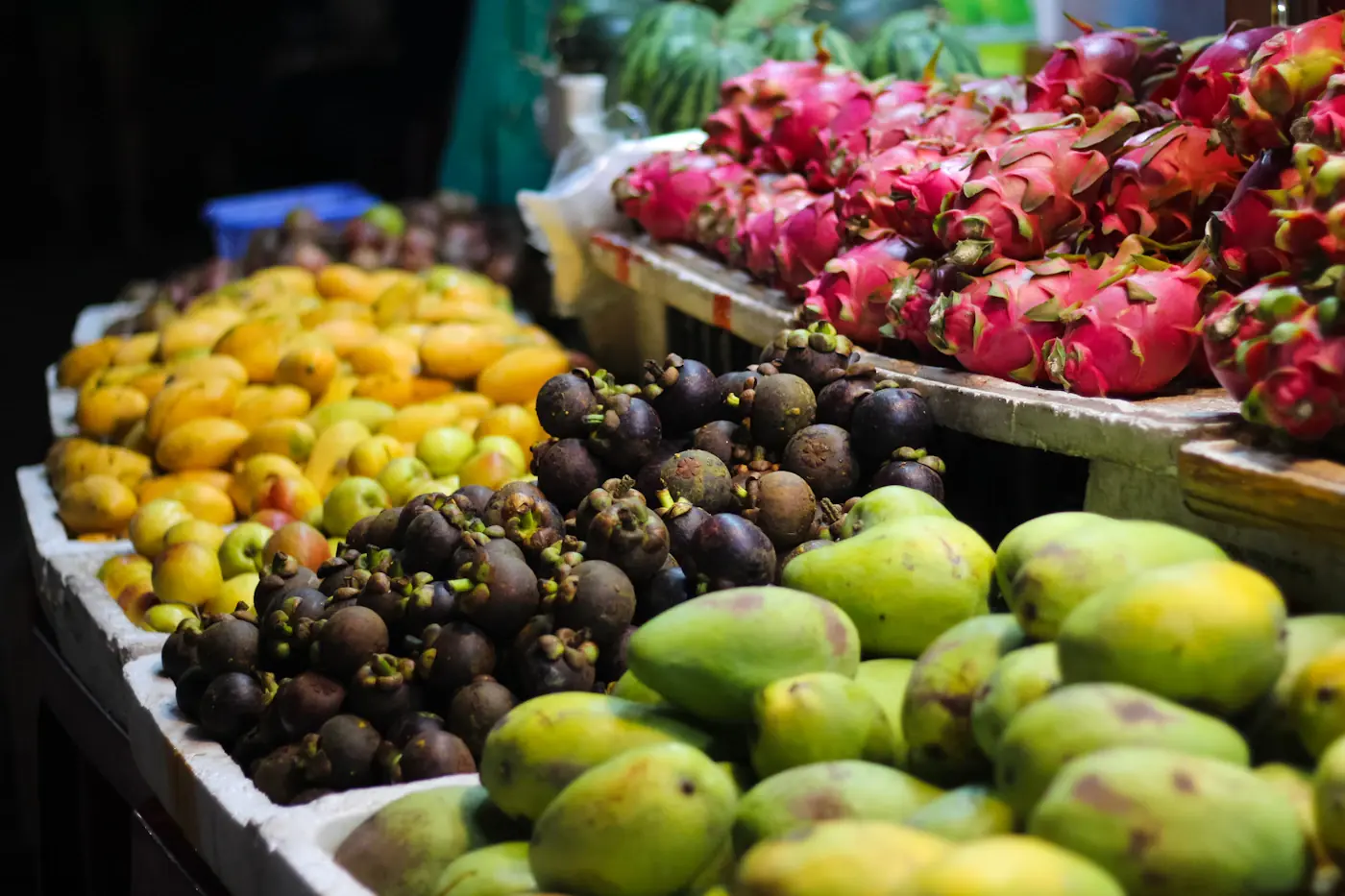
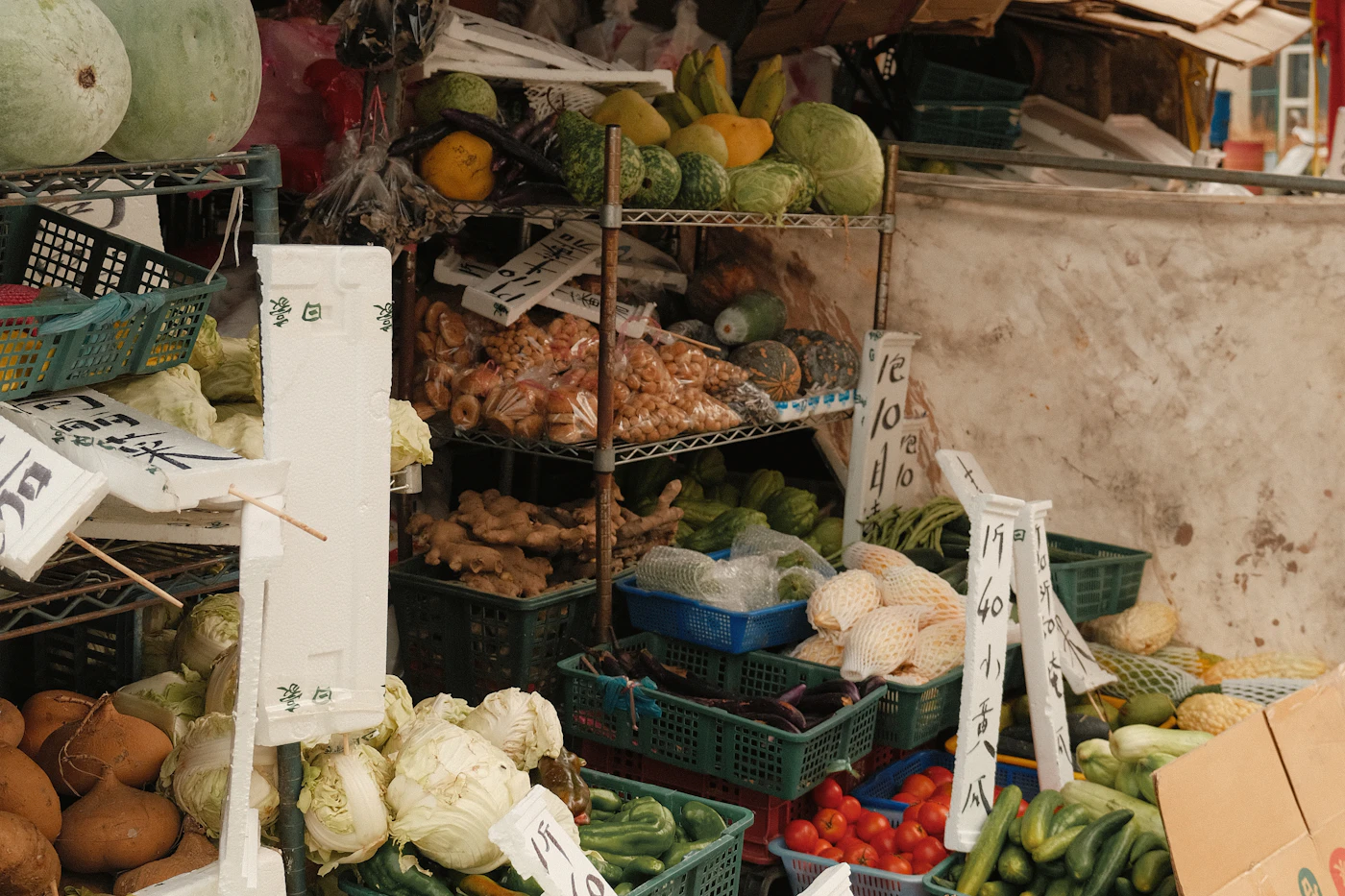
A market visit can change the way a place feels. Instead of moving only between attractions, you notice what people are buying, how stalls are arranged, and which ingredients invite a second look. Cooking something afterward can extend that attention into the evening. Yet the appealing idea of a market-to-table meal can become frustrating if the shopping happens before you understand the kitchen or the ingredients.
The most useful approach is modest. Choose a meal that your temporary kitchen can support, leave room for one discovery, and keep the rest familiar enough to handle confidently. You do not need to recreate a regional specialty after a single shopping trip. Nor does purchasing from a market automatically make a meal more authentic, sustainable, or connected to local producers. Those claims require information beyond the setting.
What you can do is shop thoughtfully, ask respectful questions, and cook a meal that reflects what you actually learned. The reward is a more attentive evening, with practical knowledge you may bring home. This guide focuses on that manageable process rather than on a particular destination or recipe.
Inspect the rental kitchen first
Before planning the market visit, check the tools available. Look for a usable knife, a cutting board, a pan suited to your intended cooking, and enough dishes for the group. Confirm how the stove and refrigerator operate. A kitchen may be described as equipped while lacking the particular tool your imagined dinner requires.
Notice less obvious constraints. A tiny refrigerator limits how much perishable food you can buy. A poorly placed outlet can make several small appliances difficult to use together. A narrow sink may be awkward for washing large produce. These details do not prevent a good meal, but they should shape it. Choose a preparation that belongs in the kitchen you have, not the one you wish were waiting.
Check the property's rules and any local requirements relevant to cooking or waste. If the equipment is damaged or unfamiliar, ask the property contact for guidance. Avoid solving an inconvenience with an unsafe improvisation. The point of vacation cooking is to add enjoyment, and a flexible menu protects that goal when the practical setting turns out differently from the listing.
Choose a meal structure before choosing ingredients
Decide on a broad form: a simple vegetable-led supper, a composed plate with a familiar staple, or a small shared meal built around a few separately served items. This gives the market visit direction without locking you into a specific ingredient. You can then look for produce that fits the structure rather than buying attractive items with no relationship to one another.
Keep the number of cooking processes limited. One main preparation plus a simple accompaniment is often enough in a rental kitchen. If every purchase requires a different pan, technique, and timing, the evening becomes a project. Reserve that level of ambition for a trip specifically organized around cooking, with suitable equipment and interested participants.
Think about the rest of the day's schedule. A market visit before a long excursion creates a transport and storage problem, while a visit followed by a direct return to the kitchen may be straightforward. The meal should fit the day rather than quietly taking it over. Sometimes the better choice is to buy a small ready-to-eat item from an appropriate vendor and leave a full cooking session for another occasion.
Set a boundary for discovery
Choose one unfamiliar ingredient or technique to explore, not an entire meal of unknowns. This keeps curiosity enjoyable and gives you enough attention to learn what the new item requires. The other components can remain familiar, providing a stable meal even if your first encounter with the discovery is less successful than expected.
Ask yourself what you need to know before purchasing. Is the item eaten raw or cooked? Which parts are normally used? How is it stored? What preparation method would be suitable for a beginner with basic equipment? If you cannot obtain reliable information, you can appreciate the ingredient without taking it home. Looking and asking are legitimate parts of a market visit.
Do not use visual resemblance as a safety guide. An unfamiliar plant, fruit, or other food may require handling you would not infer from appearance. Consult a knowledgeable seller and reliable guidance appropriate to the item. When uncertainty remains, choose a familiar alternative. A vacation dinner does not need a risky experiment to feel connected to the place.
Ask questions that respect the seller's work
Keep questions concise and relevant, especially when the stall is busy. Asking how a particular ingredient is commonly prepared may lead to a useful exchange. Asking the seller to provide a lengthy cultural history while customers wait is a different demand. Read the situation and be willing to return during a quieter moment if you want a longer conversation.
Be clear about your constraints. “I have one saucepan and a small stove; is this something I can prepare simply?” is more useful than asking for the best item in the market. Specific questions help the seller offer practical information and reduce the chance that you buy something unsuitable merely because it sounds appealing.
Avoid assuming that every vendor grew or made everything they sell. If origin matters to your choice, ask politely and accept the answer without turning the interaction into an interrogation. Markets can include producers, retailers, and mixed businesses. Understanding that variety allows you to appreciate the market as it is rather than forcing it into a romantic story.
Buy in portions that match the stay
The temptation to buy generously is strong when displays are attractive and quantities seem convenient. Pause before each addition and ask which meal will use it. A short vacation has a limited number of cooking opportunities, and luggage rarely provides a sensible solution for leftover perishables. A smaller, complete plan usually produces a better experience than a broad collection of possibilities.
Consider usable portions as well as purchase size. Some ingredients include substantial peel, pits, or other parts you will not serve. Others may be difficult to divide or store once opened. Ask about appropriate quantities when needed, and avoid treating a large package as a bargain if most of it will remain unused at checkout.
Leave room in the budget for familiar supporting items. A meal may need a staple, a simple seasoning, or a suitable cooking ingredient not available at the market. Buying the entire budget's worth of beautiful produce and then discovering missing basics can make dinner more expensive and complicated than expected. The complete meal, not the market bag, is the relevant unit of planning.
Make the trip home part of the purchase
Plan transport before buying perishable food. Distance, weather, and the time spent at other stops all matter. Use an appropriate means of keeping foods at required temperatures and return them to proper storage promptly. Do not let an appealing market purchase spend the afternoon in a warm vehicle while the sightseeing schedule continues.
Pack items to prevent damage and unwanted contact. Delicate fruit should not sit beneath heavy containers, and foods requiring separation should be handled accordingly. Bring suitable bags or containers where practical and follow the market's rules. A little thought at the point of purchase can prevent waste before cooking even begins.
Once back, unpack before relaxing into another activity. Check the meal plan against what you actually bought and put ingredients where they belong. If the market led to a change, revise the cooking sequence now. This small transition turns a bag of purchases into a workable dinner and keeps the evening from beginning with a frantic search through unfamiliar ingredients.
An illustrative supper after a morning market
Imagine two travelers staying in a small apartment with a reliable stove, one good pan, and limited counter space. They decide on a vegetable-led supper with a familiar grain or bread alongside it. At the market, they choose two vegetables they know how to prepare and ask about one unfamiliar herb. They buy the herb only after confirming a simple culinary use and suitable handling.
The travelers return directly to the apartment, store the food appropriately, and go out for the afternoon with dinner already bounded. Later, one person prepares the familiar accompaniment while the other handles the vegetables using a method they know. The herb appears as a modest accent rather than becoming the basis of an untested elaborate sauce.
At the table, they describe the meal honestly: a simple supper shaped by that day's purchases and one useful conversation. They do not call it a definitive regional dish or a farm-to-table experience without evidence. The evening still feels connected to the trip because attention, choice, and a little learning have entered an ordinary meal.
Keep cooking adaptable but disciplined
Improvisation works better when the cooking method is familiar. You can adjust which suitable vegetables appear in a preparation you understand, while still following safe handling and cooking requirements. If a new ingredient changes those requirements, consult an appropriate recipe or source rather than assuming that similar appearance means identical behavior.
Prepare the workspace before turning on heat. Rental kitchens often lack the extra surfaces and utensils you rely on at home, so discover those gaps early. Set out serving dishes, identify where hot cookware will safely rest, and keep the sink usable. A modest meal can become stressful if every step requires rearranging the room.
Stop adding elements once the meal is coherent. The market may have suggested many possibilities, but dinner does not need to express all of them. One well-considered accent can communicate curiosity more clearly than several competing unfamiliar flavors. Save other ideas in a note for a future meal instead of forcing them into the current one.
If several travelers are cooking together, divide the work by clear stages rather than letting everyone reach for the same counter. One person can organize the table while another prepares ingredients, then they can exchange roles if needed. A compact rental kitchen rewards cooperation that acknowledges its limits. It does not need to accommodate everyone's full home cooking routine simultaneously for the shared meal to feel collaborative.
Describe what you learned without overstating it
If you share the meal with friends or write about it afterward, distinguish observation from inference. You can say a seller recommended a preparation or that you enjoyed a particular ingredient. You should not turn that encounter into a broad claim about how an entire community eats. A single market visit offers a glimpse, not comprehensive authority.
Credit specific sources when you use their recipes or explanations. A recipe author's work remains valuable even when you adapt the meal to a rental kitchen. Naming the inspiration is more informative than describing every combination as your own discovery. At the same time, be clear about changes so you do not imply that the adapted result exactly represents the original recipe.
Keep photographs respectful. Ask permission before making someone the focus of an image, follow market rules, and avoid blocking business for a shot. Ingredient photos can be useful memory aids without turning people into scenery. The meal's story becomes richer when it preserves the dignity of the people whose work made it possible.
Know when the better meal is outside the kitchen
Sometimes the market reveals that cooking is not the best use of the day. The available food may require equipment you lack, the weather may make transport awkward, or the group may be tired after a long journey. Changing the plan does not waste the visit. You have still observed the market and learned something about the ingredients being sold.
You can choose a suitable prepared meal from a business that meets your needs, eat elsewhere, or return another day with a clearer plan. Avoid buying food merely to justify the time already spent shopping. That pressure can turn curiosity into obligation. A flexible traveler recognizes that the original idea was a means to a satisfying experience, not a promise that must be fulfilled regardless of conditions.
If you postpone cooking, keep a short note of the ingredient or question that interested you. A future visit or a reliable recipe at home may offer a better setting for exploration. Learning can continue after the trip without requiring every discovery to become dinner immediately.
End with a realistic plan for what remains
Look at leftovers and unused ingredients before the next shopping trip. Decide which have a safe, practical place in another meal and which purchases should be smaller next time. Follow appropriate storage guidance and the property's checkout rules. Do not assume that leaving food for a host or future guest is automatically welcome.
Record the useful discovery in a compact form: the ingredient's verified name, how you prepared it, what you would change, and where you obtained reliable guidance. This note can help you explore the idea at home without relying on a fading memory. It also keeps uncertainty visible when you did not fully identify something.
For general handling, consult USDA food-safety resources and the FDA's produce guidance. A successful market-to-table evening is not measured by how unfamiliar the food was. It is measured by whether the shopping, cooking, and meal formed a thoughtful, manageable part of the trip.