TROPICAL-TRIBE
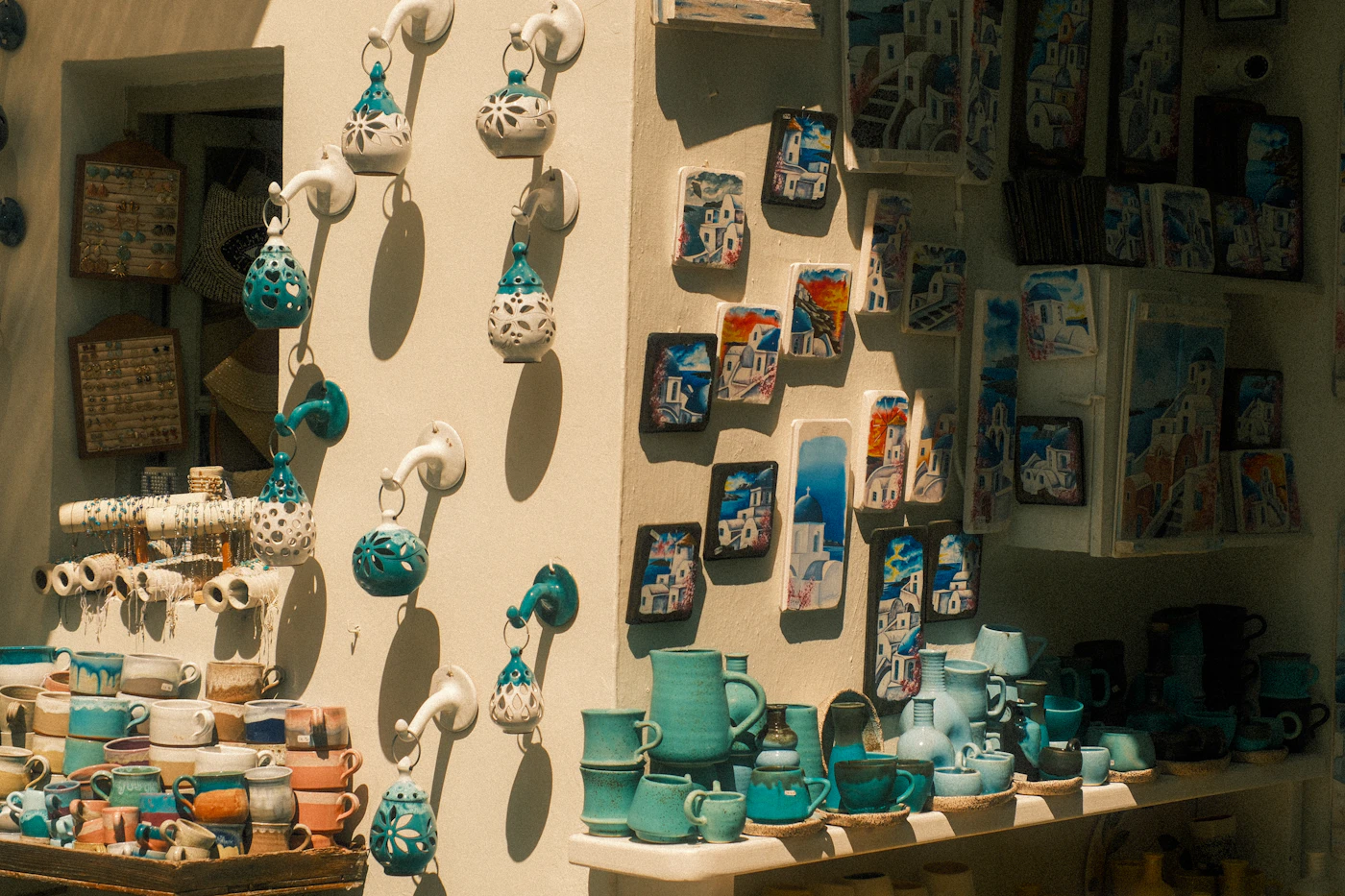
The most satisfying souvenir is not always the object that looks most distinctive in a shop. It may be a cup you use every morning, a small print that fits a familiar wall, or a notebook containing details you noticed during the trip. Its value comes partly from the connection between the place you visited and the life you return to.
Choosing thoughtfully does not require buying something expensive, handmade, or rare. It requires pausing long enough to ask what the object will become once the holiday setting disappears. Will you use it, display it, give it to someone who wants it, or keep it in a drawer because discarding it feels disloyal to the memory? A few practical questions can help you bring home less while preserving more of what mattered.
Decide whether you want an object at all
Before browsing, consider the kind of memory you want to keep. A photograph, a written scene, a recipe you can legally and respectfully learn from an appropriate source, or a playlist of music you encountered may serve the purpose. The memory does not become more authentic because it has weight in your luggage.
If you do want an object, identify a place for it in your ordinary life. You might enjoy a small item used at breakfast, a book connected to a subject that interested you, or a piece of art for a specific room. A clear role narrows the search and helps you distinguish genuine interest from the atmosphere of the shop.
It is also acceptable to return without a souvenir. You do not owe the trip a purchase, and the absence of an object does not mean you failed to appreciate the place. Sometimes the best result of browsing is a conversation, an observation, or a better understanding of what is made and sold locally. Let the experience remain worthwhile even when you buy nothing.
Look for a connection more specific than the place name
An object can connect to a particular day, person, material, or experience. A bowl might remind you of a meal you enjoyed. A print may show a street you walked rather than a landmark you only passed. A book might deepen a question that arose during a museum visit. These connections give the item a story that remains meaningful after the destination's name becomes less vivid.
Do not force a connection simply because an item is marketed as local. Ask what you actually like about it. The color, function, design, or maker's explanation may matter more than a generic claim of authenticity. A modest, clearly described object can be more satisfying than an impressive purchase whose story you do not understand.
Be careful with cultural meanings you cannot verify. Some designs, symbols, or objects may have contexts beyond decoration. When appropriate, ask the seller or maker respectful questions and consult reliable local cultural sources. If the explanation is unclear or the use feels uncomfortable, choose something else. You can appreciate a tradition without assuming every object associated with it is yours to reinterpret.
Ask questions that help you understand the item
Useful questions are straightforward: who made it, where it was made, what material it uses, and how it should be cared for. Ask with curiosity rather than treating the conversation as an interrogation. A seller may know the answers or may explain the limits of their knowledge. Clear information is more useful than a romantic story that cannot be checked.
Distinguish design, manufacture, and retail location. An item designed locally may be produced elsewhere; a local shop may sell goods from many regions. These facts do not automatically determine whether you should buy it, but they help you make an informed choice. If supporting a particular kind of work matters to you, ask specifically about that rather than relying on broad labels.
Avoid pressuring a maker to provide a personal story for your purchase. Their work can be valuable without a dramatic biography. Respect photography rules, workshop boundaries, and the time required for conversation. If you want to share the item publicly, record names and descriptions accurately when permission is appropriate. A thoughtful purchase includes how you behave during the exchange.
Test the souvenir against your home
Imagine the object in its intended setting. Consider size, color, storage, care, and whether it suits the way you actually live. A large serving piece may be beautiful but inconvenient in a small kitchen. A delicate textile may require maintenance you will not enjoy. The question is not whether the item is good; it is whether it belongs with you.
For decorative items, identify a real location rather than a vague future space. If you cannot picture where it will go, pause before buying. You may still decide to make room, but that should be a conscious choice. An object purchased because the shop display was appealing may not have the same effect when placed among unrelated things at home.
For useful items, think through an ordinary week. Will you reach for the cup, wear the accessory, or use the notebook? Familiar use can strengthen the connection to the trip over time. A souvenir does not need to be protected from everyday life to remain special. In many cases, the repeated small encounter is exactly what makes it valuable.
Set a budget before the most persuasive shop
Decide roughly how much you are comfortable spending on souvenirs and gifts before you are absorbed in a particular display. The budget can be flexible, but it should exist. Include the practical costs of carrying, shipping, framing, or caring for an item when those apply. The purchase price may not be the whole cost of bringing something into your life.
Give yourself a pause for larger purchases. Walk away, eat lunch, or return the next day if circumstances allow. Notice whether you still want the item outside the atmosphere of the shop. A genuine preference can survive a little distance, while an impulse often fades. If the item is unique and may sell, weigh that possibility against the risk of a decision you do not feel ready to make.
Do not turn bargaining into entertainment at someone else's expense. Follow local norms only when you understand them, and remain respectful of stated prices and the labor involved. You can decide that something is beyond your budget without insisting that the seller make it affordable. Leaving politely is a normal and useful part of shopping.
Give gifts according to the recipient's life
The best travel gift considers the person receiving it, not just the place you visited. Think about their interests, available space, dietary needs, and preferences. A small, useful item may be more welcome than a large decorative object chosen because it looked impressive. Avoid giving someone a maintenance obligation disguised as a memory of your holiday.
If you are unsure, choose something modest or ask before buying. Surprise is not the only form of generosity. A postcard with a thoughtful message can carry more personal value than an object the recipient feels obliged to display. You can also share a photograph or invite them to a meal inspired by the trip without claiming that your version represents a whole cuisine or culture.
Keep gift expectations manageable. You do not need to purchase something for every acquaintance, and you should not spend the final day searching under pressure. Make a short list early if gift-giving is part of your plan. This leaves more room to notice a genuinely suitable item and less reason to buy several interchangeable things simply to complete a checklist.
Respect rules about what can travel
Before buying food, plants, animal products, or other potentially regulated goods, check the current official customs and import guidance for your route and destination. Rules depend on the item and where it comes from, and they can change. A seller's assurance that something is easy to carry is not a substitute for the relevant authority's information.
Do not collect shells, coral, plants, stones, or other natural material merely because it appears abundant. Local rules and ecological considerations may prohibit or discourage removal. Choose photographs, notes, or appropriately sourced items instead, and follow the requirements of parks and protected areas. A memory of a place should not depend on taking part of it away without permission.
For valuable or culturally significant objects, verify provenance and any export requirements through appropriate official channels before purchasing. If you cannot establish that an item can be bought and transported legitimately, leave it. This is a practical boundary that protects both you and the place you are visiting. The desire for a distinctive souvenir does not justify uncertainty about its origin or status.
Plan the journey home before paying
Consider how the item will fit in your luggage and whether it can tolerate the journey. Fragile objects may need protection that occupies more space than the item itself. Heavy purchases can make moving between accommodations difficult. Check the baggage rules for your actual carrier and route rather than relying on assumptions from previous trips.
If shipping is an option, understand the full cost, expected process, insurance choices if relevant, and what happens if the item is damaged or does not arrive. Keep receipts and written details. Do not accept a vague promise when the purchase is significant to you. A souvenir should not leave you with an unresolved administrative problem that outlasts the pleasure of choosing it.
For small items, resist the idea that portability makes every purchase harmless. Several inexpensive objects can still create clutter and exceed your intended budget. Place potential purchases together before packing if possible. Seeing the collection as a whole can reveal duplicates or items that do not have a clear purpose once the excitement of browsing has passed.
A worked example: one object with a clear role
Imagine a traveler who enjoys morning tea and has limited storage at home. During a coastal trip, they see several attractive items: a large woven basket, a printed T-shirt, a ceramic cup, and a decorative sign. They like the basket but cannot identify a place for it. The shirt does not fit comfortably, and the sign appeals mainly because of the shop's display.
They return to the cup after lunch. The seller provides clear information about its maker and care, and the traveler checks that it is appropriate for the use they intend. It fits their budget and can be packed securely. They buy that one item and write a short note about the day it was chosen. The details in this example are hypothetical and illustrate a decision process, not a recommendation of a particular shop or product.
At home, the cup enters the morning routine. Its connection to the trip is renewed through use rather than maintained by being set apart. The traveler has not chosen the most dramatic souvenir. They have chosen one that links a specific experience with an existing part of their life, which makes the memory easier to revisit.
Keep the story without overloading the object
Write down a few details soon after the purchase: the place, date, maker if known, and why you chose it. Keep receipts and care information separately when useful. This record can preserve facts that might otherwise become vague. It also prevents you from unintentionally embellishing the story over time.
When giving a souvenir, share the relevant connection briefly. The recipient does not need a long explanation to prove the gift's significance. Allow them to use or display it in their own way. Once given, the object belongs to their life rather than remaining a test of how much they value your travel experience.
You may eventually outgrow a souvenir. That does not erase the trip or make the original choice foolish. If an item no longer serves you, consider an appropriate way to pass it on while keeping a photograph or note if you want the memory. Meaning can remain even when ownership changes. The aim is a thoughtful relationship with objects, not a permanent obligation to retain everything associated with a good day.
The next time you browse while traveling, let the question be simple: what would make this item welcome at home? A clear answer can guide you toward something useful, beautiful, or personally resonant. No answer may guide you out of the shop empty-handed. Both outcomes can be good choices, and both leave the larger experience of the trip intact.
Official information for the journey home
For current U.S. requirements concerning food, plants, and related souvenirs, consult USDA APHIS guidance for travelers before purchasing or packing. Check the rules for your exact item and route, and follow declaration requirements. Keep this practical check separate from the appeal of the object itself: a beautiful or commercially packaged item is not automatically permitted to enter another jurisdiction.