TROPICAL-TRIBE
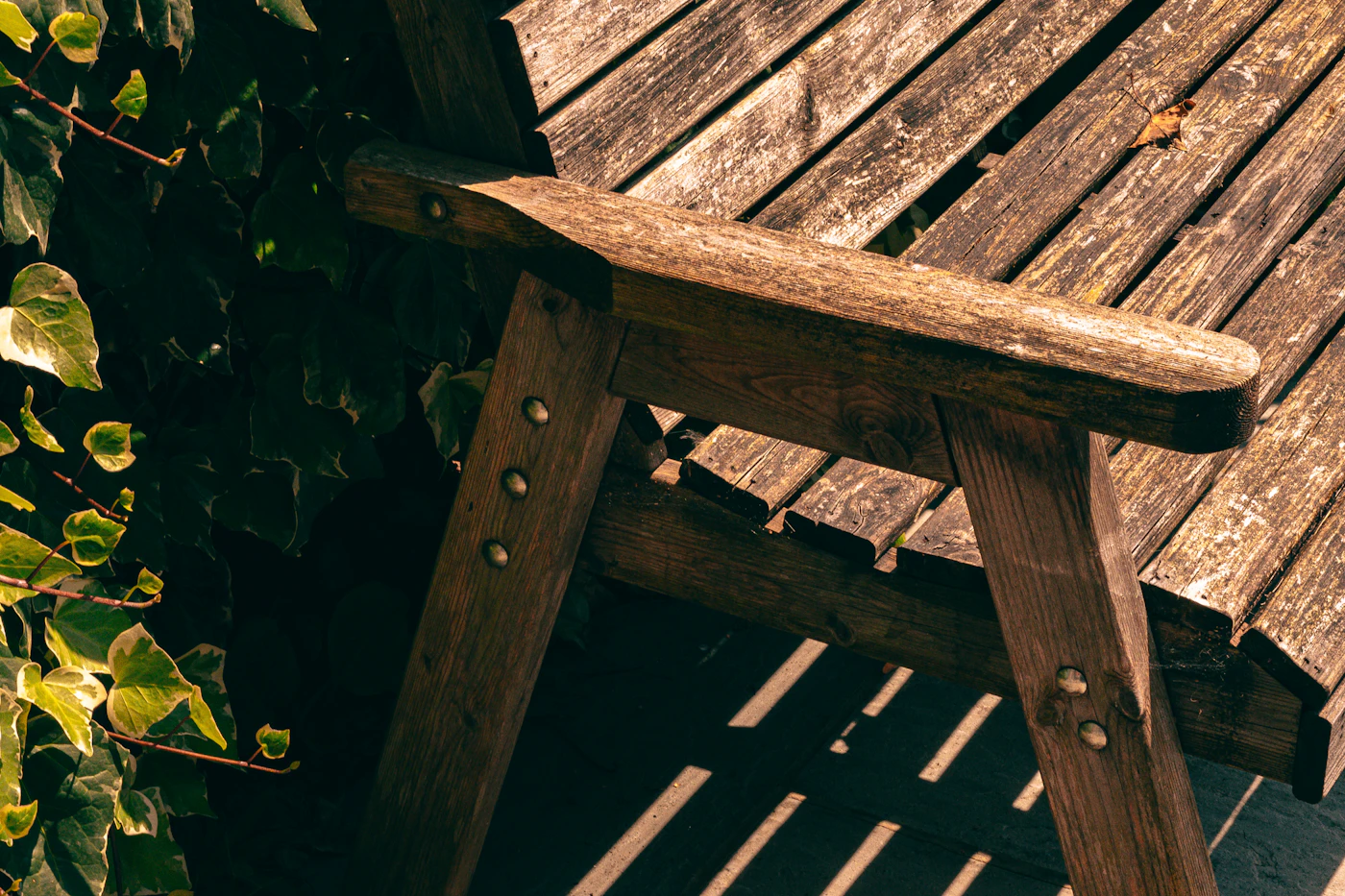
Patio furniture is often arranged around the shape of the paving rather than the people who will use it. Chairs line the perimeter, a table occupies the middle, and conversation requires everyone to lean forward or raise their voice. The layout may look symmetrical from indoors while feeling disconnected once a group sits down.
A conversation-focused patio begins with a different question: how can a few people sit comfortably enough to listen, speak, and remain together without constant rearrangement? Shade, useful surfaces, clear routes, and the direction of seating all contribute. Tropical atmosphere can come from greenery and warm materials, but the social experience depends on the arrangement underneath those details.
Describe the gathering you actually host
Think about the most common use, not the largest party you can imagine. Perhaps two people share coffee most mornings, four friends visit on weekends, or the patio becomes a family space after dinner. A layout designed only for an occasional large gathering may feel empty or awkward during ordinary use.
List the activities that need to coexist. Conversation may share the patio with dining, plant care, a grill where permitted and safely installed, or access to a garden. Decide which functions are daily and which can be temporary. This prevents a small area from being permanently crowded by equipment used only a few times a year.
Be clear about the people using the space. Different guests may need supportive seats, easier routes, or a place to set belongings. Ask about practical needs when appropriate rather than assuming everyone is comfortable on low cushions or backless stools. A sociable patio should make participation easier, not require everyone to adapt to a single fashionable seat type.
Read the patio at the hours you gather
Observe sunlight, shade, breeze, noise, and nearby activity during the times you expect to use the patio. A location that looks appealing at midday may be uncomfortable during an evening gathering, or the reverse. Spend time there with the existing furniture before planning a replacement.
Notice what people naturally do. Do they move chairs to avoid glare? Does someone always choose the same shaded seat? Is one side exposed to noise from equipment or traffic? These behaviors are useful evidence. A layout should respond to the real setting instead of asking people to remain in positions selected for visual balance.
For shade structures, umbrellas, electrical equipment, and attachments, follow manufacturer instructions, property rules, and any applicable requirements. Seek qualified installation advice where needed. Outdoor conditions place demands on objects that an indoor decorating photograph may not reveal, especially when wind or storms are possible.
Bring seats into a conversational relationship
Start by arranging a small group of seats so people can see one another without twisting. A shallow angle can feel more natural than lining every chair against a wall. The arrangement does not need to form a perfect circle; it needs to support the number of people who most often gather.
Test it by sitting in each position. Look toward the other seats and imagine a quiet conversation. Check whether a large table, tall plant, or decorative object interrupts sightlines. Move one item at a time and notice the effect. Furniture that seems to belong in the center may work better to one side.
Keep distances comfortable for the actual group and available space rather than following an abstract rule. A compact patio may need fewer seats, while a larger one may benefit from a smaller defined cluster instead of spreading people across the entire area. More square footage does not automatically create a more connected gathering.
Make each seat useful on its own
A guest should have a stable seat appropriate for outdoor use and a practical place to set a drink or small belonging. Not every chair needs a separate table, but no one should have to balance everything on a knee because the nearest surface is out of reach.
Check the height and position of shared surfaces from each seat. A low central table may be attractive but inconvenient for some users. A few appropriately placed side surfaces can be more useful than one oversized table. Follow furniture instructions and avoid treating decorative containers or unstable objects as substitutes for suitable tables.
Keep the seat itself available. Too many cushions create a preliminary task before anyone can sit. Use only those that improve actual comfort and have a clear place when not needed. A patio feels welcoming when a guest can choose a chair without asking which decorative objects may be moved.
Preserve the route through the group
People need to enter, leave, carry food, and reach the house without squeezing between chairs. Test the route with someone seated rather than judging only an empty arrangement. A chair occupies more practical space when its user stands up or shifts position.
Keep doors, steps, required access, and equipment clear. Do not place rugs, cords, or accessories where they create obstacles. If the patio includes a level change, consider how it is seen during the hours you use the space and obtain appropriate guidance for any necessary improvements.
If circulation cannot remain comfortable with all the planned seats, reduce the permanent group. Additional seating can be brought out for a particular occasion if it can be used safely and stored conveniently. A smaller everyday arrangement is often more inviting than a crowded setup waiting for a hypothetical maximum number of guests.
A fictional patio that looked larger than it felt
Imagine a rectangular patio with a sofa along one edge, two chairs against the opposite wall, and a large coffee table between them. The arrangement photographs well, but people find themselves speaking across a wide gap. One chair also sits in afternoon glare, so its occupant repeatedly moves indoors.
The household brings the chairs closer to the sofa at gentle angles and moves the large table out of the center. Two smaller existing outdoor surfaces provide places for drinks. The group shifts toward the portion of the patio that is comfortable at the usual gathering hour, while a clear route remains along the edge to the house.
A plant container is repositioned only where its needs and safe placement permit, opening a sightline between seats. The patio now uses less of its total area for conversation, yet feels more sociable. The remaining space is useful circulation rather than an empty gap everyone must speak across.
Let shade shape the schedule as well as the layout
Shade is not always something you can add safely or affordably. Sometimes the best choice is to use the patio at a different hour or move the gathering indoors when conditions are unsuitable. A flexible schedule can solve a comfort problem that another decorative purchase cannot.
If you already have a suitable shade feature, understand how its coverage changes and arrange the group accordingly. Do not assume the shadow will remain in the same place throughout a long gathering. Make it easy for people to move or choose another seat without dismantling the entire layout.
For any new shade equipment, verify suitability, secure installation, and use limits with the maker and relevant property authority. Follow guidance for closing, removing, or storing it in changing weather. The patio's atmosphere should never depend on leaving unsuitable equipment in place because it completes the design.
Keep planting as a frame, not a barrier
Greenery can define the patio's edges and create a sense of enclosure, but it should not block conversation or access. Consider mature size, container stability, species needs, and care requirements. A small plant may eventually occupy the space a chair needs, so plan beyond its purchase-day dimensions.
Choose plants suited to local conditions with guidance from a knowledgeable nursery or extension service. Avoid treating a tropical appearance as the only criterion. The plants need to function in the climate and exposure they will actually receive, and their care should fit the household's routine.
Leave room to water, inspect, and maintain containers without moving seated guests or climbing over furniture. Keep water management and surface protection in view. A lush border can be attractive, but a manageable border that allows the patio to remain useful will be more enjoyable over time.
Plan lighting from the seated viewpoint
After dark, the patio needs enough visibility for its intended use and safe movement. Check the existing lighting before adding decorative layers. Sit in each chair and notice glare, deep shadows, and the route to the house. A bright source behind one guest can make that person difficult to see even while the patio seems well lit.
Use equipment intended for the location and follow installation instructions. Electrical work and permanent changes may require qualified help. Keep cords and fixtures out of circulation routes, and consider how weather exposure affects operation and storage. A decorative effect should not create an obstacle or maintenance problem.
Be considerate of neighboring homes. Direct light where it is useful rather than outward into windows. The same consideration applies to music and conversation volume, especially later in the evening. A comfortable patio belongs within a shared neighborhood, not outside the ordinary responsibilities of living near other people.
Make hosting possible without constant trips indoors
Place frequently needed items where the host can reach them without repeatedly crossing the seating group. Water, extra napkins, or a serving surface may belong near the door or at the edge of the arrangement. Keep food handling appropriate and do not leave items outdoors merely to preserve a styled scene.
Decide where used dishes will go during the gathering. A small clear destination can prevent every available table from filling with empty glasses. It also allows guests to help naturally without asking where each item belongs. The system should remain simple enough to explain in a sentence.
Avoid turning the patio into a fully stocked outdoor room if that creates unnecessary work. Bring out what the gathering needs and return it afterward. A portable serving arrangement may be more practical than permanent storage exposed to conditions it was not designed to handle.
Keep maintenance within your actual capacity
Outdoor furniture, textiles, and accessories all require care. Read instructions and choose a number of pieces you can clean, dry, cover, or store appropriately. A large coordinated set can become burdensome if every gathering ends with a complicated sequence of moving cushions and covers.
Create a realistic reset. Remove dishes, handle textiles according to their needs, put away portable items, and check the space before leaving it. If the process is consistently frustrating, reduce the number of objects. The patio should support leisure without turning every pleasant evening into a substantial maintenance project.
Inspect furniture periodically and address wear or instability before use. Do not keep a compromised chair in the group because it matches the set. Function and condition matter more than visual uniformity, particularly when the furniture is expected to support people in an outdoor environment.
Allow different kinds of conversation
Not every gathering needs all seats facing one central point. Two chairs slightly apart may support a quiet exchange, while a larger group may prefer a more connected arrangement. If space permits, use movable suitable furniture to adapt without creating several permanent zones that crowd the patio.
Keep a place for someone who wants to listen without being at the center of attention. A seat with an easy view of the group and a comfortable route away can be valuable. Social comfort is not only about proximity; it also includes the ability to participate at one's own pace.
Avoid filling every pause with music or activity. The sounds of the setting may be enough when they are pleasant and appropriate. A patio arranged for conversation can also support companionable quiet, reading, or a shared cup of coffee. Its flexibility is part of what makes it worth using regularly.
Refine the layout after people have used it
After a gathering, notice where chairs moved and which surfaces were useful. Did guests cluster in one area? Was a particular seat avoided? Did the host keep reaching for a table that was not there? These observations reveal how the design behaves beyond the initial arrangement.
Make modest adjustments and test again. A slight turn, a relocated side table, or one fewer decorative container may solve the problem. There is no need to replace the entire setup because the first version was imperfect. The patio can develop through use, just as an indoor room does.
The finished space should make it easy to settle in, see one another, and remain comfortable enough for the conversation to find its own pace. When those conditions are present, a little greenery, warm texture, and thoughtful shade can create all the tropical atmosphere the patio needs.