TROPICAL-TRIBE

The difficult part of planning Puerto Rico is rarely finding something to do. It is deciding which appealing places belong in the same trip. A map can make Old San Juan, a rainforest visit, several beach towns, and an offshore island look like neighboring stops. In an actual week, every transfer asks for attention: collecting a car, finding parking, checking a forecast, repacking wet clothes, or making a meal fit around departure time. A satisfying first visit starts by giving that invisible work a place in the plan.
This guide proposes a city-and-coast approach, with an optional nature day. It is a planning framework, not a claim that any particular road, trail, beach, or attraction will be available when you arrive. Confirm local advisories and opening information directly before committing. Your best itinerary is the one that can absorb a change without turning a missed excursion into a failed vacation.
Decide what you want to remember
Write three sentences before searching for accommodation. Finish these prompts: I want to spend an unhurried morning doing; I would happily pay for someone to help me understand; and I do not want to spend my vacation doing. Answers might be walking historic streets, learning about Puerto Rican food, and changing hotels. Another traveler might choose swimming, forest interpretation, and driving after dark. These preferences produce different routes even when both people have seven nights.
Choose one primary experience and two supporting experiences. If cultural exploration comes first, place more nights in or near San Juan and treat the beach as a recurring afternoon possibility. If daily beach time is the purpose, select a coastal base with the actual access and facilities you need, then arrange a focused city visit. Avoid describing everything as a priority. A list with eight indispensable activities is already a schedule in disguise.
Discuss the plan with everyone traveling before making nonrefundable purchases. One person may picture long restaurant evenings while another expects sunrise outings. Agree on how many early starts are realistic and whether some activities can happen separately. Shared travel does not require identical interests at every hour, but it does require a clear meeting place and a comfortable way to return to your lodging.
Let the first base solve arrival day
For many first-time visitors, a San Juan-area start simplifies the transition from flight to vacation. Compare lodging by what happens after check-in: can you get a straightforward meal, buy water, and take a short walk without learning an unfamiliar transport system? A beautiful room with an awkward arrival route may be less useful than a modest room in a location that supports the first evening.
Old San Juan offers a different daily experience from beach-oriented districts. Historic streets encourage walking and architectural observation, while coastal neighborhoods may better support morning swims and relaxed hotel breaks. Neither is automatically the correct choice. Check the exact property location, access arrangements, stairs or elevators, parking terms, and nearby street conditions. Marketing phrases such as central or steps from the beach should become map checks and specific questions.
Treat arrival day as an arrival day. If your flight lands early, a gentle neighborhood walk is a bonus, not a commitment. Reserve timed sightseeing for a day when flight delays cannot consume the booking. This also gives you time to notice how heat, humidity, luggage, and travel fatigue affect your group rather than discovering those limits halfway through an ambitious walking route.
Walk Old San Juan with a question
A historic district becomes more memorable when you enter it with a question instead of a camera checklist. You might look at how buildings create shade, how public spaces connect to the waterfront, or how the city's fortifications shaped movement. Pick one substantial visit, then leave room for the streets between it and lunch. That space is where you can notice an open gallery, read an interpretive panel, or simply stop because the light has changed.
Historical interpretation deserves more than a decorative background role. Seek out museums, guides, and cultural institutions that explain the people and power structures behind the architecture. Puerto Rico's history includes Indigenous communities, colonial rule, slavery, resistance, migration, and ongoing political complexity. You do not need to master every subject in one afternoon, but you can avoid flattening a lived city into colorful walls and pretty doors.
Build a walking route with an intentional indoor pause. Rather than attaching lunch to whichever stop you reach at noon, identify a shaded or indoor option near the middle of your route. Comfortable footwear, water, and realistic distances make it easier to pay attention. If someone in your group has mobility needs, confirm surfaces and access with the institution itself; a short route is not necessarily an accessible route.
Give the rainforest its own kind of day
A visit to El Yunque should be shaped by current Forest Service guidance, weather, and your group's abilities. Do not assume a scenic drive, a strenuous hike, and a river swim are interchangeable versions of the same outing. They involve different equipment, time, and exposure. Choose a specific goal, such as learning about forest ecology or taking an appropriate maintained trail, and let that goal determine your preparations.
Read access notices before departure and again near the day of your visit. Reservations, road access, trail status, and facilities can change. If you book a guide, ask what happens when conditions make the planned route unsuitable, what transport is included, and what participants must bring. A useful answer describes a real alternative and clear decision process rather than promising that the tour always goes ahead.
Keep the rest of that day uncomplicated. Wet shoes and a late return do not pair comfortably with a tightly timed dinner reservation across the city. Plan an easy meal and allow drying space at your lodging. If heavy rain or an official closure prevents the outing, use your city day instead. A rain backup should be a genuinely appealing experience, not a list of things you would never otherwise choose.
Choose one coastline to know a little better
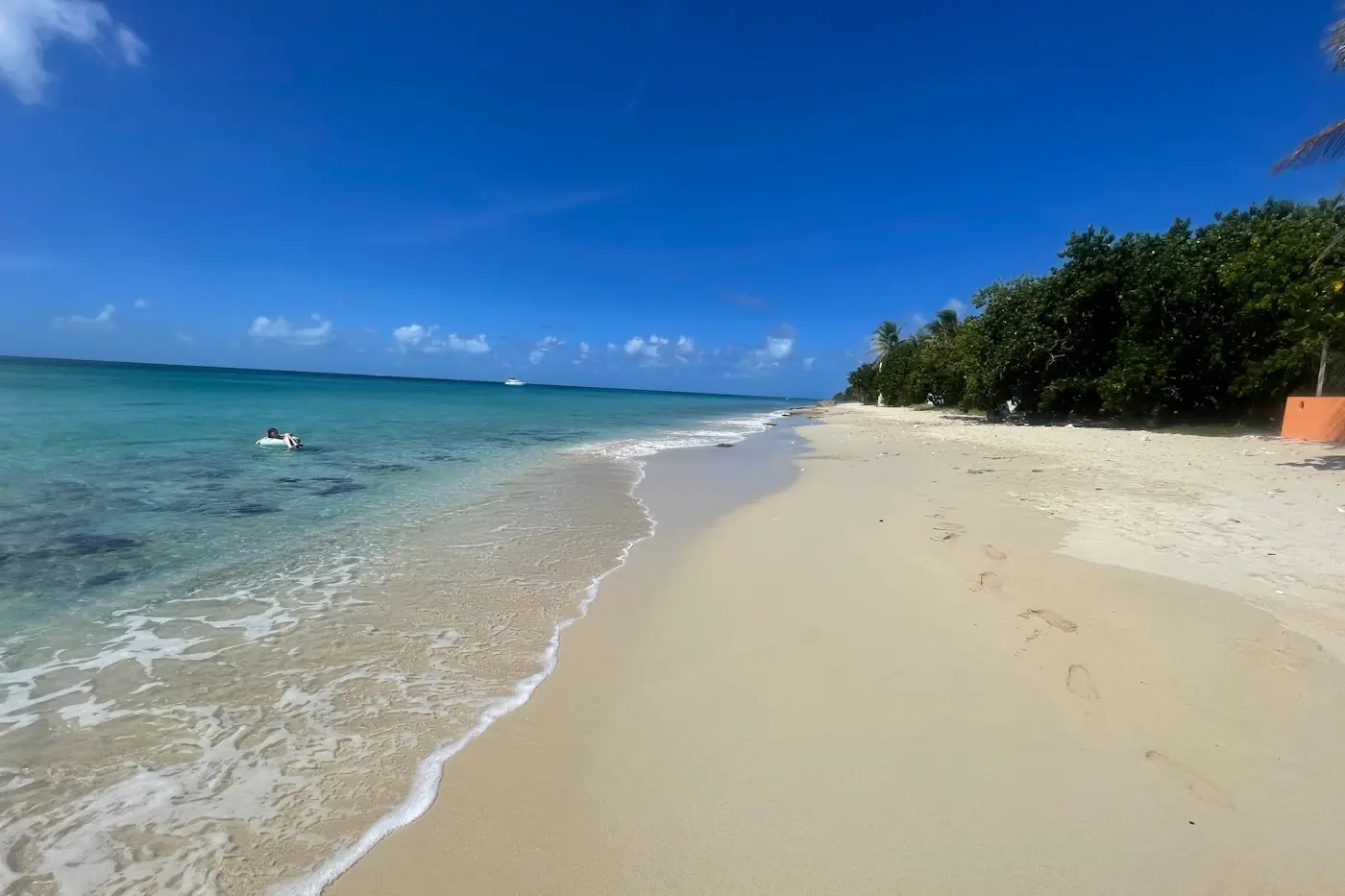
The temptation to compare several beaches in a single day can turn the coast into a parking exercise. Instead, choose a coastal area for the activities you actually want: an accessible place to sit with shade and facilities, a beach appropriate for current swimming conditions, a town with food within reach, or a base for a guided water activity. A secluded photograph tells you little about toilets, currents, access restrictions, or the return journey.
Observe conditions when you arrive. Follow posted warnings and local instructions, and do not enter water simply because other people are doing so. For swimming, favor a location and conditions suited to your abilities; seek lifeguard advice where available. A scenic shoreline may be best enjoyed from land. Make that a valid outcome before you set out so nobody feels pressured to get into unsuitable water to justify the drive.
Spending a second morning in the same place is not wasted exploration. You learn where shade falls, when you prefer to eat, and which route back feels easiest. Repetition can make a vacation more restful than collecting new place names. Leave shells, sand, plants, and wildlife where they belong, and use established access routes rather than treating beach vegetation as an inconvenient obstacle.
Make food part of the itinerary, not its interruption
Give meals enough room to introduce you to the island. Instead of requiring every lunch to be the most famous dish at the most recommended restaurant, choose a mixture: a market or bakery stop, a neighborhood lunch, a more deliberate dinner, and an easy meal near your lodging. This creates variety without making each day depend on several opening hours and bookings.
Ask about dishes with curiosity and be clear about allergies or dietary restrictions. A familiar-looking food can contain ingredients you would not expect. If you need a detailed ingredient check, choose a setting where staff can reasonably provide one and carry a written explanation if that helps. Do not mistake a busy service period for a good time to request a lengthy cultural lesson.
Buy only what you can safely store and eat. A rental kitchen can make breakfast easier, but it does not have to turn vacation into a full grocery routine. Before buying fresh food, check the refrigerator, available utensils, and your actual plans. A small supply for two mornings is often more practical than a large shop that leaves unused ingredients behind when you move to the next base.
A sample week with breathing room
Imagine two adults with seven nights who want history, food, and a few relaxed beach days. They spend their first three nights in the San Juan area. The first evening is reserved for settling in. Their first full day centers on Old San Juan, with one substantial historical visit and a flexible afternoon. The next day is held for a nature outing, with an indoor cultural alternative if conditions do not cooperate.
On the fourth day, they collect or use their rental car and move to one coastal base. They do not add a major excursion to the transfer. Instead, they find the local grocery option, confirm the route to the beach, and arrange an uncomplicated dinner. The following two days alternate between beach time and one nearby activity chosen for their interests. One afternoon remains entirely unscheduled.
For the last night, they decide whether returning nearer the departure airport is worthwhile. That choice depends on their flight time, route, transport reliability, and tolerance for an early start. The example is deliberately ordinary. It does not promise comprehensive coverage. It protects the experiences the travelers said mattered and prevents a final-day transfer from carrying the emotional weight of the whole trip.
Decide honestly about Vieques or Culebra
An offshore island is a separate planning decision, not a casual addition because a map shows it nearby. Check current ferry or flight options, luggage arrangements, onward transport, lodging availability, and cancellation terms before connecting the island to your main itinerary. Consider what happens if a transfer changes: can you adjust the next night, and is there enough separation from your flight home?
For a first week, it can be wiser to choose either a mainland coastal stay or an offshore island stay. Trying to include both may leave little time for either. If the smaller island is the reason you are traveling, reverse the priorities and build around it. Spend fewer nights elsewhere and treat the connection as a meaningful part of the schedule.
A day trip can make sense for a specific, well-supported excursion, but it should not be sold to yourself as equivalent to an overnight stay. The pace, transport dependence, and opportunity to experience mornings and evenings are different. Decide which experience you want, then book the appropriate structure rather than hoping a rushed version will feel unhurried once you arrive.
Spend where it removes the right friction
Build your budget around complete days. Accommodation is only one component; transport, parking, meals, activities, and flexibility all affect the final cost. A cheaper room that requires frequent paid rides can be poor value for a traveler who wants to walk. Conversely, paying for a central location makes little sense if you plan to leave early every morning and return only to sleep.
Identify one place where spending more would genuinely improve the trip. It might be a knowledgeable guide, a better-located room, or transport that avoids an exhausting connection. Then identify something you can comfortably simplify, such as elaborate breakfasts or a second hotel move. This tradeoff is more useful than chasing small savings everywhere while leaving the largest logistical problem untouched.
Before departure, keep a short offline note with lodging contacts, booked activities, transport details, and the official pages you need to recheck. Share it with your travel companion. The purpose is not to manage every minute; it is to make a changed plan easy to understand. When the essentials are secure, you can spend more of the week noticing the place around you.
Useful planning sources
Use Discover Puerto Rico to explore regions and current visitor information, and the US Forest Service's El Yunque pages for forest access and alerts. For an offshore connection, consult Puerto Rico Ferry directly. These sources support the practical checks; the sample week above is an illustrative planning exercise rather than a published tour or a guarantee of availability.