TROPICAL-TRIBE
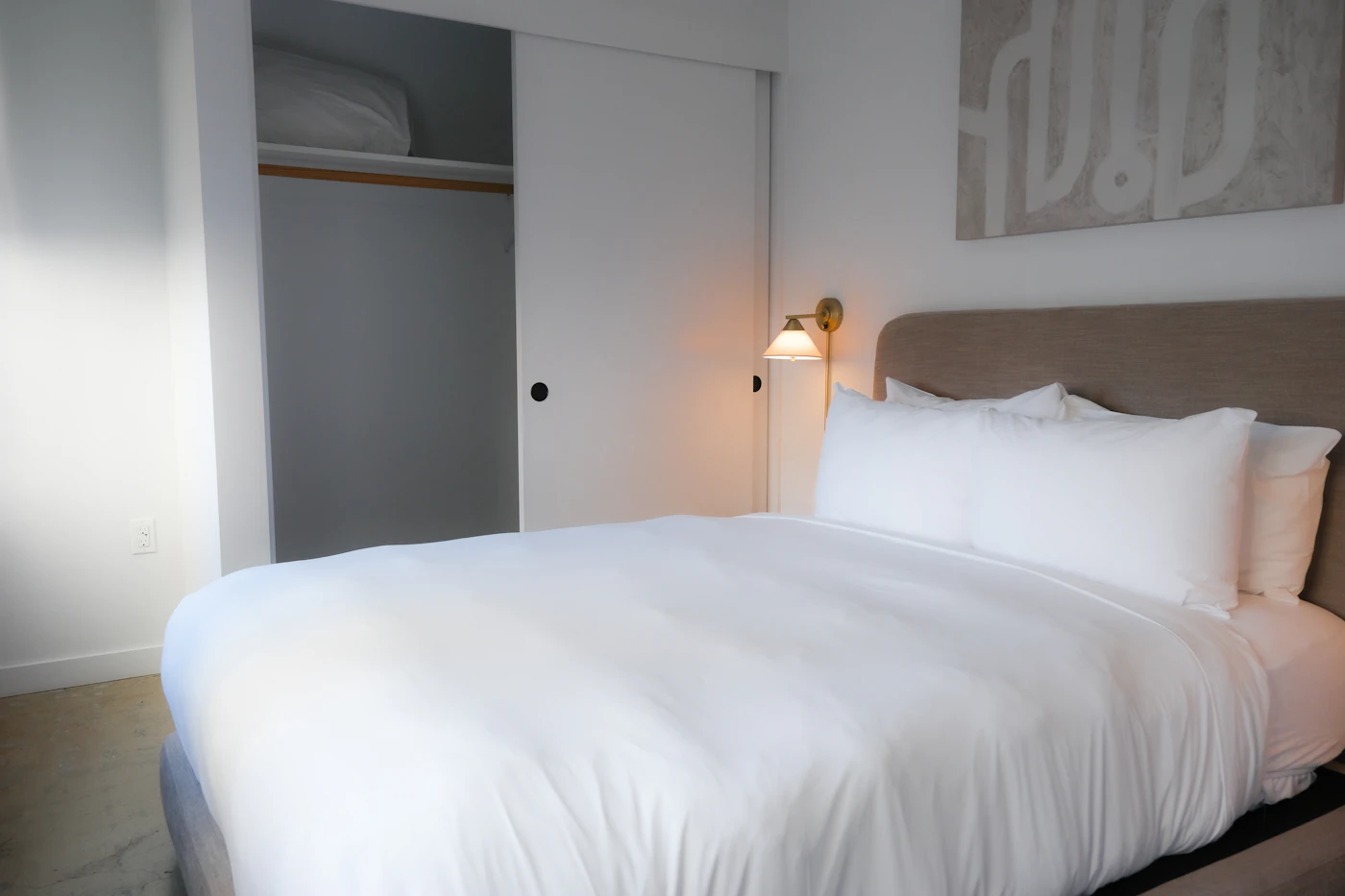
A guest bedroom does not need to resemble a resort suite to feel welcoming. Often the most useful detail is an empty drawer, a light switch that is easy to find, or a clear place to set a glass of water. These small decisions help someone settle into an unfamiliar home without repeatedly asking where things belong.
Tropical inspiration can provide a gentle atmosphere through pale fabrics, muted green, warm wood, or a simple botanical image. It should remain secondary to the room's job. A guest needs space to sleep, dress, store belongings, and move comfortably. A beautifully styled bed surrounded by the host's overflow storage may be less hospitable than a plain room with thoughtful practical arrangements.
Ask about needs before arranging surprises
When planning a visit, ask whether there is anything practical that would make the room easier to use. Keep the question open and respectful. A guest may mention mobility considerations, bedding preferences, sensitivity to fragrance, or a need to work briefly during the stay. You do not need to request personal medical details to respond thoughtfully.
Explain relevant limitations honestly. If the room has stairs to reach it, a shared bathroom, or no dedicated workspace, say so before arrival. This allows the guest to plan and avoids turning a limitation into an uncomfortable discovery. Do not promise accessibility or a particular comfort outcome unless you can accurately describe what is available.
Use the information to make a few targeted adjustments rather than buying an assortment of possible solutions. An extra pillow already in the house, a cleared chair, or a quieter location may be enough. Hospitality improves when it responds to the actual person rather than an imagined universal guest.
Clear space that the guest can genuinely use
Remove the objects that would prevent someone from unpacking. Leave a practical area in a drawer or closet if available, and make it clear that the space is for the guest. A wardrobe packed tightly with the host's clothing does not become guest storage simply because one empty hanger is placed at the front.
Provide a stable, suitable place for a bag or suitcase without blocking circulation. The floor may be acceptable in some rooms, but consider whether bending to it will be inconvenient for the person visiting. An appropriate luggage stand or clear surface can help if you already have one and it fits the space safely.
Keep personal paperwork, valuables, and private belongings elsewhere. This protects both the host's privacy and the guest's ease. Nobody should have to move financial documents or sentimental objects to set down a charger. A clear room communicates permission to settle in rather than a request to avoid disturbing the display.
Make the bed adaptable instead of elaborate
Use clean bedding suitable for the mattress and the season, following its care instructions. Offer manageable layers so the guest can adjust them. A simple arrangement is often easier to understand than several decorative covers whose intended use is unclear. Keep any extra blanket accessible rather than buried in a crowded closet.
Limit decorative pillows to what you can provide a clear storage place for. If the guest must stack them on the floor every night, they add work rather than comfort. A single accent cushion can provide color without turning bedtime into a rearranging task.
Explain where spare linens are kept if the guest may need them. You do not have to supply every possible option, but the available choices should be easy to find. A room that allows someone to adjust quietly during the night is more considerate than one that requires waking the host to ask for a basic item.
Test the room after dark
Visit the room at night and use it as a guest would. Enter, find the main switch, reach the bedside light, and follow the route to the bathroom. Notice glare, dark patches, furniture corners, and any objects that narrow the path. Daylight can hide practical problems that become obvious after sunset.
Provide suitable lighting and keep cords safely arranged according to product instructions. A bedside lamp should be reachable from the bed without an awkward stretch. If a guest needs a different setup, discuss it rather than assuming the host's preferred arrangement works for everyone.
Tell the guest how unfamiliar switches or window coverings operate. A short explanation during arrival is more useful than a room full of labels. If the home has a nighttime routine that affects shared spaces, mention it clearly. Familiarity with the route and controls can make the first evening much easier.
Give the bedside surface a practical edit
Clear enough room for the guest's glasses, phone, book, and drink. A decorative tray filled with objects may look welcoming but leave nowhere for the things a person actually uses. Keep only what supports the stay, such as a suitable lamp and perhaps a simple vessel for water if appropriate.
Identify a safe, usable charging option and explain it. Do not improvise overloaded outlets or run cords across walking paths. Guests may bring different devices, so an accessible ordinary outlet can be more useful than a collection of unfamiliar accessories. Let them use their own equipment when practical.
Avoid placing strongly scented products beside the bed as a default gesture. Preferences vary, and fragrance can be unwelcome. A clean, neutral setup gives the guest more control. If you know they enjoy a particular detail, it can be added intentionally rather than treated as a requirement of a tropical room.
Handle privacy as a functional requirement
Check the window coverings from the perspective of someone changing clothes or preparing for bed. A sheer panel that looks beautiful in daylight may not provide adequate privacy after dark. Use coverings suitable for the room and follow installation and safety requirements.
Explain which doors can be closed and how the household handles knocking. A guest should not have to infer whether the room remains a passage to storage or another frequently used area. If the host needs occasional access to something, arrange that clearly in advance and minimize interruptions.
For a room that doubles as an office, put work materials away during the stay where possible. A laptop left open on the desk can make the room feel temporarily borrowed rather than offered. Small signals of privacy help the guest understand that the space is theirs for the agreed period.
A fictional weekend room prepared in one afternoon
Imagine a household expecting a friend for two nights. The spare room contains a bed, a desk used for occasional paperwork, and a closet filled with stored items. The first decorating idea is to buy matching tropical bedding and several accessories. A practical review reveals more important work.
The hosts clear the desk, create a usable section of the closet, and move a stable chair away from the walking route. Existing neutral bedding is freshly prepared, with an extra layer placed where it can be found. A green cushion and a botanical photograph already owned provide the visual theme. The bedside surface is left mostly empty.
Before arrival, the hosts test the lamp and explain the bathroom route and household breakfast arrangements. The room is not transformed into a hotel, but it now works as a place to stay. The friend's own bag, book, and routine can fit without competing with a decorative setup designed mainly for appearance.
Keep useful information brief and accurate
Guests may need the Wi-Fi details, the address, a contact number, and a few notes about shared facilities. Provide only the information relevant to the stay, and keep sensitive access details appropriately private. A small written note can prevent repeated questions without turning the room into an instruction manual.
Describe household arrangements plainly. Say where drinking water is available, whether breakfast is shared or flexible, and how to handle used towels. Avoid assuming that familiar routines are universal. A visitor may be trying to be considerate and remain uncertain about what they are allowed to use.
If you suggest local outings, distinguish personal ideas from current verified details. Do not promise opening hours, transport availability, or access based on an old memory. The guest can use current official information for planning. The room's welcome note should make the stay easier, not create a new source of unreliable logistics.
Choose a tropical palette that leaves visual quiet
A guest room benefits from a limited color direction because it already needs to accommodate unfamiliar belongings. Pale neutral bedding with one green or blue accent can feel fresh without becoming visually busy. Warm wood or a woven texture can add character if it remains practical to clean and maintain.
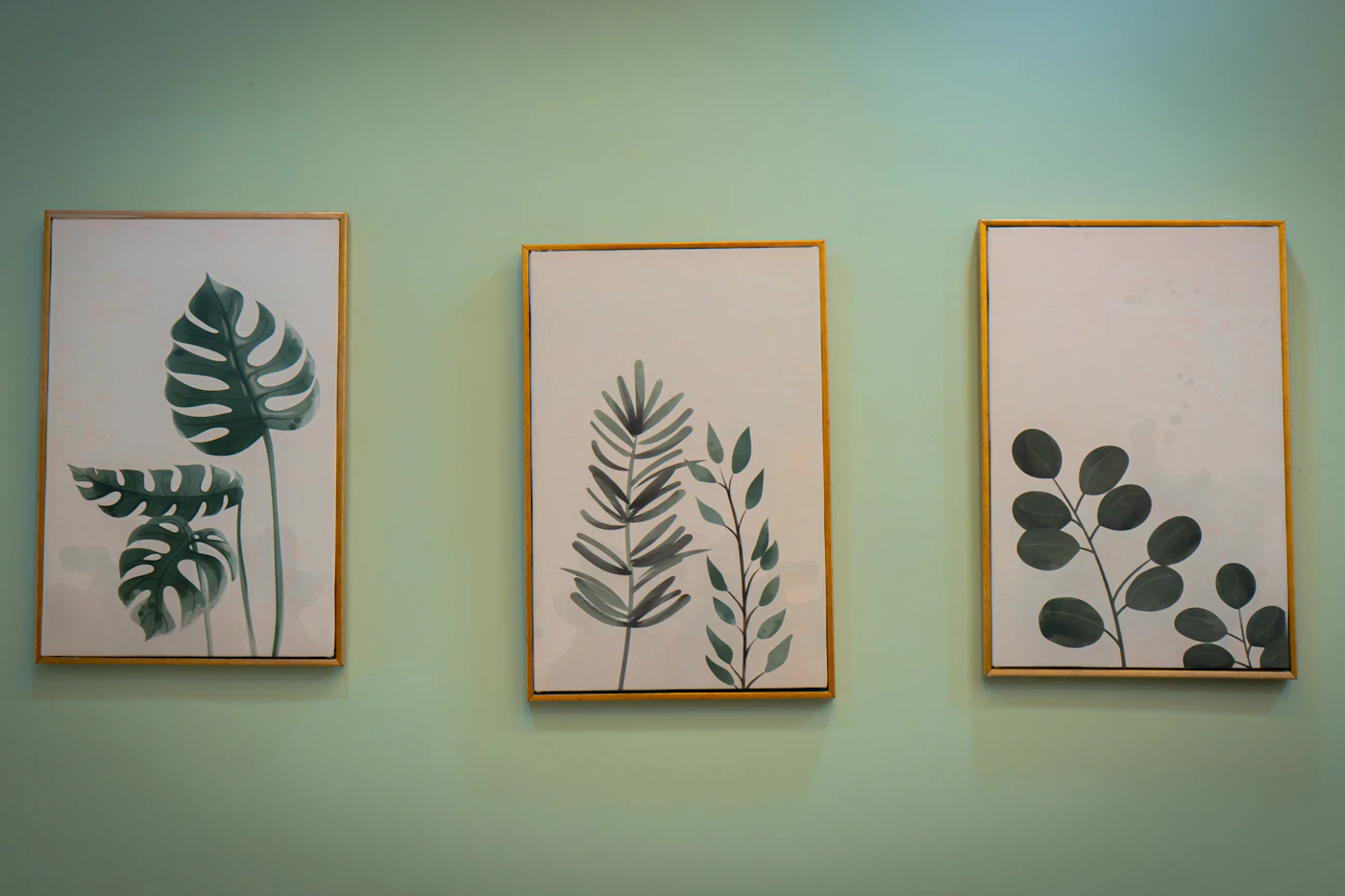
Use botanical artwork where it contributes interest, but do not fill every wall. A single image can provide a focal point while leaving the room calm enough for different tastes. The guest does not need to share the host's enthusiasm for palm patterns to feel comfortable there.
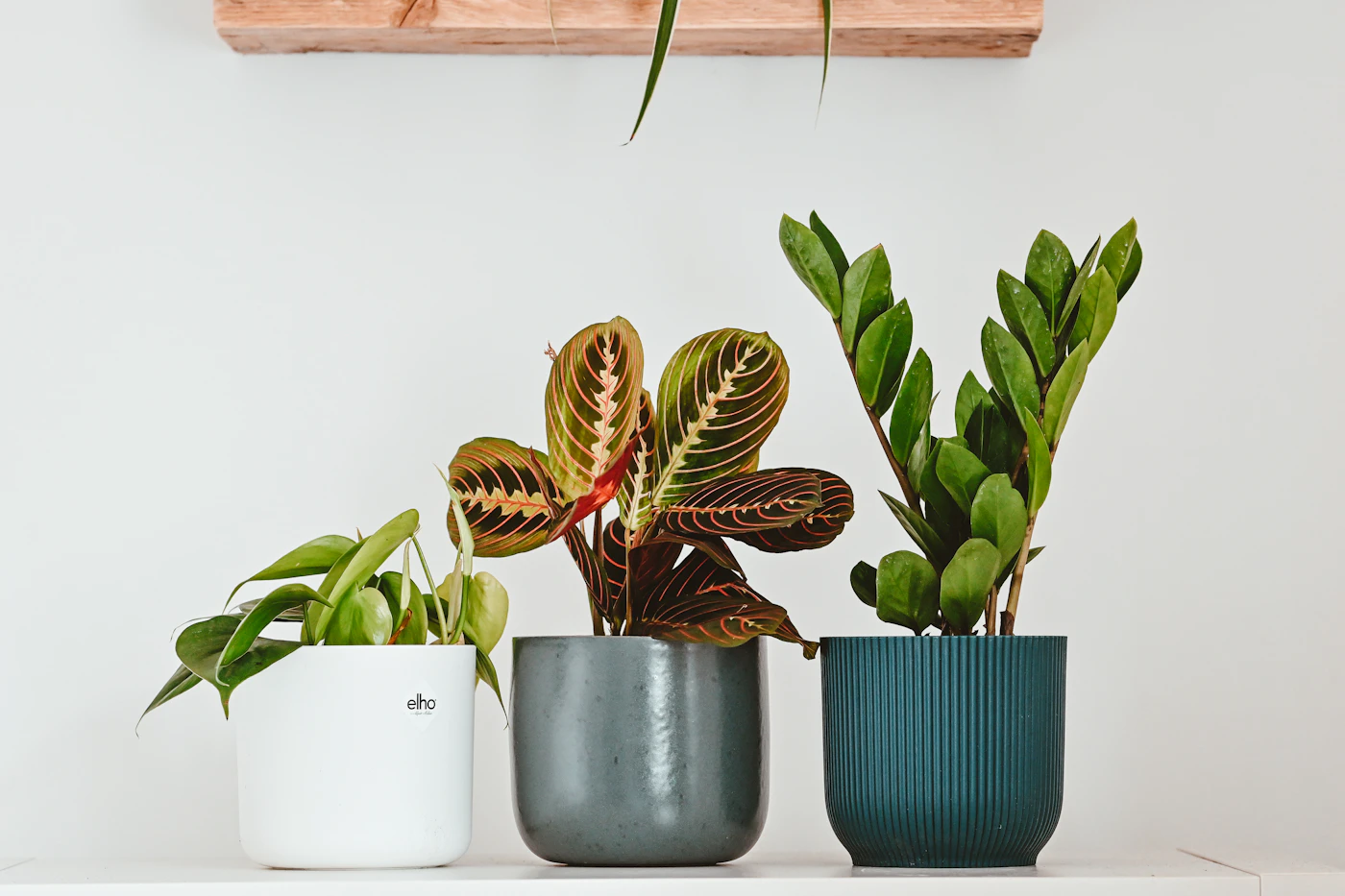
Living plants are optional. If included, choose suitable plants for the actual conditions and household, place them where they do not interfere with use, and handle their care yourself unless agreed otherwise. A visitor should not discover that the decorative feature beside the bed has become an unexpected responsibility.
Prepare for different lengths of stay
A one-night visit may require only a clear landing area and basic information. A longer stay needs more attention to storage, laundry arrangements, and the guest's daily routine. Discuss these needs before arrival rather than assuming a room prepared for one weekend will serve equally well for several weeks.
For an extended stay, agree on shared-space expectations and how the room will be cleaned. These conversations can remain warm and practical. Clarity prevents small uncertainties from becoming repeated friction, especially when the guest's schedule differs from the household's.
Leave room for independence. A guest may appreciate some time alone, a different breakfast hour, or the ability to return without a detailed account of the day. A well-prepared room supports that independence by making basic needs easy to manage. Hospitality does not require filling every moment of the visit.
Notice comfort without hovering
After the first night, ask a simple practical question about the room. The guest may mention a light, an extra layer, or a place for belongings. Respond where possible without turning the answer into a major redesign or a request for reassurance about your hosting.
Avoid repeatedly checking whether every detail is satisfactory. A visitor should be able to use the room without feeling observed. Explain how to reach you if something is needed, then allow the arrangement to do its work. Thoughtful preparation reduces the need for constant intervention.
If the room cannot meet a need, acknowledge the limitation and discuss an appropriate alternative. Honesty is more welcoming than insisting that a makeshift solution must be comfortable. The relationship matters more than proving that the spare room can perform every function.
Reset the room after the visit with useful notes
Follow the appropriate care routine for bedding and towels, return borrowed household items, and check for belongings left behind. Contact the guest about anything found rather than quietly adding it to the room's supplies. Give storage areas a quick review before restoring any secondary use such as office work.
Record one or two practical lessons. Perhaps the lamp switch was inconvenient, the spare blanket was useful, or the desk chair was never needed. These observations help improve the next visit without assuming you need a larger decorating budget. The room can become more welcoming through small informed adjustments.
Keep the clear guest space from gradually disappearing into storage again. If the room has multiple uses, define which areas must be emptied before a visit and how much time that takes. A repeatable preparation routine is more useful than a one-time transformation that becomes impossible to maintain.
Let welcome be visible in the space left open
Before guests arrive, look at the room once more and imagine their belongings entering it. Is there room for a bag, clothing, a book, and the small objects they keep nearby? The answer matters more than whether the cushions are perfectly aligned or the artwork matches the throw.
Remove anything that makes use unnecessarily cautious. Fragile objects on the only clear surface, a chair covered in display pillows, or a closet that cannot be opened fully all communicate that the room is more staged than available. A modest room can feel generous when its useful spaces are genuinely offered.
The tropical quality can remain quiet: a soft green accent, natural texture, daylight, and a sense that nothing needs to be rushed. Combined with practical preparation and respect for the guest's preferences, those details create a room that feels considered without pretending to be anything other than a welcoming part of your home.