TROPICAL-TRIBE
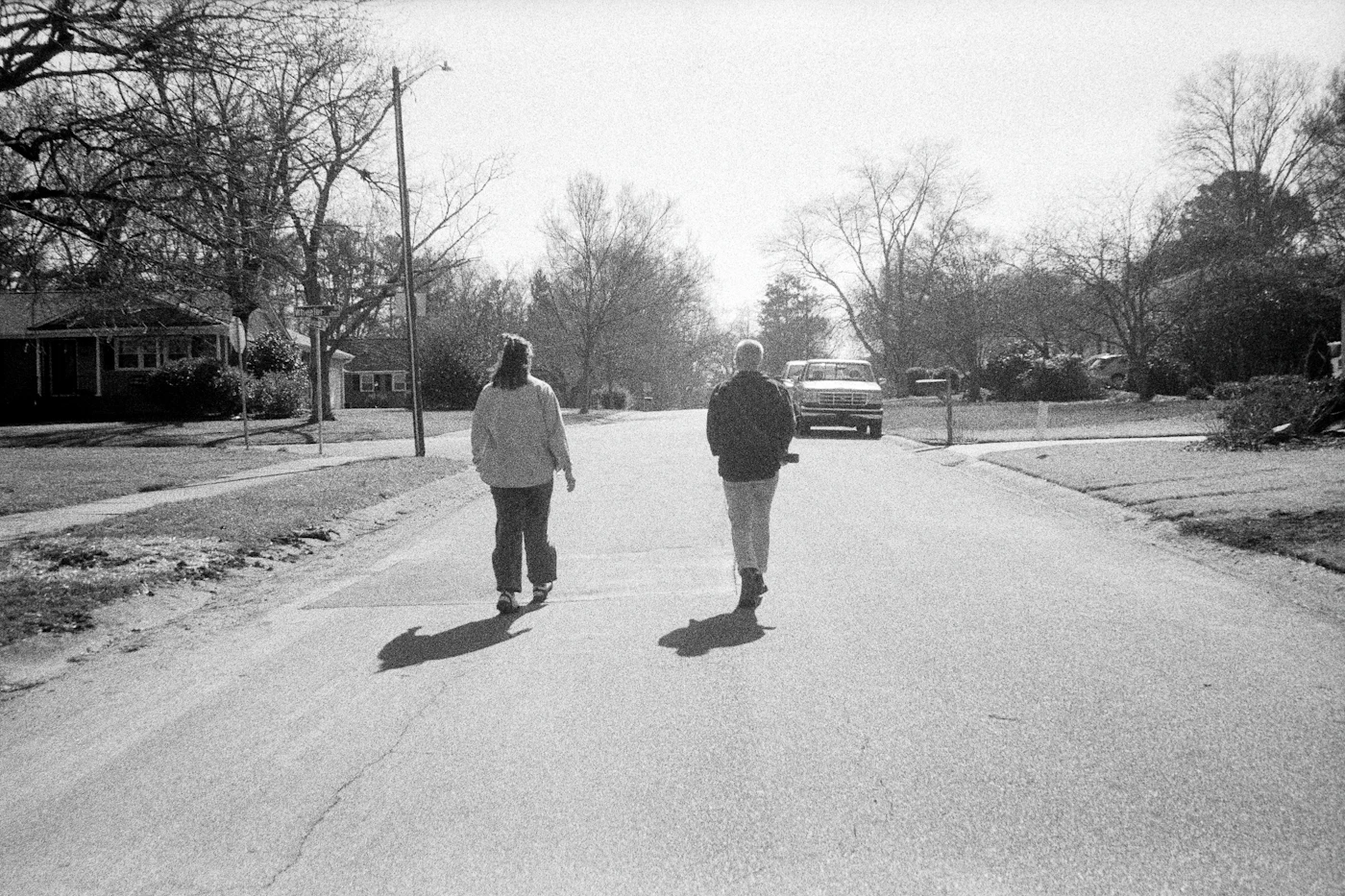
A neighborhood walk can be more than the space between home and an errand. It can be a way to notice the place you already inhabit: which gardens have changed, where people pause, how a street sounds at a different hour, and what becomes visible when you take the quieter side of a familiar route. The distance may be modest. The change is in the kind of attention you bring.
There is no need to turn the walk into a fitness target, a photography assignment, or an exercise in perfect presence. You can enjoy ordinary movement and observation without measuring the result. Choose a route and pace that suit your circumstances, then give the outing one small point of interest. A pleasant walk should remain adaptable to weather, accessibility, responsibilities, and the practical conditions of the neighborhood.
Begin with a route that is easy to leave
For an unhurried outing, convenience matters. Start with a route close enough that you will actually use it and flexible enough that you can shorten it. A loop with several ways home is often more inviting than an ambitious route that requires completing the full distance. If walking is not suitable for you, the same observation approach can work from an accessible path, a mobility device, or a comfortable public seat.
Consider the practical environment before choosing the route. Look for suitable crossings, surfaces, lighting for the time of day, and places to pause when needed. Conditions can change, so use current local information and your own judgment. A route that looks short on a map may be inconvenient because of construction, steep sections, or a missing crossing. Enjoyment depends partly on avoiding unnecessary friction.
Do not require the walk to include the neighborhood's most picturesque street. A useful route may pass ordinary shops, apartment buildings, and a small patch of green space. Familiarity can be an advantage because you spend less attention on navigation. You are free to notice details that usually remain in the background while you are focused on reaching a destination.
Choose a light theme, not a checklist
A theme gives your attention somewhere to begin. You might notice shade, doorways, public seating, flowering plants, sounds, or the way people use corners. Pick one subject that interests you and allow other observations to interrupt it. The theme is a lens, not a requirement to collect a certain number of examples.
For a tropical-inspired walk, you could follow green textures, patches of sunlight, or places where the air and setting feel pleasantly open. These qualities may appear even far from a tropical climate. A potted plant beside a shop, a courtyard tree, or a bench facing a wide sky can provide the detail you were looking for. Avoid forcing the neighborhood into an imagined identity; appreciate the place it actually is.
If a theme begins to feel like work, drop it. Some days conversation, wandering thoughts, or simply the change of setting may be enough. A walk does not need an intellectual outcome. The theme is useful only when it helps you see more, not when it makes you evaluate whether you are noticing the correct things.
Change one familiar variable
Take the usual route in the opposite direction, cross to the other side where it is appropriate, or walk at a different suitable time. A small change can alter the order in which details appear. You may notice a building entrance you usually pass from behind or discover that a particular stretch is much more pleasant before it becomes busy.
Keep the change modest enough that the walk remains comfortable. You do not need to explore an unfamiliar area simply to make the outing interesting. If a new route requires research, transportation, or several logistical decisions, save it for another day. The value of a neighborhood walk often lies in how little preparation it needs.
You can also change the type of pause. Instead of stopping at the usual shop, sit briefly in a public space or take a quieter side street before returning home. If you do choose a business as a stop, respect its space and expectations. The walk does not need to involve a purchase, and public places can be valuable parts of a route when they are available and suitable.
Notice how the place functions
Look beyond surfaces to the ordinary activity of the street. Where do people wait? Which paths seem to invite lingering, and which encourage everyone to move quickly? How do deliveries, school schedules, or shop openings change the atmosphere? These observations can make a familiar neighborhood feel more legible without requiring you to draw grand conclusions about it.
Pay attention to small arrangements. A bench may face away from traffic, a planter may mark the edge of a doorway, or a shaded wall may become a gathering place at a certain hour. Notice what those features make possible. The interesting detail is often the relationship between an object and the behavior around it, rather than the object alone.
Be cautious about interpreting people you do not know. You can observe that someone pauses in a particular place without inventing a story about why. Respect privacy, personal space, and boundaries around homes. An attentive walk should make you a considerate participant in the neighborhood, not a collector of other people's lives. Curiosity works well with restraint.
Let sound and texture add detail
You may notice different layers of sound as you move: traffic, conversation, birds, a kitchen fan, or the rhythm of work inside an open shop. There is no need to rank them as good or bad. Listen for how the sound changes between a main road and a quieter path, or how a courtyard feels distinct from the street beside it.
Textures can offer another way to look. Rough bark, smooth stone, painted wood, and leaves catching light may stand out once you begin noticing them. Observe from appropriate public access and avoid touching plants or objects when you do not know whether that is welcome or safe. Looking closely does not require handling everything that interests you.
The purpose is not to fill every moment with sensory description. Choose a few details and let the rest of the walk remain ordinary. If you enjoy writing, you can remember one phrase for later. If not, the observation can stay with the moment. An experience does not need to become a photograph, note, or post to have been worth your attention.
Build in a pause that suits the outing
A pause changes the rhythm of a walk. It may be a few minutes on a bench, a look across a public garden, or standing somewhere appropriate while you decide which direction to take. Choose a place that does not obstruct others and where you feel comfortable. If seating matters, plan for it rather than assuming it will appear when needed.
Use the pause to notice a fixed scene. While moving, you see a sequence of places; while stopped, you see how one place changes over time. A cloud passes, a group arrives, or the light shifts on a wall. The scene may be uneventful, and that is acceptable. You are giving the neighborhood a little time to reveal its ordinary rhythm.
If stopping makes you restless or uncomfortable, keep moving slowly instead. The idea is to vary the pace, not to perform stillness. People have different preferences and needs, and a useful walking habit leaves room for them. Your route can also include a practical stop, provided the errand does not take over the entire outing.
Walk with someone without turning it into a meeting
A shared walk can create a different kind of conversation from sitting across a table. Before leaving, agree roughly on the route, length, and pace so that neither person has to guess. If one person wants to discuss something important and the other expects a quiet outing, clarify that difference early. A walk can hold either, but mismatched expectations can make it uncomfortable.
Leave some conversational gaps. You do not need to fill every stretch with a new topic. Pointing out a plant, a building detail, or an amusing sign can provide a natural interruption. If one person stops often to observe or photograph, discuss how to accommodate that rather than repeatedly pulling each other forward or waiting impatiently.
For groups with different walking speeds or access needs, choose a route around the person whose requirements are least flexible. A shorter route with a good place to pause may allow everyone to enjoy the outing. Splitting briefly and meeting at a clear, agreed point can also work when appropriate. The purpose is shared enjoyment, not proving that everyone can sustain the same pace.
A small route with a distinct beginning and ending
Imagine a hypothetical twenty-minute neighborhood loop. It begins on a familiar residential street, passes a row of small shops, turns through a public green space, and returns along a quieter road. The walker chooses “where people find shade” as a loose theme. They notice an awning, a tree beside a crossing, and a bench that is empty in sunlight but used when a cloud passes.
At the green space, they pause briefly and watch how several paths join. On the return, they take a slightly different turn and see a planted courtyard from a public viewpoint. They do not enter private property or photograph strangers. At home, they write down the name of a shop they might visit another day and one observation about the route. The walk is complete without becoming a larger project.
This example shows how little is required to make a familiar outing distinct. The route, theme, and pause provide enough structure, while the details come from the day itself. Another walk on the same loop might focus on sound or simply become a conversation. Repetition does not prevent variety when conditions and attention keep changing.
Keep the phone in a supporting role
Bring the device if you need it for contact, navigation, accessibility, or other practical reasons. Decide whether you want photographs before beginning. Taking one or two images of a detail can be enjoyable; repeatedly reviewing and editing them can pull you out of the walk. You can leave that work until later if it matters to you.
When using a phone, stop in a suitable place rather than dividing attention while crossing or moving through a busy area. Respect local rules and the people around you. A walking theme is not a reason to step into an unsafe position or block a path for a better view. The neighborhood continues to function while you are observing it.
If the phone keeps becoming the main activity, choose one simple boundary for the next outing. You might keep it in a bag between necessary checks or leave photography out of one walk. Avoid turning the solution into a complicated set of rules. The aim is to make it easier to look around, not to create another thing you must constantly monitor.
Let the route become familiar in a new way
Returning to the same walk can reveal changes that a one-time visit misses. Plants grow, shop windows change, construction progresses, and the light moves differently through the year. You may begin to recognize which stretches suit a short break and which are better for conversation. This knowledge can make your own neighborhood feel more available to you.
Keep any record small if you choose to keep one. A sentence after each walk, a monthly photograph from a suitable public viewpoint, or a rough map of favorite pauses may be enough. You do not need a comprehensive account. The record should support interest rather than make each outing feel incomplete until it has been documented.
A neighborhood walk offers a form of leisure that can fit into ordinary life without much ceremony. Its value is not that it imitates a distant vacation. It is that it gives nearby places the attention you might naturally offer somewhere new. Over time, the route may remain physically the same while your understanding of it becomes richer, more specific, and more affectionate.
You can also use the walk to discover what makes public space welcoming to you. Notice whether a place offers comfortable seating, clear access, shade at the hour you visit, or enough room to move without conflict. These observations may help you choose future routes or describe a useful local improvement through appropriate community channels. Keep the distinction between personal preference and universal need in view. A lively square that feels too busy for your quiet afternoon may be valuable to someone seeking company, while the side street you enjoy may be less accessible to another neighbor.