TROPICAL-TRIBE
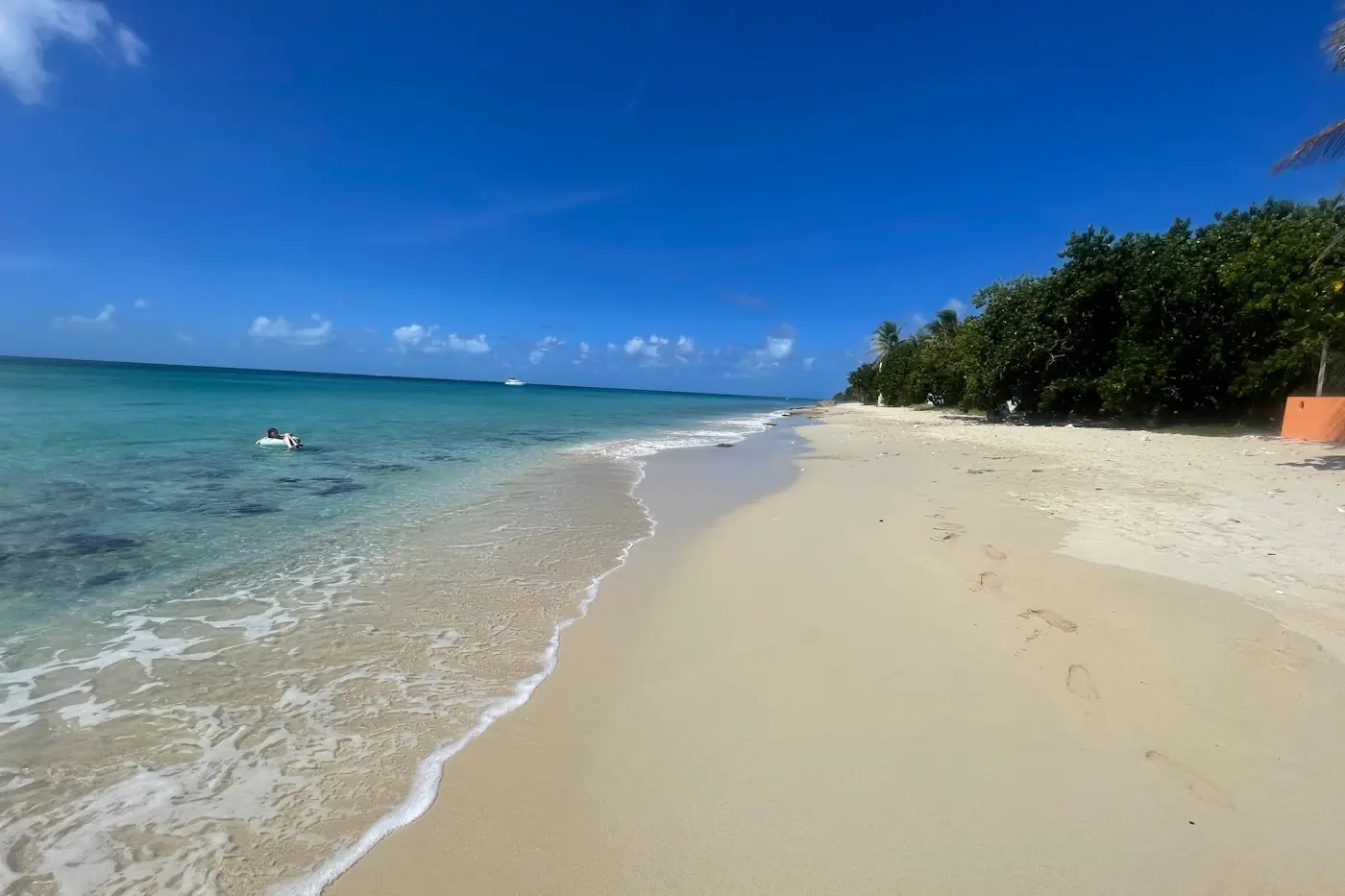
St. Croix suits an itinerary that gathers depth rather than destinations. Instead of asking how many beaches, towns, and excursions fit into a week, ask which parts of the island you want to understand a little better. A morning in a historic town, an afternoon near the water, and an evening meal can form a complete day. They do not need to be connected by a long drive to another headline attraction.
The practical advantage of a slower approach is that weather, availability, and energy can change without dismantling the trip. Keep one or two substantial commitments, organize the remaining days geographically, and make your accommodation useful beyond sleeping. This article offers an illustrative week, not a fixed tour. Confirm current visitor information, protected-area access, and operator details before booking activities.
Choose a base by the evenings you want
Think about what happens after the day's outing. Some visitors want to step out for dinner and return without driving. Others prefer a kitchen and a quiet outdoor space. A third group values direct access to a particular beach or activity. Compare properties through those ordinary routines before comparing pools or room photographs. The right base reduces repeated decisions throughout the stay.
Christiansted and Frederiksted provide different town settings, while properties outside town can offer more seclusion. Check the exact location and transport implications of each listing. Near town is not the same as safely walkable to dinner. Ask about the route, lighting, gradients, parking, and whether restaurants you intend to use are operating on your dates.
One base can work well for a week if you are willing to group outings. Two bases may suit travelers who want distinctly different mornings and evenings, but moving has a cost in time and attention. If you split the stay, make the transfer day an easy day with one modest stop. Do not ask checkout, luggage, a major excursion, and a new check-in to compete for the same hours.
Give Christiansted a full morning of attention
Approach Christiansted with enough time to read and listen. Its historic buildings are not simply a photogenic collection of colors. They sit within histories of colonial administration, trade, slavery, and resistance that deserve direct interpretation. A museum or National Park Service visit can provide a framework for understanding what you are seeing outside.
Choose one central historical visit and build a short walking route around it. Read current opening and access information, especially if you need step-free entry or a place to sit. A route that is pleasant early in the day may feel quite different after several hours in heat. Include a comfortable meal or indoor pause before deciding whether to continue.
Keep your photography attentive to the present town as well as its architecture. Ask before photographing people or private spaces, avoid blocking entrances, and remember that businesses are working places. A useful exercise is to notice how the waterfront, streets, and public buildings connect. That question can make a small area more interesting than a hurried circuit of every landmark.
Let Frederiksted be a different day
Frederiksted deserves its own visit rather than a brief stop attached to a cross-island drive. Research the historical places and cultural interests that matter to you, then leave time for the town itself. A visitor interested in architecture may build a different route from someone focused on emancipation history, local art, or a relaxed waterfront afternoon.
Check the day's context before setting out. Events and cruise visits can affect the atmosphere and availability of services. That is not a reason to avoid the town automatically; it is a reason to plan with realistic expectations. Decide whether you want a livelier setting or a quieter visit, and verify current schedules through appropriate local sources rather than relying on assumptions.
Pair the town with one nearby coastal activity only if conditions and timing make sense. The pairing should improve the day, not serve as proof that you used every hour. If the historical visit sparks your curiosity, staying longer is a valid choice. A slow itinerary has room for the part that becomes unexpectedly interesting.
Treat Buck Island as one possible highlight
For travelers interested in a marine excursion, Buck Island Reef National Monument may become a major planning anchor. Use National Park Service information and a currently authorized operator to understand access, activity requirements, and booking terms. Ask what the outing includes and what participants must be able to do. Snorkeling comfort, boat travel, and time in the sun all deserve honest consideration.
Place a weather-sensitive excursion early enough in the stay that a change may be manageable, without assuming rescheduling will be available. Keep a land-based alternative ready. If the operator cancels because conditions are unsuitable, that decision protects the experience and its participants. Do not treat a different operator's willingness to depart as proof that the first was unnecessarily cautious.
Discuss environmental conduct before entering the water. Follow the briefing, avoid touching or standing on coral, and give wildlife space. If you are uncertain about your equipment or ability, say so. The value of a guided outing includes the opportunity to ask questions and stay within appropriate limits, not the obligation to imitate the strongest swimmer in the group.
Organize driving into regional outings
A map can encourage a zigzag itinerary: a beach here, a restaurant across the island, then a viewpoint somewhere else. Group places by area instead. Choose one main purpose for a driving day and add a second stop only when it lies naturally along the route. This reduces time spent navigating and gives you more freedom to linger where you are.
Review local driving requirements and remember that traffic keeps left in the US Virgin Islands. Allow yourself time to adjust, especially if your first drive follows a flight. Ask the rental provider about road suitability, parking, insurance, and emergency procedures. Do not let a navigation app override posted restrictions or rental terms.
Plan a comfortable return before darkness if you prefer not to drive unfamiliar roads at night. That may mean an earlier dinner or a meal near your lodging after the outing. Share driving if appropriate, but only among properly authorized drivers. The person behind the wheel is part of the vacation too; a day that exhausts the driver is not truly relaxed for the group.
Build meals around curiosity and convenience
Use food to vary the pace of the week. A bakery breakfast, a town lunch, a deliberately chosen dinner, and a simple meal prepared at your lodging each serve a different purpose. You do not need a celebrated restaurant for every meal. Sometimes the best choice is the one that lets you remain in the neighborhood you are enjoying.
Ask about local dishes and ingredients without expecting every server to become a guide during a busy shift. If you have allergies or dietary restrictions, communicate them clearly and verify preparation with the establishment. Carry an appropriate snack on longer outings so that a closed kitchen or delayed meal does not turn into a problem.
A small grocery shop can be useful, particularly for breakfasts and beach supplies. Check what your accommodation provides before buying equipment or large quantities of food. Buy in stages according to the meals you actually plan to eat there. A full refrigerator does not improve a vacation if you spend the last morning trying to use everything before checkout.
A seven-night outline built around contrast
Imagine a couple staying in one base for seven nights. Their arrival evening contains only check-in, a simple meal, and a short orientation walk if they have energy. The first full day focuses on Christiansted and a historical visit. They keep the afternoon flexible, allowing either a nearby coastal stop or a quiet return to the accommodation.
The next day is reserved for their chosen marine excursion if conditions allow. The following day is deliberately gentle: breakfast without an alarm, groceries if needed, and a beach selected for suitable current conditions. Midweek they visit Frederiksted, giving it a separate morning and lunch. Another day explores one regional cluster with a guide or a modest drive.
The final full day is not assigned in advance. They can repeat a favorite place, take an outing postponed by weather, or do very little. This is not wasted capacity. It is the part of the plan that lets experience influence the itinerary. Departure day remains focused on packing and the journey rather than a final activity that must finish exactly on time.
Make the restful day concrete
Rest is easier to protect when it has a practical shape. Decide where you can sit comfortably, whether you have shade, what you will eat, and how you will avoid needing a long drive for something basic. A room with no appealing shared or private space can make an unplanned day feel confined. Consider that before booking accommodation.
Agree that rest does not need to look the same for everyone. One traveler may read while another takes a short walk or joins a small activity. Set a meeting time and keep communication straightforward. A shared holiday can include separate hours without becoming a disagreement about how to use the trip.
Avoid turning the free day into a holding pen for everything you have not done. If five activities remain, choose one or none. The purpose of spare time is to respond to what matters now, not to rescue an overambitious list. You are allowed to leave with places you would enjoy seeing on another visit.
Visit historical places with better questions
Before a cultural visit, choose one question you would like to understand. Who worked here? Who controlled the land? How did people resist the systems imposed on them? How does the community use or interpret the place today? These questions encourage attention to people rather than merely dates and architectural styles.
When a guide explains difficult history, listen without turning the conversation immediately toward comparison with somewhere else you have visited. Allow the local account to stand on its own terms. If you want to read more, ask for a museum, archive, book, or community institution that can deepen your understanding after the trip.
Do not present a single visit as mastery of Crucian culture. Travel can provide an introduction, and that is valuable enough. The responsible outcome is greater curiosity and more careful language. In your own photographs or notes, distinguish what you learned from a source, what you observed, and what you are still trying to understand.
Make coastal time comfortable without overpacking
Choose a beach according to your group's needs on that day. Consider access, shade, facilities, current conditions, and the practical return trip. A secluded place may sound attractive but require more supplies and self-reliance than you want. A convenient, well-used beach can be the more restful choice.
Pack a small reusable kit and keep it ready: water, sun protection, suitable footwear, any necessary medication, a way to carry rubbish out, and only the valuables you truly need. Follow local rules and warnings, and seek lifeguard advice where available. If conditions are unsuitable for swimming, choose a land-based activity without treating it as a lesser version of the day.
Leave natural material and wildlife undisturbed. Avoid trampling vegetation or creating a new shortcut to the shore. These choices are simple, but they matter more than declaring the trip eco-friendly. A slower visit gives you time to notice the established routes and instructions that a hurried traveler might overlook.
Before you close the suitcase
Review the week for hidden pressure points. Is there a paid activity immediately after arrival? Does a boat excursion end too close to a dinner reservation? Is the final morning dependent on a long drive? Move or remove those conflicts while changes are easy. Keep the contact details and cancellation terms for the bookings that remain.
Then stop adding. A good St. Croix itinerary contains enough structure to make the days workable and enough space to let the island become more than a sequence of stops. Returning to the same café, watching an ordinary street wake up, or revisiting a waterfront at a different hour can give the week its own continuity.
Useful planning sources
Consult the official St. Croix visitor overview for orientation, Christiansted National Historic Site for historical-site information, and Buck Island Reef National Monument for current marine visitor guidance. Verify activity availability and specific accessibility needs directly with providers. The week described here is an original hypothetical planning example, not a bookable itinerary.