TROPICAL-TRIBE
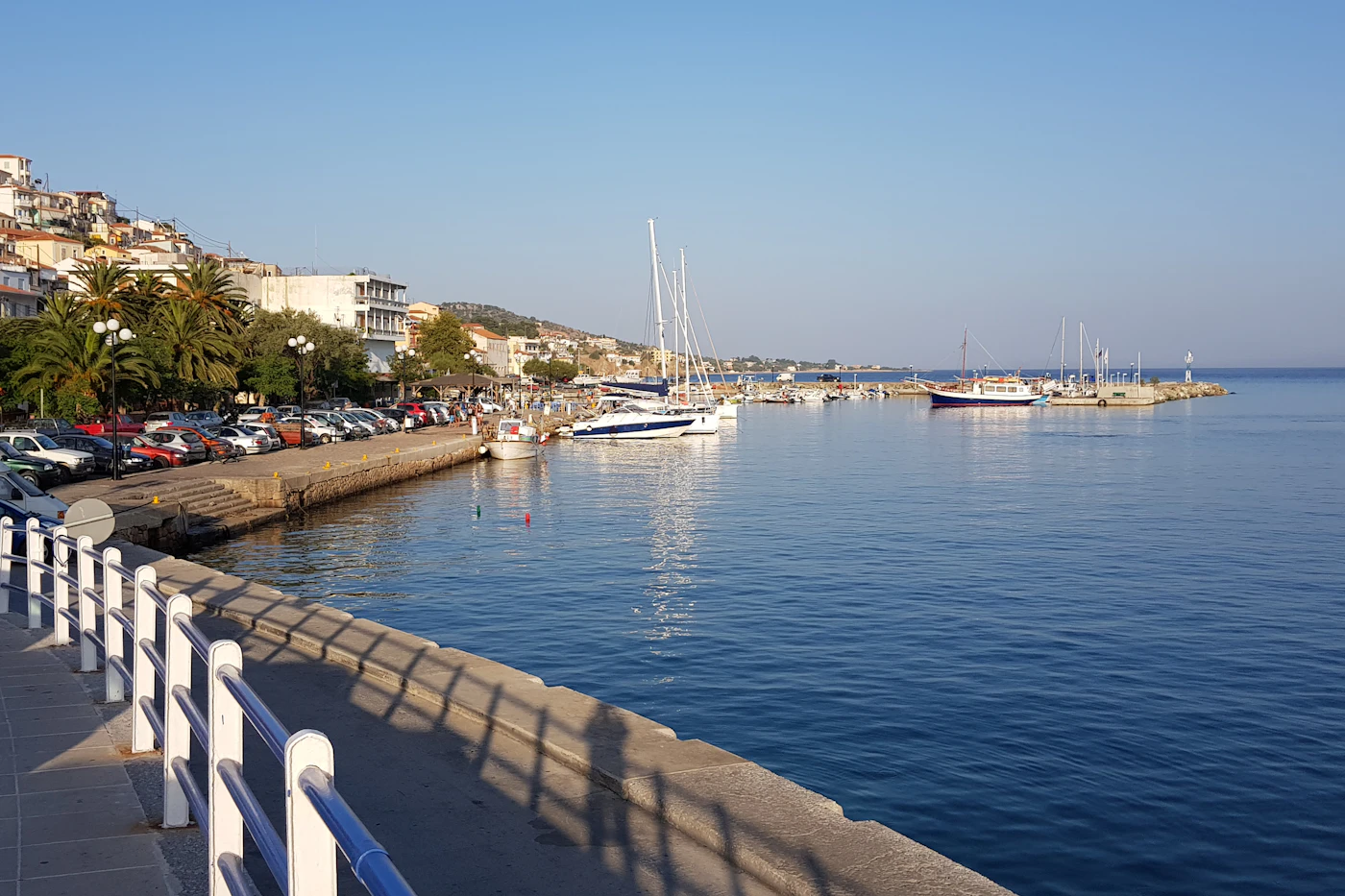
A day beside the water does not have to begin with an ambitious excursion. A public promenade, a town square, and a meal within easy reach can provide enough structure for an enjoyable outing. The challenge is often resisting the urge to add every nearby viewpoint, museum, shop, and harbor tour until a simple day acquires the demands of a tightly connected itinerary.
An unhurried waterfront plan has a small center of gravity. You know how you will arrive, where you can spend time comfortably, and how you will leave. Around those anchors, you can follow your interest without constantly checking whether you are behind schedule. The experience can suit a first visit, a return to a familiar town, or an afternoon when you want coastal atmosphere without organizing an entire beach day.
Treat the suggestions here as a planning method rather than a route recommendation. Public access, transport, construction, opening hours, and local conditions must be checked for the actual town. A line beside the water on a map does not establish that the whole edge is open or suitable for your group.
Choose the character of the outing
Begin with the experience you want rather than a list of landmarks. You may want to watch a working harbor from a public place, browse a few independent shops, or enjoy a quiet meal with a view. These aims suggest different parts of town and different times of day. If the main pleasure is conversation, a comfortable seat may matter more than covering the entire promenade.
Ask each companion to name one worthwhile element. Keep those answers specific enough to plan around: a short walk on a firm surface, an indoor pause, a place to draw, or a particular kind of meal. The resulting day will be easier to shape than one built around a vague promise to see everything. Where preferences differ, decide which can happen separately for a short interval.
Make arrival part of the route
Identify your actual arrival point, including the distance from parking, a bus stop, or a station to the area you want to explore. A town described as walkable can still involve steep streets or a long approach before the waterfront begins. Check the return arrangement at the same time. Knowing how you will get back removes a recurring uncertainty from the afternoon.
Avoid assuming that a waterfront arrival means immediate access to visitor amenities. A ferry terminal or marina may have controlled sections, limited seating, or facilities intended for passengers and customers. Use official transport and town information to locate public paths and services. If arrival itself is demanding, make the first stop a useful pause rather than the beginning of a long loop.
Draw a small area on the map
Choose a compact section containing your main interests. Look for a route with an easy way to shorten it rather than a long out-and-back that requires retracing everything. Mark a few connections inland as well as the water's edge. The most useful path may leave the waterfront briefly to reach shade, a crossing, or an accessible entrance.
Translate map distance into the effort your group expects. Surfaces, gradients, crowds, and pauses all affect the experience. Seek specific access information from the responsible local source when needed, and ask about unresolved details rather than relying on general descriptions. A shorter verified route is more useful than a larger attractive circuit whose practical conditions remain unclear.
Give the day two dependable anchors
An arrival arrangement and a meal can be enough to organize a half day. For a longer visit, add one activity with a clear location and duration. Keep the rest provisional. This creates a distinction between what must happen at a particular time and what merely sounds appealing. Your plan becomes easier to adjust when a shop is closed or an interesting conversation runs longer.
Check whether the meal requires a reservation and whether the menu and setting suit the group. A view is a pleasant addition, but it does not compensate for a place that cannot meet practical needs. Consider noise, seating, dietary requirements, and the distance from your route. Share those details with companions so nobody discovers an important mismatch only after arriving hungry.
Observe a working waterfront from visitor space
Harbors can be compelling because they are active places rather than scenery arranged for visitors. Watch loading, maintenance, or departures only from areas where the public is welcome. Keep gates, ramps, vehicle routes, and equipment clear. A gap in a barrier or an open work entrance should not be treated as an invitation to get closer.
Be considerate about photographs. Avoid obstructing somebody's work or recording identifiable people at close range without asking. Do not touch gear, sit on stored equipment, or move objects for a better view. If a public information display explains the harbor's activity, start there. It can provide context without requiring a worker to become an unpaid guide in the middle of a task.
Let one street inland be part of the experience
The busiest waterfront strip is not the only place worth noticing. A public square, library, market street, or small courtyard nearby may offer a different pace. Use town information and ordinary public routes to explore without treating residential areas as private scenery available for inspection. Keep entrances clear and follow any signs distinguishing public passages from private access.
Choose one inland detour with a reason. You might look for a bookshop, a place to sit out of the wind, or an exhibition you have already confirmed is open. Avoid adding a wandering obligation simply because slower travel sounds as though it should involve aimless discovery. You can enjoy a place thoughtfully while making deliberate choices about where to spend limited energy.
Plan useful pauses before you need them
Identify places where a pause is possible without requiring everyone to make a purchase. Public seating, visitor facilities, or an indoor public building can make a route more manageable when they are genuinely available. Check operating hours and any conditions of use. Do not assume a bench shown in an old photograph is still there or unobstructed.
Keep the distinction between passing and resting in mind. A narrow viewpoint might be pleasant for a glance but unsuitable for a long conversation. If someone needs a dependable seat, verify that requirement directly and have an alternative. Pauses work best when they are part of the plan's design, rather than something the group must negotiate after one person is already uncomfortable.
Prepare an inland version of the day
Coastal weather can make a waterside plan less appealing even when the town remains accessible. Select an indoor option that interests you in its own right, such as a local exhibition or a public cultural venue. Check its actual opening arrangements. A backup that depends on several unverified places is simply another uncertain itinerary.
Agree on the point when you will change plans. This might be before departure, after checking local notices, or at a sheltered arrival stop. Do not turn the backup into a challenge to salvage the original route at any cost. If conditions or official guidance make the outing unsuitable, a different day or a different activity can be the complete decision.
Make shopping selective and transparent
If browsing is part of the outing, decide whether you are looking for something particular or simply enjoying displays. This helps you avoid carrying purchases through the entire day without a clear purpose. Ask about materials, production, and care when those details matter to you. A waterfront location or handmade appearance alone does not establish where an object was produced.
Respect the pace of businesses. Browse within posted rules, ask before photographing goods or interiors, and avoid blocking a doorway while the group decides where to go next. If you have no intention of buying, you can still be a considerate visitor. The aim is an ordinary exchange, not a performance in which a shop must supply a memorable local encounter.
Keep the group from becoming a moving meeting
Too many small decisions can make a relaxed outing unexpectedly tiring. Agree on a simple sequence before arrival: a short waterside section, a meal, and an optional inland stop. Then let one person navigate each segment while others contribute when needed. This reduces the repeated gathering around a phone at every junction without requiring anyone to become the permanent organizer.
Allow a clear opt-out from optional parts. Someone may prefer to stay with a book while others browse nearby, provided the meeting arrangement works for everyone. Set an exact public meeting place and a time rather than saying you will find each other. If separation is unsuitable for your group, shorten the route together instead of treating the slowest preference as an inconvenience.
Use an illustrative four-hour outline
Imagine arriving late in the morning at a verified public transport stop near the town center. Walk a short confirmed route to the waterfront and pause at a public viewpoint. Afterward, move toward a meal booked within the compact area you selected. This first part has a straightforward sequence and does not depend on catching a tour or crossing the town quickly.
Following lunch, choose between a nearby exhibition and a second short waterfront section according to interest and conditions. Leave enough time to reach the return stop without rushing. This is a fictional planning example, not a promise about any destination's transport or opening hours. Its useful feature is the spacing: one main waterside experience, a meal, and one optional addition rather than four competing highlights.
Notice ordinary details without manufacturing a story
An unhurried visit gives you time to see practical details: a public noticeboard, changing reflections, or the way a street meets the harbor. Record what you actually observe. Avoid assuming that a quiet shop means a town is undiscovered, or that one busy afternoon explains the local economy. Visitors see a limited slice of a place.
If you want more context, look for information produced by local cultural institutions or ask an appropriate question at a visitor service. Let the answer complicate your first impression. You can leave with a better question rather than a complete explanation. This approach makes a modest outing rewarding without requiring it to become an authoritative account of the community.
Prepare a low-effort version before departure
Write a smaller version of the plan using the same arrival point and central area. Keep the meal or the main pause, remove the optional detour, and identify the shortest appropriate route between them. This version is useful if the group arrives with less energy than expected or simply decides that a shorter outing would be more enjoyable. It should feel like a complete choice rather than an abandoned long itinerary.
Check that the smaller route does not rely on a shortcut whose access is uncertain. Use the same care with surfaces, crossings, and public entrances that you applied to the original. If the reduced outing still requires more effort than someone wants, reconsider the day itself. A flexible plan includes permission to change scale before the group is committed to a long return.
Bring home a useful place note
Afterward, record one practical detail that made a difference. Perhaps the lunch location connected easily with the public route, or the inland pause offered a welcome change in atmosphere. Keep the date and avoid presenting the note as permanent information. Services and access can change, so use it as a prompt for future verification rather than a guarantee.
Add one personal detail beside it: a reflection you sketched, a display you want to research, or a conversation you enjoyed without identifying somebody unnecessarily. The two notes complement each other. One helps you understand how the outing worked, while the other preserves why it mattered to you. Neither requires a comprehensive account of the town or a claim that you uncovered a hidden side of the destination.
End with enough room for the journey back
Treat departure as an active part of the plan. Finish browsing while there is still time to collect belongings, use available facilities, and reach your transport at an appropriate pace. Avoid adding one last viewpoint that turns the return into a scramble. A day designed around ease should not concentrate all its pressure into the final twenty minutes.
Later, note what made the outing work: perhaps the small area, the reliable lunch stop, or permission to skip an attraction. Keep those planning choices for another visit. You do not need a longer route next time to justify returning. Familiar waterfront places can remain enjoyable because you give them time, choose a different small focus, and leave while the day still feels comfortable and complete.