TROPICAL-TRIBE
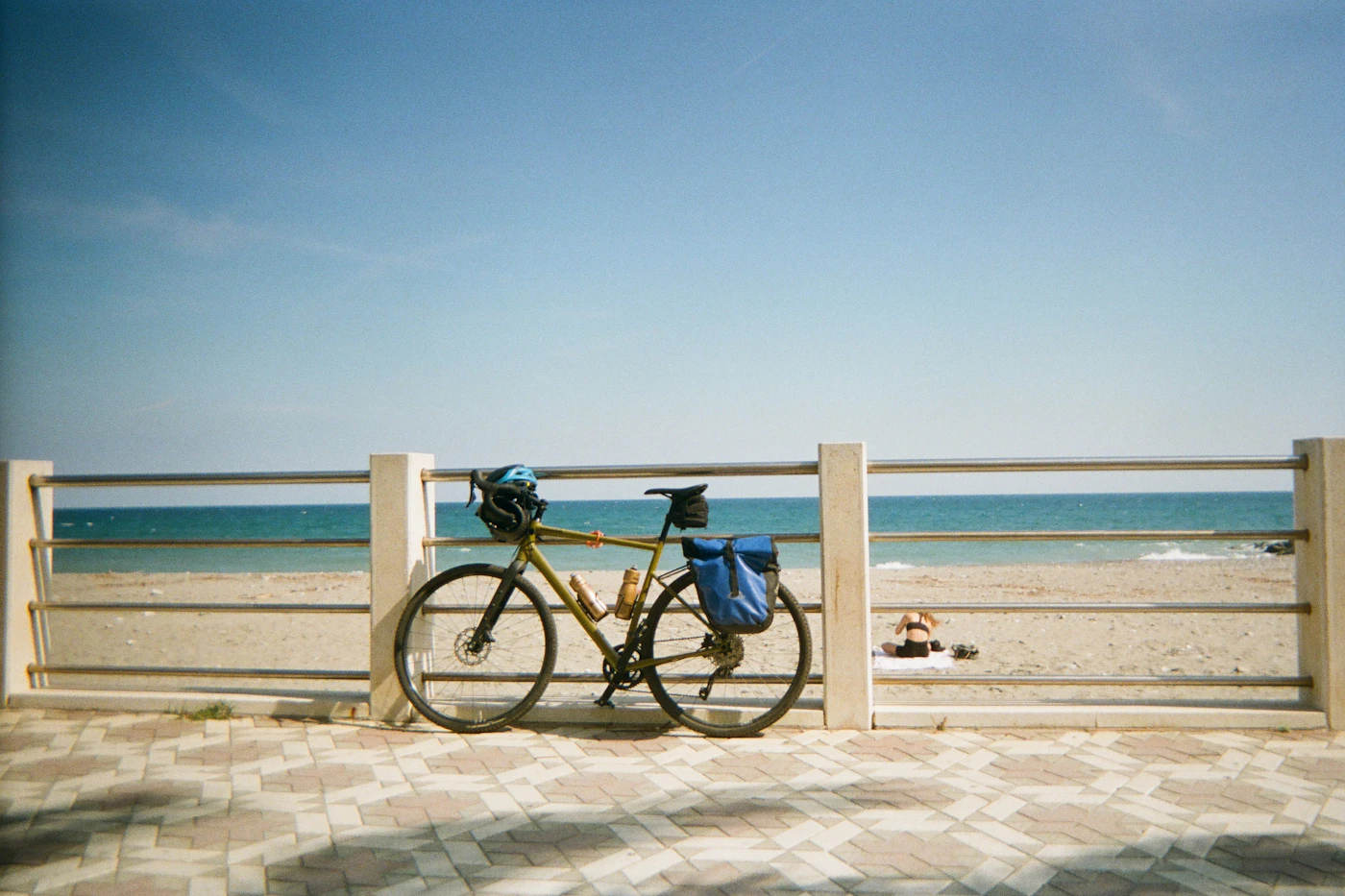
A bicycle can give a coastal day a pleasing rhythm. You move far enough to see the landscape change, then stop long enough to notice a harbor, a shaded square, or a public viewpoint. The experience works best when the route supports that rhythm instead of turning every connection into a traffic problem or every pause into a delay.
Begin with a modest question: where can this group ride comfortably and lawfully, with straightforward places to stop and return? Answering that question is more useful than choosing a distance first. A short, coherent route can provide a richer day than an ambitious coastal loop whose most difficult sections were hidden by an attractive map line.
Choose the route for its connections
Look for an official cycling map or information from the local transport authority, park, or trail manager. Establish which sections permit bicycles and how they connect. A waterfront path may end abruptly, change surface, or pass through a pedestrian-only area. The transitions matter as much as the scenic sections.
Do not assume a route suggested by a navigation app matches your comfort level. Review road crossings, traffic exposure, gradients, and the approach to planned stops. If any part is unclear, ask a knowledgeable local rental provider or the responsible authority. A continuous route you understand is preferable to several appealing fragments joined by guesswork.
Consider an out-and-back route for a first outing. It can simplify navigation and make shortening the day easier, though the return still needs planning. A loop may offer variety but can commit the group to sections that are harder to reconsider once underway. Choose the structure that serves the people riding.
Match the day to recent experience
Ask companions about the cycling they have actually done lately. Someone who rode often years ago may want a different introduction from a regular cyclist. Comfort with balance, braking, traffic, and unfamiliar equipment should shape the route and pace more than a general impression of fitness.
Discuss what a relaxed ride means. One person may imagine frequent cafe stops, another a steady journey, and another photographs at every viewpoint. Agree on the main purpose before selecting the itinerary. Differences are easier to accommodate when they are visible rather than discovered halfway through the day.
Avoid choosing the route around the most confident rider. A group outing should be workable for everyone who plans to participate. If needs differ substantially, separate activities with a shared meal afterward may be more enjoyable than persuading someone to attempt a ride that does not suit them.
Ask the rental shop concrete questions
Confirm that an appropriate bicycle size and style are available, and ask how fitting and orientation are handled. The National Highway Traffic Safety Administration recommends using a bicycle that fits and works properly, wearing a properly fitted helmet, and planning a suitable route. Rental convenience does not replace those basics.
Tell the provider about the intended route and your experience. Ask whether the bicycle is suitable for the surface, what equipment is included, and what support is available if a problem occurs. A useful answer should describe the arrangement clearly rather than simply assuring you that the bike is popular with visitors.
Read the return policy, opening hours, deposit terms, and any restrictions on where the bicycle may be taken. Keep the shop's contact information accessible. Knowing how the rental ends prevents an otherwise pleasant ride from becoming a hurried race back to a closing counter.
Give unfamiliar equipment a proper introduction
Allow time for the provider to explain brakes, gears, adjustments, locking, and any other relevant features. Ask questions before departure and use an appropriate permitted area to become familiar with the bicycle. Do not begin the scenic route while still trying to understand the basic controls.
If considering an electric bicycle, ask about the specific model, its controls, local rules, and where it may be used. Access rules can differ between places and bicycle types. Extra assistance does not remove the need for handling skills, suitable route choice, or attention to other users.
Raise discomfort or uncertainty promptly. A saddle position or equipment issue is easier to address at the shop than far along the coast. Do not assume that you must tolerate a poor fit because the rental has already begun. The purpose of orientation is to establish whether the arrangement works before committing to the day.
Plan the return before the first stop
The attractive outward direction can hide a more difficult return. Consider the full distance, gradients, wind forecast, daylight, and the group's likely energy. Do not use the halfway point as the first moment to ask how everyone will get back. Build the return into the route from the beginning.
Choose clear turnaround options. A public square, marked trail junction, or established waterfront stop can make it easy to shorten the outing. Avoid a plan whose only satisfactory ending is completing the entire route. Flexibility is valuable when equipment, weather, or individual comfort differs from expectations.
If a one-way ride depends on transport, verify that the service can carry the bicycles involved and that the arrangement is available on the relevant day. A bus symbol on a map does not confirm bike capacity. Do not make the return depend on an unverified assumption about a taxi, shuttle, or ferry.
Place stops where they belong naturally
Choose a few worthwhile stops that connect smoothly with the route. A cafe with appropriate bicycle parking, a public garden where the rules are clear, or a permitted viewpoint can provide a reason to pause. Too many stops create repeated setup and navigation work that fragments the ride.
Check opening hours and practical access for any essential stop. If lunch is the main shared anchor, confirm that it is available and suits the group's needs. Keep a simpler food alternative so that a closed kitchen does not turn the day into an urgent search.
Allow spontaneous pauses only where stopping is lawful and considerate. Move fully out of the travel path before checking a map or taking photographs. A beautiful view is not a reason to block a shared route or stop in a place where approaching users cannot easily respond.
Carry less, organize better
Bring the essentials appropriate to the ride and conditions, including personal items, drinking water, and the equipment recommended by the provider. Secure belongings in a suitable way and keep hands free for riding. Ask the rental shop about carrying options rather than improvising with bags hanging from handlebars.
Separate items needed during stops from things that can remain packed. A small accessible pouch for a payment method or rental contact can reduce repeated unloading. Keep valuables managed appropriately when leaving the bicycle, and use the supplied lock according to the provider's instructions.
Avoid turning the ride into a transport exercise for an elaborate picnic. A modest meal or a planned cafe stop may fit the day better. The best load is the one that supports the outing without changing how comfortably the bicycle can be handled or how easily the group can stop.
Make navigation a stopping activity
Review the route before leaving and agree on recognizable points where the group will regroup. Do not rely on one person making sudden turns while everyone else tries to follow. A shared understanding of the next section reduces confusion without requiring constant conversation while moving.
Stop in an appropriate place to check a phone or map. NHTSA advises riders to remain focused and avoid distracting device use. A missed turn is an inconvenience to resolve calmly, not a reason to improvise a sudden maneuver or divide attention between the screen and the route.
Save essential directions for offline use where helpful, but remember that a saved map may not show a new closure. Follow posted signs and current local rules. If a route becomes unclear, stop and reassess rather than assuming that a path beside the water must eventually connect to the intended destination.
Share the path as a guest
Coastal routes often serve people walking, using mobility devices, commuting, exercising, or enjoying the view. Follow local rules about speed, passing, yielding, and dismounting. A leisurely holiday ride does not give cyclists priority over other users, and a busy path may require a slower pace than expected.
Keep the group from spreading across the full route. Communicate changes clearly and avoid treating pedestrians as obstacles in a personal course. Where signs require walking the bicycle, do so. A short dismounted section can become a pleasant pause rather than an interruption to be resisted.
Be especially considerate near entrances, crossings, cafes, and popular viewpoints where people may change direction. The route's scenic quality often comes with shared activity. Choosing a calmer time or a different permitted route may suit your purpose better than trying to maintain speed through a crowded setting.
Let weather change the design
Check the official forecast for the full outing, including the return. Wind, heat, rain, and thunderstorms can affect comfort and suitability. Follow local advice and do not assume that an early pleasant period guarantees the rest of the day. A route near the sea can contain exposed sections with few convenient alternatives.
Ask the rental provider about weather-related policies and suitable shorter options. If conditions make cycling inappropriate, choose another activity. Do not let the fact that bicycles are reserved become a reason to ignore a warning or push through a route that no longer fits the group.
Plan a nearby indoor or sheltered alternative that is actually available. A museum visit, a leisurely lunch, or an appropriate public exhibition can preserve the interest in the destination without requiring the same mode of travel. A changed plan is easier to accept when it has its own appeal.
Make photographs at the stops
Keep photography separate from riding. Stop in a permitted place, secure the bicycle appropriately, and choose a composition without stepping into traffic or another hazard. A picture made calmly at a stop will usually describe the day better than a distracted attempt to record motion.
Photograph more than the bicycle against the water. A route detail, a cafe table, or a willing companion enjoying the pause can create a fuller story. Ask before including identifiable people, and avoid implying that a shared path is empty merely because the frame excludes nearby users.
Do not move bicycles into protected vegetation, onto fragile surfaces, or across barriers for a cleaner image. The setting is a place to visit, not a background to rearrange. If the permitted position is less dramatic, let the photograph reflect the ordinary pleasure of the outing.
Use a simple example to test the plan
Imagine a hypothetical group choosing a permitted waterfront route with a cafe near an established turnaround. The plan includes a fitting period at the rental shop, an unhurried outward ride, lunch, and a flexible return. A nearer public stop allows the group to shorten the ride if necessary.
Now test the weak points. What if the cafe is closed? What if one rider finds the bicycle uncomfortable? What if the route has a temporary closure? Answering these questions may lead to a food backup, more fitting time, and a verified alternative route. The planning remains simple because it addresses concrete problems.
The example does not prescribe a distance or schedule. Those depend on the riders, place, conditions, and equipment. Its value lies in the structure: clear access, appropriate preparation, a shared anchor, and an easy way to reduce the commitment without losing the purpose of the day.
Finish with time in reserve
Return before the rental deadline becomes stressful. Allow for the final approach, parking the bicycles, checking belongings, and reporting any equipment issues. A calm finish protects the pleasant rhythm of the ride and gives the provider useful information before the next customer uses the bicycle.
Afterward, note which parts of the route worked well and which felt uncomfortable. Record specific connections, surfaces, and stopping places rather than simply calling the ride easy. These details help with another visit and make a recommendation more useful to someone whose needs may differ from yours.
A good coastal ride is not measured only by distance. It is the feeling that movement and pauses belonged together, that the route fit the group, and that the return was as considered as the departure. Plan for those qualities and the scenery has room to become part of an enjoyable day.
Official cycling resources
Review NHTSA's bicycle-safety guidance and the National Park Service's cycling introduction. Confirm current local laws, route permissions, equipment requirements, and any electric-bicycle restrictions with the responsible authority before riding.