TROPICAL-TRIBE
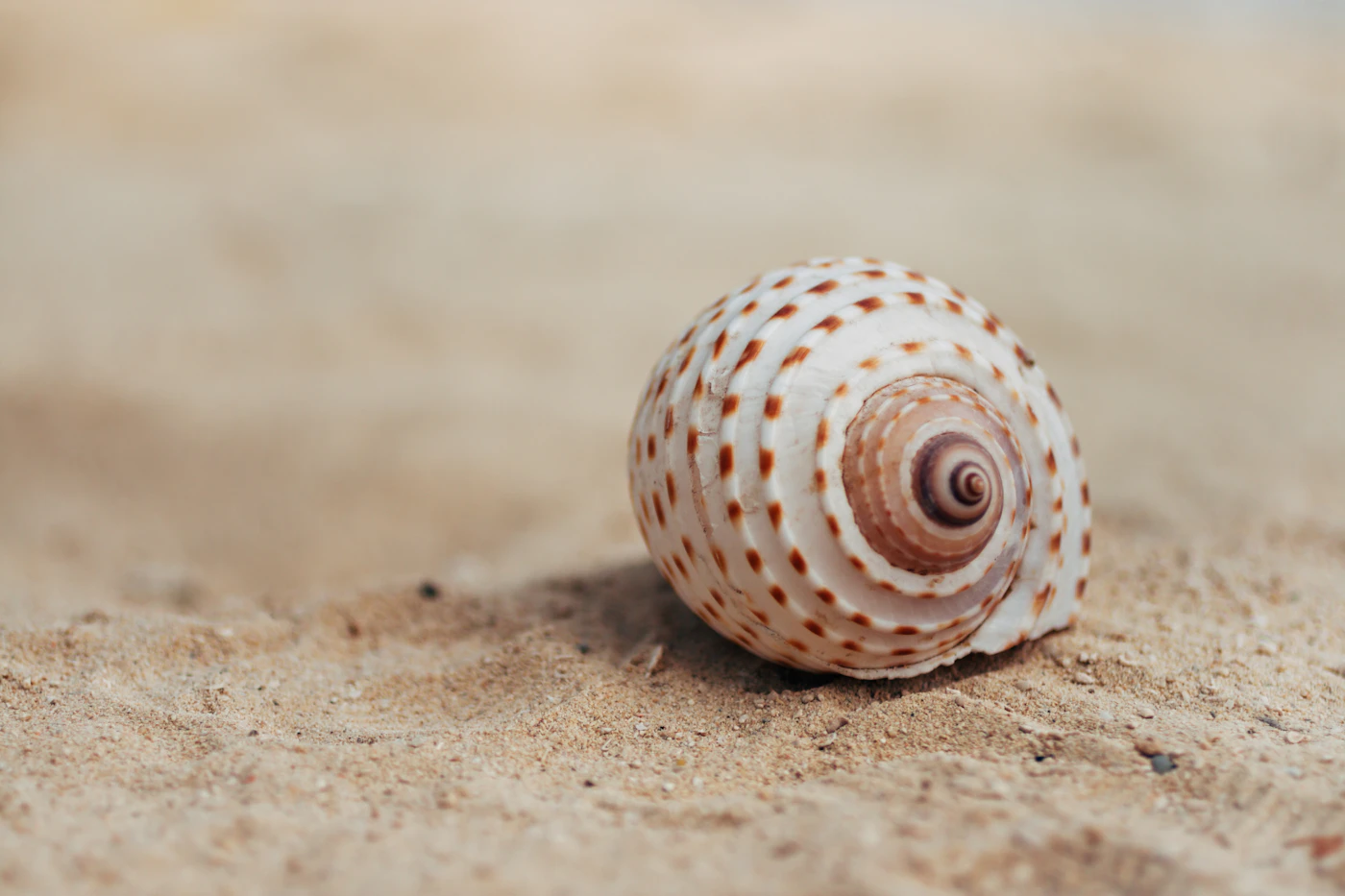
Beachcombing begins with an appealing habit: looking down more carefully than usual. A small fragment, an unfamiliar shape, or a line of material left along the shore can interrupt an ordinary walk. The experience does not need to end with a pocket full of objects. It can end with a better eye for the place.
Choosing an observation-only approach changes the questions you ask. Instead of deciding whether something is worth keeping, you consider what can be learned without moving it. A photograph, sketch, or short description can preserve the discovery while leaving the material in its setting. This is especially useful when you do not know whether an object is occupied, protected, fragile, or significant.
Choose a shore you can explore appropriately
Begin with a public beach or managed coastal area where the intended route is open. Read current notices about access, weather, tides, wildlife protection, and visitor activities. A beach that is suitable for an ordinary walk may still contain closed sections or sensitive areas that should not be entered.
Use the managing authority's information rather than assuming that collecting rules are the same everywhere. Some places permit limited collection of certain unoccupied shells; others protect natural objects more broadly. An observation-only plan avoids the need to make a collecting decision, but it does not remove the need to follow access restrictions.
Choose a manageable stretch with a straightforward return. There is no advantage in covering a great distance if the interest lies in small details. A short section observed carefully can provide more material for curiosity than a long walk spent scanning hurriedly for something unusual.
Leave the container at home
A collecting bag can quietly turn every discovery into a question of ownership. For an observation-focused outing, bring a notebook or camera instead. The physical choice supports the intention: you are here to look, record, and leave things where they are.
Keep the kit modest. A pencil, a small notebook, and a phone may be enough, along with personal essentials appropriate to the route and conditions. Do not bring tools for prying, digging, cutting, or extracting objects. If a feature cannot be examined without disturbance, it can remain partly unknown.
Explain the approach to companions before the walk. Someone expecting to gather souvenirs may otherwise feel confused when you suggest leaving a find behind. Frame the outing positively as a way to notice more of the beach, rather than as a competition to enforce restraint on one another.
Look for arrangements before individual objects
The placement of material can be as interesting as the material itself. Notice whether fragments gather in bands, whether larger and smaller pieces occur together, and how the texture of the surface changes along the permitted route. Record the pattern without assuming you know exactly how it formed.
A broad photograph can preserve context that a close-up loses. Include enough of the surrounding shore to show where the detail appeared, while avoiding sensitive location information if appropriate. The image may later help you ask a better question than an isolated object would.
Do not rearrange finds into a more attractive collection for a picture. That changes the evidence you were noticing. If you want to create a visual composition, do it in a sketch or a page layout afterward. The beach can remain undisturbed while the notebook becomes the place for creative arrangement.
Describe a find without forcing a name
Use ordinary features first: shape, color, texture visible from your position, approximate size, and relation to nearby material. Avoid touching unfamiliar objects to test them. A description can be detailed without being invasive, and uncertainty is a valid part of the record.
Be careful with identification apps or image searches. Similar-looking objects can have different origins, and a photograph may not reveal the features needed for confidence. Treat a suggested name as a possibility to check through a reliable educational source or local expert, not as a final answer.
If the object appears to be a living organism or its shelter, leave it in place and give it space. Do not turn, shake, or pry it open to establish whether something is inside. The observation-only rule removes the pressure to solve that question through handling.
Try a page organized by shape
Instead of making a list of species, divide a notebook page into simple shape categories: curved, branching, rounded, or irregular. Add a sketch or a few words for something observed in each category. These are descriptive prompts, not scientific classifications, and they work without specialist knowledge.
This exercise encourages variety without requiring rare finds. An ordinary fragment can be interesting because of its form or how it lies beside another material. You may discover that the beach contains a much wider range of textures than you noticed during a normal walk.
Keep the categories flexible. If a find does not fit, create another description rather than forcing it into the page. The notebook should support attention, not become a checklist that drives you farther along the shore in search of a missing shape.
Notice traces without following them
Marks in sand or changes in the surface may suggest movement, but they do not automatically reveal what made them. Observe from the permitted route and avoid following tracks into vegetation, dunes, nesting areas, or restricted zones. A trace can be interesting without becoming a pursuit.
Record what is visible and where your certainty ends. You might note repeated marks leading toward vegetation while leaving their source unidentified. A local guide or visitor-center display may help explain common patterns, but a single observation rarely supports every detail of a story.
Do not step into a sensitive area for a clearer photograph. The urge to complete the explanation can become stronger than the original curiosity. Accepting an incomplete view is part of respectful field observation and often leaves a more useful question for later learning.
Keep wildlife encounters separate from souvenirs
An animal found near the waterline should not be treated as an object to examine or rescue casually. Keep your distance, avoid touching or moving it, and follow local wildlife guidance. If it appears injured or in danger, contact the relevant authority or site staff and describe the situation from an appropriate position.
Do not assume that returning something to the water is always helpful. Its condition, species, and circumstances may be unclear, and handling can create harm or risk. A visitor's good intention is not a substitute for the advice of people responsible for wildlife response.
Avoid crowding a discovery with a group. One person can note the location and contact staff while others remain back. The best outcome may be that the animal is left undisturbed and no dramatic intervention occurs. That is still a worthwhile contribution.
Separate beachcombing from cleanup
Observing natural material and removing litter are different activities. If you want to participate in cleanup, join an organized program or follow the land manager's instructions about suitable equipment, what to collect, and disposal. Do not assume every unfamiliar object is ordinary rubbish that can be safely handled.
NOAA's marine-debris guidance distinguishes hazardous or suspicious items from routine litter. Leave potentially dangerous objects in place, keep a suitable distance, and report them through the appropriate local channel. Do not open containers, handle sharp objects, or attempt to move large debris simply because you want to help.
For a casual observation walk, it is enough to take responsibility for your own belongings and waste. You can record a location for staff without turning the outing into an improvised cleanup. A well-organized later effort may be more useful than acting without the necessary equipment or information.
Make photographs useful for later questions
Take a context image and a closer view only if both can be made from an appropriate position without moving the subject. Avoid placing personal objects beside a find for scale if doing so would disturb it or require entering a sensitive area. A written estimate may be sufficient.
Keep the image honest. Do not alter colors so heavily that identification becomes harder, and do not remove surrounding features that matter to the observation. If you crop an image for sharing, retain the original for your own reference.
Add a brief note at the time: the general location, date, and what drew your attention. Later, a folder of close-up images can become difficult to interpret. A few words preserve the question that made the picture worth taking in the first place.
Let a companion choose a different lens
Two people can explore the same stretch with different observation themes. One may notice color, another shape, and another the arrangement of material. Compare notes afterward without turning the walk into a contest for the most unusual discovery.
This approach works well when knowledge levels differ. A beginner can contribute a careful observation that an experienced person overlooked. The conversation becomes about seeing rather than proving expertise. If someone offers an identification, ask what visible features support it and keep uncertainty where appropriate.
Agree on a meeting and turnaround arrangement suitable for the location, while following any guidance about remaining together. Looking down can make it easy to lose track of distance and surroundings. Pause regularly to orient yourself to the route and the group rather than becoming absorbed in the next small object.
Give the walk a natural ending
Choose an endpoint based on time, conditions, and comfort rather than waiting until you have found something impressive. The coast does not owe each visit a special object. A page of ordinary observations can be a complete result.
Leave promptly when local guidance or changing conditions require it. Do not continue around a headland, into a tidal passage, or across a closed section because the material ahead looks promising. The return route is part of the outing, not an inconvenience that can be reconsidered later.
Before leaving, check that no personal items, packaging, or other waste remain where you stopped. The observation-only approach should be visible in the result: the natural scene remains in place, and your own presence has not added a new problem for the beach.
Turn the notes into a personal field page
After the walk, select a few observations and arrange them on a page with the date and general setting. Pair a photograph or sketch with a short description and one unresolved question. This creates a souvenir that preserves context without removing anything from the coast.
Look up one question through a museum, park, university, or other reliable educational source. Do not feel obliged to identify every item. A focused follow-up is easier to remember and can shape the theme of another walk.
If you share the page, distinguish direct observations from later explanations. Avoid claiming that a particular find is common, rare, ancient, or valuable without evidence. Curiosity remains more credible when it does not inflate a modest discovery into a dramatic story.
Return to compare, not to collect
Another visit to the same permitted stretch may reveal different arrangements and material. Record the change without assuming that one factor explains it. Weather, water movement, human activity, and many other influences can shape what is visible, and your own observation covers only a small part of the process.
Keep a consistent viewpoint or a short section as a reference when practical. This makes comparison easier while avoiding the need to walk farther each time. A familiar place can remain interesting because your attention becomes more specific, not because the place must constantly produce something new.
Over time, the notebook becomes a record of learning how to look. It holds patterns, questions, and memories of particular mornings or afternoons. The beach keeps its shells, fragments, and living details, while you take home a more attentive relationship with the shore.
Create an observation index from your pages
After several walks, give each notebook page a short theme such as curved fragments, lines in the sand, or overlapping colors. Make an index using those themes rather than sorting everything by an identification you may not be able to support. You can then find related observations without pretending they all represent the same species or process.
Choose one pair of pages to compare and write what is visibly similar and different. Perhaps both contain a broad band of mixed material, but one shows larger fragments from your permitted viewpoint. Keep the comparison descriptive unless a reliable source supports a further explanation. This turns a group of souvenirs into a usable record of attention. It also offers a satisfying reason to return to your notes at home, where the discoveries remain interesting without becoming objects removed from the coast.
Sources and local rules
The National Park Service's Cumberland Island beachcombing page illustrates how collecting rules are specific to a place; do not apply its permissions elsewhere. For any cleanup activity, consult NOAA's Marine Debris Program and the responsible local authority's instructions about reporting and disposal.