TROPICAL-TRIBE
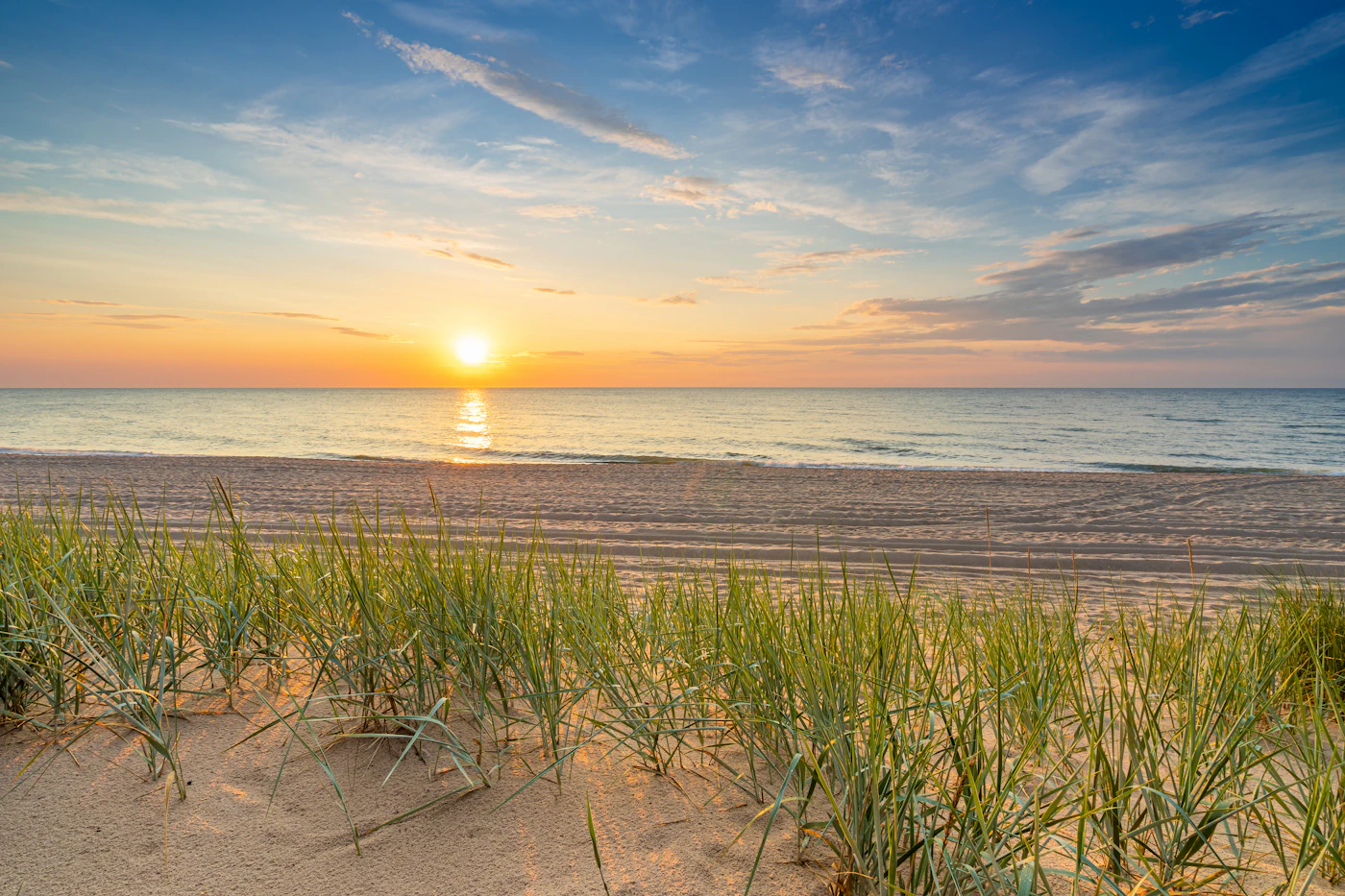
The idea of a sunrise walk often sounds simpler than the morning feels. An alarm rings in an unfamiliar room, a bag is still unpacked, and the route to the beach looks different in low light. By the time the horizon brightens, the outing can feel like a race to capture a moment rather than an opportunity to enjoy it.
A better approach is to make the morning smaller. Choose a straightforward permitted place, prepare the practical details the evening before, and leave room for clouds or a later start. The changing light is only one part of the experience. Quiet streets, the first activity along a waterfront, and an unhurried breakfast can make the morning worthwhile even when the sky does not perform.
Decide what you mean by sunrise
Some people want to see the sun appear above an unobstructed horizon. Others want the softer atmosphere around the beginning of the day. These are different goals. The second offers more flexibility because it does not depend on an exact viewpoint or a clear sky at a particular minute.
Talk about the purpose with anyone joining you. A companion expecting a short promenade stroll may not welcome a long drive to a remote lookout. Agree on the amount of effort the morning deserves. A modest outing near your accommodation can be more restorative than a complicated excursion built around a single photograph.
Do not make the morning a test of discipline. If the previous day was tiring or the conditions are unsuitable, choose another time. A vacation ritual should add pleasure, not become an obligation that begins with too little rest and ends with irritation.
Choose the viewpoint in daylight
When possible, inspect the intended route during daylight on an earlier occasion. Confirm the legal entrance, surface, steps, barriers, and the place where you plan to stop. A route that is easy to understand in the afternoon can be confusing before dawn, particularly in an unfamiliar destination.
Look for a maintained public waterfront or another established viewing area with a simple approach. Remote or unofficial access is unnecessary for a rewarding morning. The ability to arrive comfortably and leave easily matters more than the promise of being alone.
Check opening hours and any seasonal restrictions. A beach may be public while a particular gate or parking area is closed at the time you intend to arrive. Do not assume that sunrise gives special permission to enter before opening or bypass a barrier. If access is uncertain, choose a different location.
Check orientation without overengineering it
A place beside the sea does not automatically face the sunrise. Use a map and reliable local information to understand the direction of the view and whether buildings, landforms, or vegetation affect it. The exact appearance changes with date and location, so avoid relying on a photograph taken in another season.
Official sunrise information can help establish timing, but it does not promise a visible sun or dramatic color. Clouds and the local horizon affect what you see. Treat the time as a planning reference rather than a performance schedule.
If the direct view is unavailable, consider reflected light on the water, changing color in nearby clouds, or the way the town begins to wake. A morning can be visually interesting in several directions. You do not need to relocate hurriedly just because the expected horizon is obscured.
Make a decision before going to sleep
Check the forecast and local notices the evening before, then review current information again before leaving. Decide what conditions would lead you to stay in, delay, or use an alternative. Making that decision calmly in advance reduces the temptation to continue merely because you already woke early.
Prepare clothing, footwear, a manageable bag, and any personal essentials suitable for the route. Save the entrance location and return arrangement. Charge devices you need, but avoid packing a collection of photography accessories that turns a simple walk into a production.
Set a realistic departure plan. Include the time needed to get ready and reach the actual viewing point, not just the drive to a general beach address. If that requires an uncomfortably early start, choose a closer place or enjoy the later morning light instead.
Understand low-light access limits
Reduced visibility changes how a familiar-looking route can be used. Follow the managing authority's instructions about access, lighting, and permitted areas. Do not choose an unfamiliar rocky shoreline, tidal passage, or exposed edge for a first visit before daylight.
Bring appropriate lighting where allowed and needed, while respecting wildlife and local restrictions. In places with sensitive nesting habitat, ask the responsible authority what nighttime or early-morning access is permitted. A general assumption that a small light is harmless is not enough.
Keep the outing on an established route and avoid entering the water as an automatic part of the walk. A quiet sea can still have hazards, and the absence of lifeguards or other facilities changes the practical setting. This article is about observing the morning from suitable public access, not assessing swimming conditions.
Arrive without needing to claim the scene
Other people may have the same idea. Expect photographers, walkers, workers, or residents using the waterfront. Leave room at viewpoints and keep equipment out of paths. The value of an early visit does not depend on having the place exclusively to yourself.
Choose a comfortable position that does not require constant movement. If the most popular spot is occupied, use another permitted view rather than squeezing into a narrow area or stepping beyond a boundary. A slightly different angle can still describe the morning beautifully.
Allow a few minutes without the phone. Notice the sounds, the changing visibility of the shore, and the activity around you. This pause gives the experience an independent existence before it becomes an image. It also helps you decide what you actually want to photograph.
Let the walk have a gentle rhythm
You do not need to walk continuously. A short movement along an established promenade, a pause at a suitable bench, and another brief section can provide variety without turning the morning into a distance goal. Choose a pace that allows attention to the surroundings while maintaining awareness of the route.
If walking with someone, let conversation follow the mood rather than forcing silence or constant commentary. Some people enjoy sharing what they notice; others prefer a few quiet minutes. A simple agreement before leaving can make both preferences comfortable.
Keep the return in mind. The outward walk may feel easy while enthusiasm is high, but the plan should still fit breakfast, transport, and the group's energy. Set a recognizable turnaround point rather than continuing indefinitely because each new stretch of shore looks inviting.
Notice a sequence instead of one instant
The morning develops through small changes. A distant building becomes visible, the surface of the water takes on a different tone, or the first people begin using a public space. Watching a sequence can be more satisfying than waiting for a single dramatic second.
Choose three moments to remember: the arrival atmosphere, a change you notice, and the scene as you prepare to leave. These do not need exact timestamps. They simply encourage you to see the outing as an unfolding experience rather than a photograph with a long wait attached.
For a hypothetical morning, the first note might describe a quiet paved waterfront, the second the appearance of color on nearby clouds, and the third the opening of a small cafe. The sun itself may remain hidden. The sequence still tells a clear story about a place moving into the day.
Photograph with ordinary restraint
Take pictures from suitable positions and keep the camera secondary to your awareness of the route. Do not walk backward while composing, move toward an edge, or enter a restricted area to remove an obstruction from the frame. A barrier or public structure can be part of the honest setting.
Work with the available light rather than expecting the phone to reproduce everything your eyes perceive. A simple silhouette or a broader view of the shoreline may communicate the atmosphere better than repeated attempts to capture an intense bright point. Learn your device's basic controls before the outing rather than experimenting while blocking a viewpoint.
Ask companions before making them the subject of a portrait, and avoid including strangers unnecessarily. Keep edits plausible if the image is presented as a record of the visit. The morning does not need exaggerated colors to justify having been there.
Give cloudy skies a useful role
Clouds can soften contrast, conceal the horizon, or create subtle changes across the water. Instead of judging the morning against a clear-sky image, look for what the actual conditions reveal. Texture, reflections, and the relationship between buildings and sky may become more interesting than a distant horizon.
If the weather remains appropriate for the chosen route, change the observation goal rather than chasing another viewpoint. Perhaps the walk becomes about the town's first activity or the patterns of light on a sheltered promenade. The revised purpose should fit the real conditions, not deny them.
When weather makes the outing unsuitable, return or follow official shelter guidance. There is no virtue in waiting outside for a color change during hazardous conditions. A later indoor breakfast with a view can become the morning's main pleasure without needing to be described as a consolation.
Keep wildlife observation undirected
Early hours may bring visible animal activity, but do not approach, feed, follow, or shine lights at wildlife. Follow site-specific guidance and stay out of protected areas. A beach that appears empty may still contain sensitive habitat or seasonal restrictions.
If you encounter a nesting area or an animal that appears to need help, contact the appropriate local staff or authority and follow their instructions. Do not assume that moving closer is necessary to understand what is happening. Distance and uncertainty can coexist with genuine interest.
Avoid publishing precise sensitive locations simply because an encounter occurred during your walk. A broad description of the morning often serves the story without directing additional attention toward a vulnerable place. The best memory leaves the subject free to continue its day.
Plan the breakfast before hunger plans it for you
Check which nearby places are actually open at the time you expect to finish. A cafe that looks perfect in an afternoon photograph may open much later than your walk ends. Have a simple alternative, whether that is breakfast at your accommodation or appropriately carried food suited to the outing.
Keep the meal close enough that it does not undo the morning's calm with a long search or drive. If the group has dietary or access needs, confirm those in advance. A modest familiar option can be more satisfying than an ambitious breakfast destination with uncertain availability.
Use the meal as a transition. Review a few pictures, share what each person noticed, and decide how much activity the rest of the day needs. An early start does not have to be followed by a full sightseeing schedule. Leaving some open time can preserve the feeling that made the morning appealing.
Make a repeatable version
Afterward, note what worked: the entrance was easy to find, the route had useful seating, or the closer viewpoint was enough. Record practical details separately from the weather, which may differ next time. A successful visit does not establish that the same conditions will recur.
Simplify the next outing based on experience. Perhaps you needed less equipment, a later departure, or a shorter walk. A repeatable ritual is one that fits ordinary energy and circumstances, not one that requires every detail to align perfectly.
The most lasting reward may be a different relationship with the beginning of a day. You were present for a place becoming visible, moving, and occupied. That experience remains valuable whether the horizon turned brilliant or stayed quietly gray.
Keep the outing personal rather than competitive. Another traveler's more vivid sky does not make your morning less successful. A familiar bench, a quiet conversation, or the pleasure of returning for breakfast can become the detail you remember longest. Let the experience be judged by how it felt to be there, not by comparison with someone else's edited image.
Before the next early walk
Write a short plan containing the permitted entrance, opening hours, current forecast source, route limit, lighting guidance, and breakfast option. Share it with companions and recheck changing details before departure. This small preparation allows the morning itself to remain spacious.
For coastal conditions, consult the National Weather Service's beach guidance and the authority managing your chosen route. Current local access restrictions and weather instructions should determine whether an early outing is appropriate.