TROPICAL-TRIBE
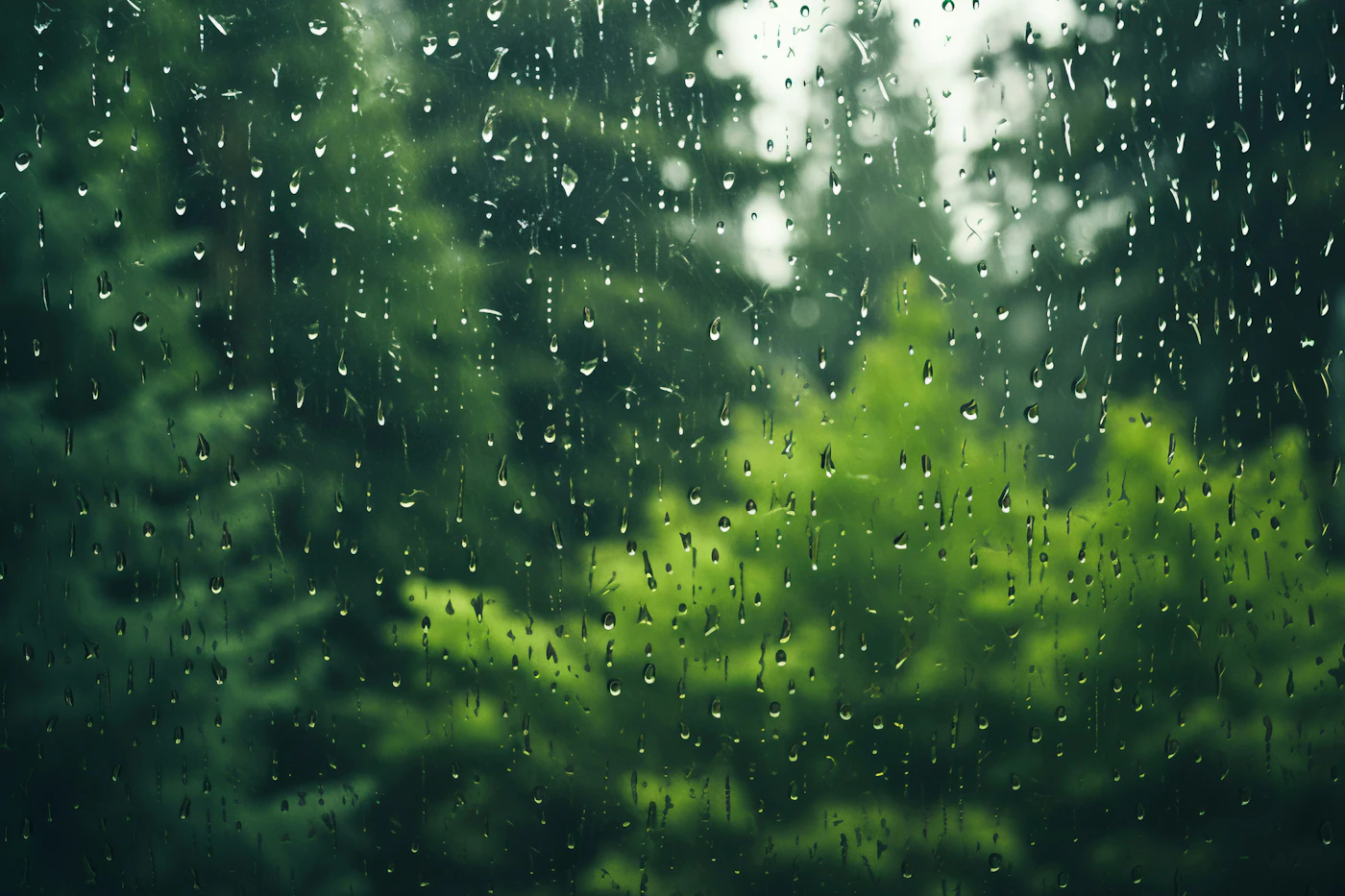
A wet afternoon can change the shape of a trip. The walk you expected may no longer be appropriate, and the view from your accommodation may seem like a poor substitute for getting outside. Yet a window can provide something a busy excursion rarely offers: time to watch a small scene without constantly moving toward the next landmark.
Nature observation does not require entering the weather. From a suitable indoor position, you can record the outline of a tree, the way distant detail disappears, or the changing brightness of a courtyard. These observations are modest, but they are real. A notebook gives them a place to accumulate without requiring scientific equipment or a claim that you understand everything happening beyond the glass.
This activity is an alternative for appropriate circumstances, not a reason to ignore alerts or shelter instructions. Follow the responsible local authorities and your accommodation's guidance. During severe conditions, attending to safety takes priority over watching a view. A drawing exercise can wait, and an interior subject can be just as useful when looking outside is unsuitable.
Choose a viewpoint that already works
Start with a comfortable indoor seat and a window you can use without opening it or leaning beyond it. The view might contain a courtyard, a street tree, a distant hillside, or a few planters. You do not need an uninterrupted panorama. A small portion of visible foliage can provide enough variation for an entire notebook page.
Check that using the space will not inconvenience others. A shared lounge may need circulation space, and a café table may be available only to customers under particular conditions. Keep your materials within your own area and leave entrances clear. Avoid treating a covered exterior walkway as equivalent to secure indoor shelter; choose the setting according to current guidance rather than the attractiveness of the view.
Set a question smaller than the weather
Instead of asking what the storm is doing, choose something you can observe directly. How does the outline of the nearest plant differ from the trees behind it? Which surfaces look brightest from your seat? Where does your view become indistinct? These questions do not require you to interpret weather systems or predict what will happen next.
Write the question at the top of the page. It provides a reason to return your attention when the scene seems uneventful. If the question stops being useful, change it openly rather than forcing a result. A personal notebook can show that your interest moved from leaf shapes to reflections. The change itself is part of learning how to look.
Describe the frame before the details
Make a simple diagram of what is visible from your seat. Mark broad areas such as building, sky, foliage, and pavement. Include the window frame if it helps explain the viewpoint. This establishes the limits of your observation and prevents a close description from sounding as though it represents the whole landscape.
Add the date and general location, along with a plain description of the viewing conditions. You might note that you were looking through closed glass from an upper-floor room. Do not infer measurements you have not made. Phrases such as partly obscured or difficult to distinguish are useful because they preserve the difference between the scene itself and the portion you could actually see.
Record a sequence rather than a verdict
Divide a page into three areas and return to the same view at separate moments. Sketch a broad outline each time or write a few sentences about the most noticeable difference. The intervals can be informal. You are making a personal sequence, not collecting standardized data for a study, and it is better to label a loose method honestly than to imply precision.
Compare the entries afterward. Did the view change, or did you begin noticing something that was there all along? Often both are possible. Leave that uncertainty in the notes. A sequence can be valuable because it slows your attention, even when it does not establish a cause. You can describe an altered patch of light without explaining exactly which cloud produced it.
Follow shapes without assigning identities
Plants seen through a window may be unfamiliar or too distant to identify. Begin with form: narrow leaves, a branching silhouette, a dense rounded canopy, or a single stem crossing another shape. Draw only what the viewpoint allows. A rough outline can help you distinguish two visible plants without claiming their names or origins.
If identification interests you, save the question for a reliable local educational source or a later suitable visit. Image suggestions are not a substitute for the features needed to establish identity. Do not open a window, enter a private garden, or leave shelter to obtain a closer photograph. Remaining uncertain is a reasonable outcome when the activity is built around a limited view.
Notice movement as a visible pattern
Choose one small part of the scene and describe its movement in ordinary terms. A branch may sway unevenly, a hanging leaf may move independently, or reflections may break apart as the surface changes. Record only what you can see from the chosen position. Avoid translating a visual impression into wind speed, rainfall intensity, or a claim about structural safety.
Try drawing several short lines that suggest direction rather than attempting a detailed animation. Beside them, write whether the movement appeared continuous, occasional, or difficult to separate from changes in your own reflection. The exercise encourages careful description. It also shows how much interpretation can enter a casual statement such as the whole garden was moving.
Use color words before reaching for supplies
A pencil and words can record a surprisingly rich palette. Write down the differences you see: a pale gray reflection, a deep green mass, or a warm patch of wall behind leaves. These descriptions are personal comparisons rather than exact color measurements. Notice how the surrounding tones affect what stands out from your seat.
If you already have colored pencils, limit yourself to a few choices. The constraint encourages you to identify the dominant relationships instead of trying to match every shade. Keep liquids and materials away from borrowed furniture unless the space is intended for that use. A notebook activity should remain easy to put away, particularly when you are sharing accommodation with other people.
Give sound its own careful column
You may hear rain, building systems, nearby conversation, or an unidentified repetitive sound. Record what you hear without assuming the source is visible. The tapping near the window might not come from the tree you are drawing. Separate a direct description from a possible explanation, and use uncertain language when the connection is unclear.
Keep the observation private and considerate. Do not record other people's conversations or play audio in a shared room to compare sounds. A few written words are enough. If outside noise or the weather feels unsettling, there is no obligation to concentrate on it. Change to an indoor object, a book, or another activity that feels more suitable for the moment.
Invite companions without creating a lesson
Offer a short shared prompt rather than announcing a long activity. Each person might choose one shape in the view, draw it briefly, and explain what made it interesting. Artistic skill is irrelevant because the conversation concerns attention. Someone who prefers words can write a description, and someone who would rather read can decline without disrupting the exercise.
Compare the pages without ranking them. One person may notice empty space while another focuses on a railing or a leaf. These differences make the shared scene richer. Avoid asking anyone to defend an interpretation as though the notebook were an examination. A pleasant wet-day activity should reduce the pressure of a canceled outing, not replace it with a new requirement to perform.
Make an indoor companion study
When the outside view becomes repetitive, choose an ordinary object near the window: a cup, a folded cloth, or the shadow of a chair. Draw it on the facing page and note how the same light affects it. This links the room to the view without suggesting that you must remain focused outside for the entire afternoon.
Use only objects you are permitted to handle. Leave decorative arrangements, plants, and other people's belongings where they are unless you have permission to move them. The available viewpoint is part of the exercise. Working with a slightly awkward angle can teach you more about observation than rebuilding the room around a perfect composition that someone else must later restore.
Try a simple courtyard example
Imagine a room overlooking a planted courtyard. The first page contains a broad diagram of the window, a wall, and two visible plant shapes. The second page records three short observations made between reading breaks. One concerns a bright surface, another a moving leaf, and the third the point where the view becomes difficult to distinguish.
Later, compare what you wrote. Perhaps your first description called the courtyard empty, while the later notes reveal several overlapping forms and changing reflections. Nothing dramatic needed to happen. This fictional example illustrates the method rather than reporting an actual visit. Its value lies in replacing a broad first impression with a few precise details you could genuinely support from your position.
Keep the notebook separate from trip decisions
Enjoying a sheltered view does not tell you whether a trail, road, beach, or boat service is suitable. Make those decisions using current official information and the relevant operator or site authority. Do not use a brighter patch of sky, a pause in visible rain, or a nearby person's confidence as a complete basis for resuming an outdoor plan.
Set a separate time to review practical arrangements if necessary. This prevents the notebook session from becoming constant monitoring in disguise. Once the day's decision is made, let the activity be what it is: a way to notice a small scene from an appropriate place. You can have an absorbing afternoon without proving that you made the best possible use of every hour.
Make an uncertainty key for the notebook
Choose a simple written convention that separates a direct observation from a guess. You might write seen beside a visible shape and possible beside an explanation you want to check. Leave a third category for questions. The labels do not make the notebook scientific; they simply help you remember how you knew something when you read the page later.
Apply the key to one short entry. A dark band moved across the paving is an observation from your viewpoint. Its cause may remain uncertain if you could not see the whole scene. Keeping those two parts separate makes the description more useful. You can add a later explanation from a reliable source without rewriting the original note as though you knew it at the time.
Edit a small sequence into a memory page
At the end of the afternoon, choose three details from your notes rather than copying everything. Pair a broad view, a small feature, and one unresolved question. This gives the page a readable structure and preserves the scale of the activity. You were watching a limited scene from a particular seat, not documenting the entire landscape or weather event.
Use a short caption to connect the entries. It might explain that you began by looking at the tree but ended by noticing the shapes between its branches. A change in attention can be the story even when little changed outside. Leave room for a later note if you want, then close the book. The afternoon does not need a dramatic conclusion to become a satisfying part of your record of the trip.
Leave a prompt for another window
End the page with a question you could use elsewhere, such as where the nearest clear outline meets a less distinct background. A transferable prompt helps the notebook remain useful after the trip. You can try it from an appropriate place at home without needing the same weather or landscape.
Compare the two entries through the act of looking rather than through which setting seems more impressive. A familiar street tree may offer clearer overlapping shapes than the holiday courtyard. This is one way a modest wet-day activity can become an ordinary creative practice, with curiosity attached to accessible viewpoints rather than exceptional destinations.
Return to the page when conditions change
On another suitable day, you may recognize part of the view from an ordinary public route. Look for the same broad relationships while respecting access rules and the privacy of nearby spaces. You might discover that a shape you interpreted as one plant was several layers. Add the correction to the notebook rather than concealing the earlier uncertainty.
The comparison gives the wet-day page a second life. It records both what you saw and what the viewpoint prevented you from knowing. Over time, this habit can make observation more patient and descriptions more honest. A changed forecast then becomes more than an interruption: it can offer a different scale of attention, one small enough to fit inside a window and substantial enough to remember.