TROPICAL-TRIBE
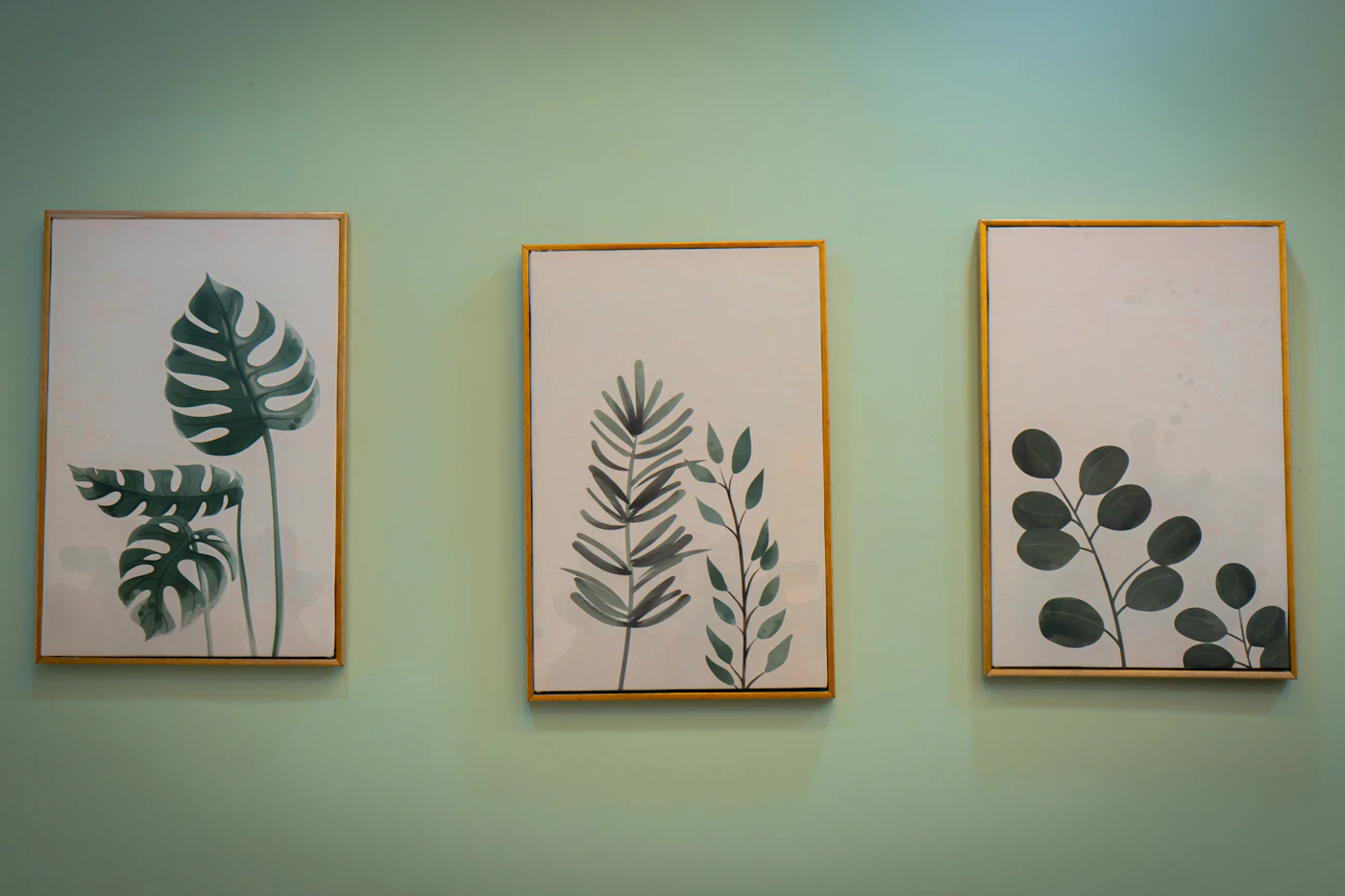
A botanical wall can be more than a row of interchangeable leaf prints. It might include a photograph from a family walk, a drawing made while learning to observe plants, or a carefully chosen work by an artist whose approach you admire. The subject connects the pieces, but their meaning gives the display a reason to exist beyond matching the sofa.
The challenge is deciding what belongs together and how much the wall needs. A collection may grow gradually through gifts, travel, and changing interests. Not every item must be displayed at once. A thoughtful arrangement can honor the collection while leaving enough quiet around it for individual pieces to be noticed.
Start with the collection, not the empty wall
Gather the images and objects you might display, then place them where you can compare them safely. Include works already hanging elsewhere if you are considering a change. Do not buy fillers yet. The first task is to understand what you already have and what connects it.
For each piece, write a short reason for keeping it in consideration. Perhaps you remember the afternoon when the photograph was taken, admire the artist's use of space, or enjoy the way a drawing reveals a plant's structure. If the only reason is that the frame is the correct color, the piece may be serving a weaker role than you initially assumed.
Separate sentimental value from display suitability. A fragile original or an object requiring special conservation may be better stored appropriately or displayed with professional advice. You can value something deeply without placing it on the sunniest wall in the house. The collection deserves care as well as visibility.
Choose one organizing idea
An organizing idea helps the wall feel coherent without forcing every piece to match. It might be a particular place, a study of leaf shapes, a limited palette, or the relationship between close-up details and wider landscapes. Keep the idea simple enough to explain in one sentence.
For example, a collection about neighborhood trees could combine your own photographs with sketches and a map you are authorized to display. A collection about green forms might include work from different places but use similar visual scale. Neither needs to claim scientific completeness or represent every plant in a region. It is a personal selection with a clear point of view.
Avoid making the theme so broad that anything can enter. If plants, beaches, architecture, food, and every vacation souvenir all qualify, the wall may lose focus. Those interests can remain elsewhere in the home. A display becomes stronger when it makes a few deliberate choices rather than carrying your entire biography on one surface.
Verify that you can use the images you choose
Use your own work, purchased artwork intended for display, or images for which you have appropriate permission. Do not assume that an image found online is available to download, print, and reproduce simply because it appears in a search result. Check the applicable terms or ask the rights holder when the intended use is unclear.
Keep the artist's name, purchase information, and any license details with your records. Even when these are not displayed on the wall, they help preserve the object's context and support future decisions. If you commission a work, agree on the intended use and deliverables directly rather than relying on assumptions.
For personal travel photographs, consider the people shown and the context in which they were taken. A botanical display need not turn strangers into decorative background. Selecting images centered on plants, landscapes, or your own companions with their agreement can keep the focus on the story you actually intend to tell.
Compare visual weight, not only dimensions
Two pictures of equal size can have very different presence. A dense dark photograph may feel heavier than a pale line drawing, while a wide mat can give a small image a larger visual footprint. Look at the group from a distance and notice where your eye goes first.
Choose a main piece or a clear rhythm rather than allowing every item to compete equally. A larger photograph might anchor the group, with smaller studies around it. Alternatively, several similarly sized works can create a quieter sequence. The choice should suit the collection rather than follow a formula borrowed from a different room.
Consider the furniture below the display. A wall arrangement above a sofa or console has a relationship with that object, while a display on an open hallway wall stands more independently. Test the overall width and placement in the actual setting before deciding that a particular frame size is correct.
Use frames to connect without erasing differences
Frames can provide a common language across mixed work. Similar wood tones, consistent mat colors, or a repeated profile may connect photographs and drawings. Exact matching is not required, especially if some frames have their own history. The goal is a relationship, not the appearance that every piece came from one boxed set.
Ask a qualified framer about valuable, fragile, or unusual pieces. Materials and methods appropriate for a casual print may not suit an original drawing or textile. Do not trim or alter an important work merely to fit a convenient frame. The frame should support the art, not dictate irreversible changes to it.
If budget is limited, display fewer pieces well. One thoughtfully framed image can be more satisfying than several compromised arrangements. You can add to the wall gradually as resources allow. A collection does not need to look complete on the day you decide it deserves attention.
Test the arrangement before making holes
Lay out the works safely on a clean surface where you can compare spacing. Photograph a few possible arrangements and review them in relation to the room. Paper templates can help you understand scale on the wall if used with a method appropriate to the surface and permitted in the home.
Look from the places where people actually sit and enter. A grouping that seems balanced while you stand directly in front of it may feel crowded from the doorway. Consider glare and changing light as well. A picture that reflects a window at the main seating angle may need another position or professional framing advice.
Once the layout is settled, use installation methods suited to the wall, artwork weight, and household. Follow hardware instructions and rental requirements. Seek qualified help where needed. Leaning frames, improvised supports, or heavy objects above seating deserve careful consideration rather than being copied from a styled photograph without context.
A fictional collection with too many stories
Imagine a person with twelve potential pieces: three garden photographs, two botanical drawings, a beach panorama, several postcards, a family photograph, and a small woven object. The first plan puts everything on one wall because each item relates loosely to a memorable trip. The result feels scattered, and the smallest postcards disappear among the larger images.
The person identifies the story they most want the room to tell: noticing plant forms during ordinary walks. Two garden photographs and the botanical drawings become the main display. The family photograph remains on a separate shelf, the beach panorama moves to another room, and the postcards are stored in an album where their written context can be enjoyed.
Nothing meaningful is rejected. The collection is simply given more than one way to be present. The wall now has a clear rhythm, and visitors can notice individual images without needing to decode twelve competing memories. Editing has made the personal story more visible rather than less complete.
Give objects context without turning the room into a museum
A small note on the back of a frame can preserve where an image came from, when you acquired it, and why it matters. This is especially useful for gifts or inherited work. The information does not have to appear beside every piece, but it should not be lost entirely if the object has a meaningful history.
If you display a collected object, be accurate about what you know. Do not assign it a cultural or botanical meaning based only on appearance. A seller's description, an artist's explanation, and your personal response are different kinds of information. Keeping those distinctions clear allows appreciation without inventing authority.
Conversation can provide context naturally. A guest may ask about a photograph, and you can share the story. You do not need to script that encounter with a long wall label. A home display can remain informal while still treating artists, places, and objects with care and honesty.
Let blank space do part of the work
A wall does not need to be filled from edge to edge. Blank areas help the eye distinguish one image from another and keep the display in proportion to the room. This is particularly important when the surrounding space already contains books, plants, and patterned textiles.
If the grouping feels busy, remove one piece temporarily before changing every frame. Look again from the doorway and the main seat. The remaining works may gain clarity simply through a little more space. A small display can carry a strong idea when its pieces are allowed to stand on their own.
Resist buying a filler because a gap looks unfinished during planning. Live with the arrangement first. The gap may become the breathing room that makes the wall successful, or it may eventually suggest a specific addition. Either outcome is better informed than purchasing an image solely to complete a geometric outline.
Rotate deliberately and store the rest properly
Rotating a few pieces can renew your attention without requiring new purchases. Choose a manageable rhythm based on your interest rather than a rigid seasonal schedule. A drawing that has been stored may feel newly compelling when it returns, especially if the surrounding room has changed.
Store works according to their materials and value, seeking professional guidance where appropriate. Keep identification and any protective components together. Avoid treating the storage location as an anonymous pile of frames. An inventory photograph and a short note can help you remember what is available without repeatedly unpacking everything.
Do not rotate simply to maintain novelty. If a display continues to feel meaningful and well suited to the room, it can remain. Familiarity is part of living with art. The purpose of rotation is to enjoy the collection more fully, not to create another household task or a deadline for constant visual change.
Connect the wall to the rest of the room lightly
Repeat one color or material elsewhere if the display feels disconnected. A green tone from a photograph might appear in a cushion, or a wood frame might relate to an existing table. The connection can be subtle. There is no need to make every textile and object echo the artwork precisely.
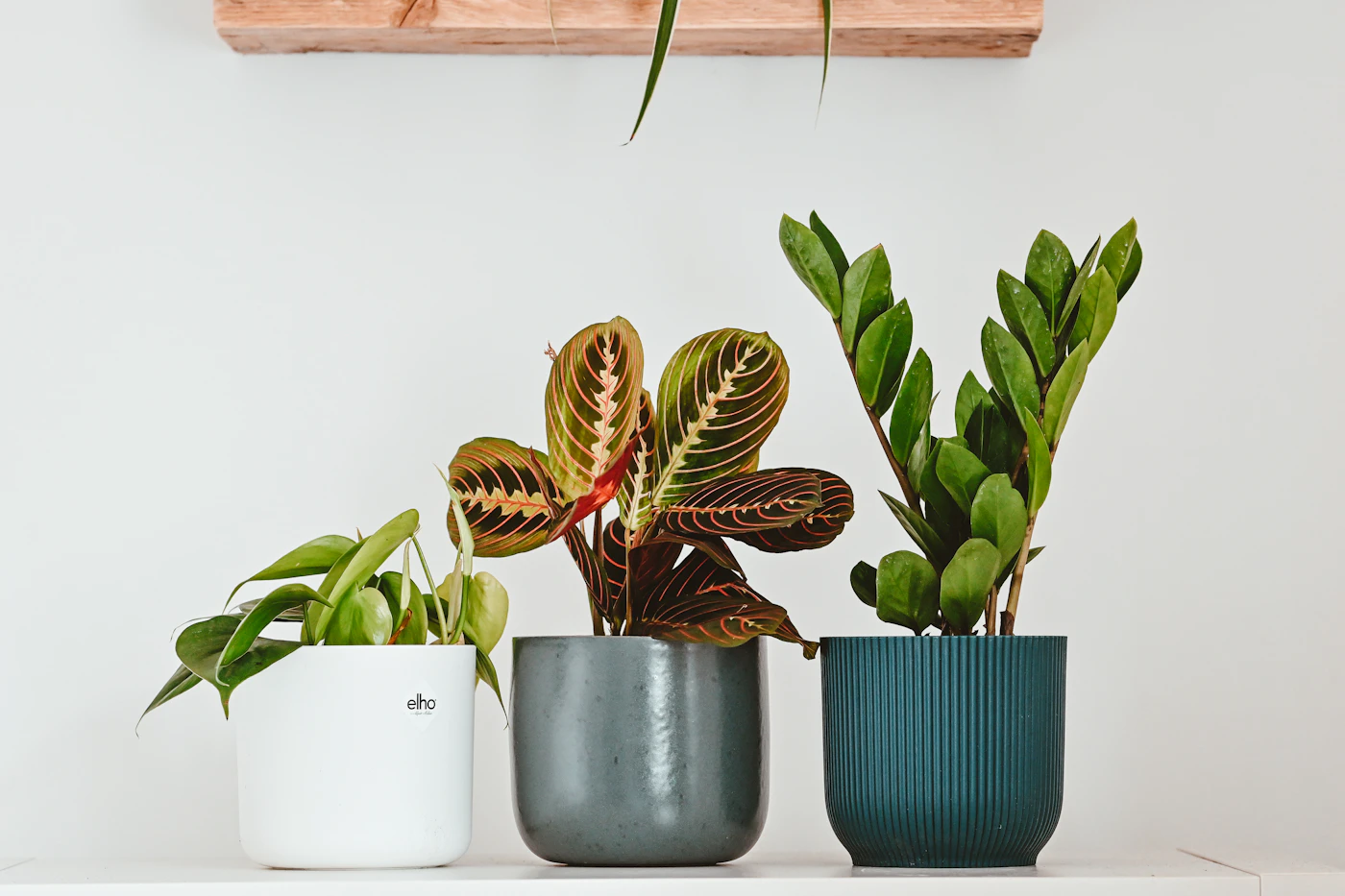
Keep living plants in positions appropriate to their needs rather than arranging them solely to frame the pictures. A botanical wall can provide greenery where a real plant would not thrive. This division of roles allows the room to feel leafy while respecting the difference between an image and a living organism.
Let unrelated personal objects remain. A favorite book, a bright ceramic cup, or a family photograph does not need to disappear because the wall has a botanical focus. The display is one voice in the home, not a rule for everything else. Its coherence can make room for variety rather than suppress it.
Make room for work created by the household
A personal sketch or photograph can sit comfortably beside purchased art when it is presented with the same care. Select it because you enjoy what it shows, not because every family activity must become wall decor. A modest drawing of a familiar leaf may connect the room to an ordinary afternoon more directly than a large anonymous print.
Ask the creator before displaying their work, especially when it was made privately or feels unfinished to them. Agree on whether the original should be framed or whether another appropriate presentation would be preferable. Respecting that choice gives the object a more generous context than treating it simply as a convenient decorative element.
Rotate household work if interests change, keeping dates and names with the pieces. The wall can reflect growth without becoming crowded with every stage at once. A small, intentional selection makes individual contributions easier to appreciate.
Finish when the collection becomes easy to notice
After installation, sit in the room without immediately adjusting anything. Notice which piece attracts you and whether you can enjoy it comfortably from ordinary viewpoints. If a frame is obscured, a reflection dominates, or an object feels precarious, address that concrete issue. Avoid endless rearrangement based on a vague sense that the wall should be more impressive.
The best display may be smaller than you first imagined. It may also include a humble photograph with more personal meaning than the most polished print you could buy. A botanical room gains character through the quality of your attention, not through the number of leaf images it contains.
When the wall invites you to look again at a shape, a place, or a memory, it is doing useful work. It brings nature into the room through observation and interpretation, while leaving space for the rest of life to continue around it.