TROPICAL-TRIBE
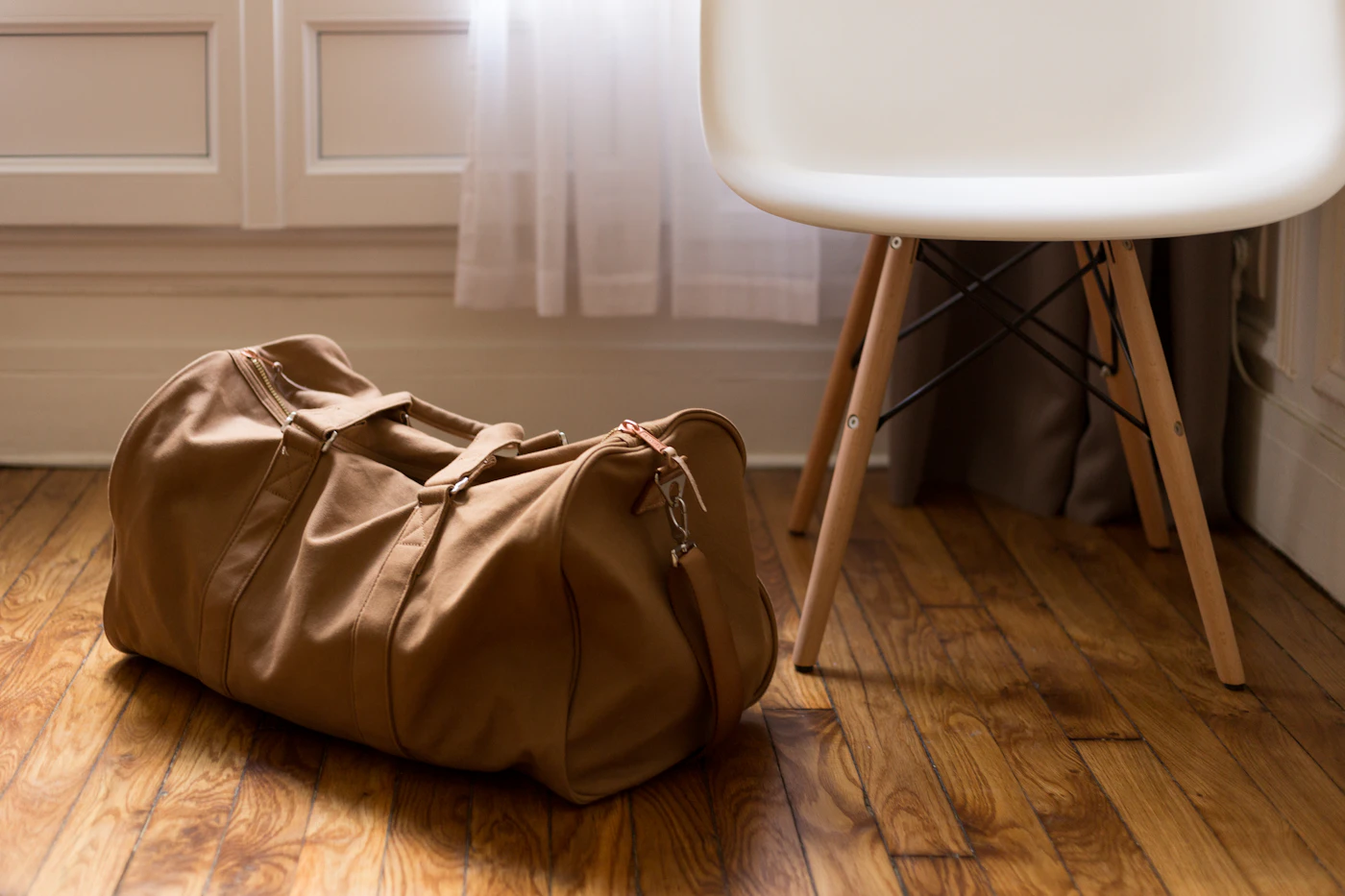
A small bag is most useful when it makes travel simpler, not when it becomes a badge of discipline. The goal is to carry clothing that supports the days you expect to have, with enough flexibility for ordinary changes. You do not need a special travel wardrobe or a fixed number of pieces that works for everyone. You need an honest picture of your trip and a few combinations you already enjoy wearing.
Warm-weather packing can look deceptively easy. Individual garments may be light, but extra shoes, multiple beach cover-ups, evening options, and a collection of “just in case” items can fill a bag quickly. A deliberate approach begins before anything goes into the suitcase. Look at activities, weather uncertainty, laundry access, and your own preferences, then decide which clothes can do several useful jobs without making every day feel identical.
Translate the itinerary into clothing needs
Write down the kinds of days the trip contains rather than listing every destination. You might have a travel day, several casual outings, time near water, one longer walk, and two dinners that call for something different from beachwear. These categories reveal the practical demands of the trip. They also help you avoid packing for events that exist only in your imagination.
Check current conditions and any requirements attached to booked activities or venues before making final choices. Airline baggage rules, local expectations, and activity requirements can change, so use the relevant official information for your own booking. Do not assume that a bag or outfit accepted on one trip will suit another. This guide offers a method, not a universal size limit or dress code.
Account for transitions. A day that begins with breakfast in town and continues to the shore may need a combination that changes easily. A long journey may call for a comfortable layer even when the destination is warm. Think about the hours between the headline activities: waiting, transferring, carrying luggage, or sitting through a meal. Clothes should work for those ordinary stretches too.
Start in your own closet
Choose garments you have already worn for similar lengths of time and activities. Familiar fit is valuable when you are away from home. A piece that looks ideal on a hanger but requires frequent adjustment may not earn its space. Try each candidate on, move around, sit down, and consider whether you would willingly wear it again later in the trip.
Identify a small group of colors that combine easily. This is a practical compatibility exercise, not a rule that vacation clothing must be neutral. A patterned shirt can belong in a compact wardrobe if it works with the bottoms you are taking. A vivid dress may be useful if it needs few additional items. What matters is how pieces relate to one another.
Avoid buying solutions before identifying a real gap. You may already own a shirt that works as a light layer, a bag suitable for outings, or shoes that cover most activities. If a purchase eventually proves necessary, make it for a specific function and leave time to try it before departure. A one-bag plan should not quietly turn into a shopping project larger than the trip itself.
Build complete combinations, not isolated items
Lay out outfits for the main activity types. Include footwear, undergarments, and any layer needed for comfort or venue expectations. This reveals whether a seemingly versatile piece actually works with the rest of the bag. Three attractive tops are less useful if each requires a different bottom or a separate pair of shoes.
Then look for overlap. A shirt might work with shorts during the day and a different bottom at dinner. A simple dress may suit both a casual lunch and an evening with a change of accessories. Do not force versatility where it does not feel natural. If you dislike wearing a particular combination, it is unlikely to become more appealing simply because it is the only clean option left.
Photograph the combinations if that helps you remember them, or make a short written list. The purpose is to prevent last-minute additions based on uncertainty. When you can see that several complete outfits already exist, an extra item has to solve a genuine problem to earn its place. Repeating a combination during a trip is ordinary and does not need to be disguised.
Give shoes the most demanding job interview
Shoes often occupy more space than expected and are difficult to replace comfortably during a trip. Begin with the pair that serves the most walking or standing. Choose based on what you know works for your feet and the planned conditions, not on a universal packing recommendation. A beach-focused stay and a town-centered itinerary may need different choices.
Consider whether a second pair offers a distinct function. It may be appropriate for water-adjacent use, a different level of dress, or giving your main pair time to air. A third pair should justify itself through an actual activity rather than a theoretical outfit. Lay the shoes beside the clothes and check whether each pair works with more than one combination.
Pack footwear clean and in a way that protects other belongings. Use a simple bag or covering you already own if suitable. Do not cram delicate items into shapes that could damage them just to achieve a smaller footprint. The final arrangement should be easy to unpack and repack, especially if you will change accommodations. A beautifully compressed bag that becomes impossible to manage after the first night is not a practical success.
Make a realistic laundry plan
Laundry changes the number of clothes you need, but only if the plan is workable. Check what your accommodation actually offers and what you are willing to do. Access to a washing machine is different from having time to use it, and a sink wash is different from a reliable drying arrangement. Do not build the entire wardrobe around a service you have not confirmed.
Read care instructions for the garments you intend to wash. Choose a method appropriate to the material and the setting. Allow for drying time, weather, and limited space without making assumptions about how quickly everything will be ready. If your plan depends on wearing the same piece again the next morning, have an alternative that does not create a crisis if it remains damp.
Decide whether laundry belongs in the trip at all. For a shorter stay, carrying a little more may be easier than spending part of the vacation washing clothes. For a longer trip, a planned laundry interval can make the bag manageable. Neither choice is inherently better. The useful comparison includes time, effort, cost, and the pleasure of having clothing you want to wear.
Separate genuine contingencies from vague anxiety
Some backup items address a clear possibility: an additional layer for an expected change in conditions, enough essential undergarments, or clothing required for a specific activity. Other extras respond to an undefined feeling that something might happen. Ask what event each item is for and how likely it is to matter on this particular trip.
If the answer is vague, consider whether another packed item could cover the need adequately. You do not need the perfect outfit for every imaginable circumstance. You need reasonable comfort and suitability for the trip you have chosen. At the same time, do not remove essential items merely to satisfy a numerical limit. A compact bag is a means, not the purpose of the holiday.
Keep personal needs central. People differ in comfort preferences, mobility, sensory considerations, clothing sizes, and the ease of replacing items away from home. Advice that works for a flexible solo traveler may not suit someone with more specific requirements. Your version of light packing should respect those realities rather than imitate another person's photograph of a nearly empty suitcase.
Plan the evening change with small adjustments
An evening does not always require a completely separate wardrobe. Look at what the actual plans call for and choose a few adjustments that feel appropriate to you. A different shirt, a clean layer, or a simple accessory may be enough. Check venue information when a dress requirement matters instead of guessing from the destination's general atmosphere.
Protect one clean combination for the occasion that is least flexible. If you have a reserved dinner or an event, make sure the necessary items will be available when you need them. Do not rely on a last-minute wash unless you are comfortable with the uncertainty. Keeping that combination together can make unpacking easier and reduce repeated searching.
For unplanned evenings, let the wardrobe set a reasonable boundary. If a spontaneous activity requires clothing you did not bring, you can choose another enjoyable option. Travel does not become richer merely by keeping every possible choice open. A coherent, comfortable set of clothes often makes decisions simpler and leaves more attention for the evening itself.
A worked example for a relaxed coastal week
Imagine a traveler planning a week with casual town walks, several beach afternoons, and two dinners. They begin with familiar shorts and lightweight bottoms, tops that combine with both, swimwear suited to their plans, one comfortable layer, and an outfit they already enjoy for dinner. The exact count depends on laundry and personal needs, so they focus first on combinations rather than copying a fixed list.
They discover that one proposed top works only with a bottom they would not otherwise take. It stays home. A second pair of evening shoes adds little because another comfortable pair already suits the dinners. They keep a spare everyday combination because their laundry plan is modest. They also leave room for necessary toiletries and the items they need during the journey, rather than treating clothing as the whole packing problem.
The final wardrobe is not the smallest theoretically possible. It is small enough to carry comfortably and complete enough that the traveler can stop thinking about it. The example illustrates a useful trade: a little less outfit variety in exchange for fewer decisions, easier transitions, and less time managing belongings. The right balance is the one that supports the actual week.
Test the bag before the last evening
Pack everything, including the small items that are easy to forget during a clothing-only trial. Close the bag without forcing it, carry it for a short period, and check whether the items needed en route are accessible. If you will handle stairs or walk between transport and lodging, consider whether the load feels manageable for you. Follow the baggage limits attached to your actual journey.
Unpack once and notice what makes the process awkward. Are frequently used items buried? Does one bulky piece distort the whole arrangement? Are shoes taking space that could be reduced by a different outfit choice? Make adjustments while there is still time to think. The test is more informative than adding and removing items in a rush before departure.
Leave some usable room if possible. Dirty clothes, damp items waiting for appropriate handling, and small purchases may not pack as neatly as freshly folded outfits. You should be able to repack without reproducing a complicated puzzle. Simple grouping by function can help, but use containers only when they make access easier rather than consuming space for the appearance of organization.
Learn from the return without making packing a hobby
When you get home, note which items you wore repeatedly, which remained untouched, and which you wished you had. Record the reason, not just the item. An unworn shirt may have been unnecessary because the weather differed from expectations, because it fit poorly, or because it did not combine well. Those are different lessons for the next trip.
Keep a short reusable packing note organized by activity and personal essentials. Adjust it for each journey instead of treating it as a universal list. This saves thought while preserving flexibility. You do not need to continually optimize every ounce or buy a new system after each vacation. The best result may be a familiar collection of things that you know how to use and care for.
One-bag travel works when the bag fades into the background. You have clothes that feel like yours, enough variety for the days ahead, and a plan for keeping them usable. Then the wardrobe can stop being the subject of the trip. The coast, the meals, the conversations, and the unplanned afternoon can take its place.
For trips with several stops, practice separating one day's needs from the rest of the bag. A small group containing tomorrow's clothing can prevent repeated unpacking when you arrive late or leave early. Keep the arrangement simple enough that you can change it after doing laundry. If two people share luggage space, make sure each can identify and reach essential belongings without relying on the other to remember the packing layout. Good organization should make you more independent and comfortable, not require one designated expert to reconstruct the bag at every move.