TROPICAL-TRIBE
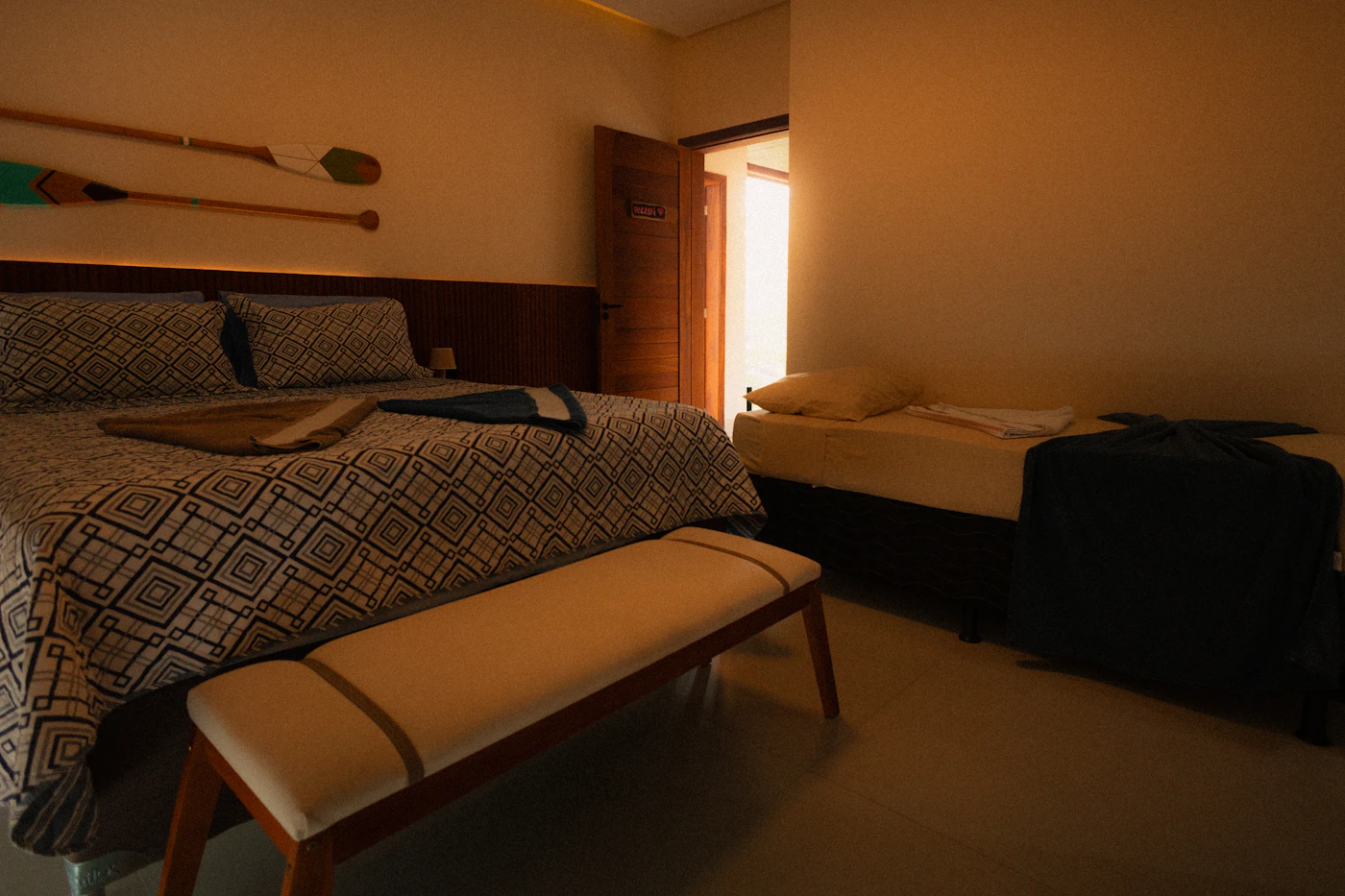
A good houseguest weekend often feels easy because someone has quietly clarified the practical details. Guests know where to put their things, how breakfast works, and whether the afternoon is planned. Hosts know when people are arriving, what food needs to be considered, and which parts of the household routine will continue. Ease comes less from constant entertaining than from removing small uncertainties.
You can create a tropical-inspired welcome through light, open space, simple food, and a little time outdoors when conditions suit. There is no need to turn your home into a resort or spend the weekend performing hospitality. The aim is to make a few shared experiences comfortable while leaving everyone room to be an ordinary person with different energy, habits, and needs.
Clarify the visit before planning the menu
Start with arrival and departure, how many people are coming, and what the visit is for. A weekend centered on catching up will look different from one built around an event. Ask about essential dietary, access, sleeping, or other practical needs without demanding personal explanations. Knowing what matters allows you to make honest arrangements rather than guessing.
Be clear about what your home can offer. If the guest bed is in a shared room, say so. If the bathroom is shared or the household rises early, mention it before arrival. Guests can decide what works for them when information is available. Surprises about basic comfort are less charming than surprises about a good breakfast.
Discuss any fixed commitments you will still have. You may need to work for part of the day, care for someone, or attend an existing appointment. That does not prevent a pleasant visit. It means the guests should know when they will have independent time. A realistic invitation is more welcoming than a promise of uninterrupted attention you cannot sustain.
Prepare the sleeping space for actual use
Clear enough room for guests to put down a bag, reach the bed, and place essential belongings. A convenient surface, suitable light, and access to charging if available may matter more than decorative extras. Provide clean bedding and towels appropriate to the arrangement, and explain where additional items can be found.
If the space serves another purpose, decide how it will change during the visit. A living room sleeping area may need a predictable morning transition. Store your own frequently used items elsewhere so that guests are not repeatedly disturbed by someone retrieving things. Small adjustments can make a temporary arrangement feel more considered.
Avoid filling every surface with welcome objects. A few practical items are easier to manage than a display that leaves nowhere for glasses, a book, or a phone. If you add flowers or greenery, choose something suitable for the household and guests. Hospitality is not a photograph of a room before anyone enters it; it is how comfortably people can use the room afterward.
Make arrival a soft landing
Tell guests how to reach you, where to enter, and any relevant parking or access details. If arrival timing is uncertain, ask for an update at a useful point rather than repeatedly checking. Have a simple plan for food, especially if travel may leave people hungry. You do not need a full meal waiting unless that is what you have agreed.
On arrival, offer the practical tour before launching into conversation. Show the sleeping area, bathroom, drinking water, and any household details they will need. Explain locks or other essential arrangements clearly. Then allow time to put bags away and settle. People often enjoy conversation more once they are no longer holding a coat and wondering where to place it.
Keep the first evening flexible. Travel delays and fatigue can make an ambitious welcome dinner difficult. A familiar meal or a modest shared snack may be enough. If guests are eager to go out, you can decide together. Starting gently gives the visit room to find its rhythm instead of requiring everyone to match the host's imagined opening scene.
Choose one shared anchor for each day
An anchor might be lunch outside, a neighborhood walk, a visit to a local place you enjoy, or cooking dinner together. It gives the day a shape without filling it. Choose something that suits the group rather than automatically presenting the area's most demanding attraction. A familiar outing can leave more attention available for conversation.
Account for the full time involved: preparation, transport, waiting, and returning home. If the anchor takes most of the afternoon, keep the evening simple. Guests may enjoy a lively day, but they also need time to change, rest, or manage personal tasks. Open intervals are not gaps in hospitality. They are part of making the visit comfortable.
Offer choices sparingly. Two realistic options are usually easier than asking a tired group what they want to do from an unlimited list. Explain the differences in time, cost, and effort, then let people express preferences. If opinions differ, consider separate activities for part of the day rather than forcing every person into the same plan.
Let meals carry some of the social time
Shared meals provide natural gathering points, but they need not be elaborate. Choose dishes you know how to prepare and that fit the guests' needs. If a recipe requires constant attention, it may leave you isolated in the kitchen while everyone else talks. A simpler meal can create more actual time together.
Explain breakfast arrangements early. Some guests prefer to rise before the host; others may sleep later. Show what is available and what they are welcome to use. If breakfast will be shared at a particular time, say so. Clear information avoids the awkwardness of guests waiting hungry because they do not know whether it is polite to help themselves.
Keep cleanup visible and manageable. Accept specific offers of help if you want them: setting the table, washing dishes, or putting leftovers away. You do not have to refuse assistance to be a gracious host. At the same time, avoid assigning guests a complicated system they cannot understand. Simple, bounded tasks can make the evening feel collaborative without turning the visit into work.
Discuss money before it becomes awkward
If an outing, meal, or ticket has a meaningful cost, mention it while planning. Guests may have different budgets, and a spontaneous expensive choice can put them in an uncomfortable position. Present lower-cost alternatives without framing them as lesser experiences. A walk and lunch at home may be exactly what the visit needs.
Clarify whether you are treating guests to something or expecting everyone to pay their own share. Ordinary phrases can make this clear without formality. “We would love to cook dinner for you” differs from “Shall we book a table and each cover our meal?” Ambiguity often creates more discomfort than a direct, considerate conversation.
Guests may want to contribute groceries or buy a meal. If you have a preference, say so. A useful contribution is one that fits the household rather than creates extra storage or preparation. You can suggest something specific or explain that no contribution is needed. The important part is making room for generosity without turning the weekend into an unspoken accounting exercise.
Protect downtime without making it feel like rejection
Tell guests when the household usually has a quiet interval. You might say that everyone tends to take an hour after lunch for reading, resting, or independent plans. This normalizes separate time and gives guests permission to do the same. Many people hesitate to withdraw because they worry it will appear ungrateful.
Provide enough information for independence. A few local options, a clear understanding of access to the house, and any necessary contact details can help guests enjoy time on their own. Do not assume they want constant guidance. Some may appreciate exploring while you handle ordinary tasks, provided the arrangement is discussed rather than sprung on them.
Respect different social rhythms. One person may enjoy late conversation while another prefers an early night. Agree on reasonable noise and shared-space expectations. A good visit does not require everyone to become the same kind of traveler. It requires enough consideration that different preferences can coexist without repeatedly inconveniencing someone else.
A realistic weekend example
Imagine two friends visiting a couple for a coastal-town weekend. Before arrival, the hosts explain that the guest room is small, breakfast will be informal, and Saturday afternoon includes one planned walk. They ask about food needs and confirm the departure time. Friday dinner is a familiar meal that can wait a little if travel is delayed.
Saturday begins at different times, with breakfast items available in the kitchen. Late morning remains open. After lunch, the group takes the agreed walk and pauses somewhere pleasant. They return with enough time for separate activities before dinner. One guest reads, another goes out briefly, and the hosts prepare food without trying to entertain continuously. Sunday contains breakfast and a short visit before departure.
Nothing in this hypothetical weekend is especially elaborate. Its success comes from clear expectations, a few shared experiences, and permission to separate. If rain changes the walk, the group can preserve the purpose through a relaxed indoor outing or a longer lunch. The hosts have designed for conversation and comfort rather than for a perfect sequence of events.
Adapt the plan for a small home
Limited space makes communication especially important. Identify which areas remain private, where bags can go, and when shared rooms need to change function. Keep walkways clear and avoid bringing in extra furniture that makes movement harder. A simple, workable arrangement is better than trying to imitate a larger house.
Use time as another form of space. Guests can have the living room for a quiet interval while hosts handle errands, or everyone can agree on bathroom use before a scheduled departure. These arrangements need not feel rigid if they solve real practical problems. Explain the reason and keep the plan proportionate to the length of the visit.
Consider whether some meals or activities outside the home would make the visit more comfortable, but do not assume spending money is the only solution. A suitable public park, a local walk, or independent time can provide variety. If the home genuinely cannot accommodate the visit well, discuss another arrangement before confirming. Honest limits are more considerate than an uncomfortable stay presented as effortless.
Handle changes without losing the whole weekend
Someone may arrive late, feel tired, dislike an activity, or need unexpected private time. Keep the plan flexible enough that one change does not unravel everything. Ask what is needed now and adjust the next part of the day. Avoid treating a guest's different preference as a judgment on your hospitality.
If a household boundary is being crossed, address the specific issue calmly. Explain what needs to change rather than accumulating irritation. Clear requests about noise, access, cleanup, or timing are usually easier to act on than hints. Guests cannot reliably infer rules that have never been stated, especially when their own household habits differ.
After departure, give yourself a modest reset rather than expecting to restore everything immediately. Put essential items back, handle necessary laundry, and leave less urgent work for later if you can. Notice what made the visit enjoyable and what created unnecessary effort. The next invitation can preserve the good parts while simplifying the rest. Welcoming people becomes more sustainable when the host's comfort is part of the design too.
One useful final gesture is a brief message thanking guests for the time together and mentioning a specific shared moment. It need not reopen planning or contain a review of the weekend. The visit is allowed to end warmly and simply. Hospitality lives in the quality of the welcome, the fairness of the arrangements, and the ease of being together, not in the number of activities completed or the appearance of a perfectly maintained home.
A short note that prevents repeated questions
For longer visits, a small written note can hold the details guests otherwise need to ask several times: the household's preferred contact number, breakfast arrangements, where towels belong, and any agreed departure plan. Keep private access information secure and share it only as appropriate. The note should feel like assistance, not a list of reprimands. Leave out obvious rules and focus on what a newcomer could not reasonably know. You can also include two nearby places you enjoy, with a reminder to check current opening details. This lets guests make independent choices while freeing the host from repeating the same practical explanation throughout the weekend.