TROPICAL-TRIBE
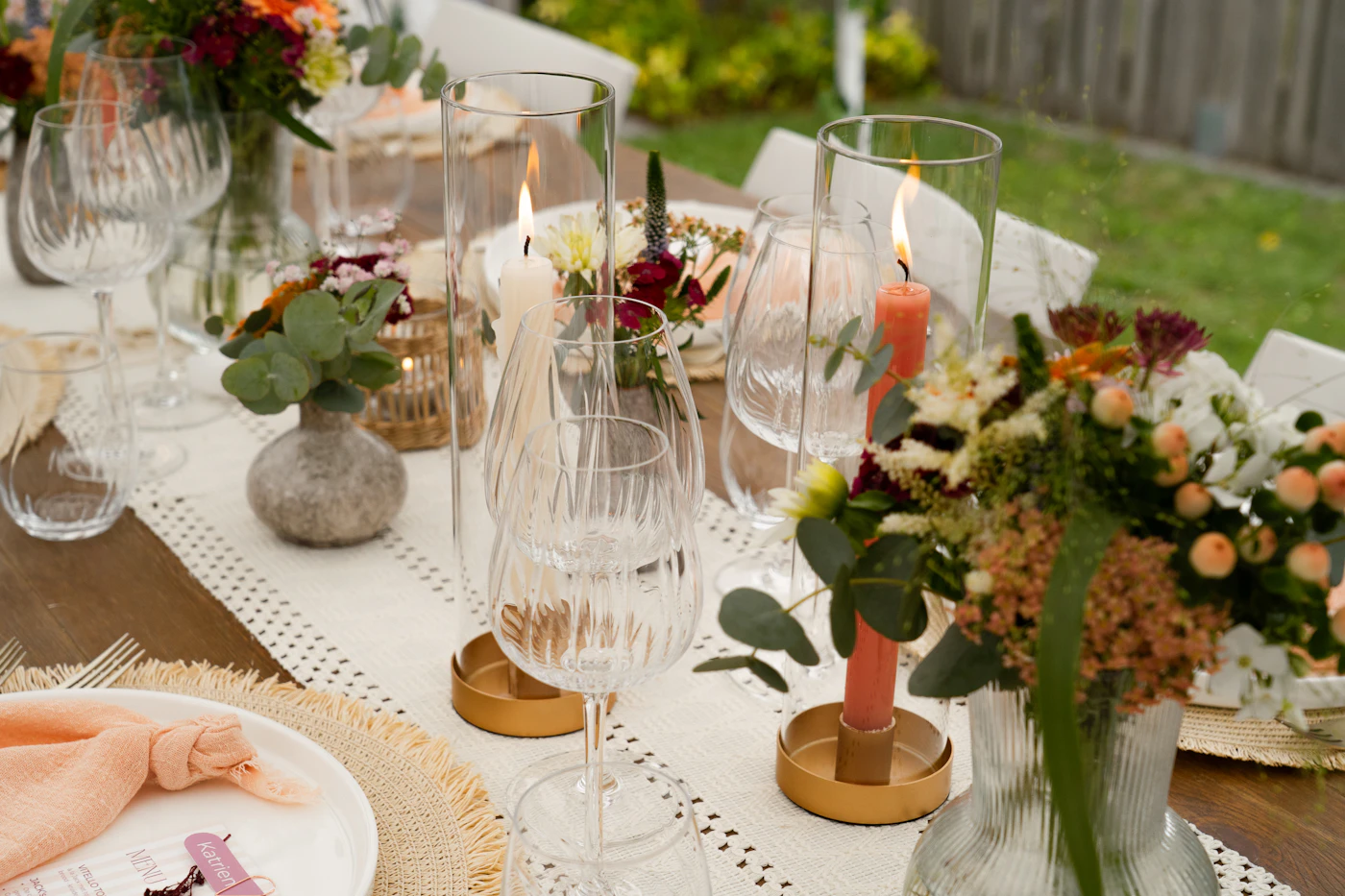
An outdoor dinner feels effortless when its hidden logistics are sound. The food reaches the table at a sensible time, guests can find water, chairs remain comfortable as the light changes, and the host does not spend the evening making urgent trips through a narrow doorway. The atmosphere may seem spontaneous, but the ease usually comes from a few well-chosen decisions.
Pacing is the relationship among those decisions. It determines how long guests wait before eating, how much attention each course demands, and when the evening can relax into conversation. A menu with individually simple dishes can still have poor pacing if every dish needs attention at the same moment. A smaller menu can feel more generous when it arrives smoothly.
The planning method below is designed for an ordinary home gathering, not a catered event. It uses an illustrative timeline rather than fixed universal times. Adapt it to your kitchen, weather, guests, and the safe handling requirements of the food you serve.
Define the eating time separately from arrival
An invitation that says only “come over in the evening” leaves people guessing whether to arrive hungry, bring a snack, or expect a long wait. Give an arrival window and an approximate eating time. This information helps guests plan and gives the host a useful target without making the evening feel rigid.
Think about the gap between those two moments. A short arrival period may need only drinks and a simple nibble. A longer period requires more deliberate hospitality and food handling. Do not create a lengthy wait merely because an elaborate appetizer seems necessary. The meal's main purpose may be served better by sitting down sooner.
If someone will arrive late, discuss what can be held or served separately. Avoid delaying the entire meal indefinitely unless the group has explicitly chosen that arrangement. A clear plan can welcome the late guest without making everyone else's evening depend on uncertainty. Thoughtful pacing respects the people already at the table as well as those still traveling.
Build the menu around its final ten minutes
List what each dish requires immediately before serving. A salad may need assembly, a hot dish may need checking, bread may need attention, and drinks may need finishing. Individually, these tasks look small. Together, they can create a crowded period in which the host has no spare hands or attention.
Choose a menu with different kinds of finishing work. One central preparation can require active attention while supporting dishes remain simple or are completed according to suitable make-ahead instructions. If every dish has a dramatic last step, remove or replace one. The menu should have a manageable final sequence, not merely a manageable total preparation time.
Distinguish a necessary task from an optional flourish. Safe cooking, proper holding, and clear service are necessary. A complicated garnish or a second sauce may not be. Knowing that distinction in advance makes it easier to simplify calmly if the weather changes or a guest arrives while you are finishing food.
Study the path between kitchen and table
Walk the route carrying an empty tray of the size you plan to use. Notice steps, door latches, narrow turns, and places where guests might gather. A door that closes automatically may require a different service plan. A path with uneven ground may make smaller loads more sensible than one large trip.
Keep the route clear throughout the gathering. Bags, shoes, and pulled-out chairs can create obstacles that were absent during setup. Give guests obvious places for belongings so the serving path does not become the default storage area. If the meal continues after dark, provide appropriate lighting along the whole route.
Choose serving pieces with the journey in mind. A shallow platter filled to its edge may be harder to carry outside than a stable bowl. Heavy dishes become more demanding over several trips. The best vessel is the one that reaches the table safely and remains easy to use, even if another option looks more elegant in the kitchen.
Let the setting determine the service style
Family-style dishes can encourage conversation, but they require enough table space and manageable containers. Individual plates reduce passing but may keep the host in the kitchen longer. A buffet can work well when there is a suitable sheltered surface and a clear route, but a cramped setup may create queues and confusion.
Choose the style that fits your actual space and menu. You do not need to maintain a single format for every course. A simple shared first course, a main served from the kitchen, and an easy dessert can work together if the transitions are clear. The key is to avoid creating a new logistical puzzle at each stage.
Explain unfamiliar arrangements briefly. Guests should know whether to serve themselves, wait for a dish, or bring their plates to another surface. A few calm words prevent hesitation and let people help appropriately. Good service does not require formality; it requires enough information that everyone can relax.
Give drinks their own rhythm
Place water where guests can reach it without interrupting food preparation. If drinks require individual assembly, decide whether you genuinely want to perform that task throughout the arrival period. A simpler self-service option may free you to greet people and finish dinner.
Keep the drinks area separate from the main serving route when possible. People naturally linger while choosing a glass or talking over a refill. If that happens in the doorway between kitchen and table, every food trip becomes awkward. A small side surface can solve the problem more effectively than repeatedly asking guests to move.
Plan replenishment before supplies run out. Extra water, clean glasses, and suitable ice handling should be easy to locate. You need not display every reserve. A well-organized station offers what people need now while allowing quiet refills later. This keeps the setting calm instead of turning it into a collection of bottles and packaging.
Use daylight as a planning constraint
Check how the dining area behaves at the expected meal time. Direct sun may affect one side of the table, while a breezy corner may become uncomfortable later. Conditions can shift enough during dinner that the best arrival seating is not the best dining arrangement. A small adjustment before guests sit can prevent repeated changes afterward.
Have usable lighting ready before it is needed. Guests should be able to identify food, see one another, and move safely. Decorative lighting alone may not provide enough visibility. Consider the route to the restroom and the place where coats or bags are stored, not only the tabletop.
Avoid tying the meal to an exact sunset performance. Weather and conversation do not reliably cooperate with a perfect photographic moment. You can enjoy changing light without making everyone wait for it. The schedule should support eating comfortably, with the setting providing atmosphere rather than controlling every decision.
An illustrative evening sequence
Imagine a host inviting six friends for an outdoor supper. The invitation gives a short arrival window and says dinner will follow soon afterward. The menu has one main preparation requiring attention near service, two simple supporting dishes, and a dessert that can be handled according to its recipe ahead of time. Water and a featured drink are available separately from the kitchen doorway.
Before guests arrive, the host finishes the table, checks the path, and prepares the appropriate holding arrangements. During arrival, only the main preparation remains active. A friend who offers help receives one contained task, such as carrying the already prepared water pitcher, rather than being recruited into an unclear cooking operation.
Dinner begins near the stated time. After the main meal, food is put away appropriately and the table is cleared enough for dessert. As light fades, the prepared lighting makes the transition easy. If the evening turns uncomfortable, the host can move conversation indoors because a usable surface and seats have already been left available. The sequence succeeds by reducing collisions among tasks, not by controlling every minute.
Protect a place for the host to sit
Choose a point in service when the essential work is finished and you can join the table. If the menu requires you to leave repeatedly for individual preparations, decide whether that is the experience you actually want. Some hosts enjoy active cooking in company; others want uninterrupted conversation. The menu should match the host as well as the guests.
Put frequently needed items within reach or identify a simple way for guests to help themselves. Extra napkins, water, and an ordinary condiment should not become repeated reasons for you to stand up. These small interruptions can fragment the evening more than one planned kitchen trip does.
Accept practical help without surrendering the whole system. A guest can carry empty dishes or bring out a prepared bowl if the task is clear. Several enthusiastic helpers searching cabinets may create more work than they remove. A calm, specific request preserves both your plan and the guest's wish to contribute.
Prepare an indoor version of the evening
An outdoor dinner needs a realistic alternative, even if the forecast looks promising. Identify where people can eat or continue the gathering if conditions become unsuitable. Clear enough space in advance that moving does not require a major household rearrangement while food waits.
Decide which parts of the setup can move easily. Smaller serving vessels, limited decorations, and a manageable drinks station adapt more readily than a large fixed display. The alternative need not reproduce the outdoor atmosphere exactly. It needs to preserve a comfortable meal and the ability to enjoy one another's company.
Make the decision before discomfort becomes the evening's main subject. If guests are repeatedly adjusting chairs, shielding food, or struggling to hear, the setting may no longer serve the gathering. Moving indoors is a successful adaptation, not an admission that the plan failed. The point was dinner with people, and that goal can survive a change of room.
Treat food holding as part of pacing
Safe food handling imposes real boundaries on a leisurely event. Follow current guidance for the ingredients and preparations you serve, using appropriate temperature control and a thermometer where needed. Do not let the phrase relaxed dinner become a reason for leaving perishable food unattended for an open-ended period.
Smaller batches may be easier to manage than a large display. Keep reserves under appropriate conditions and bring them out when needed. Track the handling of served food rather than assuming that adding a fresh portion resets everything. If the setup cannot support a particular dish safely, choose a different dish or service method.
Plan the transition after eating as carefully as the arrival. Prompt storage and clear decisions about leftovers let conversation continue without food sitting forgotten. A brief, organized reset can be less disruptive than a prolonged cleanup later. The practical rhythm of the meal includes what happens to the dishes after guests have taken their last serving.
Build one quiet pause into the middle
Not every transition needs immediate activity. After the main food has been served and essential handling is addressed, let the table settle for a while before announcing the next course. Guests may be in the middle of a conversation they want to finish. A pause gives the evening room to develop its own pace within the practical structure you prepared.
The distinction is between a chosen pause and a confusing wait. During a chosen pause, people have what they need and understand that there is no urgent task. During a confusing wait, they are unsure whether to keep eating, help, or expect another dish. A short comment from the host can make the difference: dessert will follow later, and everyone is welcome to relax for now.
Use the pause for your own participation too. Sit in the chair you prepared, taste the meal, and listen to the conversation. It is easy to treat every quiet moment as an opportunity to perform another household task. Yet a gathering can feel less relaxed if the host never stops moving. The useful work was intended to make company possible.
If you discover that the menu leaves no room for such a pause, reconsider it next time. One fewer course or a simpler dessert may improve the whole experience. Pacing is not about fitting more events into an evening; it is about giving the meal enough structure that nobody must continually manage it.
End without an abrupt production
Give the final part of the evening fewer tasks. Dessert, tea, or another simple closing gesture should fit the energy remaining in the group. Avoid introducing a complicated activity just as guests settle into conversation unless that activity was part of the invitation and everyone wants it.
Let departures happen naturally. Keep belongings accessible and the exit route well lit. A guest should not need to interrupt the entire table to retrieve a bag trapped behind furniture. These details make leaving as comfortable as arriving, which is part of a well-paced gathering.
Afterward, note the moment that felt busiest and the choice that made things easier. Perhaps the drinks station needed moving, one course was unnecessary, or the indoor backup was worth preparing. Use those observations next time. For handling questions, consult USDA food-safety guidance. A good outdoor dinner is a sequence people can inhabit comfortably, not a schedule they must obey.