TROPICAL-TRIBE
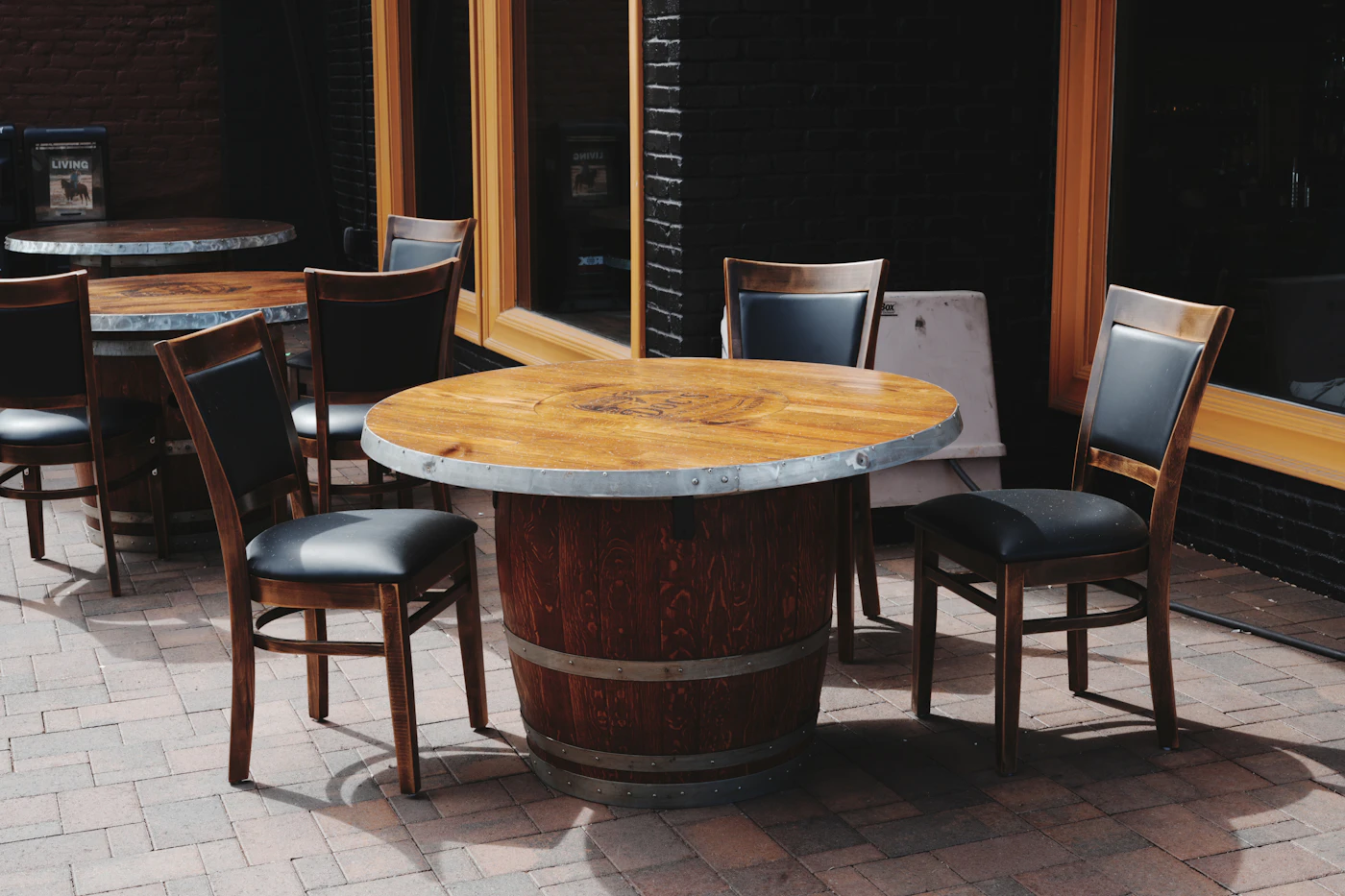
The most useful outdoor table is not always the one that looks most elaborate before guests arrive. It is the one you can use comfortably, keep organized during the meal, and clear without a complicated rescue operation if the setting stops working. A few portable pieces can support a generous gathering while leaving the host free to respond to the actual day.
Begin by treating indoors and outdoors as two versions of the same invitation. The meal, company, and welcome remain the center. The outdoor setting is a pleasant possibility rather than a promise that must be defended against every inconvenience. This makes it easier to decide when to change locations and prevents guests from feeling they must remain uncomfortable to protect the host's preparations.
This is a planning guide for ordinary gatherings, not advice about weather safety or securing outdoor structures. Follow current local guidance, venue rules, and equipment instructions. If conditions make an outdoor event unsuitable, change the plan before setting up. No table arrangement is a substitute for an appropriate location and a sound decision about whether to use it.
Confirm both versions of the space
Look at the actual outdoor area available for the meal. Check the route to it, the permitted use, and the space needed for chairs and movement. A small patio may hold a table but leave little room once people are seated. A shared courtyard may have rules or other users whose access must remain clear.
Then examine the indoor alternative with equal attention. Decide where guests would sit, where food would go, and what must be moved before they arrive. Avoid calling a room a backup if it is full of belongings that nobody has planned to relocate. A workable alternative is one you can activate with a few known actions, without asking guests to reorganize the household during the meal.
Choose the meal before the decoration
Select food that fits your kitchen, guest requirements, and intended service. Think about how many trips will be needed between the preparation area and the table. A meal involving repeated last-minute finishing and several large serving pieces may be less suitable for a distant patio than one with a simpler sequence.
Do not assume an outdoor menu must imitate a particular regional style. You can prepare familiar food and let the setting provide the atmosphere. If you use tropical flavors or ingredients, describe them plainly and accurately. The most coherent menu is one the host can manage appropriately, rather than a collection chosen primarily to match a visual theme that creates extra cooking and storage demands.
Use existing dishes with a clear function
Choose plates, glasses, and serving pieces that are suitable for the location and allowed by the venue. Check any restrictions before deciding what to bring. Favor a manageable number of items that you know how to carry and clean. Matching pieces are optional; practical familiarity can matter more when the table needs to change locations quickly.
Give each vessel a specific job. A tray can carry clean items to the table, a bowl can hold an agreed accompaniment, and a separate container can receive used utensils. Avoid including decorative dishes that require their own transport and cleanup but contribute little to the meal. Every extra object adds a small task when the group is ready to sit down or move inside.
Build the layout around people's movement
Place the table so guests can reach their seats and leave them without squeezing past obstacles. Preserve the normal route through the space and consider any individual access requirements in advance. Ask for specific information when needed rather than assuming that a narrow gap or uneven approach will suit everyone.
Keep the serving route distinct where possible. The person bringing food should not have to navigate a cluster of bags or move a guest's chair each time. Identify a sensible place for personal belongings away from circulation areas. A clear route is an everyday convenience that becomes especially useful if the group decides to change locations together.
Keep the center of the table simple
A small arrangement can provide enough visual focus. Use objects already appropriate for the space and avoid pieces that block sightlines or occupy the places needed for serving. Consider how the table will look once food, drinks, and people's belongings arrive. A centerpiece that seems modest on an empty surface may become an obstacle during the actual meal.
Skip loose decorative materials that are difficult to retrieve. Confetti, scattered petals, and lightweight packaging can create cleanup beyond the table itself. If you want color, use a cloth, a serving bowl, or something already part of the meal. Decoration should remain easy to account for when you leave the space, particularly in shared or managed outdoor areas.
Use trays to organize tasks, not to overload them
Group items by their next destination. One manageable tray might hold table settings, another the items needed for the first serving. Keep loads appropriate to the person carrying them and the route involved. Multiple easy trips are better than one precarious attempt to transport the whole arrangement at once.
Leave a clear landing place at both ends. A tray is less useful if the carrier arrives outdoors and must wait while somebody removes decorations to make room. The same applies indoors when items return. Designate a counter or table section before the gathering, and keep it available. This small decision reduces the confusion that often accompanies a sudden move.
Make the indoor table partly ready
Set aside enough indoor space for the group before guests arrive. You may not need to lay a second full table, but know where the serving dishes and seating will go. Clear the route and keep essential items easy to reach. If the indoor arrangement uses a different style of service, explain that to anyone helping.
Think through one transition in ordinary terms. Used dishes come to a particular place, food is handled appropriately, and guests move to the prepared room. If the plan involves several people carrying different items through one doorway at once, simplify it. A smooth change depends more on sequence than on speed, and the gathering does not need to continue without a momentary pause.
Agree who will make the change
Tell guests from the beginning that the location may change. A simple invitation can say that the meal will be outdoors if suitable, with an indoor plan ready. This avoids creating the impression that moving inside would spoil the event. Guests can arrive expecting a meal rather than a particular photograph of a table.
Name who will decide and who will handle essential tasks. The host may make the call while another person helps move appropriate serving items. Guests who need assistance should know what the arrangement is. Do not leave the decision to a roomful of polite people waiting for someone else to admit that the setting is no longer comfortable or suitable.
Keep food handling separate from atmosphere
Use appropriate storage and serving arrangements for the foods you choose, and consult current authoritative guidance where needed. A shaded table, attractive cover, or cool-feeling breeze is not evidence that perishable food has been held appropriately. Plan necessary equipment and timing before the meal rather than improvising after everything is outside.
Make it clear who is tracking items that need attention. Moving indoors does not restart a food's history or remove earlier handling concerns. If the intended service becomes difficult to manage, simplify it or stop serving the affected item. The event's relaxed tone should come from good preparation, not from overlooking practical requirements in the name of keeping the table full.
Consider guests' different needs
Ask whether the outdoor arrangement presents a concern for anyone attending. Seating, access, sound, temperature, and lighting can affect enjoyment in different ways. Offer the indoor version without making a guest feel responsible for changing everybody's plans. If the group cannot comfortably share the outdoor setup, begin inside and treat any outside time as optional.
Avoid solving each issue with another object automatically. A different table position or a shorter outdoor portion may work better than additional accessories. Use only equipment appropriate for the setting and follow its instructions. If a proposed fix introduces more complexity than the gathering can reasonably support, choose the simpler location rather than trying to engineer an ideal outdoor environment.
Try a fictional small-patio setup
Imagine a host inviting three friends for an early evening meal. The patio table holds the place settings and one small shared dish, while most service happens from the kitchen. The indoor dining table is cleared beforehand, and a side counter is reserved for returning items. Personal bags remain in a designated place indoors rather than beneath the patio chairs.
When the outdoor setting becomes less pleasant, the host pauses service and invites everyone into the prepared room. One helper returns appropriate dishes, and the host manages food according to its requirements. The meal resumes with the same menu and company. This fictional example succeeds because the plan was portable from the beginning; no elaborate display needed to be dismantled before guests could be comfortable.
Clear the space in a deliberate order
At the end, take care of food and used dishes before decorative items. Keep the route open and avoid stacking more than you can carry comfortably. Follow the venue or property's instructions for cleaning and waste. A public or shared outdoor area should be left ready for its next ordinary use, without assuming someone else will gather the small pieces you overlook.
Check the surrounding area as well as the table. Look for personal belongings, packaging, and items that may have fallen during the meal. Do not disturb planted or restricted areas to retrieve something without following the site's guidance. Preventing scattered materials in the first place makes this final check easier and helps the gathering remain considerate of the place that hosted it.
Rehearse the doorway sequence while the table is empty
Walk the normal serving route before guests arrive, carrying only a light manageable setup if needed. Notice where a door opens, where somebody might wait, and where a tray can land. Do not prop or alter doors in ways that conflict with the property's requirements. The aim is to understand the route as it is and keep it available.
If the transition would require everybody to move at once, divide it into a few ordinary steps. Guests can enter the prepared room while the host manages the items that need immediate attention, with one agreed helper returning other suitable pieces afterward. A clear sequence prevents an unnecessary rush. It also makes the alternative easier to explain because you know what you are actually asking each person to do.
Keep personal belongings inside the plan
Ask guests where they would prefer to keep bags, coats, or other items, and identify an appropriate place that remains accessible. Avoid using the serving route as temporary storage. When the gathering moves, people should be able to collect necessary belongings without searching beneath chairs or interrupting the movement of food and dishes.
At a shared venue, follow its arrangements rather than assuming you can claim an indoor corner. If suitable storage is unavailable, reduce what you bring or choose a different setup. The meal's portability depends on the whole group and its belongings, not only on whether the centerpiece fits on a tray. Thinking through these ordinary details makes the event easier without requiring special equipment.
Give the move a welcoming sentence
Prepare a simple way to announce the change, such as inviting everyone to continue the meal at the indoor table. Avoid framing it as a failure or asking guests to judge whether the outdoor version was worth the effort. The host's calm, practical direction helps the group understand that the alternative was part of the invitation all along.
Once inside, allow a brief pause to settle before resuming service. People may need to adjust seats or move a personal item. The gathering can tolerate that ordinary transition. Its continuity comes from the shared meal and conversation, not from an uninterrupted visual arrangement.
Keep a few useful notes for next time
Record which pieces earned their place and which were unnecessary. Perhaps the small tray made service easier, while the extra glasses stayed unused. Maybe the table position created too much traffic near the door. These observations can improve the next gathering without requiring a new collection of equipment.
Over time, your outdoor setup can become a familiar sequence rather than a fresh production. You know the route, the manageable number of dishes, and the indoor arrangement that works. That familiarity gives you more attention for guests and more freedom to adapt. A table that can move easily supports the best part of a shared meal: people settling in, enjoying the food, and continuing the conversation wherever the day allows.