TROPICAL-TRIBE
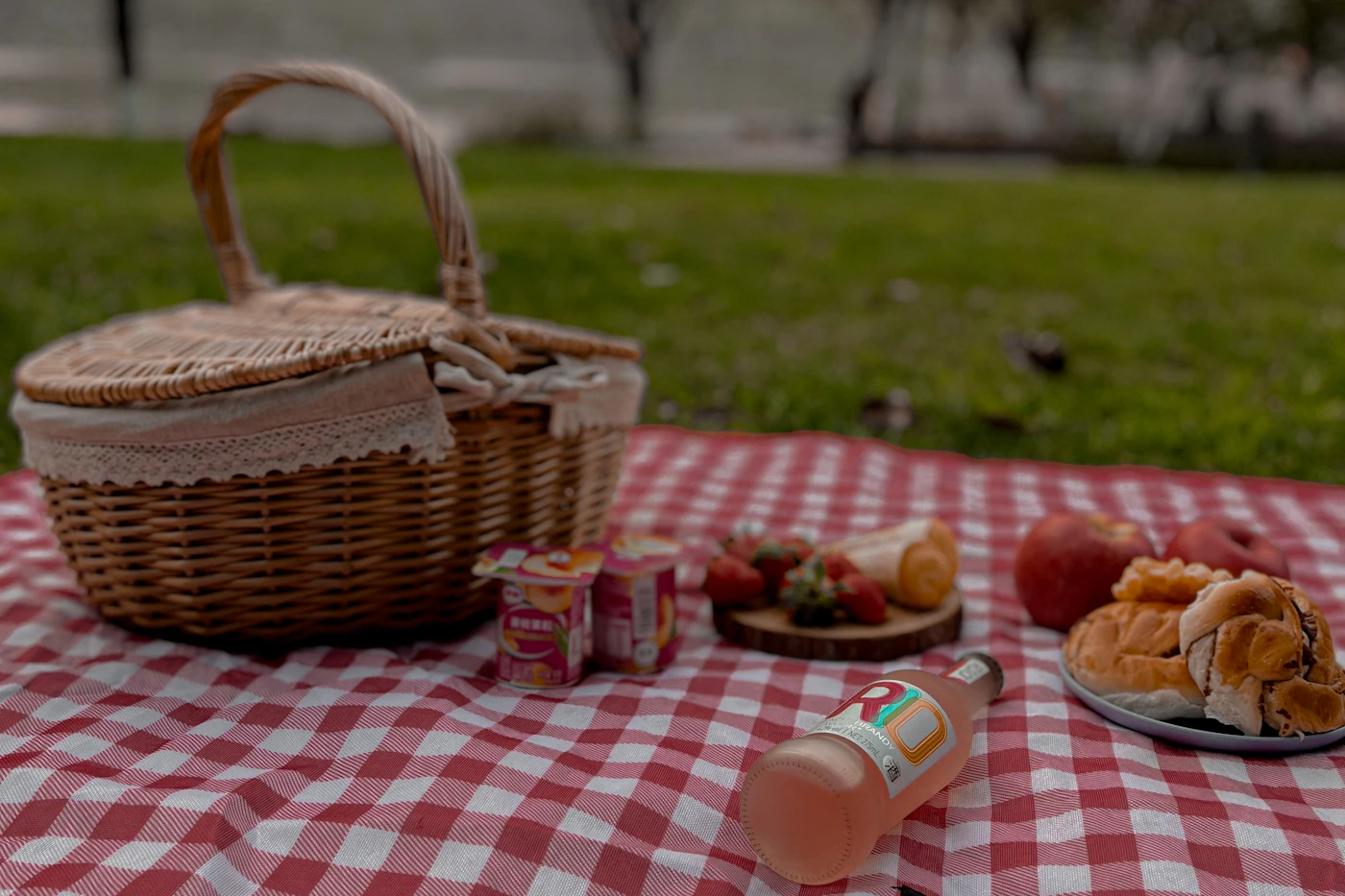
Picnic food has a longer job than ordinary lunch. It must leave the kitchen, travel in suitable conditions, arrive in a place with limited equipment, and remain pleasant and safe to eat. A dish that works beautifully on a dining table may become awkward on a windy blanket or after a long walk from the car. Planning the journey first makes the food choices much clearer.
The most useful picnic menu is not necessarily the most elaborate. It is the one that fits the transport, weather, facilities, and people involved. A small meal with reliable handling can be more enjoyable than a large spread that demands constant attention. Simplicity also leaves more time for the place you came to enjoy.
This guide offers a planning framework rather than a universal list of foods that are safe in all conditions. Specific ingredients and prepared dishes have different requirements. Use current food-safety guidance, package instructions, and appropriate equipment for the menu you choose. When the conditions cannot support a food safely, change the food or the plan.
Map the time between refrigerator and plate
Write down the full sequence: preparation, packing, travel, parking, walking, setup, and eating. People often count only the drive and overlook the time spent loading the car, finding a spot, and waiting for others. The relevant journey begins when food leaves appropriate storage, not when the vehicle starts moving.
Include the return trip if you expect to bring food home. Leftovers do not acquire a new handling history simply because lunch has ended. Decide in advance whether the menu and equipment support safe return transport. If they do not, prepare smaller quantities rather than relying on a vague hope that the remaining food will still be usable.
Consider delays honestly. A popular beach may involve parking uncertainty, a trail may take longer than expected, or companions may arrive at different times. Build a menu that tolerates the realistic schedule within its safe handling requirements. If timing is highly uncertain, shelf-stable options used according to their labels may be more practical than a meal dependent on uninterrupted refrigeration.
Check the eating location before choosing dishes
Find out whether the destination has tables, shade, potable water, restrooms, and waste facilities. Use the relevant park or property information rather than assuming every coastal picnic area offers the same services. Check current access rules and closures before departure. The meal should fit the facilities that are actually available.
A table allows different dishes from a blanket, and a sheltered area behaves differently from an exposed shoreline. Wind can scatter napkins and light packaging, while sand can make open serving difficult. Choose food and containers with those conditions in mind. An ordinary lidded container may be more useful than a decorative open tray.
Respect site rules about fires, cooking, alcohol, wildlife, and waste. Do not build the menu around equipment or activities that are prohibited or impractical at the location. If rules are unclear, contact the managing organization or choose a simpler no-cook plan. A picnic is easier when it does not depend on resolving a regulatory question after arrival.
Separate essential food from decorative extras
Choose a main item that provides the meal, a manageable side, and drinks. Add another element only if it contributes something useful. A picnic can quickly accumulate small containers of condiments, garnishes, and treats that require packing but add little to the experience. Each item also needs a plan for utensils, waste, and temperature where relevant.
Think about how people will eat. Food that requires a sharp knife, several utensils, or extensive assembly may be awkward away from a table. If a dish is messy, provide a practical way to manage it rather than assuming the setting will absorb the inconvenience. Comfortable eating is a better goal than recreating an indoor plated meal outdoors.
Avoid making the picnic a first attempt at an unfamiliar preparation. Use foods and methods you understand, with handling requirements you can meet. The destination already introduces enough variables. A familiar meal can feel special because of the setting, company, and care taken in packing it.
Make temperature control a real system
For perishable food, use suitable insulated equipment and enough cold sources to maintain the required temperature. A cooler is not a guarantee by itself; its packing, contents, opening frequency, and conditions matter. A food thermometer can help verify what is happening rather than relying on how cool the container feels from the outside.
USDA guidance says cold food should remain at or below 40°F and hot food at or above 140°F. Perishable food should not remain outside appropriate temperature control for more than two hours, or one hour when the temperature is above 90°F. These limits are not a target for leisurely service. Plan to keep food properly controlled and serve manageable portions.
Consider a separate drinks container if people will reach for beverages frequently. Repeatedly opening the food cooler can complicate maintaining conditions. Keep containers closed when not in use and place them appropriately rather than leaving them in unnecessary direct sun. If your equipment cannot support the planned menu, simplify the menu before leaving home.
Pack in the order you will need things
Put immediate-use items where they are accessible: hand-cleaning supplies suitable to the setting, a table covering if needed, plates, utensils, and the first food to be served. Keep items that must remain chilled within the appropriate system rather than moving them to a convenient but unsuitable location. Organization should support safe handling as well as ease.
Use containers that fit the food without excessive empty space or unstable stacking. Protect delicate items from heavy ones and separate foods as required to prevent contamination. Pack liquids in suitable leak-resistant vessels and consider how you will keep them upright during travel. A picnic bag that looks compact can still be poorly organized if one leak affects everything inside it.
Include a clear plan for used utensils and waste. A separate bag or container prevents dirty items from mixing with clean reserves on the return trip. Bring out what you bring in where required, and follow the site's disposal rules. Cleanup supplies are part of the meal, not an optional addition to remember once everyone has finished eating.
An illustrative shore picnic for four adults
Imagine four friends planning lunch at a managed shore picnic area with tables but limited shade. They check the site's current information and choose an arrival time that fits their plans. The meal includes a familiar main item with known handling needs, a simple side, and drinks. Food requiring refrigeration travels in an appropriately packed cooler with a thermometer.
The group keeps drinks in a separate container because they expect to use them during the journey and before lunch. Serving utensils, napkins, and waste supplies are easy to reach without unpacking the food. On arrival, they choose a suitable permitted spot, set out only the portions they expect to eat, and keep reserves appropriately stored.
If the area is unexpectedly crowded or the conditions become uncomfortable, they use their alternate location rather than leaving the meal exposed while searching indefinitely. After lunch, they handle remaining food according to its actual temperature and time history. The picnic works because the menu and logistics were designed together; no part depends on the cooler or the scenery magically solving a planning gap.
Prepare for hands, surfaces, and shared serving
Know how hands and surfaces will be cleaned at the destination. Facilities vary, and a scenic location may not have the water or supplies you expect. Use appropriate food-handling guidance for the circumstances and avoid planning preparations that require a full kitchen's cleaning capacity at the picnic site.
Provide separate serving utensils for shared components and keep them from falling into dirt or sand. A lidded container or suitable utensil holder can help. Do not assume that a quick visual inspection makes a contaminated utensil ready to use again. Having a spare may be simpler than trying to improvise cleaning without proper facilities.
Keep food protected from animals and insects using appropriate containers and site practices. Never feed wildlife, intentionally or through careless leftovers. A picnic should leave the place ready for the next visitor and should not teach animals to associate people with accessible food. This is a practical part of enjoying a natural setting responsibly.
Accommodate different needs before packing
Ask companions about food requirements and how they prefer to manage them outdoors. A shared picnic introduces transport and serving considerations that may differ from a home meal. For strict allergies, discuss what the preparation and shared equipment can realistically support. Do not assume separate packaging alone resolves every concern.
Make portions and choices clear. Label containers when similar-looking foods differ in ingredients, and keep packaging or recipe information available if useful. Avoid last-minute substitutions without telling the person who relies on the original plan. Clear communication is especially valuable when you are far from alternative food options.
Consider mobility and carrying capacity too. A menu that requires several heavy coolers may not suit a long walk or a companion who cannot easily carry equipment. Choose the location and food load together. A closer table with a simpler meal can be more inclusive than an ambitious spot that makes participation physically difficult.
Have a weather decision before the forecast becomes a debate
Choose a practical alternative before the day of the picnic. It might be another permitted sheltered location, an indoor meal, or a different date. Agree on what information you will check and when you will decide. This prevents a group from spending the journey arguing about whether the original plan must be preserved.
Conditions can affect both comfort and food handling. Heat, heavy rain, or strong wind may make a previously sensible setup unsuitable. Follow official weather and site guidance, and do not use a meal reservation in your own mind as a reason to ignore changing conditions. The plan should be flexible enough to protect the purpose of the outing.
If you change location, reassess timing rather than treating the detour as irrelevant. Additional travel and waiting become part of the food's handling history. Keep appropriate temperature control in place and simplify or replace the meal if necessary. A good backup is one that remains workable under the conditions that caused you to use it.
Pack for an easy departure
Before spreading out, identify where used containers and waste will go. Keeping these items organized throughout the meal makes departure faster and reduces the chance of leaving small pieces behind. Check the ground, table, and surrounding area, not just the visible food containers. Wind can move lightweight packaging farther than you expect.
Do not judge leftover safety by smell or appearance. Use the known handling history and current guidance. When you cannot establish that food has been kept appropriately, do not create a future meal from uncertainty. Planning smaller portions is a better waste-reduction strategy than taking chances after a long outdoor service.
Once home, unpack promptly and clean equipment according to its needs. A picnic feels easier next time when containers, cooler, and utensils are ready to use rather than left as a delayed chore. Note the item you missed and the item you carried unnecessarily; both observations can improve the next outing.
Give the group a simple division of responsibility
Decide who brings the main food, who handles drinks, and who carries the nonfood supplies. A picnic can otherwise arrive with plenty of snacks but no serving utensils, or several blankets but no appropriate cold storage. Assigning roles is more reliable than asking everyone to bring something and hoping the pieces form a complete plan.
Share the key handling requirements with the person responsible for transport. It is not enough for one cook to understand the food if another person collects it early and adds several stops before meeting the group. The plan should cover the whole journey in language everyone can act on. If the arrangement changes, reassess the food rather than assuming the original timing still applies.
Keep the equipment load fair and realistic. The person preparing food should not automatically carry every heavy container as well. At the same time, do not assign a load someone cannot comfortably manage. A short conversation about bags, distance, and access can prevent awkward decisions in the parking area.
For a recurring group, save a compact packing list based on what actually helped. Include boring but useful items such as a waste bag and suitable utensils, then remove things that repeatedly return unused. A lighter, complete kit supports more spontaneous outings in the future. The goal is not to own specialized gear for every possible picnic, but to understand which ordinary items make your preferred kind of meal workable.
Keep the setting at the center
The meal should support the day you wanted: conversation, a view, a gentle outing, or time together. If packing and serving require most of your attention, reduce the menu. A well-chosen sandwich or another suitable simple meal can be more satisfying than a complicated spread that leaves everyone waiting.
For specific handling questions, consult USDA guidance on the food temperature danger zone and USDA advice on the two-hour rule. Check the destination's official information separately. The strongest picnic plan connects the food to the journey and the place, so you can enjoy both with less uncertainty.