TROPICAL-TRIBE
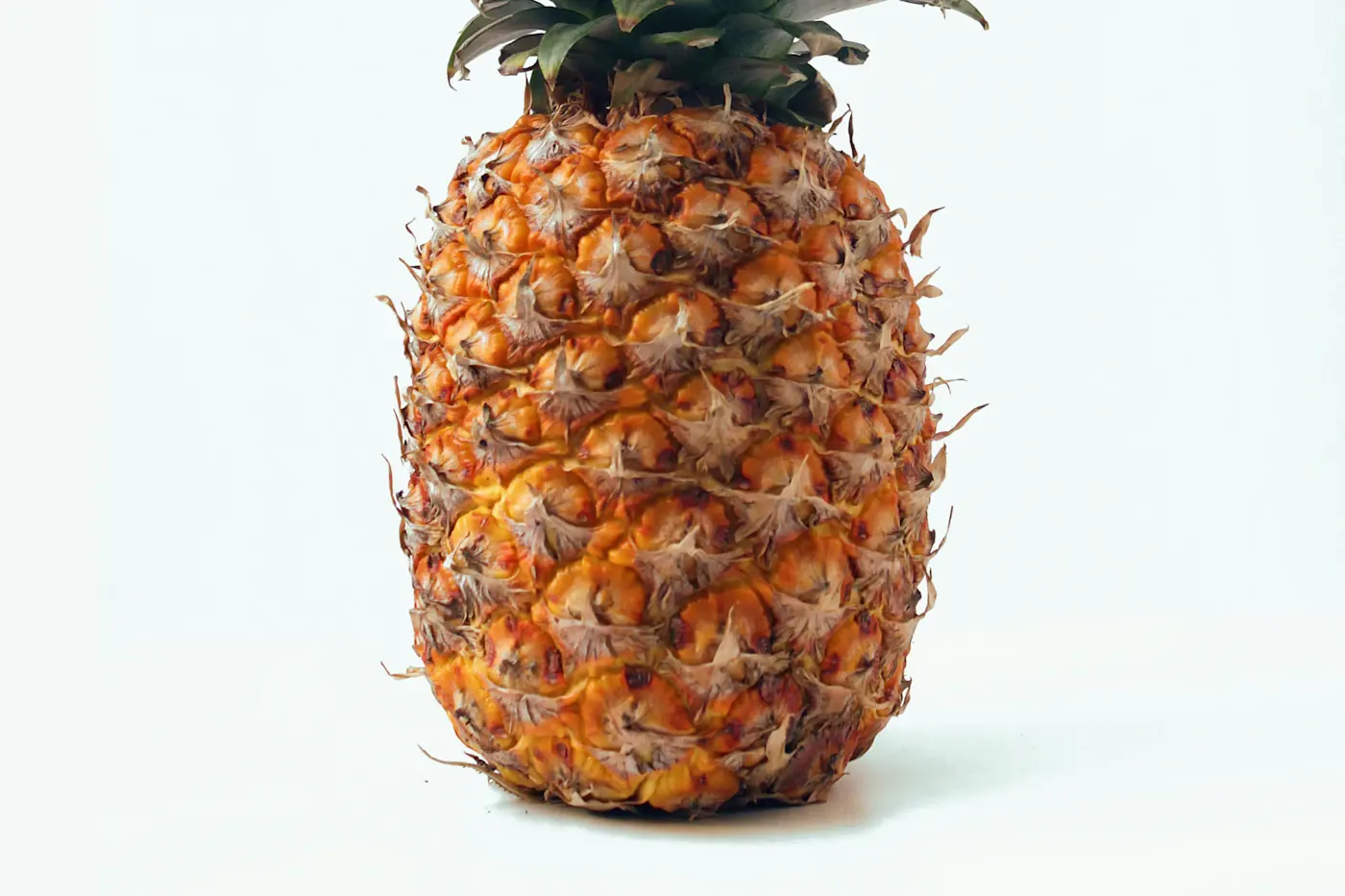
Pineapple has enough visual character to carry a table on its own. Its crown creates height, its textured skin adds pattern, and the fruit brings a recognizable bright flavor. That can be an advantage when you want a warm-weather gathering to feel considered without buying a box of themed decorations. The challenge is knowing when the object helps the meal and when it begins to obstruct it.
A shared table has several jobs. It holds plates and glasses, gives serving dishes a route between people, and allows guests to see one another. Decoration must fit within those jobs. An arrangement that looks generous in an empty room may become awkward once six elbows, a pitcher, and a large bowl arrive. Starting with use rather than appearance produces a more gracious setting.
This guide treats pineapple as a design cue and an optional ingredient, not a requirement in every course. The aim is a coherent evening with enough space for the people you invited. It offers a planning method rather than a prescribed menu, so you can work with your own dishes, furniture, and cooking confidence.
Measure the space people need
Set out the actual plates, cups, and serving dishes before deciding on a centerpiece. A table's empty surface exaggerates how much room is available. Pull chairs into the positions they will occupy during the meal, then sit in more than one place. Notice whether reaching for a glass requires moving another object and whether a guest at the end can see someone across the table.
Reserve a route for passing food. A long table may benefit from more than one small serving bowl rather than a single heavy dish that must travel its full length. A round table may allow a central arrangement but still need clear space around it. The appropriate choice comes from the furniture and guest count, not a general rule about what a dinner table should look like.
If the table is already crowded with basic place settings, let the decoration move elsewhere. A sideboard, entry surface, or drinks station can carry the pineapple motif without competing with dinner. Guests experience the whole room, not just the tabletop. Moving an attractive object away from the plates can make it more visible while making the meal more comfortable.
Choose one visual idea
There are several ways to use pineapple without turning the evening into a costume. You might choose its warm yellow as a small color accent, repeat the green of its crown in ordinary foliage already suitable for your home, or place one whole fruit on a side surface. Select the idea that works with what you own rather than trying to combine all of them.
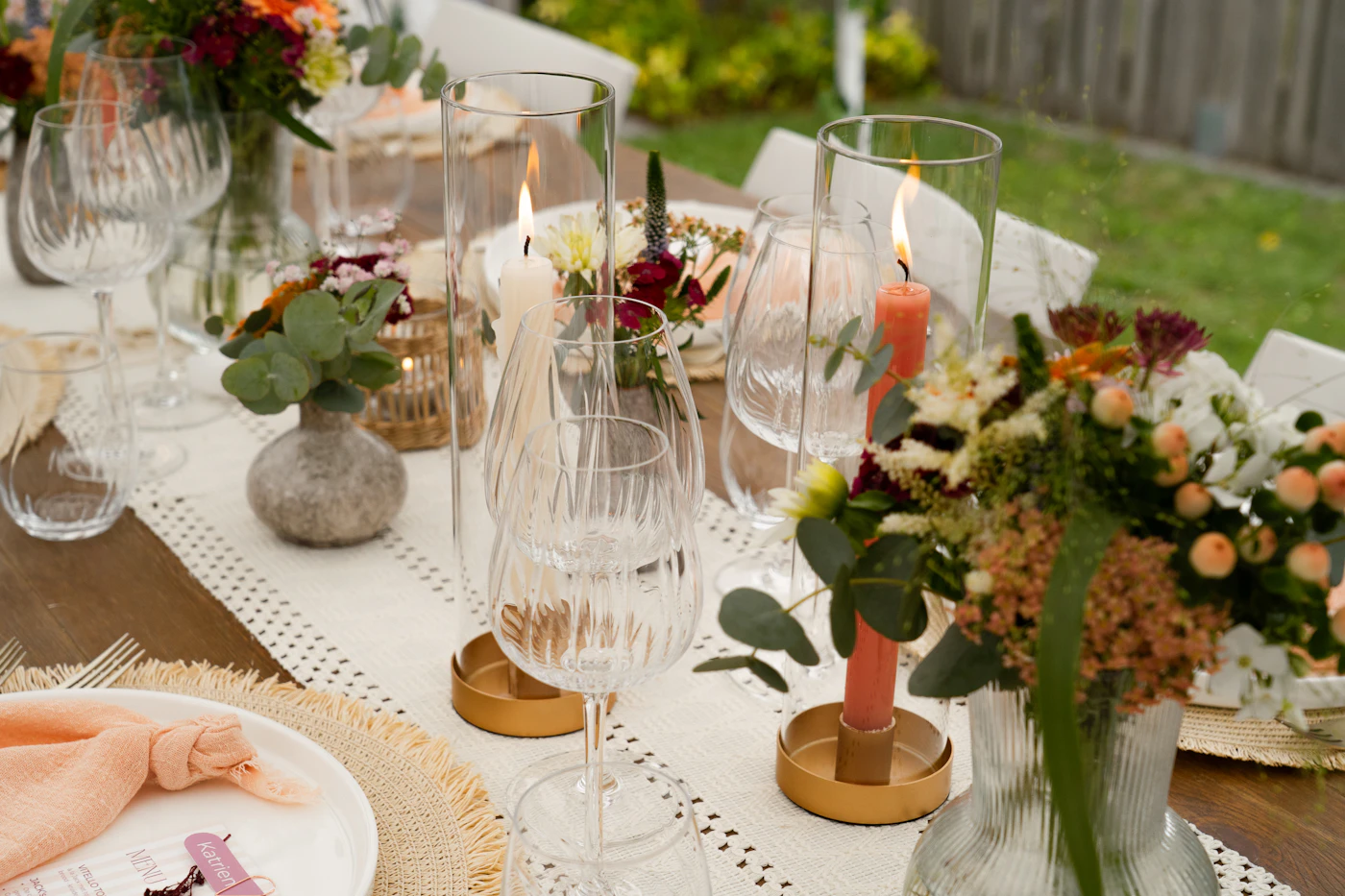
Keep the rest of the setting quiet enough to support that choice. Plain dishes, a familiar tablecloth, or an uncluttered wood surface can give a single strong accent room to matter. Matching every napkin, glass, and serving utensil to the theme usually adds purchases and visual noise. A little variation can make the table feel lived in rather than staged.
Before buying an object, ask where it will go after the gathering. A useful bowl may earn a place in your kitchen; a large themed ornament may not. Borrowing, repurposing, or simply using fewer things can be more satisfying than assembling a complete decorative set. The table should express a decision, not prove how many related objects you could find.
Separate display fruit from ready-to-eat fruit
A whole pineapple used as decoration should not become an improvised serving project in the middle of dinner. Cutting fruit requires a suitable work surface, clean equipment, and attention. If you intend to serve pineapple, prepare it appropriately in the kitchen and bring it to the table in a form guests can eat comfortably. Keep the decorative object and the food service logically distinct.
This distinction also avoids a misleading expectation. A carved fruit bowl may look appealing, but it is not automatically easier to handle than an ordinary serving dish. Consider stability, leakage, utensils, and the ability to keep prepared food at an appropriate temperature. A simple bowl can be the more thoughtful choice when the gathering lasts longer than a quick photo.
If the whole fruit will be eaten later, keep that plan realistic. Do not choose damaged or unsuitable fruit solely for appearance and assume it will become useful afterward. Treat edible materials as food with a purpose, even when they briefly contribute to decoration. An honest plan for their next use helps the visual idea remain connected to the meal rather than becoming waste.
Let pineapple occupy one clear place on the menu
Decide whether the fruit belongs in a savory accompaniment, a drink, or dessert. Giving it one primary role allows the rest of the meal to provide contrast. A dinner with pineapple in every course can become repetitive, particularly if several preparations lean sweet. Restraint makes the chosen appearance more noticeable.
Consider the whole plate. A bright fruit component may sit well beside a simple main and a plain starch, while a rich dessert may call for pineapple to remain fresh and unadorned. These are menu-planning possibilities, not claims of universal pairings. Use recipes and techniques you know, and taste combinations in ordinary portions before presenting them as a shared meal.
Describe the food accurately. A pineapple accent does not make a dish representative of a particular island or culture. If you are following a traditional recipe, preserve its name and credit its source appropriately. If you are improvising, plain language such as “pineapple with lime on the side” gives guests useful information without borrowing authority the meal has not earned.
Arrange service around conversation
Family-style service can feel generous, but it works only when the dishes are manageable. Think about weight, handles, and how easily guests can serve themselves. A beautiful heavy platter may be inconvenient for someone seated far from it. Placing food in smaller bowls or letting guests fill plates at a nearby counter may create a calmer experience.
Keep frequently used items within easy reach. Water, a simple condiment, and extra napkins should not require repeated requests across the table. If the centerpiece occupies the only useful central space, it is in the wrong place. Hospitality often becomes visible through these small absences of friction rather than through elaborate gestures.
Avoid announcing every design decision during the meal. Once the table works, let it recede. Guests do not need a tour of your aesthetic process before they can eat. A brief explanation of unfamiliar food or serving arrangements is useful; a long defense of the theme is not. The best sign that the arrangement succeeds may be that nobody needs to discuss it.
A hypothetical dinner in a small dining room
Imagine a host inviting five friends to a table that comfortably holds six place settings but has little spare room. The host initially considers a pineapple centerpiece with several candles. After setting out plates and bowls, it becomes obvious that the arrangement would block sightlines and leave nowhere for food. The host moves one whole pineapple to a sideboard instead.
On the table, a small yellow cloth accent and plain dishes preserve the visual idea. Dinner consists of a familiar main, a vegetable dish, and a simple starch. Pineapple appears only at dessert, served from the kitchen in an ordinary bowl with an optional accompaniment. Water is placed in two small pitchers so guests do not need to pass a heavy container through the center.
The room still feels deliberately arranged, but the dinner functions naturally. People can see one another, serving dishes have a place to land, and the host does not have to dismantle the centerpiece halfway through the meal. The example illustrates a useful principle: an attractive idea becomes stronger when it adapts to the room instead of asking the room to accommodate it.
Think about light without relying on a spectacle
Lighting changes how a table feels, but it should also let people identify food and move safely. Check the room at the time you expect to eat. Afternoon glare can affect one seat while leaving another comfortable. An outdoor table may become dim sooner than expected. Solve these practical differences before adding decorative lighting.
Use existing lamps or fixtures in a way that produces comfortable, even light. If you include candles, follow ordinary fire-safety precautions and keep them clear of foliage, fabric, and reaching hands. A small table with passing dishes may not be a suitable place for an open flame. Decorative ambition is not a reason to ignore the physical behavior of the meal.
For an outdoor gathering, make the route between the kitchen and table visible. Guests need to find steps, doors, and personal belongings as the evening progresses. A beautiful table surrounded by a dark, awkward path is only partly planned. The atmosphere should extend to the way people arrive, move, and leave, not end at the edge of the centerpiece.
Make room for different kinds of guests
Ask about access and food needs before finalizing the setup. A guest may need a particular seat, a clear path, or help with a heavy serving dish. These arrangements are easier to make quietly in advance than publicly once everyone is seated. Do not assign someone a difficult place simply because it preserves a symmetrical layout.
Think about conversation as another kind of access. Tall objects can block faces, loud background music can make speech harder to follow, and a wide table can leave quieter guests stranded. Lowering a centerpiece or turning down music may improve the gathering more than adding another course. Comfort includes being able to participate without constant effort.
Food descriptions should be specific enough to support informed choices. Keep ingredient packaging or recipe information available when needed, and avoid promises about allergens that your preparation cannot support. If a guest brings a dish they are comfortable eating, welcome it without making them explain themselves to the table. An inclusive evening allows practical differences without turning them into a performance.
Plan the transition from dinner to lingering
After the main meal, the table often needs a small reset. Remove large serving dishes, store food appropriately, and leave enough clear space for cups or dessert. This transition can feel natural if the original arrangement was simple. An overcrowded table requires more interruption because every object must be negotiated before anything new can arrive.
Choose dessert service that matches the remaining energy. A bowl of prepared pineapple with an optional addition may be more appealing than a complicated plated course. If dessert itself is elaborate, keep the service straightforward and avoid adding another decorative ritual. Guests should not feel that the relaxed part of the evening is repeatedly postponed by the next production.
Let people move if they wish. Some may prefer a softer chair after dinner, while others want to remain at the table. Providing a few clear surfaces for cups helps the gathering spread comfortably. The pineapple motif does not need to follow everyone into each room. Once the evening has a recognizable mood, ordinary hospitality can carry it forward.
Take a useful photograph before the room fills
If you want a record of the table, take a quick photograph after the practical setup is complete. Include the place settings and serving space rather than cropping so tightly that the arrangement appears more spacious than it is. That image can become a useful planning reference, showing where pitchers, dishes, and chairs actually fit.
Then put the camera aside for the arrival period. Guests should not have to wait outside a finished composition or keep their bags hidden to preserve it. If you photograph the gathering itself, respect people's preferences and avoid interrupting a meal repeatedly. The table has fulfilled its purpose when it becomes inhabited, a little irregular, and full of conversation. Its lived appearance is not a failure of the original design.
Close the evening with fewer leftovers of every kind
Cleanup includes objects as well as food. Put reusable serving pieces back where they belong, decide what happens to the whole display fruit, and remove temporary decorations before they become clutter. A modest arrangement makes this stage easy enough that it does not erase the pleasure of hosting.
For prepared food, follow appropriate handling and storage guidance rather than relying on appearance. Use containers that suit the actual quantity and label what needs identification. If you plan to send food home, consider the guest's travel time and ability to keep it properly stored. A decorative leftover should never become an obligation someone carries away out of politeness.
Finally, notice which choices made the evening easier. Perhaps the sideboard display worked better than a centerpiece, smaller pitchers encouraged self-service, or one fruit-focused course was enough. Keep those observations for next time. A personal hosting style grows from such practical discoveries, with beauty emerging from arrangements that people can actually enjoy.
For preparation questions, the FDA's produce-safety guide provides a useful reference. Let food handling remain ordinary and careful while the visual idea stays light.