TROPICAL-TRIBE
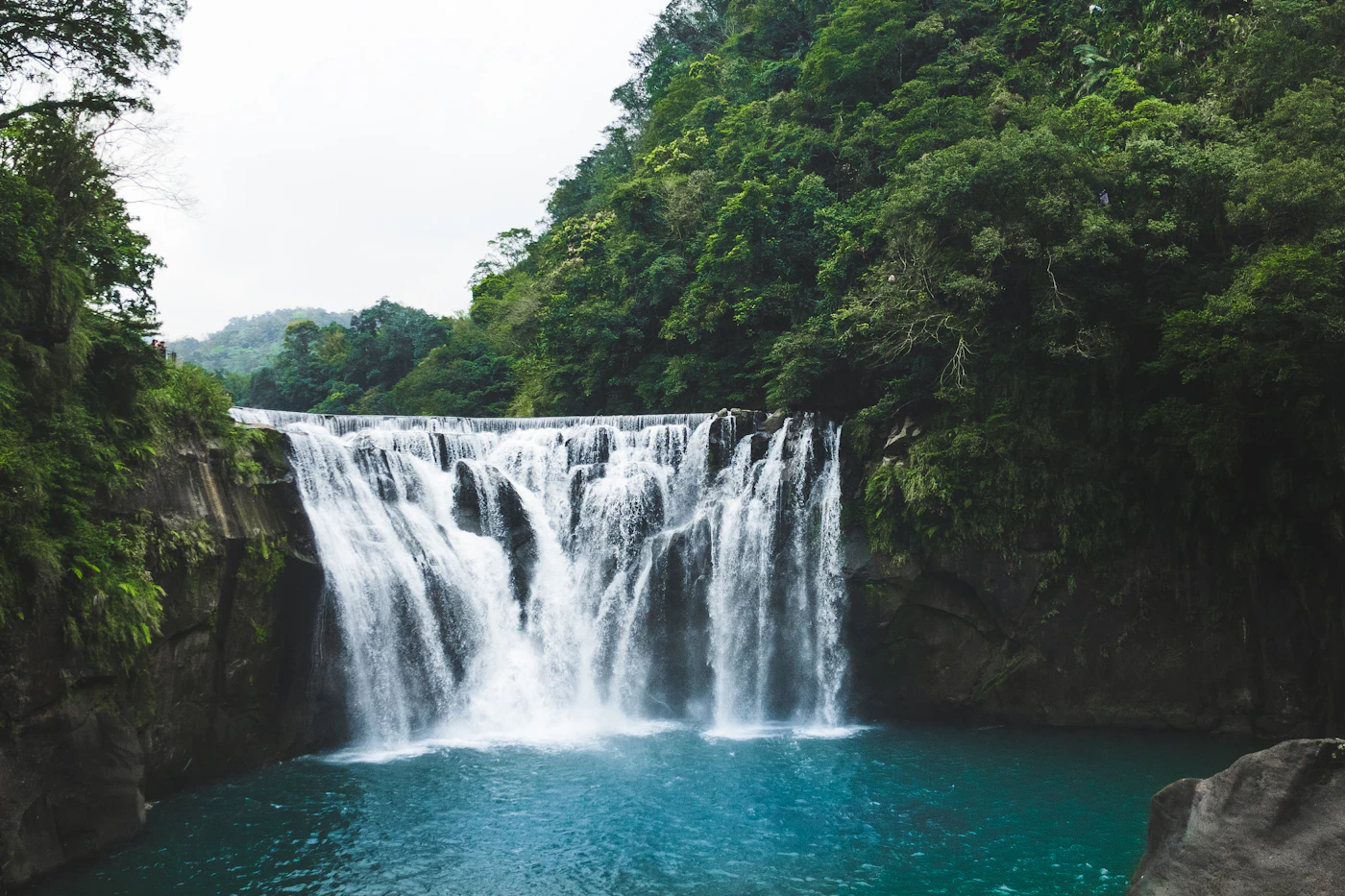
A waterfall often becomes the centerpiece of a tropical itinerary before anyone has examined the journey to it. The image is persuasive: falling water, green surroundings, and a place that seems separate from ordinary life. Yet the actual visit may involve a managed viewpoint, a demanding trail, restricted land, or conditions that change the plan entirely.
Start by deciding what you want from the experience. If the appeal is watching water move through a landscape, an established overlook may be enough. If the interest is the surrounding forest, a guided walk can provide meaning beyond the final view. Neither objective requires entering a pool, climbing rocks, or reproducing someone else's photograph.
Identify who manages the site
Find the park, reserve, local authority, or authorized landowner responsible for access. Use their current information to establish whether visitors are permitted, which routes are open, and what rules apply. A location appearing on a map or in a popular post does not confirm lawful public access.
Be cautious with descriptions such as secret, hidden, or untouched. These words can conceal practical questions about permission, maintenance, rescue access, and environmental sensitivity. A place does not become a suitable visitor destination simply because somebody has published directions to it.
If management information is unclear, choose an established alternative. There is no need to make uncertain access part of the adventure. A well-managed site can offer a rewarding experience precisely because its route, boundaries, and visitor arrangements are explained rather than left to guesswork.
Read the approach in full
Distance alone does not describe the route. Look for information about elevation changes, steps, surfaces, exposure, stream crossings, and the return. A short path may still be unsuitable for someone who needs stable footing or cannot manage a steep climb. Photographs at the destination rarely show these details.
Confirm the starting point. Some waterfalls have several viewpoints or access routes, and a general location pin may direct you to the wrong side of the site. Read the official approach instructions and save the correct entrance. Check parking or transit arrangements and any reservation requirements before leaving.
If a route description includes a feature beyond your experience, ask the managing authority for clarification or select another route. Do not rely on a stranger's claim that the difficult section is easy. Their ability, conditions, and tolerance for risk may differ substantially from yours.
Separate viewing from swimming
A waterfall pool is not automatically a designated swimming area. Do not infer permission or suitability from other people entering the water. Follow posted restrictions and current local advice. The National Park Service warns that moving water and slippery areas near waterfalls can be hazardous, including where the scene looks inviting.
Plan the visit as a viewing experience unless the responsible authority specifically provides a lawful, suitable activity arrangement and you meet its requirements. Even then, local conditions and individual ability matter. A general travel article cannot assess a natural pool or tell you that entering it is appropriate.
This distinction improves the itinerary. You can choose clothing, timing, and companions around observation without building the day around an uncertain swim. If the group wants a separate water activity, research an appropriate managed option independently rather than treating the waterfall as a convenient substitute.
Let conditions override the itinerary
Check official weather information and site notices close to departure. Rainfall, damaged access, closures, and other local factors can alter the visit. Conditions upstream or elsewhere in a watershed may matter even when the sky at the entrance looks pleasant, so follow the authority's instructions rather than judging solely by what you see.
Do not set out when official advice says the route is unsuitable or closed. Avoid crossing floodwater or bypassing barriers to continue toward the falls. If conditions change during a managed outing, follow the guide's or staff's directions promptly. A natural spectacle is not a reason to delay leaving.
Keep the schedule flexible enough to absorb a cancellation. A waterfall visit should not be the only meaningful part of a day that required substantial travel. One researched alternative, such as an open visitor center or another suitable established attraction, makes it easier to accept the decision without bargaining with it.
Choose guidance for its actual value
A guide can help with interpretation, organization, and route-specific information, but the word guided does not describe every important detail. Ask about the operator's authorization where relevant, the experience expected of participants, the route used, and how the itinerary changes with conditions.
Explain your needs clearly. Mention concerns about steps, footing, pace, hearing instructions, or the amount of time spent walking. Ask whether the guide can describe the hardest part of the outing. A concrete answer helps you assess fit more effectively than a broad label such as moderate adventure.
Read what the booking includes. Transport, admission, equipment, meals, and pickup location may differ between offers. Consider whether a smaller group or a stronger interpretation component matters more to you than visiting several waterfalls in quick succession. More stops do not necessarily create a richer experience.
Pack for the route you are actually taking
Follow the managing authority's or operator's current guidance about footwear, clothing, water, food, weather protection, and other essentials. Pack according to the established route and forecast, not according to how people are dressed in promotional photographs. Those images may reflect a different activity or omit the journey.
Keep important items organized and protected appropriately from moisture. Ask where belongings can be stored if the program includes activities requiring different equipment. Do not assume that a bag left beside the path will remain secure or that a device marketed as water resistant is suitable for every exposure.
Bring only photography accessories you can manage without compromising attention or blocking the route. A simple phone may be enough. A large collection of equipment can create inconvenience at narrow viewpoints and encourage you to seek positions that the site does not permit.
Arrive with time to orient yourself
Read current notices before beginning the approach. Confirm the open route, the intended turnaround or viewpoint, and the facilities available. Ask staff about any uncertainty while you are still at the entrance. A few unhurried minutes here can prevent confusion farther along the path.
If traveling with companions, agree on the pace and how the group will remain together. Do not let the most enthusiastic photographer or fastest walker quietly set expectations for everyone. The outing should accommodate the people present, including anyone who would prefer a shorter permitted option.
Treat the first section as information. Notice how the surface, temperature, and walking pace feel. If the route is more demanding than expected, adjust early. Continuing because the waterfall is already on the itinerary is not a good reason to ignore a mismatch between the plan and the actual experience.
Notice the setting before the main view
The approach can reveal how the waterfall belongs to a wider landscape. From permitted positions, notice vegetation, changes in light, and the way the path follows the terrain. You do not need to reach the final viewpoint before the experience becomes worthwhile.
Choose a small observation theme. You might pay attention to contrasts between shaded and open sections or to the sounds heard at different points. Keep observations separate from explanations you have not verified. A guide can help connect what you notice to local geography or ecology without requiring you to guess.
This approach also reduces impatience. If every part of the walk is merely an obstacle before the photograph, delays feel frustrating. When the route itself contains things to notice, the outing remains meaningful even if the final view is limited by weather, access, or other visitors.
Use the designated viewpoint well
Stay within permitted areas and behind barriers. Do not climb on wet rocks, lean beyond an edge, or move onto an unofficial path for a cleaner composition. The position available to visitors is part of the experience, not a problem that must be solved through a more dramatic approach.
Pause before taking pictures. Notice the scale of the scene, the movement of water, and the sounds around you. A photograph cannot contain all of those things, so decide which visual detail matters most. You may prefer a broad view showing the setting rather than a close crop of falling water alone.
Make room for other people. At a small overlook, take a few considered pictures and step back to review them elsewhere. Do not place bags or tripods where they obstruct the route. Shared access works better when visitors treat the viewpoint as a place to experience together rather than a private studio.
Photograph honestly and patiently
Waterfalls invite exaggerated editing because brightness and movement can be difficult to record. Make adjustments that clarify the image without inventing features or implying conditions that were not present. A photograph used as travel information should not create a misleading expectation of the site.
Avoid captions that suggest the place was empty, unrestricted, or suitable for swimming when that was not established. If the frame excludes a viewing platform or other visitors, remember that the image is a selected view rather than the entire situation. A useful caption can supply that missing context.
Ask companions before photographing them and avoid posing anyone in a position they find uncomfortable. A portrait can include a waterfall in the background from an ordinary permitted location. The person's comfort and the site's rules matter more than matching a familiar social-media composition.
Protect the ordinary details of the place
Leave plants, rocks, and other natural materials where they are. Do not build arrangements, carve marks, or move objects to decorate a picture. Small interventions can accumulate, and visitors may not recognize which surfaces or organisms are sensitive.
Keep food and rubbish contained according to site rules. Do not feed wildlife or assume that organic scraps belong in the forest. If bins are unavailable or full, carry your waste out as instructed. A site can look clean from the main viewpoint while small discarded items remain along the approach.
Respect nearby communities as well. Park only where permitted, keep noise considerate, and do not treat private paths or facilities as public conveniences. A popular natural attraction exists within a lived landscape, and a responsible visit accounts for the people who use that landscape every day.
Make the return part of the experience
Allow time and energy for the route back rather than spending everything at the viewpoint. Follow the established path and the group's agreed arrangement. A return journey is not automatically easier, especially when it includes climbing, fatigue, or changing conditions.
Notice what looks different in the opposite direction. A feature overlooked on the approach may become visible, or a sound may take on new meaning after seeing the falls. These small comparisons give the walk depth without extending it or adding another destination.
Once back at the entrance, check belongings and make any necessary practical adjustments before driving or boarding transport. A simple pause for food, water, or dry clothing where appropriate can make the rest of the day more comfortable. Do not schedule the next activity so tightly that the return becomes a rush.
Keep an alternative with the same appeal
If the waterfall cannot be visited, identify what part of the original idea you can preserve. A forest exhibition may satisfy curiosity about the landscape. An established viewpoint may offer a sense of scale. A quiet meal near the coast may provide the unhurried time together that was the real attraction.
For a hypothetical day, a traveler might pair a managed waterfall visit with an open afternoon and keep a nearby visitor center as the primary alternative. If access closes, the center becomes the main experience, followed by another suitable activity if available. The day changes shape without requiring an improvised attempt to reach the falls.
The most useful memory may be the way the landscape was understood rather than the exact photograph obtained. Plan around lawful access, appropriate conditions, and attentive observation. That approach lets a waterfall remain a living part of a place instead of becoming a demand that the itinerary must fulfill.
Keep your booking confirmation and the official access page together so that a change can be checked without searching through unrelated messages. If companions are joining separately, share the precise entrance and the agreed alternative. Clear communication is especially valuable when a site has multiple approaches or when a cancellation requires the group to meet somewhere else.
Official planning resource
The National Park Service's hiking-safety guidance addresses the importance of preparation and caution around moving water. Consult the authority responsible for your chosen waterfall for current closures, route requirements, and permitted activities.