TROPICAL-TRIBE
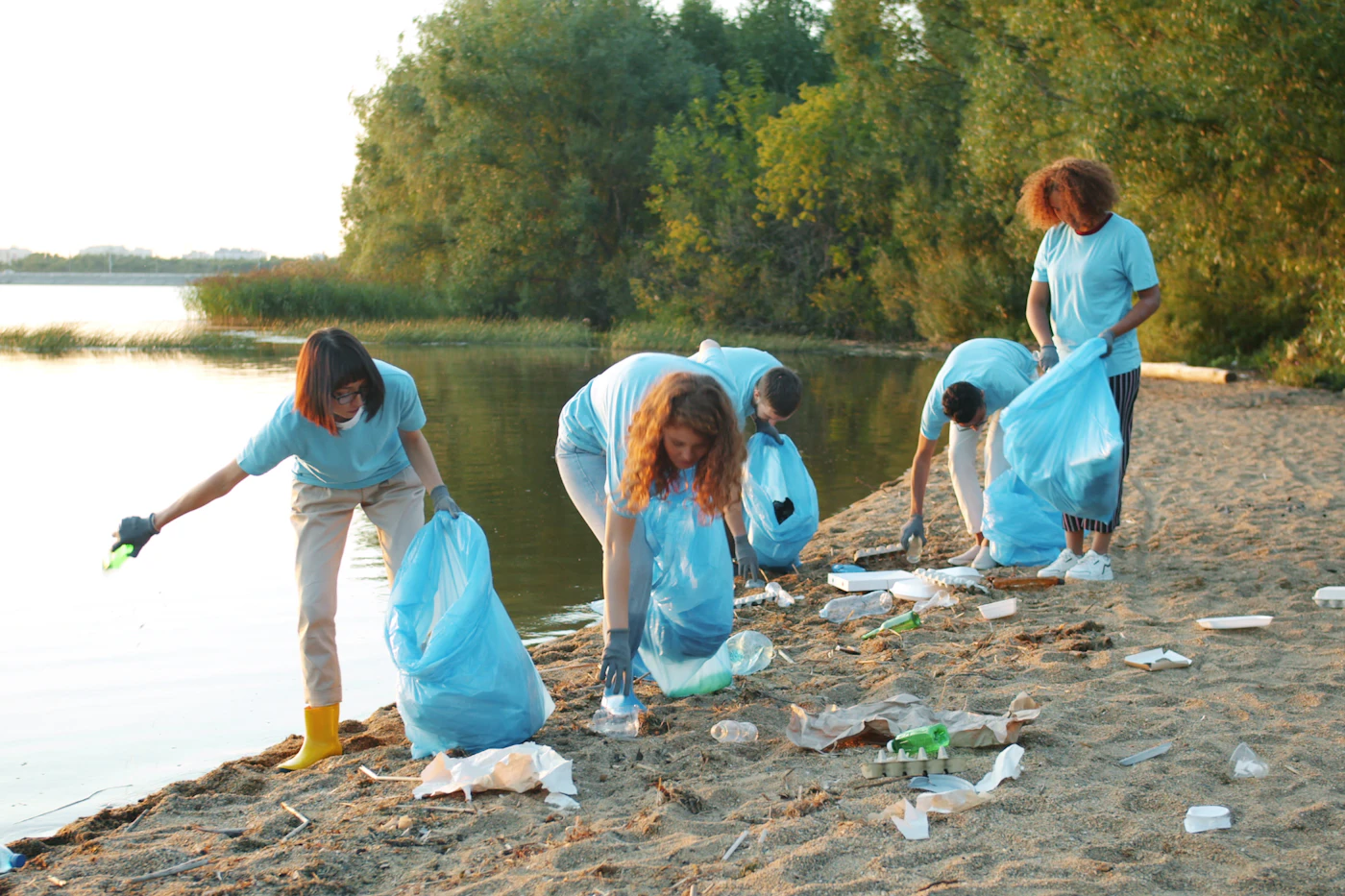
A volunteer day can sound like an appealing answer to a traveler's uncertainty. You want the trip to involve more than consumption, and an organized activity promises a tangible contribution. Yet the word volunteer tells you very little about whether a particular activity is useful, appropriately managed, or wanted by the people affected. A good intention does not answer those questions on its own.
Begin by separating your hope for a meaningful experience from the organization's actual purpose. The two may align, but they are not interchangeable. An opportunity should be understandable in terms of a specific task, a responsible organizer, and the needs it is meant to address. If the strongest description concerns what the visitor will feel, learn, or photograph, there is more research to do.
This guide is a decision framework, not an endorsement of any provider or a legal assessment of a placement. Requirements vary by destination and activity. Check current official entry and work rules, the organizer's documentation, and relevant specialist guidance before making commitments. Some offers are best declined, and an ordinary respectful visit can be a more appropriate choice than participation in an unsuitable project.
Start with the request behind the activity
Ask who identified the task and how the organizer knows it is useful. A clear answer should describe more than a broad problem such as poverty, litter, or habitat loss. What exactly needs doing now, and who has responsibility for deciding that it should happen? You are looking for a coherent explanation, not a polished emotional story about why visitors ought to care.
Ask whether the organization can explain its relationship with the people or institution affected. Community-led is a claim to examine, not a complete answer. Who sets priorities, who can raise objections, and who can stop an activity that is not working? You may not be able to verify every detail as a short-term visitor. Recognizing that limit is part of making a careful decision rather than assuming a warm introduction establishes consent.
Identify the actual task in ordinary language
Request a description of what you would do during the session, including preparation, supervision, and cleanup. Planting something, handling equipment, collecting data, or interacting with people can involve very different requirements. A short duration does not make a task simple. If you cannot explain the activity without using the provider's promotional language, the practical role may still be unclear.
Look for a sensible relationship between the task and your abilities. Do not assume that being willing to try is enough. If the work would require training or professional qualifications in another setting, ask why the proposed placement is different. Decline tasks beyond your competence. The absence of a meaningful assessment should not feel like a privilege that allows you to do something unusually important on holiday.
Ask what supervision looks like
Find out who will be present, what preparation participants receive, and how questions or problems are handled. A responsible arrangement should not depend on volunteers figuring out unfamiliar work through enthusiasm alone. Ask what happens if the planned task becomes unsuitable on the day and whether participants can stop without pressure.
Consider the burden of supervision as well as the benefit of the task. A session that requires extensive staff time may still be appropriate if that is part of a considered educational program, but it should be described honestly. Do not assume that every hour you spend on site creates an equivalent hour of useful work. Your presence may involve coordination, translation, equipment, and follow-up that are not visible in the visitor itinerary.
Distinguish learning from providing a service
Some activities are primarily educational visits with a small participatory element. Others are designed to deliver a particular service. Either can be described accurately, but the distinction matters. If you are mainly learning, paying an appropriate fee for a clearly offered educational experience may be more transparent than describing yourself as essential labor.
Ask what outcome the organizer expects from someone staying for only a short time. A credible answer can be modest. You do not need to save a landscape, transform a school, or solve a social problem for an afternoon to have value. Be wary of narratives that assign large personal impact to brief participation while giving little attention to the people responsible for the ongoing work.
Treat access to children as a serious boundary
Do not choose a placement because it promises close personal access to children or a chance to become part of their lives for a few days. The UK government's volunteering guidance advises against volunteering in orphanages and identifies child-safe volunteering as an important consideration. Read that guidance before evaluating any offer involving children rather than relying on a provider's reassuring photographs or testimonials.
Ask how the organization limits access, protects privacy, and handles concerns. A request to visit, photograph, or exchange personal contact details should never be treated as an automatic feature of helping. If the activity blurs those boundaries or makes emotional attachment part of its sales pitch, decline it. You can support appropriately vetted work through other means without seeking personal contact with the people it serves.
Examine environmental activities just as carefully
An activity involving plants, beaches, or wildlife still requires a defined purpose and appropriate permission. Ask who manages the site, who selected the method, and whether the task is part of an ongoing plan. A visitor should not independently release animals, relocate organisms, alter habitat, or remove natural material because a dramatic action seems more meaningful than observation.
For cleanup work, ask what equipment, collection boundaries, reporting procedures, and disposal arrangements the organizer provides. For planting, ask about the responsible land manager and the care that follows. You do not need to become a specialist to recognize an unanswered question. If the organizer cannot explain why the method fits the place, choosing not to participate is a reasonable response to that uncertainty.
Understand what the fee covers
Ask for a plain account of the charges and included services. Transport, training, staff time, materials, accommodation, and a contribution to the organization may be separate components. A fee is not proof of exploitation, and the absence of a fee is not proof of value. What matters for your decision is whether the arrangement is clear enough to understand and consistent with the activity being offered.
Avoid assuming that the largest advertised donation produces the most useful outcome. Ask how contributions are handled and what documentation is available, while recognizing that a small organization may present information differently from a large institution. If a financial claim is central to the offer and cannot be explained, leave it unresolved rather than filling the gap with the provider's overall appeal.
Check the rules that apply to your participation
Consult current official information about entry conditions and whether the proposed activity is permitted under your circumstances. Do not rely solely on the organizer's statement that it is only volunteering or that other visitors have done it. A provider can help explain a placement, but the relevant authorities determine the applicable rules.
Check insurance arrangements and the scope of any coverage directly with the appropriate provider. Ask what is required for the activity rather than assuming ordinary travel arrangements apply to every kind of work. This guide cannot determine your legal or insurance position. If an important requirement remains unclear, do not treat payment or a nonrefundable booking as a reason to proceed anyway.
Look for continuity after visitors leave
Ask who completes unfinished work, maintains what was created, or uses the information collected. A short activity should sit within a larger process that does not depend on each new group inventing its own priorities. The answer need not involve an elaborate report, but it should explain what happens beyond the moment participants take their final photograph.
Consider whether the activity would still make sense without the visitor experience attached. This is a question for reflection, not a definitive test you can settle from a brochure. It may help reveal whether the task exists to meet an ongoing need or has been shaped mainly to provide a satisfying holiday episode. Where the distinction is unclear, ask further or choose a less intrusive alternative.
Read testimonials for their limits
Visitor reviews can tell you whether transport arrived, instructions were clear, or participants felt welcomed. They cannot independently establish the long-term value of the work. A moving personal account may be sincere while saying little about the effects on the organization or the people involved. Keep those categories separate as you research.
Look for information produced by the responsible organization and other relevant primary sources. Do not treat a photograph of smiling participants as evidence of informed consent or lasting benefit. Avoid sharing identifiable images of vulnerable people as proof that your own contribution mattered. If the opportunity depends on a public story about your generosity, consider whether a quieter form of support would better respect everyone's role.
Use a short decision worksheet
Write five headings: request, task, skills, supervision, and follow-up. Under each, summarize what you actually know in your own words. Add a separate line for rules, charges, and unresolved questions. This turns a compelling description into a concrete decision and shows where your confidence rests on evidence versus assumption.
For a fictional example, imagine a managed-site litter collection advertised to visitors. You confirm the land manager, a defined public route, supplied equipment, and an established disposal arrangement. A second offer promises unsupervised wildlife handling but provides no clear account of permission or training. The worksheet makes the difference visible without requiring you to claim that the first activity is universally beneficial or that you have audited either organization completely.
Decide what would make you decline
Set a few boundaries before payment. These might include tasks outside your competence, unclear permission, personal access to children, pressure to ignore questions, or no practical explanation of supervision. Writing the boundaries early helps you apply them even when the organizer is friendly or the itinerary has begun to feel emotionally important.
You do not need to prove that an organization is malicious to decide an activity is unsuitable for you. An important unanswered question is enough to withhold participation. Keep any explanation factual and proportionate. If you have evidence of a serious concern, use an appropriate reporting channel rather than making unsupported public accusations or attempting your own investigation while traveling.
Consider less intrusive ways to support a place
You can spend thoughtfully with businesses, pay for a clearly offered learning experience, or research an organization's stated needs without joining a project. If you choose to donate, use the organization's verified channel and evaluate the request separately from your desire for a memorable encounter. Do not bring unsolicited supplies simply because distributing them would feel tangible.
An ordinary visit can also create space to learn before deciding whether a later commitment makes sense. There is no requirement to demonstrate care through a single afternoon of visible activity. Sometimes the most appropriate contribution is to listen, respect a boundary, pay fairly for a service, and avoid adding an organizational burden. That outcome can be worthwhile even when it does not produce a dramatic travel story.
Keep your account proportionate afterward
If you participate, describe what you actually did and who organized it. Avoid taking credit for an institution's ongoing work or presenting a brief visit as proof that you understand a community's needs. Respect privacy and any communication restrictions. A modest account is more credible than an inflated claim about changing lives during a short stay.
Carry the questions forward rather than treating the activity as a certificate of responsible travel. The next opportunity will have its own context, permissions, and limits. A careful visitor's most useful habit may be the willingness to ask specific questions and accept an answer that changes the plan. Meaningful participation begins with that humility, well before anybody hands you a task.
Keep questions in the booking record
If an organizer answers an important question, retain the response with the activity details and date. Check that it concerns the specific placement you are considering rather than a different program operated under the same name. A general policy can be useful while still leaving the actual day's arrangements unclear.
Before payment, review the unresolved points once more in your own words. If you would be uncomfortable explaining the task, supervision, or permission to a friend, pause the booking rather than assuming the missing context will become obvious on arrival. A clear record supports an informed decision; it does not turn a provider's claims into independent verification.
Primary guidance
Consult the UK government's Volunteering and adventure travel guidance for research considerations and its warning about orphanage volunteering. The worksheet and fictional comparison in this article are editorial tools for organizing questions, not a certification of any particular activity.