TROPICAL-TRIBE
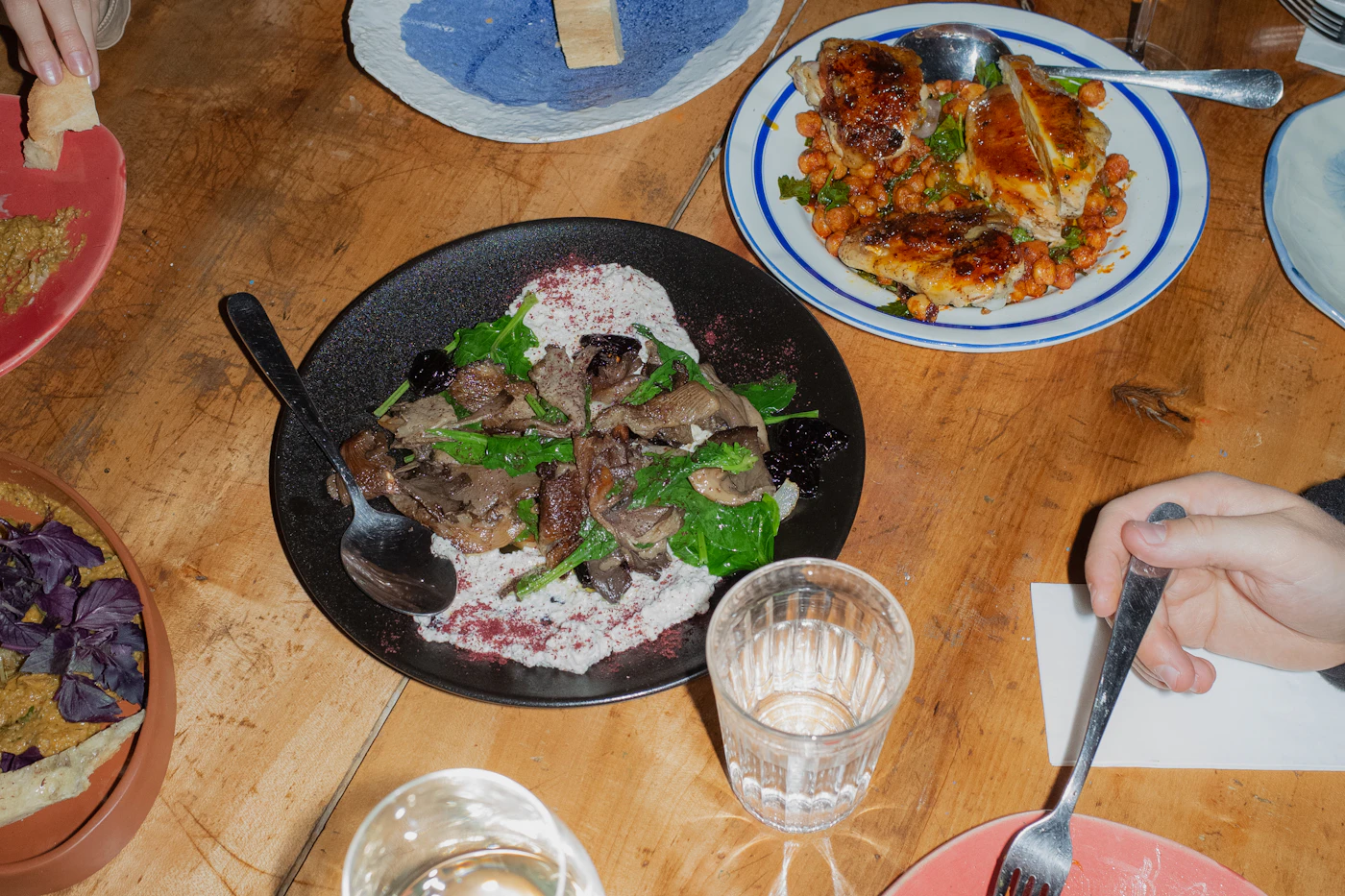
A crowded table can feel welcoming, but it can also hide uncertainty. The host did not know how many people would eat, several guests brought unplanned dishes, and extra food became the easiest way to avoid asking direct questions. By the end, the meal has produced more containers and decisions than anyone expected, even though everybody has already enjoyed enough to eat.
Cooking more deliberately begins before the kitchen work. Confirm the shape of the gathering, choose what you actually want to serve, and let each dish have a clear purpose. A modest menu can feel generous when guests understand the plan and the host is available to enjoy their company. Variety does not need to expand with every possible preference or every idea that looks appealing during preparation.
This guide focuses on organizing a small social meal. It does not provide a universal portion chart or authorize keeping uncertain leftovers. Actual quantities depend on the people and menu, and food handling requires suitable equipment and current guidance. Reducing excess is useful only when it remains compatible with those needs.
Define whether this is a meal or a snack
Tell guests what the invitation means. A late-afternoon drink with a small snack creates different expectations from lunch, even if the same table and chairs are involved. State the approximate timing and whether people should arrive expecting a full meal. Clear language gives guests the information they need without requiring a lengthy discussion of the entire menu.
Use the format to guide quantities. If the event falls between meals, you may not need several substantial dishes. If it replaces dinner, an attractive snack board alone may not meet the promise of the invitation. Decide the role of the gathering first, then choose food that supports it. Ambiguity often leads hosts to prepare both versions at once, creating unnecessary work and excess.
Confirm attendance while changes are still useful
Ask for a response by a point that lets you plan the shop. Keep the request friendly and explain practical details such as whether guests may bring someone else. Last-minute changes can happen, but a confirmed starting number is more useful than relying on the maximum number of people who might possibly appear.
Separate confirmed guests from uncertain possibilities on your own notes. Choose a simple way to accommodate a small change without multiplying every dish in advance. This might mean using a flexible component already intended for the meal rather than preparing a second full menu. Avoid treating the uncertainty as a reason to buy one extra of everything; those additions quickly exceed the size of the gathering itself.
Give each dish a job
Build the menu around a few functions: something substantial, a complementary side, and perhaps a simple finish. The exact arrangement depends on your chosen meal and guests. Ask what each dish contributes. If two dishes serve essentially the same purpose and require separate preparation, choose the one you most want to make or the one that better suits the kitchen.
Look for contrasts that do not require many additional ingredients. Texture, temperature, color, and the way food is served can create interest within a small menu. Do not describe a loose flavor combination as a traditional meal unless you have a basis for that claim. You can call it your own gathering menu and explain the choices without borrowing a cultural identity for atmosphere.
Ask about needs before adding alternatives
Check relevant dietary requirements directly with guests instead of guessing from a large list of possible restrictions. A host who tries to provide a separate dish for every imagined preference can create an unmanageable spread while still missing an actual need. Ask what the person requires and whether your kitchen can meet it appropriately.
Be candid about ingredients, preparation, and any limitations. Keep product information available where it matters, and allow a guest to bring their own suitable food if that is the arrangement they prefer. Do not pressure anyone to taste a dish for reassurance. An inclusive plan offers clear information and practical choices; it does not require every person to eat every item on the table.
Choose one flexible component
A useful menu often includes something that can be adjusted without changing the whole meal. It might be a separately served accompaniment, a simple bread option, or a dish whose final assembly can wait until you know how many people are seated. Select the component because it fits the menu and can be handled appropriately, not because it is a theoretical solution to every possible surprise.
Keep the flexibility specific. Write which item you would add, reduce, or leave unassembled if attendance changes. This is more effective than a vague plan to improvise. It also protects your preparation time, because you have already decided what will remain uncomplicated. The goal is a small margin of adaptability rather than a reserve meal hidden behind the main one.
Coordinate contributions before guests shop
If guests want to bring food, assign a clear category and quantity appropriate to your plan. Someone can bring a particular accompaniment or a simple dessert by agreement. Ask them to communicate ingredients and handling needs in advance. This helps you know what preparation space and serving equipment will be required when they arrive.
Give people permission to contribute in other ways. Setting the table, bringing a nonfood item you actually need, or helping with cleanup may be more useful than another dish. Avoid an open invitation for everyone to bring whatever they like unless the gathering is deliberately organized that way. Otherwise, the host may feel obliged to serve an entire second menu while the originally planned food remains untouched.
Use serving batches with a real purpose
Putting out a smaller amount at a time can make the table easier to use and help you see what guests actually want. Keep additional food under appropriate conditions and replenish with a clean arrangement rather than mixing old and new food casually. Plan the serving equipment and storage space before the event so the method does not depend on finding extra containers midmeal.
Batching is not a way to ignore time and temperature. Keep track of what has been served and follow authoritative handling guidance for the specific foods. It is fine to simplify the menu if you cannot manage the intended service safely. A gathering should be designed around the facilities you have, not around a visual display whose practical requirements exceed them.
Build a fictional menu on paper first
Imagine inviting four friends for a relaxed lunch at home. You choose one main dish you already know how to prepare, one vegetable accompaniment, and a fruit-based finish. A guest offers to bring bread, so you remove the separate appetizer you were considering. The table now has a clear meal rather than several overlapping courses competing for attention.
On paper, note the serving dishes, utensils, storage needs, and work remaining after guests arrive. If the main and side both require the same small pan at the same moment, revise one before shopping. This fictional exercise demonstrates how menu editing prevents excess. It deliberately leaves exact portions and recipes to the host's own appropriate choices rather than pretending that one numerical formula fits every lunch.
Count equipment as part of the menu
A small menu can still become difficult if every dish needs a separate last-minute pan, board, or appliance. Lay out the intended equipment mentally or on the counter before cooking. Identify which tasks can happen in advance and which require your attention during the gathering. A dish that keeps you away from guests for most of the meal may not fit the event you wanted to host.
Check the serving side too. Use vessels you already own that suit the food and can fit comfortably on the table. Avoid selecting a large decorative platter that encourages you to fill it beyond the needs of the group. The scale of the dish should serve the meal, rather than making the quantity seem insufficient simply because empty space remains around it.
Make a storage decision before the gathering
Have suitable containers available and a clear place for food that can appropriately be kept. Do not postpone every decision until the final guest leaves. A full refrigerator or missing lid can turn a straightforward task into a late-night puzzle, when you are least interested in solving it carefully.
The FDA's outdoor food guidance sets a two-hour limit for perishable food outside safe temperature control, reduced to one hour above 90°F. Food exceeding those limits should be discarded. Consult the source for complete context and handling instructions. Do not use smell, appearance, or a guest's willingness to take something home as proof that an uncertain item is suitable to keep.
Offer take-home food without creating pressure
Only offer food whose handling and storage are appropriate, and ask whether the guest actually wants it and can transport it suitably. A container should be a useful offer, not an obligation to rescue the host from overpreparation. Give clear information about what is inside and when it was prepared, along with any relevant ingredient details.
Respect a refusal immediately. Someone may have travel plans, limited storage, or simply enough food at home. Do not divide the entire remainder among guests automatically. If take-home portions are part of the plan, discuss transport and containers before the event. Even then, reducing the initial excess is usually easier than organizing a second distribution project after everyone has finished eating.
Record quantities without turning hosting into accounting
After the gathering, make a short note about what you prepared and what remained. The aim is to inform your own future meals, not to compare guests' appetites or judge anybody's choices. One or two observations may be enough: the extra appetizer was unnecessary, or the main dish needed a slightly larger accompaniment for this particular group.
Keep context with the note. A hot afternoon, a different event time, or several guests eating beforehand may change what happens next time. Avoid treating one result as a permanent serving rule. Personal experience becomes useful when it stays attached to the actual menu and circumstances, allowing you to make a more informed estimate rather than a more rigid one.
Remove one dish before adding another
When a new idea appears during preparation, ask which existing part of the menu it would replace. This simple question prevents enthusiasm from expanding the meal indefinitely. You may discover that the new dish offers a useful contrast, or that you mainly like the photograph you saw. Keep it for another occasion if the current menu already meets the gathering's purpose.
Apply the same approach when a guest offers an unexpected contribution. Thank them, clarify what they propose, and decide together whether it belongs at this meal or would be better saved for another time. You do not need to serve every available item simultaneously. A thoughtful host can welcome generosity while still maintaining a clear, manageable plan for the table.
Separate abundance from the display size
Before choosing a serving vessel, consider the amount you actually intend to offer at that stage. A smaller suitable bowl can make the table easier to navigate and leave space for plates and conversation. An oversized platter may create pressure to prepare more food simply to avoid an empty-looking edge.
Try setting the table with the empty serving pieces once, using what you already own. Check whether guests can reach what they need and whether there is room for the planned meal. Remove anything without a clear role. This rehearsal concerns layout rather than food handling, and it can reveal that a simpler arrangement feels more welcoming because people have enough space to eat comfortably.
Let hospitality be visible in other ways
Comfortable seating, a clear invitation, a considered response to dietary needs, and an unhurried welcome all contribute to hospitality. These are forms of attention that do not require another tray of food. A host who can sit down and participate offers something the table alone cannot provide.
The next gathering can be simpler because you know more about what worked. Keep the menu's strongest elements, remove the unnecessary overlap, and leave room for a guest to enjoy a favorite dish without facing an overwhelming spread. A modest table can still feel abundant when it has been planned for the people actually around it, with enough care to make the meal comfortable from preparation through cleanup.
Handling reference
Read the FDA's Handling Food Safely While Eating Outdoors for the time-and-temperature guidance summarized above. The menu examples are planning illustrations and should be adapted to the specific food, facilities, and individual requirements involved.