TROPICAL-TRIBE
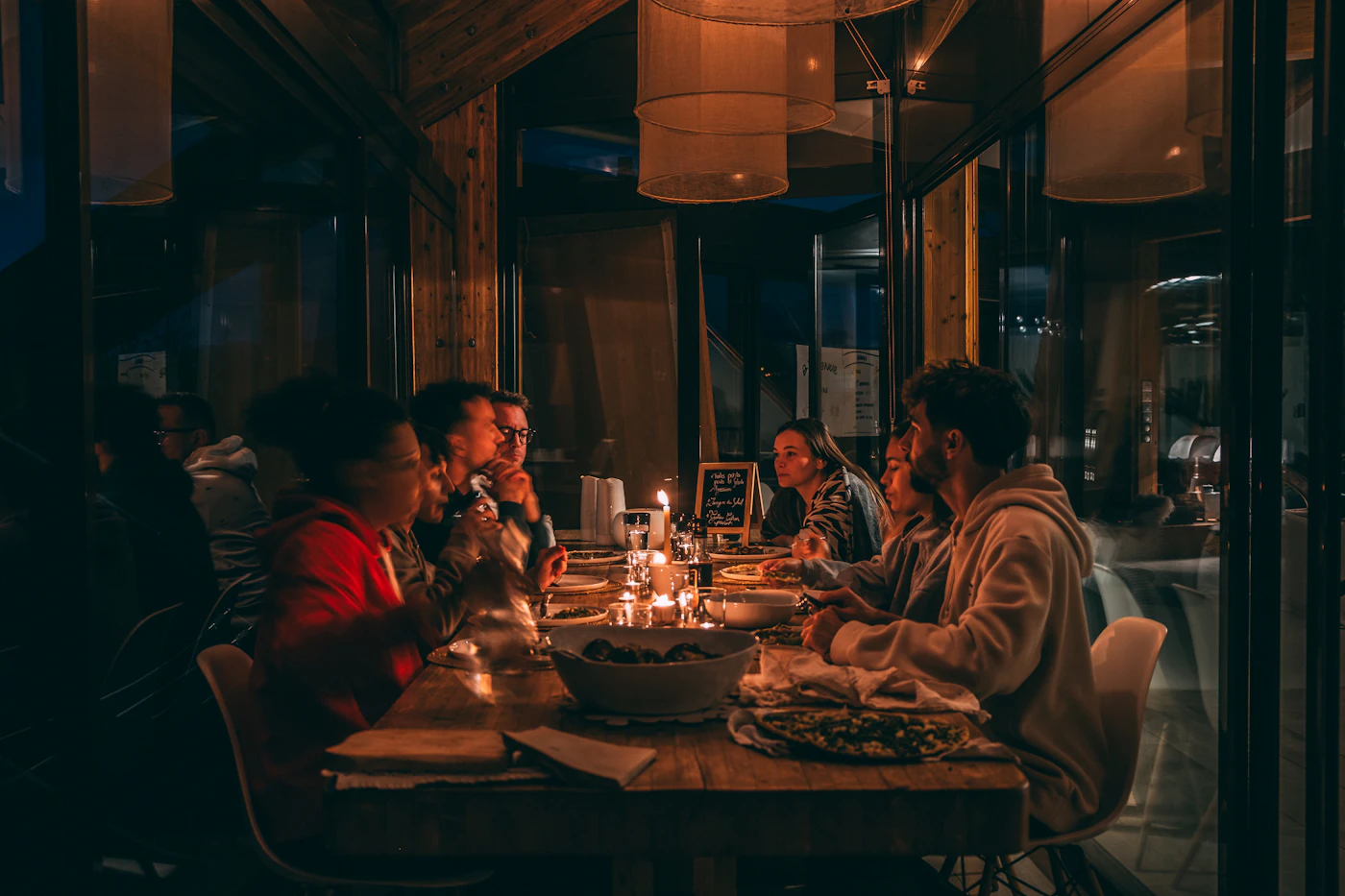
A potluck distributes cooking, but it does not automatically distribute the work of hosting. Someone still needs to organize the room, receive dishes, provide serving space, and decide what happens when three guests arrive with food that needs the only oven. In a small home, these tasks become especially visible because there is little spare surface on which to hide a problem.
The solution is not a rigid menu that removes the spirit of contribution. It is a clear framework that lets each person's dish fit into the shared meal. Guests can retain personal choice while knowing whether they are bringing something substantial, something fresh, or a simple dessert. The host can then plan space and equipment around reality.
A thoughtful small-space potluck feels generous because people understand how to participate. They can arrive without guessing where to put their dish, serve themselves without blocking a doorway, and leave without an awkward negotiation over containers. This guide focuses on those practical details so the evening can remain friendly and informal.
Begin with the room's comfortable capacity
Count the places where people can actually eat, not merely stand. A sofa, a small table, and a few chairs may accommodate a modest group, but food that requires a knife and fork changes what those seats can support. Think about stable surfaces for plates and drinks as well as the number of people who can fit through the door.
Choose the guest count and menu style together. If most people will eat from their laps, favor dishes that are comfortable in that format. If the meal requires a proper table, invite the number you can seat without blocking movement. A smaller gathering can feel more welcoming than a larger one in which everyone must negotiate their place continually.
Keep important routes open: entry, kitchen, restroom, and exit. Furniture that looks attractively grouped in an empty room may become an obstacle when chairs are occupied. Walk through the setup before the event and imagine someone carrying a full plate. Physical comfort is the foundation on which the food and conversation depend.
Assign roles rather than recipes
Ask guests to choose within a useful category. One person might bring a substantial dish, another vegetables, another bread or a familiar starch, and another dessert. This produces a coherent meal while leaving room for personal taste and cooking confidence. It also avoids a table consisting entirely of snacks because everyone assumed someone else would bring dinner.
Be specific about what the category means for your group. “A vegetable dish that arrives ready to serve” is more informative than “something green.” “A dessert for the agreed number of guests” helps prevent several oversized contributions. Let people ask questions and change their assignment if it does not suit their schedule or equipment.
Make room for purchased food and nonfood contributions. Someone may prefer to bring a familiar bakery item, drinks, or useful supplies. A potluck should not become a competition in homemade effort. The shared value comes from contributing to the occasion, and different people can do that in different practical ways.
State the kitchen limits clearly
Tell guests whether oven, stove, refrigerator, and counter space will be available. In a small home, the most helpful request is often that dishes arrive ready to serve, with handling appropriate to the food. If reheating is possible, agree in advance on which dish needs it and how the timing will work.
Avoid offering unlimited kitchen access out of politeness when the room cannot support it. A vague “we can heat anything here” can create a bottleneck just as guests arrive. Honest limits make the evening easier for everyone because contributors can choose suitable dishes before they cook them.
Ask guests to bring a serving utensil with their dish when practical. Confirm whether they should bring the final serving vessel or transfer food at your home. A stack of transport containers with no spoons can consume precious counter space while the host searches cabinets. Small instructions in the invitation prevent larger interruptions during arrival.
Gather ingredient information without creating a paperwork project
Ask about dietary needs before assigning dishes, and communicate relevant requirements to contributors. For strict allergies or other significant needs, discuss what the shared preparation and serving environment can realistically support. A potluck with several home kitchens may not provide the same controls as an individual's usual routine, and that limitation should be clear.
Invite each contributor to provide a short ingredient note or keep the recipe and packaging available. This helps guests make informed choices without requiring the cook to repeat the same explanation throughout the evening. Use plain descriptions that identify the food rather than broad assurances such as safe for everyone.
Do not quietly substitute ingredients after confirming a dish for someone's needs. If a change occurs, communicate it. The affected guest should be able to choose an alternative without embarrassment. A welcoming potluck makes room for someone to bring their own food or decline a dish while still participating fully in the gathering.
Create a landing area for arrivals
Reserve one clear surface for incoming dishes. This allows you to identify what has arrived, direct it to appropriate storage or service, and keep transport bags from spreading across the main eating area. If the kitchen is tiny, a nearby table may work better than asking every guest to step into the cooking space.
Have a place for coats, bags, and empty carriers. These objects can quickly occupy chairs and block paths if no alternative is obvious. A small sign or a brief greeting can direct people without making the event feel formal. The goal is to reduce the number of questions the host must answer simultaneously.
Handle perishable food promptly according to its needs. Arrival is a social moment, but it should not leave food waiting in a bag while everyone catches up. Ask the contributor about handling requirements if they are unclear. A smooth receiving routine protects both the meal and the host's ability to welcome guests warmly.
Use fewer serving surfaces well
Choose one main food area if the room allows it, and put drinks elsewhere. This prevents people choosing beverages from blocking those assembling plates. Arrange the food in a sensible order, with plates at the beginning and utensils or finishing items where guests need them. Leave space to set a plate down briefly.
Do not place every reserve or duplicate container on the serving surface. Keep appropriately stored backup portions available for replenishment. A compact display with clear access is easier to use than a crowded table that includes packaging, lids, and transport bags. Remove empty vessels as the meal progresses.
If a buffet route is impossible, serve a smaller selection at the table or pass dishes in manageable groups. The gathering does not have to follow a standard potluck image. A format adapted to the room will feel more relaxed than a buffet squeezed into a space that cannot support it.
A hypothetical potluck in a small apartment
Imagine a host with a compact kitchen, a four-seat dining table, and comfortable seating for two more people nearby. The host invites five friends and explains that the meal should be easy to eat from a bowl. Contributions are divided among one substantial dish, a vegetable component, a simple accompaniment, dessert, and drinks. The host provides the base and basic table supplies.
Guests know that only one agreed dish can use the oven and that everything else should arrive ready for appropriate service. A small table near the entrance receives food, while coats and bags go to a designated room. Ingredient notes sit beside the dishes. Drinks occupy a separate corner so the main food surface remains accessible.
The group serves in a loose sequence rather than crowding the counter at once. Some guests sit at the table, others use stable nearby surfaces, and the food format makes both comfortable. After dinner, containers are returned to their owners as food is stored appropriately. The apartment has not become larger; the plan has reduced the collisions that would otherwise make it feel cramped.
Keep contributions proportionate
Tell guests the total head count and remind them that several dishes will form the meal. A contribution does not always need to provide a full standalone dinner portion for every person. Encourage sensible quantities based on the dish's role, while allowing for the group's appetites and any specific dietary arrangements.
Avoid praising quantity as the main sign of generosity. When one person brings an enormous tray, others may feel pressure to do the same next time. Appreciate the thought, flavor, or usefulness of a contribution instead. This helps keep future potlucks manageable and reduces the burden on people with limited budgets or storage space.
Have a simple backup that remains useful if unopened. It can provide flexibility if a contributor cancels without forcing you to prepare another complete meal in advance. Choose something that fits the planned food and can be handled safely. The backup should reduce uncertainty, not become another oversized dish competing for space.
Share small tasks without turning guests into staff
Assign contained jobs when people offer help. Someone can refill water, clear a particular surface, or carry empty dishes to a designated place. These tasks are easy to understand and do not require knowledge of the entire kitchen. Several guests improvising cleanup simultaneously may create more congestion than assistance.
Keep the host's responsibilities visible enough to be shared. If nobody knows where used plates belong, they may remain scattered around the room. A clear collection area and accessible supplies allow helpful behavior without repeated questions. This is especially useful in a small space where every abandoned plate occupies valuable surface.
Let people decline a task without making contribution feel transactional. They have come to share a meal, and their circumstances may differ. A potluck works through mutual consideration rather than a strict accounting of every action. The host can encourage cooperation while preserving the social character of the evening.
Decide the leftover plan before everyone leaves
Ask contributors whether they want their remaining food returned and whether their containers need to leave with them. Follow safe handling and transport requirements, and do not send questionable food home simply because someone is willing to take it. A cheerful departure should not conceal uncertainty about how the food has been held.
Keep a few suitable containers available if you expect to retain food, but avoid making leftovers a compulsory gift. Guests may be traveling, lack refrigerator space, or simply not want more. Offer without insisting. The goal is to place food where it can reasonably be used, not to remove every item from the host's kitchen at any cost.
Label what stays and store it promptly. If the meal generated excessive quantities, use that observation to improve the next invitation. More precise role assignments or smaller portions may solve the issue better than a more elaborate leftover-distribution system. Good planning begins before the dishes arrive.
Let the room change after everyone eats
A small home may serve better as a dining room first and a conversation space afterward. Once food has been handled appropriately and the main serving area is cleared, move a few lightweight items if that creates a more comfortable arrangement. You do not need a dramatic reset. Returning a chair to its usual place or clearing a low table can make the room feel spacious again.
Make the transition optional rather than ordering everyone into a new formation. Some guests may prefer to remain where they are, while others enjoy moving to a softer seat. Clear surfaces for cups let people choose without balancing drinks precariously. The gathering can become less structured as the practical work of dinner ends.
Keep the kitchen from becoming a private club for helpers. If several people are cleaning while others sit alone, bring the necessary work to a reasonable stopping point and rejoin the group. The dishes can be organized without completing every household chore during the visit. A potluck shares food and effort, but its purpose remains spending time together.
This second arrangement can also reveal what to change next time. Perhaps the meal works better with one fewer serving dish, or a smaller guest count allows everyone to remain in the same conversation. These observations are not judgments about the size of your home. They are ways to use the space with more care and confidence.
Preserve the character of a shared meal
Leave room for contributors to explain a dish if they wish, but do not require a formal presentation from everyone. A potluck can celebrate personal food choices without making guests perform culinary expertise. Someone who brought bread from a favorite shop belongs in the conversation as much as someone who cooked all afternoon.
Notice which arrangements made the space easier to use. Perhaps separating drinks solved congestion, ingredient notes reduced questions, or a single reheating agreement prevented a kitchen queue. Keep those details for the next gathering while allowing the menu and people to change.
For handling questions, use USDA food-safety guidance. For allergy information, consult the FDA's food allergy resources and communicate directly with the guests involved. A small-space potluck succeeds when the contributions form a meal and the room leaves people enough ease to enjoy it.