TROPICAL-TRIBE
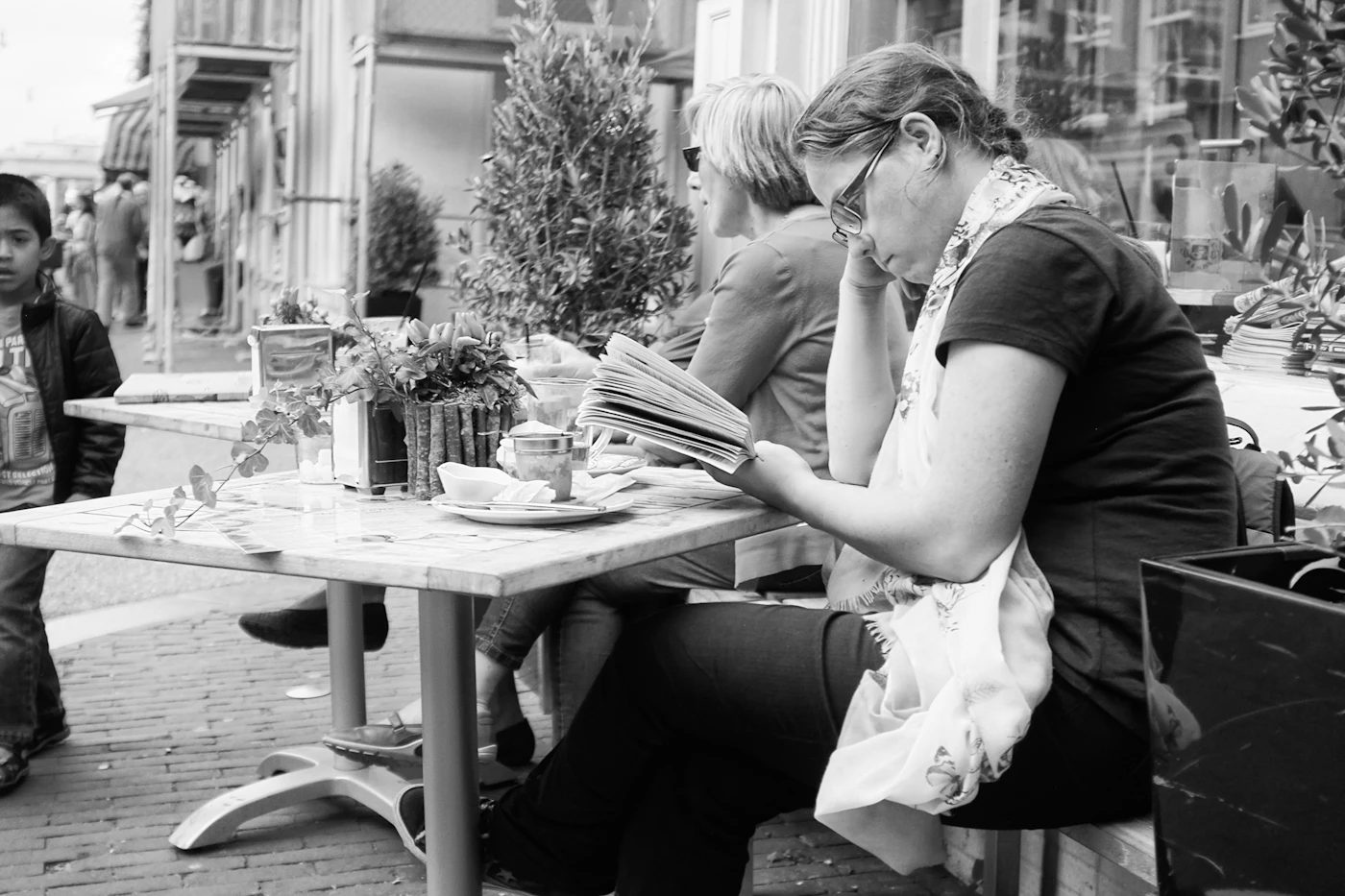
The freedom of a solo day can be one of travel's great pleasures. You can stay longer with a view, leave a place that does not interest you, or choose lunch without negotiating competing preferences. Yet complete openness can also become tiring. When every turn, meal, and pause requires a fresh decision, the day may feel less relaxed than expected.
A slow solo day benefits from a small amount of structure: one area, one activity you particularly want, a few practical details, and permission to adjust the rest. The plan should support independence rather than prescribe every hour. It should also reflect current local conditions and your own comfort, access needs, and experience. There is no single correct way to travel alone, and enjoyment does not depend on constantly proving how adventurous you can be.
Choose a manageable area
Begin with a neighborhood, town center, waterfront district, or other area that suits the kind of day you want. Limiting geography reduces time spent in transit and gives you a chance to notice connections between places. You can see how a market relates to a square, where people gather after lunch, or how a street changes as it approaches the water.
Check current practical information for the area before leaving. Understand the transport you expect to use, any relevant access or opening details, and local conditions that may affect your plan. Use official sources when the information matters to your safety or a reservation. This is not about eliminating every uncertainty; it is about avoiding uncertainty that would make the day unnecessarily difficult.
Choose boundaries that feel comfortable to you. You may prefer a familiar district or a route with clear ways to return. Another traveler may enjoy a broader area. Neither choice needs justification as a measure of confidence. A day designed around your actual preferences leaves more room for curiosity than one built around what you think a solo traveler ought to attempt.
Pick an anchor that belongs to your interests
The anchor is the part of the day you most want to experience: a museum, a garden, a guided visit, a particular walk, or time in a place you have been curious about. Choose it for a reason you can name. “I want to understand this collection” or “I want to spend time by the water” is more useful than selecting an activity solely because it appears on every itinerary.
Look at the anchor's full demands. A timed entry, a lengthy journey, or a physically demanding activity may shape much of the day. Allow for that honestly. If the anchor is substantial, keep the surrounding plans simple. You do not need to add several attractions to make the day count, especially when traveling alone already gives you the chance to linger.
If your chosen activity depends on conditions or availability, have an alternative with a similar purpose. A canceled outdoor plan might become an indoor visit related to the same subject. A crowded site might be replaced by a quieter public space. Preserving the intention is often more satisfying than trying to salvage every detail of the original schedule.
Decide how the day will begin and end
The middle of a slow day can remain flexible when the edges are clear. Know how you will leave your accommodation, what you need to carry, and how you expect to return. Check the actual transport arrangements for the relevant day and avoid assuming that an earlier service or route will remain available later. Use current local guidance for any safety-related decisions.
Choose a reasonable return window that fits your preferences and circumstances. You can adjust it deliberately if conditions allow, but having an initial boundary reduces the need to keep deciding whether to add another activity. It also helps you plan meals and rest. A day does not need to extend into the evening merely because you are free to keep going.
If someone is expecting contact from you, agree on an appropriate check-in arrangement. Keep necessary communication and information available. This article is about leisure planning, not a substitute for destination-specific safety guidance. Your plan should remain compatible with the practical precautions and local advice relevant to where you are traveling.
Give meals a comfortable place in the plan
Solo meals can be enjoyable when you choose the setting deliberately. You may prefer a casual café, a counter, a quiet table, or food taken to an appropriate public place. Think about what will feel comfortable at the time of day rather than treating eating alone as a performance you must master. There is no requirement to choose the most formal option.
Identify a few possibilities before you become very hungry, especially when dietary needs or opening times matter. Keep the list short enough that choosing remains easy. Check relevant information directly when necessary. A flexible meal plan can prevent the afternoon from becoming a long search for somewhere suitable while still leaving room for a place that catches your interest.
Bring a book or notebook if you enjoy having one, but do not feel obliged to appear occupied. You can watch the room, enjoy the food, or simply sit. Respect the setting and the people around you. If taking photographs, avoid making other diners part of the image without appropriate consideration. The meal is already a worthwhile part of the day without needing to become content.
Use pauses as part of the itinerary
Plan for places where you can stop comfortably. A bench, a public garden, a café, or another suitable setting can give the day a slower rhythm. Check access and practical needs rather than assuming a pause will be easy everywhere. When traveling alone, a good stopping place can be especially valuable because you are making all the decisions yourself.
During a pause, ask what you want next. You may have more interest in the current area than expected, or you may be ready to move on. This is a better moment to revise the day than while hurriedly walking between places. A small review can keep the itinerary responsive without turning it into constant analysis.
Do not require every pause to be reflective. You can enjoy a drink, listen to ordinary sounds, or do nothing in particular. Slow travel is not an obligation to extract meaning from each minute. It is an opportunity to allow some experiences enough time to become distinct, including experiences as simple as sitting somewhere pleasant.
Let conversation be optional
Traveling alone does not mean you must either seek company constantly or remain silent all day. Brief, respectful exchanges may happen naturally through a tour, a shop, or a shared public setting. Follow the context and other people's cues. Staff and residents are not responsible for supplying the social dimension of your trip.
If you would like more structured interaction, consider an activity designed for participation and check its current details carefully. A guided visit or small class may offer conversation around a shared interest. Choose based on the actual activity and your preferences, not because solo travel is supposed to be sociable. It is equally reasonable to spend the day quietly.
Keep boundaries comfortable and practical. You do not owe strangers personal information or an explanation of your plans. Follow local safety guidance and your own judgment. An enjoyable conversation can remain brief, and declining an invitation can be polite and simple. Freedom includes deciding how much contact you want, not only deciding where to go.
Follow curiosity in bounded ways
A side street, a public exhibition, or a view may invite a change of direction. Before following it, consider time, access, conditions, and how it affects the rest of the plan. A small detour within a suitable area can enrich the day. A larger change may deserve fresh information rather than being treated as a spontaneous extension of the original route.
Keep curiosity distinct from obligation. You can notice something interesting and choose not to pursue it. Write down the place for another day if that helps. Solo travel offers the ability to change plans, but it also offers the ability to stop adding to them. Sometimes staying with one worthwhile experience is the more satisfying use of freedom.
If you frequently feel uncertain about what to do next, return to the day's purpose. Was it to explore a particular subject, enjoy a coastal setting, or spend time at your own pace? Choose the next step that supports that aim. A simple purpose can replace the pressure to find the objectively best use of every remaining hour.
A hypothetical coastal-town day
Imagine a traveler who wants a quiet day centered on a small local museum and the waterfront around it. They check current opening details and transport information, choose a manageable district, and plan to return before their preferred evening routine. They carry the practical items they need and keep important information accessible. The museum is the day's only fixed anchor.
After the visit, they choose lunch from two previously identified possibilities. They spend part of the afternoon walking through nearby public streets, then pause in a comfortable place with a view. A shop display catches their interest, so they make a short stop. They decide against adding another attraction because the day already feels satisfying. The details are illustrative rather than a recommendation for a particular destination.
On returning, they note one thing they learned and one place they might revisit. The day has included structure, observation, food, and open time without demanding a dramatic story. Its success comes from matching choices to a clear intention. Another traveler could use the same approach for architecture, gardens, or reading in a pleasant setting while creating a very different experience.
When being alone feels different from expected
You may enjoy independence in the morning and want company later, or feel more uncertain than you anticipated. Treat those responses as information rather than as a verdict on solo travel. Change the scale of the day if necessary. Return to a familiar place, choose a more structured activity, or contact someone you know when that is what you want.
Avoid making yourself complete an itinerary simply because you planned it alone. There is no companion whose expectations you need to preserve. You can leave an uninteresting visit, have an early meal, or return to your accommodation. A flexible plan has value precisely because it allows you to respond to the actual day.
If a situation feels unsuitable or local conditions change, prioritize appropriate practical action and reliable guidance over the leisure plan. The itinerary is expendable. A slow-travel approach should make decisions easier, not encourage you to ignore relevant information in the name of spontaneity. Comfort and good judgment are compatible with curiosity.
Finish with a clear sense of what you enjoyed
At the end of the day, identify the moments you would choose again. Perhaps the museum held your attention longer than expected, the solo lunch felt easy, or the open interval by the water was the best part. These observations can guide another day more effectively than a list of all the things you did not reach.
Notice practical improvements too. You may want an earlier meal, fewer transport changes, a lighter bag, or more information before leaving. Keep the adjustment specific. There is no need to redesign your entire travel style after one uneven afternoon. Each day can teach you a little about the amount of structure and independence you prefer.
A good solo slow-travel day leaves you with the sense that your choices belonged to you. It need not be packed, brave, photogenic, or especially unusual. It needs enough preparation to work and enough openness to respond. Within those modest boundaries, an ordinary place can become memorable because you had the time and freedom to meet it at your own pace.
For a future trip, keep a short list of the kinds of anchors that consistently interest you. This is more useful than copying a complete itinerary from one place to another. A love of small museums, public gardens, waterfronts, or local architecture can guide your research while leaving the destination's own character intact. You are building a way of choosing, not a formula that makes every solo day the same.
Check current official guidance
For international travel, use the U.S. Department of State's travel checklist as a starting point for current destination information, local requirements, and preparation relevant to your circumstances. Review the appropriate local authority or operator guidance for specific activities as well. A leisure itinerary works only within the real conditions of the place you are visiting, so update the plan when reliable information changes.