TROPICAL-TRIBE
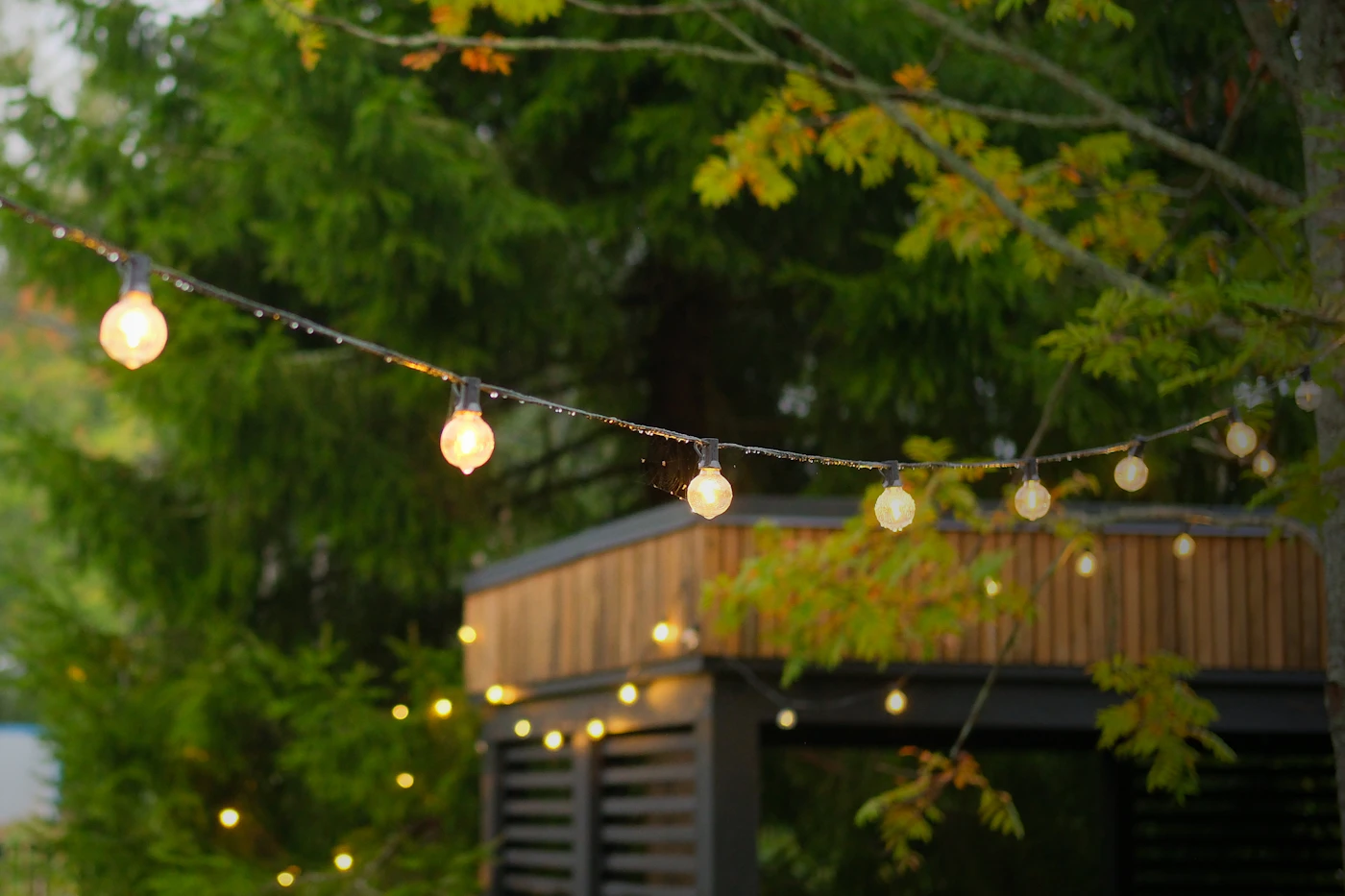
A summer evening can feel surprisingly short when it is filled by the same sequence as every other night: errands, dinner, dishes, messages, and a final glance at the clock. Making room for a ritual does not mean adding another obligation to that list. It means choosing a small interval that has a different character and arranging the rest of the evening so that interval can exist.
The ritual might be a drink outside, a walk after dinner, a chapter beside an open view, or a few minutes tending plants. Tropical inspiration can appear in the atmosphere: a little greenery, an easy meal, natural light, and time to notice the change from day to evening. You do not need a large outdoor space or a new collection of objects. The useful version is the one that fits your ordinary week.
Find the transition you want to change
Look at where the evening currently loses its shape. Perhaps work ends but continues mentally through repeated messages. Perhaps dinner preparation expands because nobody has decided what to eat. Perhaps you sit down with a phone for a few minutes and discover that the light has gone. Identify one transition rather than trying to redesign the whole night.
Describe what you would prefer in concrete terms. “After the dishes, I will sit by the balcony door with a book” gives the ritual a place and a cue. “I want to enjoy summer more” is a valuable feeling but does not tell you where to begin. A specific arrangement makes the idea available on an ordinary Tuesday rather than only on a special weekend.
Keep expectations modest. The ritual may be pleasant without changing your entire mood or making the day feel complete. Some evenings will be interrupted, and others will not offer the time you expected. A flexible practice can survive those differences. It should not become another standard against which you judge whether you have used your leisure correctly.
Choose one activity with a clear beginning
Select something you enjoy enough to repeat: reading, drawing, a short walk, listening to a piece of music, or talking with someone over a drink. Avoid choosing an activity only because it looks like the right kind of summer leisure. The ritual needs to suit your preferences, not a photograph of an ideal evening.
Give the activity a simple starting action. Carry the cup to the chair, put on comfortable shoes, open the notebook, or turn on a familiar playlist. These physical cues make beginning easier than deciding from scratch every time. Keep necessary items together if that helps, but do not create a complicated system that requires maintenance.
Decide what a short version looks like. If the full ritual is a half-hour walk, the small version might be a few minutes outside near home. If it is reading a chapter, the short version could be two pages. The smaller version should preserve the central pleasure rather than feel like a token punishment for being busy. It is simply the arrangement that fits that evening.
Make the setting comfortable before adding atmosphere
Choose a place that works at the actual time you will use it. A patio that looks inviting in a photograph may be too exposed or uncomfortable at your preferred hour. An indoor chair near a window may be more reliable. Consider seating, light, noise, weather, and the needs of anyone sharing the space.
If you have outdoor space, keep the setup easy to carry out and bring back. A chair and a stable place for a drink may be enough. Follow ordinary safety practices for lighting, electrical items, and any equipment you use. Do not let decorative choices create obstacles or risks. The point is to make the evening easier to inhabit, not to create an elaborate installation.
Indoors, a small change can distinguish the interval from the rest of the day. Clear one surface, adjust lighting to suit the activity, or move to a seat you do not use for work. Existing plants and natural materials may provide the mood you want. There is no need to buy something every time the ritual begins to feel familiar.
Give dinner a manageable role
An evening ritual is easier to protect when dinner has a realistic plan. Choose a few familiar meals that fit busy nights and leave more involved cooking for times when you want it. A simple meal can still be enjoyable if it is served comfortably and eaten without constant multitasking. The food does not need to carry the entire atmosphere.
Think about cleanup while choosing the meal. If cooking uses every pan and leaves a long reset, the leisure interval may disappear afterward. This does not mean avoiding food you love. It means recognizing the full time involved and deciding whether that is how you want to spend the evening. Some nights the cooking itself may be the ritual.
In a shared household, make the work visible. Divide preparation, serving, and cleanup in a way that feels fair. One person's relaxed evening should not depend on another person finishing the kitchen alone. If schedules differ, agree on how food and dishes will be handled so that the ritual can coexist with ordinary responsibilities rather than creating resentment around them.
Let the changing light provide variety
One appealing part of an evening ritual is that the setting changes even when the activity does not. Light moves across a wall, a view becomes softer, or the sounds outside shift. You can notice these changes without turning them into a formal observation exercise. They provide a natural sense of time that differs from watching a clock.
If your schedule allows, try the ritual at slightly different points in the evening and notice what suits you. An early interval may preserve more daylight; a later one may feel quieter. Practical needs still matter, including safe travel, visibility, and household routines. Choose the time that works for your circumstances rather than chasing a particular visual effect.
As the season changes, let the ritual adapt. Move indoors, shorten the outdoor portion, or change the activity. A summer practice does not have to disappear when daylight becomes different. Its core may be the deliberate transition into leisure, while the setting changes with conditions. Keeping that distinction makes the ritual more useful beyond one ideal stretch of weather.
Leave the phone with a defined purpose
You may use a phone for music, contact, or practical information. Decide what it is doing during the ritual and let unrelated applications wait when possible. If music is the purpose, choose it before settling in. If you need to remain reachable, use settings you understand and keep the device available without making it the center of the interval.
A physical location can help. Put the phone on a nearby shelf or inside a bag after completing necessary checks. You do not need to leave it in another room if that creates inconvenience or concern. The aim is to make use deliberate. A quick task can remain a quick task instead of becoming an unplanned sequence of updates.
Photographs can be part of an evening you enjoy, but they need not become a record of every ritual. Take a picture when something genuinely interests you, then return to the activity. The evening does not become less worthwhile if nobody sees it. A private, ordinary pleasure can remain complete without being converted into evidence of a well-lived summer.
Share the interval without prescribing everyone's mood
Invite others with a clear, low-pressure proposal: a short walk, a drink outside, or a few minutes together after dinner. They may want to join sometimes and not others. A ritual can remain yours without requiring the whole household to participate. Shared leisure works best when it leaves room for different preferences.
If you do gather regularly, keep the format simple. You might each mention one interesting thing from the day, listen to music, or sit together without a set topic. Avoid turning the interval into a household planning meeting unless that is explicitly what everyone wants. Practical discussions can happen at another time or during a clearly marked portion of the evening.
Different schedules may require alternating versions. One person can enjoy the ritual alone before the other returns, and they can share a longer version on another night. There is no need to wait for perfect synchronization. A useful arrangement recognizes the rhythms already present in the household and finds a small place among them.
A week of changing versions
Imagine a person who chooses “a drink and a few pages by the window” as the central ritual. On Monday, dinner runs late, so they read briefly before returning to necessary tasks. Tuesday offers more time, and they move outside. On Wednesday, a friend joins them for conversation instead of reading. The chair and drink remain familiar, but the activity changes naturally.
Thursday is busy enough that the ritual does not happen. They do not try to compensate by making Friday twice as long. Friday's version includes a simple supper and an unhurried conversation. Over the weekend, they notice that the outdoor setup is cumbersome and move a small table to a more convenient place. These details are hypothetical, but they show how a ritual can evolve through use.
The week contains repetition without rigidity. Missing one evening does not invalidate the practice, and a longer version does not become the new minimum. The person learns which details matter and which can be dropped. That is more sustainable than beginning with a detailed sequence that only works when every part of the day has gone according to plan.
Keep the ritual from becoming a shopping category
It is easy to translate a desired feeling into a list of objects. A new tray, lantern, cushion, glass, and throw may all look related to the mood you want. Before buying, try the ritual with what you already have. You may discover that the only missing element was a clear chair and a decision to sit in it.
If a genuine practical gap appears, define it specifically. Perhaps there is nowhere stable to put a cup, or the existing light does not suit reading. A specific problem leads to a more considered solution than a general desire to make the space feel summery. Consider whether moving or repurposing something solves it first.
Objects also bring storage and care. A setup that requires repeated carrying, cleaning, and protection may reduce the ease you were seeking. Choose additions only when their usefulness outweighs that work for you. The ritual should remain accessible on a weeknight when you are not in the mood to arrange a scene.
Let an ordinary evening be enough
After several attempts, notice what you actually anticipate. It may be the brief change of place, the conversation, the book, or the absence of another task. Keep that core. Remove the parts that feel ceremonial in an unhelpful way. A ritual becomes personal through editing, and the simplest version may be the most satisfying.
Some evenings will remain messy. Dinner may be late, weather may be unpleasant, or responsibilities may take priority. A pleasant ritual is an option you have built into life, not an entitlement that every day must deliver. Return to it when the opportunity is there without making missed occasions into a separate problem.
The lasting value is that you know how to create a small interval with a different pace. You can recognize the available time, choose a comfortable setting, and begin an activity you enjoy. Summer provides an inviting backdrop, but the skill belongs to ordinary life. An evening can feel fuller because one modest part of it was deliberately yours, even when nothing remarkable happened.
When you want to renew the practice, change a single element rather than replacing the whole arrangement. Read a different kind of book, choose another nearby route, or invite someone who would enjoy the interval. Small variation preserves familiarity while giving you something new to notice. Let the ritual remain light enough that it can be repeated without preparation becoming its main feature. Its best version is usually the one you can begin while the evening is still available.
It can help to leave one evening entirely unassigned. A ritual is most useful when it coexists with spontaneity rather than occupying every available opening. You may accept an invitation, finish something that matters, or simply prefer a different kind of night. Keeping that freedom makes the repeated interval feel chosen. Over a season, the pleasure may come as much from knowing the option is available as from performing it on a particular schedule.