TROPICAL-TRIBE
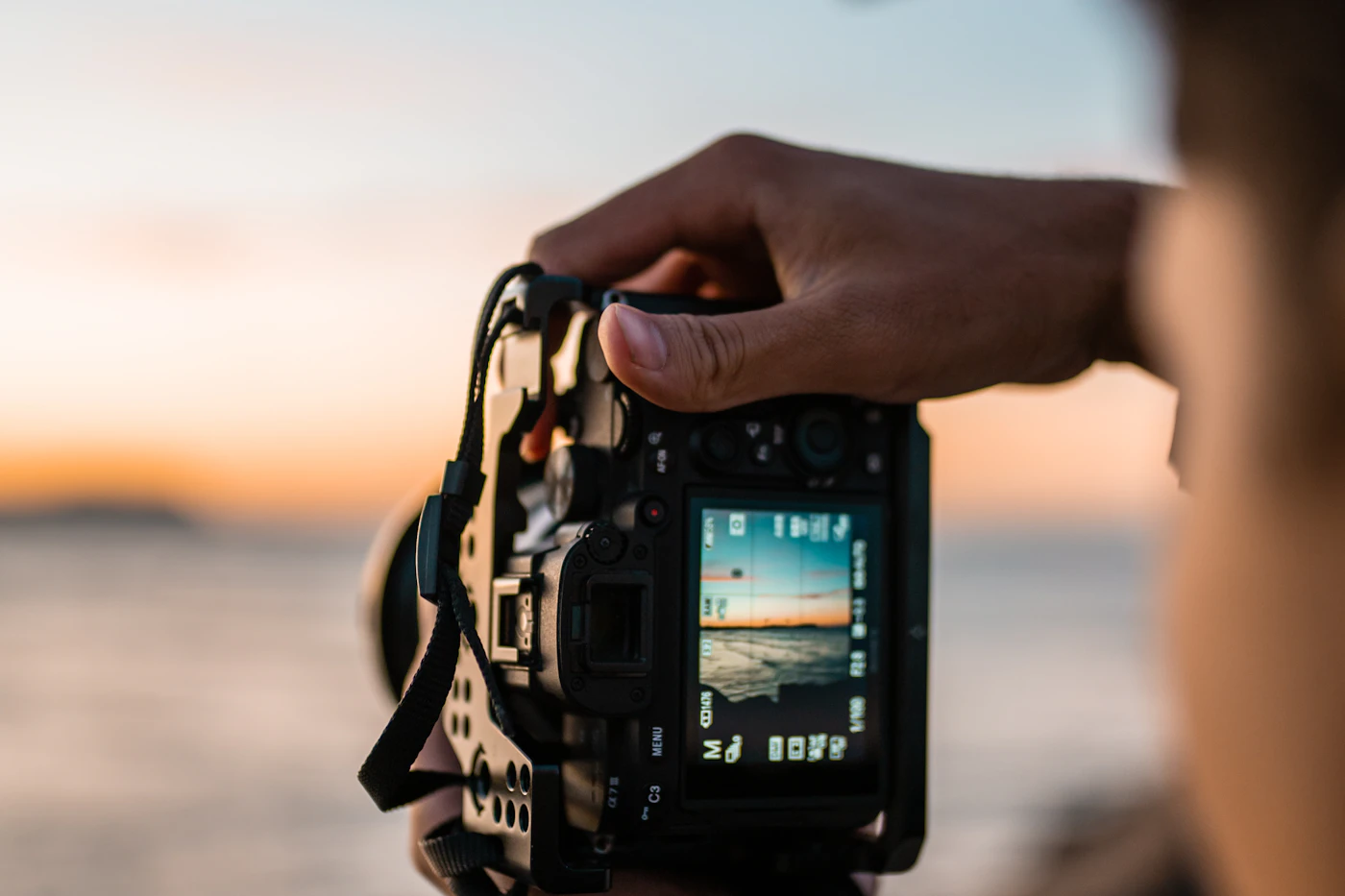
Travel photography begins with attention, but attention can take different forms. You can notice the light on a shopfront while leaving its customers room to pass, or you can turn the doorway into a set. You can remember a conversation privately, or assume that the person who spoke with you has agreed to become part of a public story. The camera itself does not decide between these approaches. The photographer does, often in small moments that occur before a shutter is pressed.
Thoughtful photography is not an instruction to avoid people or return with only empty landscapes. It is a way of recognizing that places are shared and that an image has a life beyond the moment it records. By planning a few boundaries in advance, you can make photographs with more confidence and less intrusion. The result may also be visually stronger because you learn to work with the scene rather than forcing everyone around it to accommodate your idea.
Decide what the image is for
Before photographing, consider the likely use. A private memory, a message to family, a public social post, and commercial promotion create different expectations. A person who is comfortable appearing in a casual photograph may not expect the image to advertise a product or be distributed to a large audience. If you intend a public or commercial use involving identifiable people, make the purpose clear and seek the appropriate permission rather than relying on a vague exchange.
You do not need to decide the future of every landscape image on the spot. The distinction becomes especially important when people, private spaces, or sensitive activities are central to the picture. Asking yourself why you want the photograph can reveal whether it is a meaningful observation or merely an urge to collect something unusual. If the purpose remains unclear and the situation feels intrusive, taking no photograph is a complete and reasonable choice.
Set a few personal boundaries before leaving home. You might decide not to photograph strangers’ children, people in distress, or private domestic spaces without explicit permission. You might avoid publishing companions’ locations in real time. These choices reduce improvisation when a scene feels compelling. They also make it easier to explain your approach to traveling companions who may have different expectations about what belongs in the shared photo collection.
Ask a question that allows a real refusal
Permission works best when the person understands the request and can decline without pressure. Ask before raising the camera for a close portrait or photographing someone’s work at close range. Use clear language or an appropriate translation, indicate what you want to photograph, and explain a public use when relevant. A friendly expression or a lack of objection is not always the same as an informed agreement, particularly across language differences.
Make refusal easy. Do not surround someone with a group, continue asking after a no, or imply that a purchase creates an obligation. If the answer is uncertain, put the camera away. A brief, courteous response preserves the interaction and lets the person return to their activity. The goal is not to obtain a yes through persistence. It is to discover whether the photograph is welcome.
When permission is given, keep the session proportionate. Take the agreed photograph rather than expanding into a series of poses, close-ups, and follow-up requests. Ask before changing the subject or including other people. If someone requests not to be photographed or asks you to stop, respond promptly and respectfully. The quality of the exchange matters more than extracting every possible image from a moment of cooperation.
Read the space before composing
Look for signs, staff instructions, and the behavior expected in the setting. Museums, places of worship, performances, markets, and protected sites may have specific photography rules. Check current information rather than assuming that a previous visitor’s photograph proves permission. If the rule is unclear, ask the responsible staff or organizer. A small camera or phone does not automatically fall outside a restriction.
Notice circulation. Doorways, narrow paths, service counters, viewing platforms, and transport boarding areas need to remain usable. Step aside to adjust settings or review images. Do not ask strangers to wait while you repeat a composition in a shared route. If the scene requires occupying the only passage or entering a restricted position, find another angle. The environment gives you constraints, and working within them is part of photography.
Consider sound and equipment as well as physical space. Spoken directions, repeated shutter effects, bright screens, or large accessories can change the atmosphere of a quiet setting. Use only equipment that is appropriate and permitted. A tripod can be useful where allowed, but its footprint may be unsuitable in a busy public area. The fact that an object fits in your luggage does not mean every destination must accommodate it.
Photograph a market as a place of work
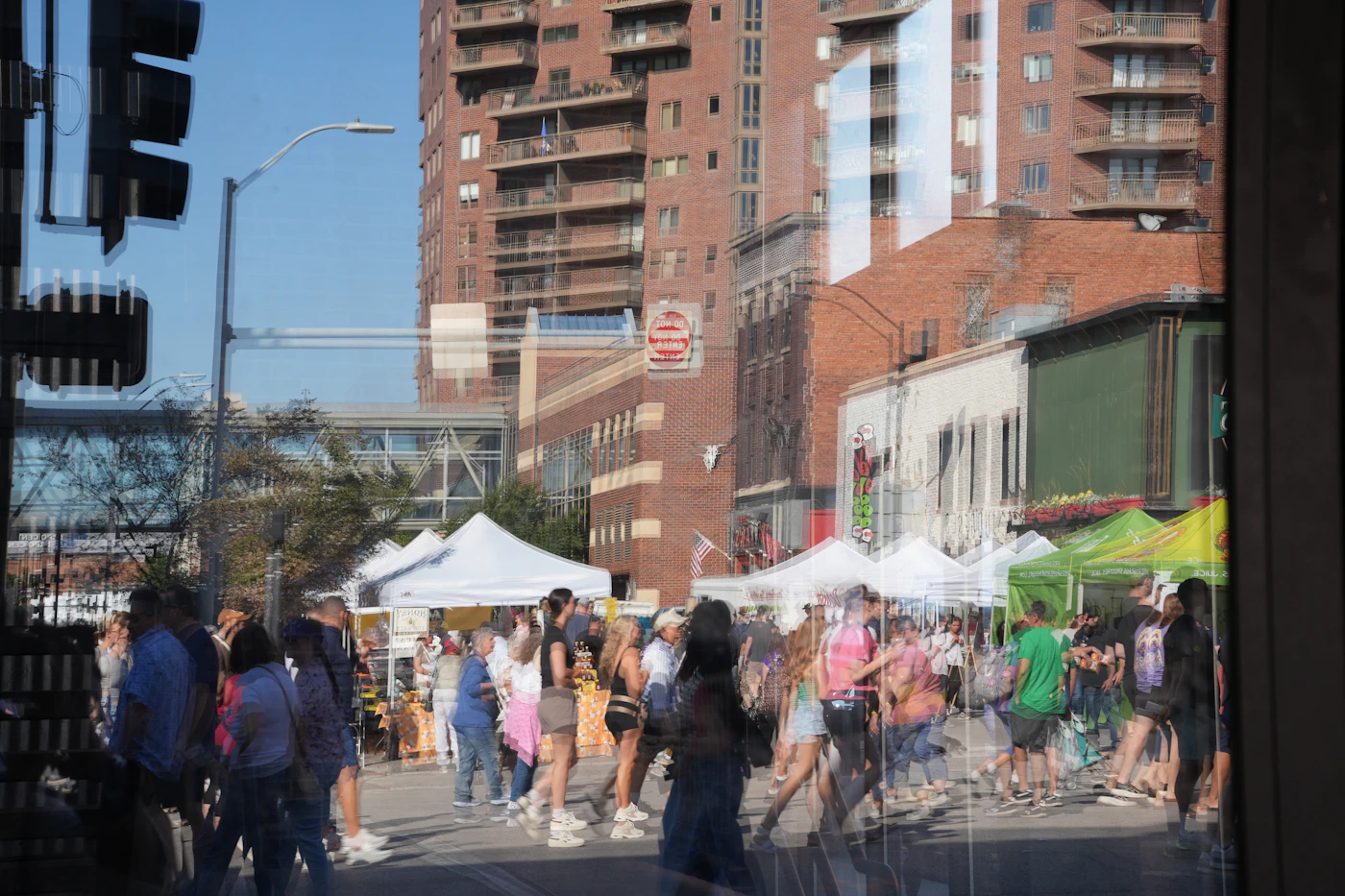
Markets offer color, texture, movement, and human activity, which makes them visually compelling. They are also places where people need to sell, shop, carry goods, and meet deadlines. Begin by understanding the service flow. Avoid standing in front of a stall solely to take photographs while blocking customers. If you want a close image of a display or vendor, ask at a moment when the request will not interrupt a transaction.
Purchasing something can be a natural part of the visit, but it should not become a covert fee for unrestricted photography. Ask separately and accept the response. Some vendors may welcome a picture of their products but not a portrait. Others may prefer no photography of a process or workspace. Respect the specific permission rather than treating it as a general pass for the whole stall and everyone nearby.
Look for compositions that communicate the setting without requiring intrusion. A detail of produce with permission, the geometry of an open public aisle, or your own purchases on a table can tell a travel story. Avoid presenting ordinary work as an exotic spectacle. Captions should describe what you know rather than inventing the vendor’s history, emotional state, or relationship to the wider culture from a single encounter.
Keep companions in the conversation
Traveling together does not automatically mean agreeing to appear in public photographs. Discuss preferences early, especially if one person posts frequently and another values privacy. Ask whether images can be shared, whether names or locations should be included, and whether anyone wants to review a photograph before publication. These are practical agreements, not obstacles to spontaneity. They prevent an enjoyable moment from becoming an avoidable disagreement later.
Separate a group memory from a repeated production session. A few photographs at a viewpoint may be welcome, while a long sequence of outfit changes or poses can consume time others expected to spend exploring. If creating content is an important personal goal, schedule a suitable interval and let companions opt out. Do not quietly redefine the shared vacation around the needs of one person’s feed.
Be attentive to how you portray others. An image that seems funny to the photographer may feel embarrassing to the subject. Avoid posting someone tired, unwell, distressed, or otherwise vulnerable without a clear reason and their agreement. You can preserve a private memory without broadcasting it. A respectful photo collection reflects the relationships within the trip as well as the places visited.
A hypothetical beach photograph with a better solution
Imagine a traveler noticing a beautiful stretch of beach where another group has settled beneath a tree. The desired composition would be cleaner if the group moved. Asking them to relocate would make their ordinary leisure subordinate to someone else’s picture. Instead, the traveler changes position within permitted public access, frames a narrower section of shore, and uses the curve of the water to structure the image.
Later, a friend offers to stand in the scene. They agree on a brief photograph and keep clear of other beach users. The friend prefers not to have the accommodation’s exact location posted, so the eventual caption remains general. The photographer gets a meaningful image through composition and communication rather than by controlling the entire setting. The limitation produces a more deliberate picture.
This example applies well beyond beaches. A busy square can be photographed as busy. A landmark partly hidden by ordinary activity can still communicate the experience of visiting. Empty space is not always the most truthful or interesting result. When a composition depends on removing everyone else’s presence, reconsider whether the photograph is describing the place or asking the place to imitate an advertisement.
Give wildlife the same freedom to remain distant
Animals cannot consent to becoming a subject, so the relevant boundaries come from wildlife guidance and the conditions of the encounter. Follow current rules for the species and location, stay within designated areas, and do not approach, touch, feed, or lure wildlife for a photograph. NOAA Fisheries provides specific marine-life viewing information; use the applicable regional guidance rather than assuming a single distance works everywhere.
Accept the limits of your equipment. A phone may show an animal as a small part of the landscape. That is preferable to moving closer in a way that disturbs it or violates a rule. Use the image to communicate habitat and scale, or put the device away and watch. Not every valuable sighting needs a close photograph, and no image is worth turning an observation into interference.
Avoid treating a guide’s presence as automatic permission for every photographic choice. Ask about restrictions before the encounter begins and follow the briefing. If the guide moves away or ends the viewing period, cooperate rather than requesting one final approach. Good photography includes recognizing the point at which the opportunity has ended. The animal’s ability to continue its own activity is part of what makes a wildlife experience worth having.
Edit captions as carefully as photographs
A caption can misrepresent a scene even when the image itself is unaltered. Do not invent a personal story for a stranger, claim a location is untouched, or describe a place as undiscovered because it was new to you. State what you know, distinguish interpretation from fact, and leave uncertainty visible. Simple descriptions can be more respectful and useful than dramatic language that turns ordinary life into a travel fantasy.
Consider whether naming an exact location is appropriate. Established public attractions generally provide their own visitor information. Sensitive habitats, private property, or places without capacity for additional attention may call for restraint. Follow official guidance where it addresses sharing locations, and avoid encouraging others to recreate a photograph from an unsafe or restricted position. A compelling image should not depend on concealing how access was obtained.
Review the edges of the frame before posting. An image may reveal faces, addresses, room numbers, vehicle details, or private information that you did not intend to share. Crop or choose another image where appropriate. Be particularly careful with documents, screens, tickets, and reflections. This review is a practical privacy habit, not a reason to become anxious about every photograph. A short pause can catch obvious issues before publication.
Build a collection that contains more than proof
Try making a small sequence rather than chasing a single definitive shot. Include a wide view, a permitted detail, an image of something you used or ate, and a quiet moment involving your own belongings or companions who agree. Such a sequence can evoke a day without requiring intrusive portraits or access to private spaces. It also encourages you to notice texture, light, and rhythm rather than only recognizable landmarks.
Leave gaps. A conversation can remain a written note, a sound can remain a memory, and an experience can matter without appearing in a gallery. Constant documentation may make you less available to the people and surroundings you came to encounter. Decide when the camera has done enough, then put it away for a while. Returning with fewer but more considered images can make the collection easier to revisit and share.
The guiding question is straightforward: can this photograph be made and shared without asking more of the place or person than is reasonable? Sometimes the answer leads to a polite request. Sometimes it leads to a different angle, a broader frame, or no photograph at all. Those decisions are not separate from photographic skill. They are part of learning to see a destination as a living setting rather than a collection of scenes waiting to be taken.
Before deleting the unused photographs, consider what you learned from them. An awkward composition may reveal that you were standing in a busy route or relying on someone else to hold a pose too long. Use that observation to improve the next outing. Ethical attention and visual attention can reinforce each other when both encourage you to understand the setting before acting.
A relevant official reference
For marine subjects, consult NOAA Fisheries guidance on wildlife photography and video, then check the specific rules for your region and activity. For buildings, events, and cultural spaces, use the current instructions of the organization responsible for the site.