TROPICAL-TRIBE
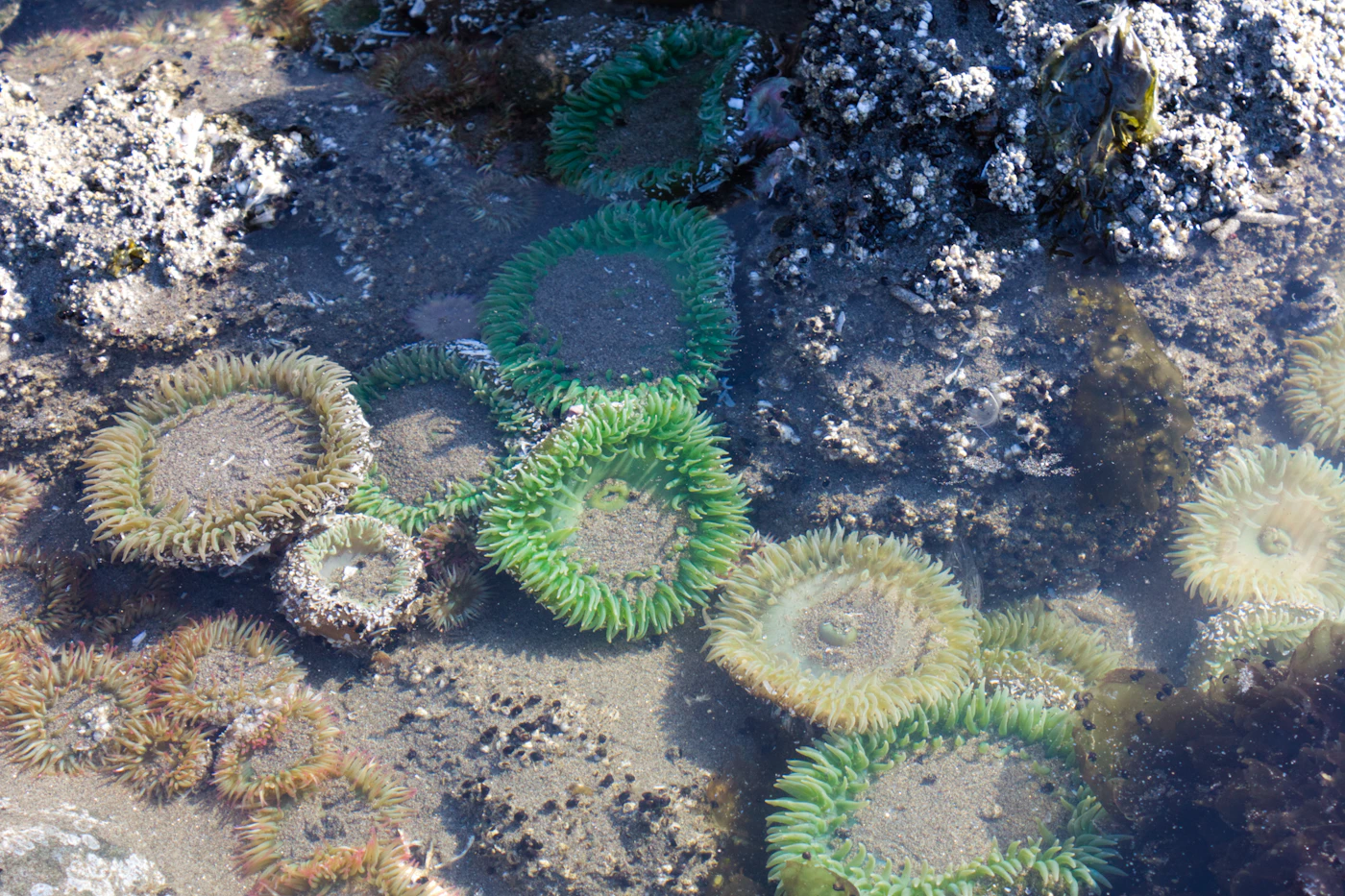
A tide pool can look like a tiny window into another world. Reflections shift, shadows move beneath the surface, and an apparently still patch of water begins to reveal texture and life. The attraction is immediate. So is the temptation to lean closer, turn a rock, or reach toward something unfamiliar.
The most rewarding visit takes the opposite approach. You choose an appropriate place, follow local guidance, and let the pool remain undisturbed. Close attention does not require physical contact. It requires time, a suitable viewpoint, and the willingness to leave questions unanswered when answering them would mean disturbing the habitat or placing yourself at risk.
Choose a managed introduction
For a first visit, look for a park, nature center, or coastal organization offering an established viewing area or guided program. A knowledgeable local guide can explain where visitors may stand, which areas are sensitive, and how conditions affect access. This is more useful than arriving at an unfamiliar rocky shore with only a photograph and a tide app.
Check the program's current details before traveling. Confirm the meeting point, terrain, expected duration, footwear guidance, and whether the activity suits your access needs. Ask what happens if conditions are unsuitable. A well-described alternative helps you understand that a canceled shoreline visit is a normal response to conditions, not a failure to deliver the experience.
Do not assume that a place described as a tide-pooling destination is suitable on every day or for every visitor. The National Park Service's Cabrillo guidance emphasizes the sensitivity of the habitat and the value of asking a ranger or joining an appropriate guided walk. Apply that principle through the authority responsible for your actual destination.
Treat access timing as local information
Low tide is not a universal access instruction. A route may involve waves, slippery surfaces, tidal cutoffs, or other hazards that a single tide time does not describe. Use the site's specific guidance and current notices. If you cannot establish a suitable route and viewing arrangement, choose a different activity.
Avoid copying timing rules from another beach. Advice written for one named location may depend on its geography and access points. Even a nearby shore can behave differently. A general article should help you ask the right questions, not supply a numerical rule that appears precise while ignoring the place.
Build enough flexibility to leave when instructed or when the outing is no longer appropriate. Do not organize the day so that a long journey or prepaid lunch makes you reluctant to turn back. The ability to change plans is part of responsible preparation, particularly when the natural setting controls access.
Look at the route before the pool
People often concentrate on what they hope to see and overlook the approach. Ask about stairs, uneven ground, exposed sections, and the distance from facilities. A short walk can still involve demanding surfaces. Photographs taken at the pool rarely show the full journey from the parking area.
Choose a viewing option that matches your actual needs. If uneven rock is unsuitable, ask whether a designated overlook, visitor-center display, or accessible coastal program offers another way to learn. The value of the visit lies in understanding the environment, not reaching a particular position at its edge.
On arrival, read current signs and follow staff directions. Stay on approved access routes and do not step past barriers to obtain a clearer view. If the planned route is closed, do not search for an unofficial workaround. A closure may reflect conditions or conservation needs that are not visible to a visitor.
Pack for attention rather than collecting
Bring what supports a comfortable, appropriate visit: the personal items recommended for the site, a small notebook if desired, and a manageable camera or phone. Leave collecting equipment behind. Buckets, nets, and containers encourage a different relationship with the habitat, even when the original intention is to return everything afterward.
Ask the program organizer about suitable clothing and footwear instead of assuming that ordinary beach attire fits a rocky shore. Keep your hands available for normal movement and follow local instructions. Carrying too many objects can make it harder to maintain attention to footing and the guide's directions.
Protect belongings without using the habitat as a storage shelf. Do not place bags on living surfaces or spread equipment across an observation area. A small kit makes it easier to remain in the permitted space and leave promptly when the group moves or conditions require a change.
Begin with the whole pool
Before searching for a particular organism, notice the setting from your approved position. Observe the pool's shape, the contrast between light and shade, the surfaces around it, and the way reflections affect what you can see. This broader view helps place individual details in context.
Give your eyes time to separate reflections from underwater features. You do not need to lean farther out or change position repeatedly. Often the scene becomes more legible simply through patient observation. If the view remains limited, accept the limitation rather than trying to manipulate the water or the objects within it.
Choose one small question: where is movement visible, how do colors vary across the pool, or which surfaces appear occupied? A question directs attention while leaving the organisms undisturbed. It also gives you something to discuss with a guide without requiring a confident identification.
Keep hands, feet, and objects out
Do not touch organisms, turn rocks, stir the water, or move anything to make it easier to see. A living surface may not be obvious to an inexperienced observer. Follow the site's specific rules, which may be stricter than a visitor expects. The absence of a sign beside each pool is not permission to experiment.
Avoid treating a guide's knowledge as an invitation to request a demonstration involving handling. Ask whether an explanation can be given through observation, a diagram, or a photograph instead. Educational value does not require making an animal respond to a person.
If someone in your group wants a closer look, redirect the interest toward a question or a permitted viewing aid. The useful habit is to notice the urge to interfere and choose another way to learn. This preserves the pool for the organisms living there and for the next visitor.
Describe uncertainty honestly
Many coastal organisms are unfamiliar, and a quick view may not support identification. Write down what you can observe: color, shape, approximate relation to nearby objects, and movement. Use words such as appeared or possibly when the detail is uncertain. An honest description is more valuable than an impressive but unsupported name.
A guide or reliable field reference may help afterward. Keep your original observation separate from the later interpretation. If a reference shows a feature you did not see, do not add it to the memory. Some questions will remain unresolved, and that is an ordinary part of observing a complex environment.
Avoid assigning intention to behavior. Something that looks like hiding, hunting, or defending may have another explanation. Ask the guide what evidence supports an interpretation. Learning how an expert distinguishes observation from inference can be as interesting as learning the organism's name.
Photograph without rearranging the scene
A phone can record colors, patterns, and the overall setting from an approved position. Keep the photograph secondary to the site rules and your awareness of the route. Do not crouch at an unsafe edge, step onto a sensitive surface, or put equipment into the pool for a clearer image.
Accept reflections and partial views as part of the record. A picture does not need to resemble a specimen photograph. A broader composition showing the pool within the shoreline may communicate the visit more truthfully than a close crop that conceals the surroundings.
If photographing a guided group, ask before including identifiable participants and leave room for others to observe. Do not occupy the only usable viewpoint while checking every image. A few thoughtful pictures are enough to support later notes without turning a shared outing into a private photo session.
Use a three-part observation exercise
First, record a visible feature that remains still. It could be a pattern, a surface, or the outline of the pool. Second, record something that changes, such as a reflection or a movement you can see without approaching. Third, write one question that arose from comparing the two.
This exercise works because it does not depend on finding a particular species. A quiet pool still offers material for attention. It also discourages the habit of searching rapidly from pool to pool in pursuit of a more impressive subject, which can increase movement through a sensitive area.
For a hypothetical observation, you might note a dark textured surface, a small shape moving near its edge, and a question about whether that movement relates to the surrounding water. The description remains useful even if no identification follows. It records a moment of careful looking rather than a claim of expertise.
Make room for companions with different interests
Some people enjoy detailed observation immediately; others prefer the wider landscape. Before the visit, explain the likely pace and the importance of remaining in approved areas. A person expecting a brisk coastal walk may find a long stationary session frustrating unless the difference is clear in advance.
Choose a program or site with an appropriate range of experiences when possible. A visitor-center exhibition, a marked overlook, and a short approved route can provide several ways to engage with the setting. Do not split a group where local guidance or individual support needs make that unsuitable.
Share discoveries without pressure. Inviting someone to notice a color pattern is different from insisting that they appreciate every organism. A good outing leaves room for varying attention spans while maintaining the same standards of care for the habitat.
Let the visit end before curiosity becomes intrusion
There is always another detail to examine, but the appropriate ending is determined by access, conditions, the program, and the group's needs. Follow the guide's departure instruction promptly. Do not remain behind to finish photographs or inspect one more pool after the group has begun leaving.
Pack belongings without disturbing the area and check for small items that could be left behind. Take rubbish with you according to site instructions. Leave natural objects where they are, including apparently empty shells or fragments whose role in the habitat may not be obvious.
On the way out, notice how the wider shore relates to the small world you observed. The experience can shift your attention from collecting attractive objects to recognizing connections. That change in perspective is a more durable souvenir than anything carried away.
Continue learning away from the shoreline
Review notes while the details are fresh. Choose one question to investigate through the managing agency, a museum, or another reliable educational source. A focused follow-up is easier to remember than reading a long list of species without connecting them to your own observation.
If you share the visit online, describe the viewing conditions and the care taken rather than presenting the site as an unrestricted attraction. Avoid publishing sensitive locations or suggesting that readers should reproduce a close approach. A responsible account can encourage curiosity while respecting the limits that made the visit appropriate.
Consider returning with a guided program at another suitable time. Repeated observation can reveal differences without requiring you to become more intrusive. The aim is not to unlock every secret of the pool, but to become better at noticing what is visible while leaving the living place intact.
Questions to ask before booking
Ask the organizer where the group meets, what the walking surface is like, what access restrictions apply, and how weather or water conditions affect the program. Explain any specific mobility or communication needs. Ask whether a land-based alternative is available if the shore cannot be visited. These practical questions establish the shape of the experience before enthusiasm about the photographs takes over.
Keep the answers with your booking details and recheck current notices before travel. A program description may remain unchanged while temporary access arrangements differ. Clear information gives you a better chance of arriving prepared and leaves the guide free to focus on interpretation rather than resolving avoidable misunderstandings.
An appropriate visit can also be brief. If the group sees only a small area, concentrate on the details available there instead of measuring the outing by the number of pools reached. Attention has a different scale from distance, and a careful look at one living place can be enough.
Useful official resource
The National Park Service's introduction to tidepooling at Cabrillo National Monument explains why careful observation and local guidance matter. Use the responsible authority's current instructions for the specific shoreline you intend to visit.