TROPICAL-TRIBE
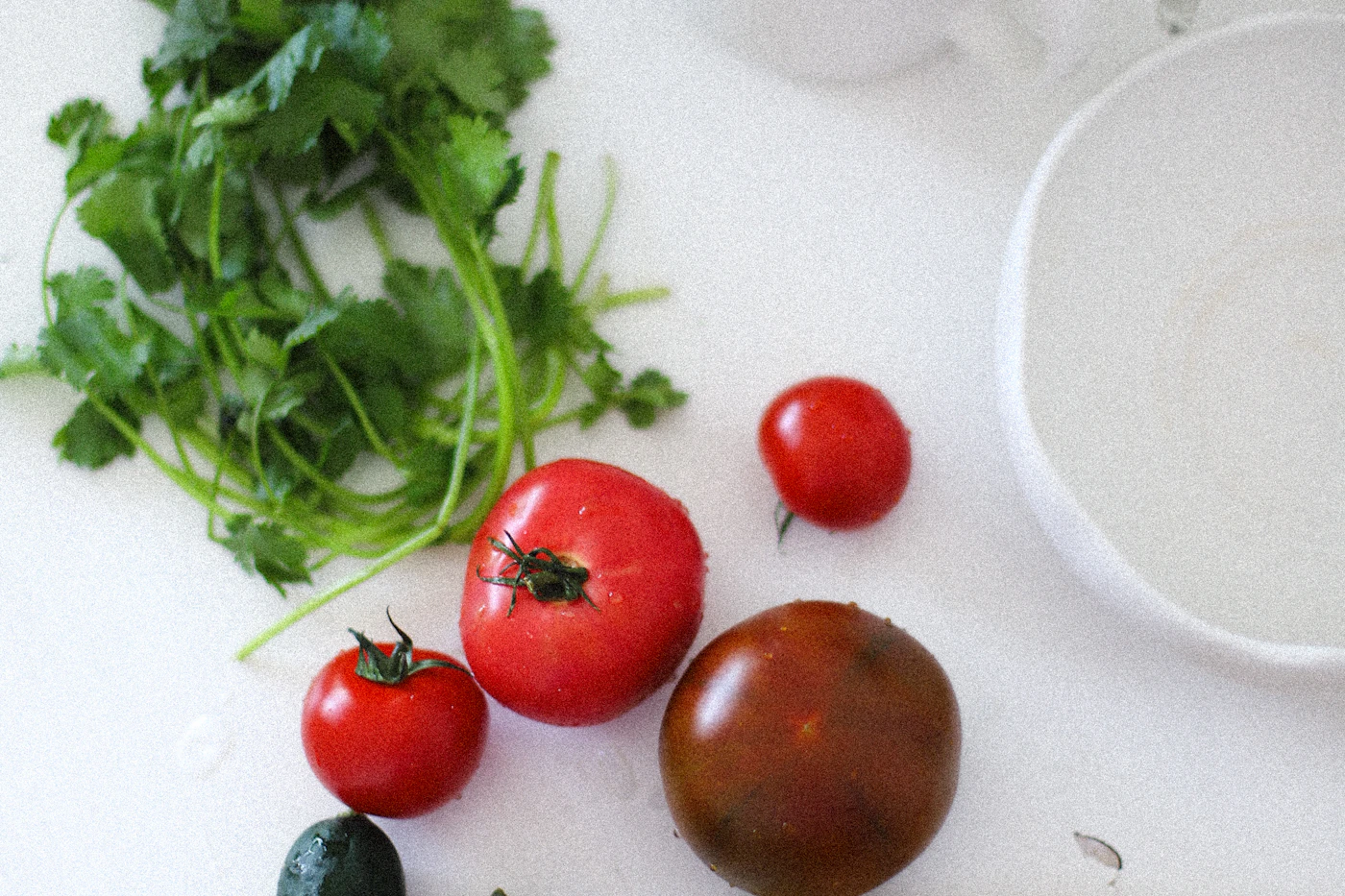
The final morning of a vacation often exposes the difference between the groceries people imagined using and the meals they actually ate. A large container remains almost full, several vegetables never found a purpose, and an ambitious breakfast plan disappeared after everyone discovered a nearby café. The problem usually began before checkout, when shopping was based on the length of the stay rather than the schedule of real meals.
Reducing waste in a temporary kitchen is partly about food and partly about decisions. The group needs to know what is shared, what is already open, and which meals are still likely to happen. A clear plan can remain flexible while keeping purchases connected to those meals. It should never rely on eating food whose handling or condition is uncertain.
This guide offers an original planning method for a short rental stay. It does not promise a perfectly waste-free trip, and it does not treat every discarded item as a moral failure. The goal is practical: buy more accurately, use suitable food deliberately, and leave with fewer unresolved containers.
Count meals before counting travelers
Begin with the itinerary and mark which meals you expect to eat at the property. Arrival dinner may happen elsewhere because travel timing is uncertain. A booked excursion may include lunch, and departure breakfast may need to be very simple. These details can substantially reduce the number of meals the kitchen must support.
Now consider the people. Some travelers may prefer breakfast out, while others need familiar food available at home. A shared dinner may include everyone, but weekday lunches may be independent. Record these differences without trying to make the group identical. Accurate expectations prevent the assumption that every person will eat every purchased item at every meal.
Use a small meal map rather than a rigid menu for the whole stay. Name definite meals, likely meals, and meals that remain open. Shop most confidently for the definite ones and leave the uncertain ones flexible. This allows the trip to change without turning every change into unused groceries.
Inspect the kitchen and storage before a large shop
Check refrigerator and freezer capacity, available containers, cookware, and ordinary utensils. The equipment determines what can be prepared and stored sensibly. A plan to cook several large dishes may fail in a kitchen with one small pan and no containers for leftovers. Discovering this before shopping gives you a chance to choose a simpler menu.
Look at supplies already provided, but do not assume opened food is suitable to use. Follow the property's guidance and make your own informed decisions about what you can verify. Identify genuinely available basics without building the meal around uncertain leftovers from someone else's stay. Clarity is more useful than optimistic improvisation.
Check waste and recycling instructions too. A property may have specific rules about food disposal, collection, or what can remain at checkout. Knowing those rules early prevents last-minute attempts to solve an overfull refrigerator by leaving items the host does not want. The end of the stay belongs in the initial kitchen plan.
Use a small first shop as reconnaissance
Purchase enough for the first confirmed meals and a few agreed basics. This lets the group learn its actual appetite and routine before committing to larger quantities. Perhaps coffee is used quickly but bread slowly, or everyone wants fruit at breakfast but nobody touches a planned snack. These observations are valuable information, not evidence that the group failed to follow the plan.
Choose package sizes with the stay in mind. A larger package may have a lower unit price while still costing more overall and leaving an unusable remainder. Compare the amount you are likely to consume, not only the apparent bargain. A temporary kitchen rewards appropriate quantity more than maximum volume.
Avoid buying every supporting ingredient for several speculative meals. Specialty condiments and garnishes can accumulate quickly because each seems small. If a dish requires many one-use purchases, consider a different preparation or a meal out. Vacation cooking should fit the trip's practical limits rather than reproduce a fully stocked home pantry.
Give each perishable purchase a named meal
Before putting an item in the basket, identify its most likely use. “Vegetables for Tuesday dinner” is a plan; “something healthy for later” is an aspiration. The distinction matters because a short stay offers fewer opportunities to rescue an ingredient that never found its place.
Allow a second plausible use where it genuinely fits. A vegetable might work in dinner and a simple lunch, or fruit may serve breakfast and dessert. Be specific about the preparation and timing. Versatility is only useful when someone is willing to carry out the alternative, not when it exists merely as a theoretical possibility.
Keep the meal map visible enough that others can understand it. A brief note on a phone or paper may prevent someone from eating an ingredient reserved for the one planned group dinner. Avoid an elaborate inventory system that nobody wants to maintain. The right level of organization is the smallest one that prevents repeated confusion.
Make opened food easy to recognize
Group items that should be used soon in a clear, appropriate storage area. Label prepared leftovers with contents and date, and follow relevant storage guidance. A container that nobody can identify is less likely to be used, particularly in a shared kitchen where each person assumes it belongs to someone else.
Do not stack new purchases in front of older suitable food without checking what is already there. A quick refrigerator review before shopping can reveal that the group has enough for another meal. It also prevents duplicate opened packages, which consume space and make the remaining quantity harder to judge.
Distinguish personal food from shared food without creating unnecessary territorial rules. A clearly identified item needed for one person's diet should remain available to them. Shared basics should be easy for everyone to find. This balance protects individual needs while reducing the number of people buying separate copies of the same ordinary ingredient.
Plan a flexible meal before the final day
Set aside one meal late in the stay that can use suitable remaining ingredients through a familiar preparation. It should be flexible enough to adapt, but not a vague instruction to combine everything. Choose a format the group understands, such as separate components served with a familiar staple, and use reliable methods for the actual ingredients.
Review the remaining food in time to buy a small missing component if necessary. Waiting until checkout morning leaves little room for a sensible solution. A flexible dinner two evenings before departure can use several ingredients while still allowing safe storage and realistic follow-up meals for anything left.
Do not let waste reduction become a reason to ignore handling history. An ingredient that has been stored incorrectly is not improved by being added to a large mixed dish. When safety is uncertain, follow reliable guidance and make an appropriate decision. Better purchasing next time is the useful lesson; taking a chance now is not.
An illustrative five-night rental stay
Imagine four travelers arriving late on the first day and planning two full-day outings. They expect three breakfasts together, one shared dinner, and several independent meals. Instead of buying five days of complete groceries for four people, they shop for the first breakfast, agreed drinks, a few snacks, and the ingredients for the confirmed dinner.
After two mornings, they notice that one breakfast item is barely used and another is nearly gone. The next shop adjusts those quantities. They also agree on a flexible supper before the final day, using suitable remaining vegetables and a familiar staple. Personal dietary items remain clearly identified so nobody mistakenly uses the last portion needed by another traveler.
On the final evening, the group reviews what can be eaten, safely transported, or otherwise handled under the property's rules. Departure breakfast is simple and does not create another round of opened packages. The result is not perfect elimination of waste. It is a stay in which purchases respond to actual behavior, leaving fewer surprises and less hurried decision-making at checkout.
Treat leftovers as planned food
Before storing a cooked meal, decide who is likely to eat it and when. A labeled portion for tomorrow's lunch has a clearer future than a large anonymous container. Use suitable storage methods and current guidance for the dish. If nobody expects to be home for lunch, do not assume leftovers will somehow find a place in the schedule.
Prepare smaller quantities when the trip offers few repeat meals. A recipe designed for a household's week of leftovers may be poorly suited to a short stay with restaurant plans. Scale only where the recipe and technique allow appropriate adjustment, or choose a preparation with a more suitable yield. The goal is to align cooking with the calendar.
Discuss leftover ownership when meals are shared. One person may be happy to eat the remaining dish while another prefers a new meal. Clear agreement prevents both duplicate purchases and the awkward discovery that someone ate food another traveler had counted on. Practical communication can reduce waste without requiring everyone to share the same appetite.
Be cautious with the idea of taking everything home
Transport depends on the food, journey, packaging, temperature control, and any applicable travel rules. Do not assume that an item can safely spend a long trip in luggage or a warm vehicle. Check the relevant requirements before deciding that departure will solve an excess purchase. A plan that cannot survive the journey is not a useful backup.
Consider whether the item is genuinely wanted at home. Carrying a bulky remainder because it feels wasteful to leave may create inconvenience without leading to use. It is often better to purchase an appropriate amount at the start than to organize the trip home around unwanted groceries. This is particularly true for ingredients bought solely for one vacation recipe.
If you offer food to another traveler, make the handling history and contents clear. Accept a refusal without pressure. A person may lack storage, transport capacity, or interest. Reducing your own leftovers should not become someone else's obligation, and hospitality includes respecting that practical boundary.
Do not assume donation or leaving food is possible
Hosts, accommodation providers, and local organizations have different policies about accepting food. Ask before leaving anything behind. Opened packages or prepared food may not be accepted even when they appear usable. Do not present a bag of unwanted groceries at departure and assume someone can safely redistribute it.
If a verified local option exists for suitable unopened items, follow its requirements and allow enough time to use it properly. Treat that option as a specific arrangement, not a justification for overbuying. The simplest waste-reduction step remains buying in line with actual meals.
Follow the property's disposal and recycling instructions for what cannot be kept. Sort materials accurately and avoid assuming that every package with a familiar appearance belongs in a particular bin. Local systems differ. A careful checkout leaves the kitchen and waste area ready for the people responsible for them.
Give the final breakfast its own small plan
Checkout mornings often have different constraints from the rest of the stay. Confirm who is eating, when the kitchen must be cleared, and what can be prepared without creating a large cleanup. Choose the meal from suitable food you already planned to use, while keeping handling and storage decisions separate from the wish to empty the refrigerator.
Assign the remaining tasks before everyone starts packing. One person might check cupboards for personal supplies while another handles the agreed dishes, with responsibilities matched to the group rather than assumed. Follow the property's instructions about waste and food removal. Do not leave opened items as a surprise gift for the next guest. A modest breakfast and a clear division of work can protect the final morning from becoming an improvised campaign to consume, distribute, or transport everything that remains.
Keep one lesson for the next trip
Afterward, identify the purchase that worked best and the one that repeatedly went unused. Perhaps smaller dairy containers made sense, a shared snack shelf reduced duplication, or a flexible final supper was genuinely helpful. These concrete observations are more useful than resolving vaguely to waste less next time.
Keep the meal map if you expect a similar trip, but do not reuse it without checking the new itinerary and group. A beach-house week with friends differs from a short apartment stay with a partner. The method should travel; the exact shopping list may not.
For handling and storage, consult USDA guidance on leftovers. The durable habit is to connect each purchase with a real opportunity to eat it. A vacation kitchen becomes easier when the grocery plan acknowledges that the stay has an ending.