TROPICAL-TRIBE
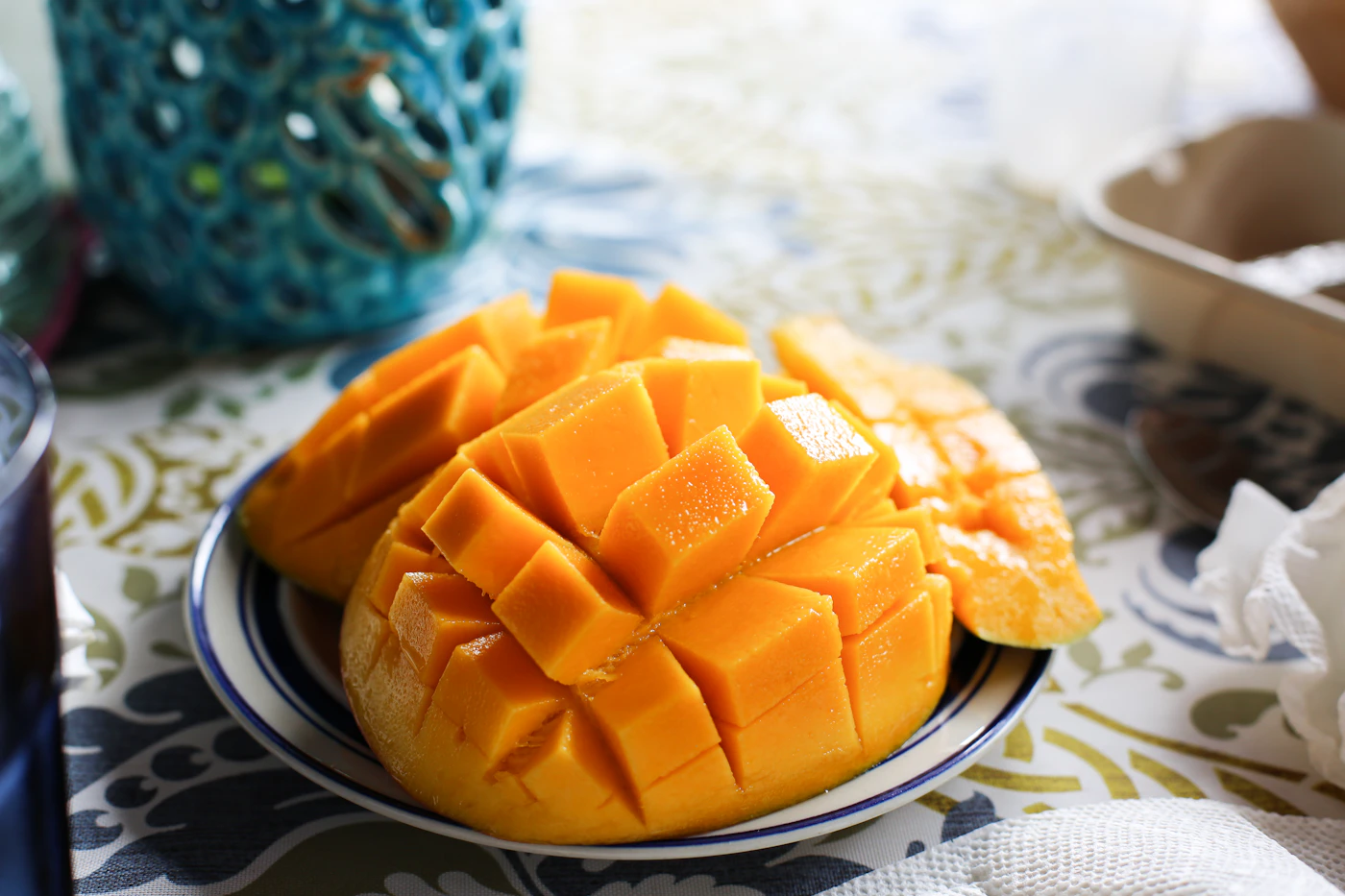
A mango tasting gives people an easy subject to explore together. One person notices perfume, another prefers firmer pieces, and someone else discovers that their favorite bite is the plainest one. There is no need to decide whose palate is correct. The pleasure lies in paying attention to a familiar food closely enough to find differences you might normally miss.
The event works best on a small scale. A few carefully organized samples leave room for conversation, while a large lineup can create more cutting, labeling, and cleanup than enjoyment. You are not conducting a scientific trial or awarding a definitive ranking to every mango variety. You are offering a shared experience with the fruit available to you on a particular day.
This distinction matters because ripeness, handling, and individual fruit can affect what guests taste. An enjoyable gathering can acknowledge those limits without becoming technical. Clear labels, plain language, and a simple supporting meal create enough structure. The rest can remain pleasantly informal.
Decide whether the fruit or the friendship leads
Start by choosing the event's emphasis. A tasting-focused afternoon might place samples at the center and invite guests to compare them carefully. A casual lunch could include mango tasting as one short activity before everyone returns to ordinary conversation. Either approach is valid, but the invitation should give people a reasonable idea of what to expect.
For a first attempt, consider a small group with enough table space for everyone to see the samples. You do not need identical plates or professional tasting equipment. You do need a way to keep portions distinct and a comfortable place for people to sit. If the gathering is outdoors, think about shade, weather, and how food will move from the kitchen to the table.
Keep participation optional. A guest may prefer to enjoy the fruit without writing notes, while another may be delighted to describe every bite. Make both responses welcome. The host's role is to create an invitation to notice, not an obligation to perform. When curiosity feels voluntary, people tend to offer more interesting observations.
Choose a comparison you can explain honestly
There are several sensible ways to organize a tasting. You might compare two clearly identified varieties available from a trusted seller, compare different preparations of the same fruit, or simply explore several individual mangoes without making claims about variety. The strongest choice is the one you can label accurately.
Avoid building the event around information you cannot verify. A package color, display location, or vague memory of a seller's comment is not enough to establish a precise origin or cultivar. If you do not know, say so. “Sample A, purchased from this market” is more honest than inventing a confident botanical label. Uncertainty does not ruin the tasting; it changes the question being asked.
Keep the number of comparisons manageable. Two or three samples can generate plenty of discussion, especially when guests are also eating a meal. More samples demand more preparation and increase the chance of confusion. A small lineup lets you return to a favorite bite and notice how your impression changes, which is often more rewarding than rushing through a long sequence.
Shop for the gathering you can actually serve
Plan portions around tasting rather than full individual servings. Guests need enough of each sample to form an impression and perhaps revisit it, but a tasting does not require a large bowl of every selection. Consider the rest of the menu and the number of people who have said they will participate. A modest purchase makes handling easier and reduces the pressure to use up excess cut fruit.
Ask the seller useful questions about the fruit's identification and expected readiness, while remembering that individual pieces can vary. If you need fruit for a specific day, explain that timing. Do not buy an unfamiliar selection solely because it looks impressive. A fruit that you cannot confidently prepare or serve may add more uncertainty than interest.
Keep the receipt or packaging until you have made labels. This is especially helpful if you buy samples from different places. Write down what is known at the time rather than attempting to reconstruct it later. Accurate, modest notes give your gathering a credible foundation without pretending that a shopping trip is formal research.
Prepare a clean, readable tasting station
Arrange samples so guests can distinguish them at a glance. Small bowls or plates labeled with letters work well. Put the corresponding information on a separate card: the name if verified, where it was purchased, and any preparation difference. Keep the label out of the food itself unless you are using a method intended for that purpose.
Use clean equipment and follow appropriate produce-handling guidance. Wash produce under running water before preparation, including fruit whose peel will not be eaten, and do not use soap on it. Prepare only what you can handle and serve sensibly. Sharp tools and slippery fruit require attention, so finish the cutting before conversation and drinks make the kitchen busy.
Set out a separate utensil for each sample. This keeps the lineup easy to understand and avoids dragging toppings from one bowl into another. Keep any optional accompaniments away from the first round. Guests can explore additions later, but starting with plain fruit makes the initial comparison clearer. A pitcher of water and a place for used utensils complete the basic setup.
Offer words that invite observation
You do not need specialist tasting language. Ask simple questions: Does this piece feel firm or soft? Is the flavor gentle or intense? Does the aroma remind you of something familiar? Would you enjoy it alone, with a meal, or in a dessert? These prompts connect attention to ordinary experience instead of asking guests to imitate a professional vocabulary.
Encourage descriptions rather than immediate scores. A number can hide useful distinctions: two people might both rate a sample highly for entirely different reasons. One likes a smooth texture; another values a bright flavor. Naming those reasons makes the conversation more interesting and helps explain why there may be no single winner.
Make room for “I do not know.” A guest may notice a difference without being able to describe it. That is still a valid observation. You can offer a second bite or invite comparison with another sample, but avoid coaching someone toward the answer you expected. The gathering is more enjoyable when people can discover their own preferences without being corrected.
Try a quiet first round
If your group enjoys a little structure, invite everyone to taste the samples before discussing them. A short quiet round can prevent the first confident comment from becoming the description everyone repeats. This is a hosting technique, not a claim that the event becomes a controlled experiment. People will still be influenced by expectations, context, and the fruit itself.
Provide a small card with room for a few words rather than a complicated worksheet. Guests might note texture, flavor, and where they would use the sample. Leave space for an unexpected association or a question. Someone who dislikes writing can simply remember a favorite and join the conversation afterward.
Then compare observations without searching for consensus. Ask what surprised people and whether a sample changed on a second bite. If one fruit divides the group, treat that as interesting rather than a problem to resolve. A successful tasting can end with several different preferences. That outcome gives you more to discuss than a unanimous ranking would.
An illustrative afternoon for four people
Imagine four friends meeting for a late lunch. The host has two identified mango selections and chooses to compare them plain before offering a small optional accompaniment. The table holds labeled bowls, water, simple note cards, and a familiar savory lunch that can be served after the tasting. There is no decorative centerpiece competing with the fruit.
The host begins by explaining what is known about the samples and what is not. Everyone tastes quietly, then shares a few impressions. One guest prefers the firmer sample, another likes the aroma of the softer one, and two discover that their preference changes when they return for a second piece. The host does not attempt to explain every difference as a property of the named variety.
Afterward, the group tries an accompaniment separately and talks about possible uses in breakfast, a salad, or dessert. Lunch follows, with mango available as an optional part of the meal. The tasting has given the afternoon a focus without consuming it. That is the model to preserve: enough organization to support curiosity, enough flexibility to let friendship take over.
Add accompaniments only after the plain fruit
A topping changes the question. Plain samples invite comparison of the fruit as served. A topping asks how the fruit behaves in a combination. Both can be enjoyable, but mixing them from the beginning makes it harder to know what you are responding to. Give each stage a clear purpose and use only a few additions.
Choose accompaniments that are familiar, clearly identified, and appropriate for your guests. Keep stronger flavors in small separate dishes so people can control the amount. Avoid presenting a combination as traditional unless you have a reliable basis for that claim. You can simply describe it as an idea for the group to explore.
An accompaniment round does not need to become a recipe contest. Ask whether the addition highlights something people liked, overwhelms it, or suggests a different use. A guest may enjoy a mango plain but prefer another sample alongside a savory meal. That distinction turns tasting into practical kitchen knowledge without requiring anyone to declare an absolute best.
Serve food that supports the afternoon
Fruit tasting alone may not match what guests expect from a lunchtime invitation. If the event crosses a meal, provide a clearly described supporting menu. Choose food that is easy to serve and does not demand constant attention during the tasting. The host should not disappear to manage several hot dishes while everyone else waits to compare notes.
Keep the surrounding flavors moderate if you want the tasting to remain the focus. A very assertive meal immediately before the samples may make subtle observations less interesting. Alternatively, place the tasting after the main meal and frame it as a relaxed dessert activity. The sequence should reflect the gathering's purpose rather than a rigid rule.
Discuss dietary needs in advance, including whether guests are comfortable eating the fruit and any accompaniments. Do not assume that a plant-based ingredient is suitable for every person. Honest ingredient information and a welcoming alternative are more useful than reassurance based on a food's wholesome image. Nobody should feel obliged to taste something to participate socially.
Keep the event comfortable as conditions change
Outdoor plans can shift quickly. If the day becomes too warm, windy, or wet, move the tasting inside rather than defending the original setting. Have a clear surface ready so the transition is easy. The fruit and conversation matter more than preserving a photograph of the table under a tree.
Bring out manageable portions and keep the rest appropriately stored. A tasting can stretch longer than expected because conversation takes over, so plan how food will be refreshed or put away. Current food-safety guidance should determine handling decisions, not whether a bowl still looks attractive. Cut fruit deserves the same practical care as other prepared food.
If a sample disappoints, say so without making the gathering feel like a failure. The result may reflect that particular fruit or the day's conditions. You can redirect the conversation toward what guests would choose differently next time. Discovering that a comparison was less clear than expected is still useful; pretending every sample is remarkable makes the event less trustworthy.
Let a guest's memory remain a personal memory
Food often prompts stories about another place or an earlier meal. Welcome those memories without treating them as proof that a sample is correct or incorrect. A guest may remember mango eaten during a family visit, while another associates it with an ordinary grocery-store snack. Both experiences can enrich the conversation without establishing a hierarchy of legitimate enjoyment.
If a story suggests a preparation you want to explore, write down the idea and ask whether there is a recipe or source the guest recommends. This turns curiosity into a respectful next step. It also keeps the afternoon from drifting into confident generalizations about a food tradition based on one person's recollection.
Turn preferences into an ordinary kitchen idea
At the end, ask each guest for one use they would enjoy trying. Someone may want a simple breakfast bowl, another a fruit plate, and another a small addition to a savory meal. These suggestions connect the tasting to everyday life. They are more actionable than a list of elaborate dishes nobody intends to make.
Record only the observations you want to remember. Include the date and what you actually knew about the fruit so future notes do not become more certain in memory. A short line such as “preferred the firmer sample plain; softer one suited dessert” captures the useful result without turning a friendly afternoon into an archive project.
For produce preparation, consult the FDA's guide to selecting and serving produce safely. Keep the gathering's central promise modest: a chance to notice flavor together, enjoy a meal, and leave with a more personal sense of what you like.