TROPICAL-TRIBE
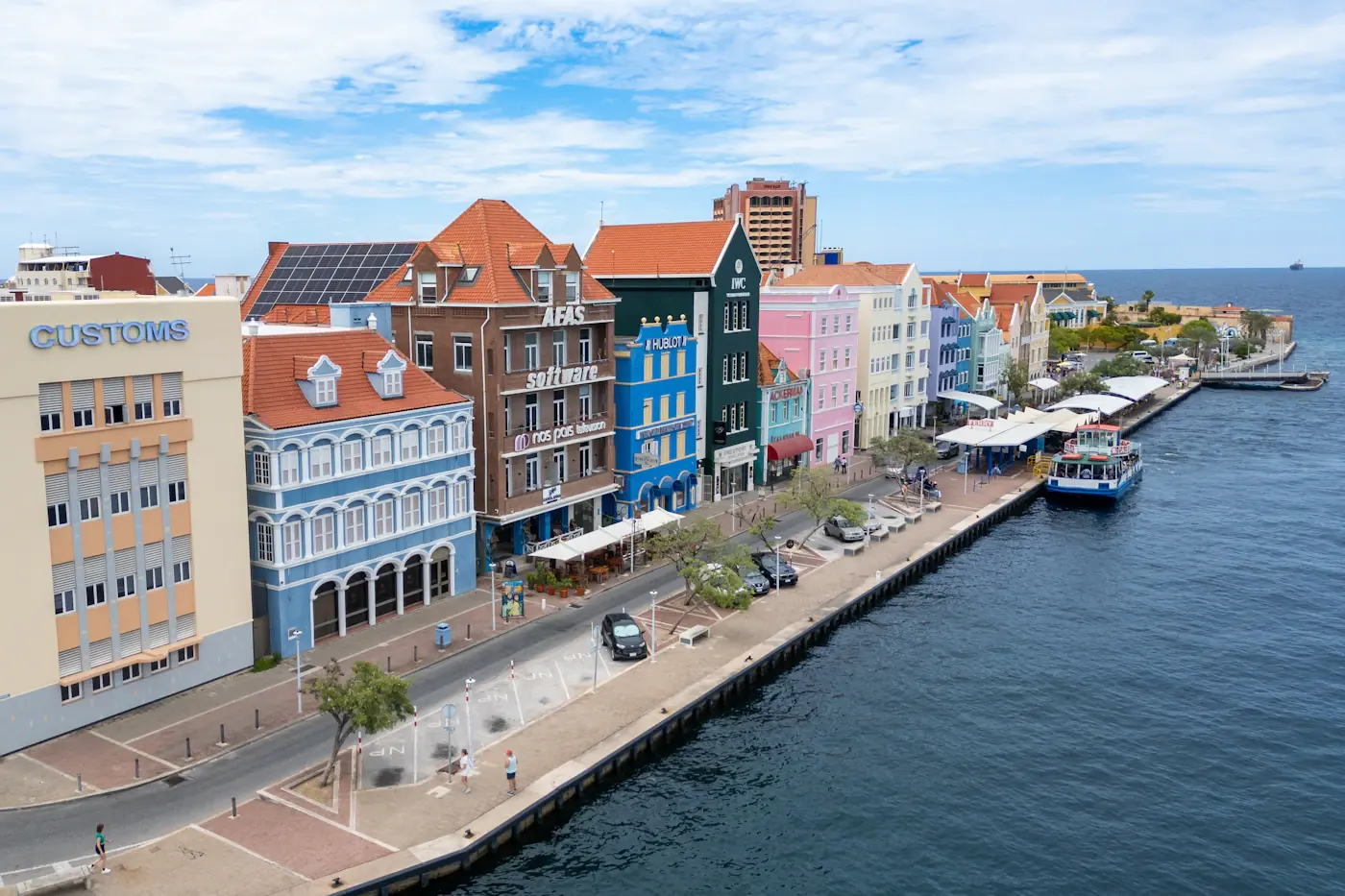
Curaçao invites two distinct rhythms. In Willemstad, a day can unfold through streets, architecture, cultural visits, and meals close together. A beach outing may require transport, supplies, and a different pace. The planning mistake is trying to combine both at full intensity every day: a rushed town morning, a drive to several beaches, and a hurried return for dinner. A better trip lets each rhythm have its own space.
Start by deciding which setting you want at the beginning and end of most days. A city base can simplify evening exploration and food choices. A coastal base may make quiet mornings and shore time easier. Neither automatically solves every outing. The aim is to choose the tradeoff you prefer and organize transport around it, using current official information for access and services.
Choose your evening setting first
Picture returning after a long afternoon. Would you like to walk to dinner through a neighborhood, sit near the shore, or prepare something simple at your accommodation? That ordinary preference should influence where you stay. A property that supports the evening can make the whole day feel easier, even if it is less dramatic in a listing photograph.
For a Willemstad stay, examine the exact neighborhood and address. Punda, Otrobanda, Pietermaai, and other areas have different settings and routes. Check walking distances, noise, access, and the relationship to the places you expect to use. A central label is not enough to tell you whether a particular room suits an early sleeper or a traveler with mobility needs.
For a coastal property, verify what beach access actually means and what services are nearby. A sea view may not include a suitable place to swim, and a secluded location may require transport for every meal. Ask about groceries, restaurants, parking, and how outings are arranged. The right setting depends on how you intend to spend the time you are paying to stay there.
Explore Willemstad through connected questions
Choose a theme for a city day. You might be interested in architecture, port life, public art, or the histories represented by museums and monuments. Select one substantial cultural visit and build a manageable walking route around it. This gives the day coherence without requiring a long list of stops.
Do not let colorful buildings become the entire interpretation of the city. Seek information about colonial power, slavery, trade, migration, and the communities that shaped Curaçao. A museum or knowledgeable guide can help connect visible architecture with histories that are not apparent from a photograph. Give those accounts time rather than rushing through them on the way to lunch.
Include an indoor or shaded pause and keep the route within your group's comfort. Heat changes the experience of walking, especially when surfaces or gradients are unfamiliar. If access needs matter, contact institutions directly about entrances, stairs, seating, and bathrooms. A compact historic area is not automatically easy for every visitor to navigate.
Make crossings and waterfront walks part of the day
Willemstad's waterfront connections can be enjoyable elements of exploration, but plan with the understanding that operational arrangements may change. Follow current signs and local guidance for crossing between areas, and allow time rather than scheduling every movement to the minute. A working harbor is not a fixed backdrop.
Use the waterfront to observe how the city functions. Notice the relationship between streets, buildings, boats, and public spaces. You do not need to turn every observation into an image. A few minutes watching activity can add more understanding than hurrying to the next photographed façade.
Respect businesses and residents along the route. Keep entrances clear, ask before photographing individuals, and avoid entering private courtyards because they appear inviting. A city walk should leave room for the people whose ordinary day is continuing around your visit.
Give a beach outing one main destination
Choose a beach according to the activity you want, current conditions, access, and facilities. Ask about entry, shade, bathrooms, food, parking, and any applicable fees or rules. Do not assume all beaches offer the same services or that a famous image tells you what a full day there will feel like.
For a relaxed outing, one beach may be enough. Moving repeatedly requires packing, parking, finding a new place to sit, and learning another entry to the water. If comparison is part of your interest, choose a small number of nearby stops and keep the last one optional. Beach hopping is a different experience from a beach day, and it helps to name which one you want.
Follow warnings and seek appropriate local advice before swimming or snorkeling. Consider your ability, conditions, boat activity, and the route back to shore. A clear-looking bay is not a complete safety assessment. If the water is unsuitable, enjoy the setting from land or choose another appropriate activity without feeling obliged to enter.
Decide when a car is useful
A rental car may help with independent coastal exploration, but it is not necessarily required for every day of a city-focused stay. Compare the itinerary you actually want with public transport, taxis, organized outings, and selected rental days. Include parking, rental terms, driving comfort, and the return arrangements in the comparison.
For public transport, use current operator information and check both directions of the journey. A route that gets you near a beach may not place you directly at its entrance or provide the return timing you prefer. Verify the walking component and service details rather than assuming a map line solves the whole trip.
For taxis or private drivers, agree on the fare and practical details before departure. If you are visiting a place where spontaneous return transport may be uncertain, arrange the return clearly. A named meeting point, contact method, and agreed time are more useful than a vague plan to find a ride later.
Consider a split stay only if it changes the experience
Dividing a longer trip between Willemstad and a coastal base can provide two different kinds of mornings and evenings. The move is worthwhile when you will use those differences. It is less convincing if you plan to drive back to the city every evening from the coast or leave the city every morning for the same beach.
Allow enough nights in each base to settle in. A one-night coastal move may create more packing than relaxation unless it serves a specific purpose. Treat the transfer day as light, with one modest stop if appropriate. Confirm how luggage will be secured and what time the second accommodation is available.
For a short visit, one base with a few well-planned outings may be more satisfying. The island will not become less interesting because you unpack only once. Choose the structure that makes your preferred experiences comfortable rather than adding a move simply to make the itinerary look varied.
A six-day example with separate rhythms
Imagine travelers staying in Willemstad for six nights. Their first full day is a city orientation with one cultural visit, a nearby lunch, and a quiet afternoon. The second day is a prearranged beach outing with enough time to remain in one place. They keep dinner close to the accommodation rather than adding another journey.
The third day returns to the city with a different focus, perhaps a guided historical or art-oriented visit. Another day uses a rental vehicle or organized transport for a regional excursion selected around a specific interest. The following day is flexible, allowing a favorite beach repeat or a slower city morning depending on weather and energy.
The last full day remains lightly planned. They can revisit a place that sparked curiosity or spend time doing little. This hypothetical schedule avoids the daily pattern of trying to fit a complete city visit and a complete beach excursion into the same hours. Contrast comes from the different days, not from constant movement within each one.
Let food connect the settings
Use meals to explore different parts of the trip without making every restaurant a separate expedition. In Willemstad, a lunch near your cultural visit can extend the neighborhood experience. On a beach day, choose a practical food arrangement that fits the facilities and storage available. A meal is more enjoyable when it supports the day's pace.
Ask about dishes and ingredients with curiosity, and be precise about allergies or dietary restrictions. Do not infer a recipe from its name or assume all preparations are alike. If a particular need is important, contact the business in advance and identify an alternative. Carry suitable snacks on longer outings so that a delay does not force an unsuitable choice.
Avoid describing the island's food through a single generic Caribbean label. Pay attention to the specific explanations offered by cooks, guides, and institutions. You do not need to become an expert in a week, but you can leave with a more accurate and personal understanding than a list of dishes to photograph.
Choose a marine activity with clear expectations
If snorkeling, diving, or boating is central to the trip, compare operators through the actual experience. Ask about group size, participant requirements, equipment, route, time on the water, and cancellation decisions. A beginner label should begin a conversation about your comfort, not replace it.
For diving, work with a qualified operator and follow the training, certification, and health requirements relevant to the activity. Do not use a general travel article as a substitute for professional guidance. For any marine outing, disclose limitations honestly and understand what to do if you become uncomfortable.
Follow environmental rules and avoid touching coral, chasing animals, or collecting natural material. An operator's responsible practices should be specific enough to describe. The best encounter is one in which wildlife remains free to move naturally and the visitor does not need to force proximity for a photograph.
Build a useful weather alternative
Choose a few indoor or sheltered options you would genuinely enjoy: a museum, an extended meal, a cultural visit, or time in a comfortable room or shared space. Verify current opening hours. A backup that is closed on the relevant day or difficult to reach is not yet a practical alternative.
When an outdoor plan changes, consider why. If conditions affect the sea, another boat operator may not solve the problem. If a road or site is closed, an unofficial route is not an appropriate workaround. Respond to the information rather than treating the change as a challenge to complete the original plan at any cost.
Keep some money and time unallocated. This makes it easier to choose a suitable alternative without feeling that the holiday has already been fully purchased. A flexible afternoon can become a better memory than the activity it replaced, but only if you allow it to be different.
Look closely at accommodation details
For a city property, ask about room orientation, nearby entertainment, stairs, and parking. For a coastal property, ask about food access, transport, shade, and the route to the shore. In both cases, confirm the details that affect your particular needs rather than relying on broad adjectives such as charming, convenient, or peaceful.
If you will cook, verify the equipment and shop in modest stages. A kitchenette may be adequate for breakfast but not for the meals you imagine. Avoid buying a week's groceries before you know how often you will eat at the property. The aim is to make the stay easier, not to create an obligation to use everything before checkout.
Consider the room as part of the holiday rather than merely a nightly expense. A place where you can comfortably rest makes a slower itinerary possible. It also gives you a good option when conditions change, which can be more valuable than another amenity you never use.
Finish with a route you can explain
Before booking, describe the trip in a few sentences: where you will spend most mornings, which days require transport, what cultural interest you want to explore, and how many coastal outings you truly need. If that description is clear, the itinerary probably has a useful structure. If it sounds like daily zigzagging, simplify it.
Curaçao does not require you to choose between city and coast. It asks you to recognize that they are enjoyed differently. Giving each its own rhythm can produce a trip that feels both varied and settled, with enough space to notice the details that make the island distinct.
Useful planning sources
Consult the official Curaçao tourism website and its car-free planning guidance. Check Autobusbedrijf Curaçao for current public-transport information and Carmabi for relevant conservation and park information. Confirm specific beach facilities, museum hours, and operator arrangements directly. The itinerary above is illustrative and does not guarantee access or conditions.