TROPICAL-TRIBE
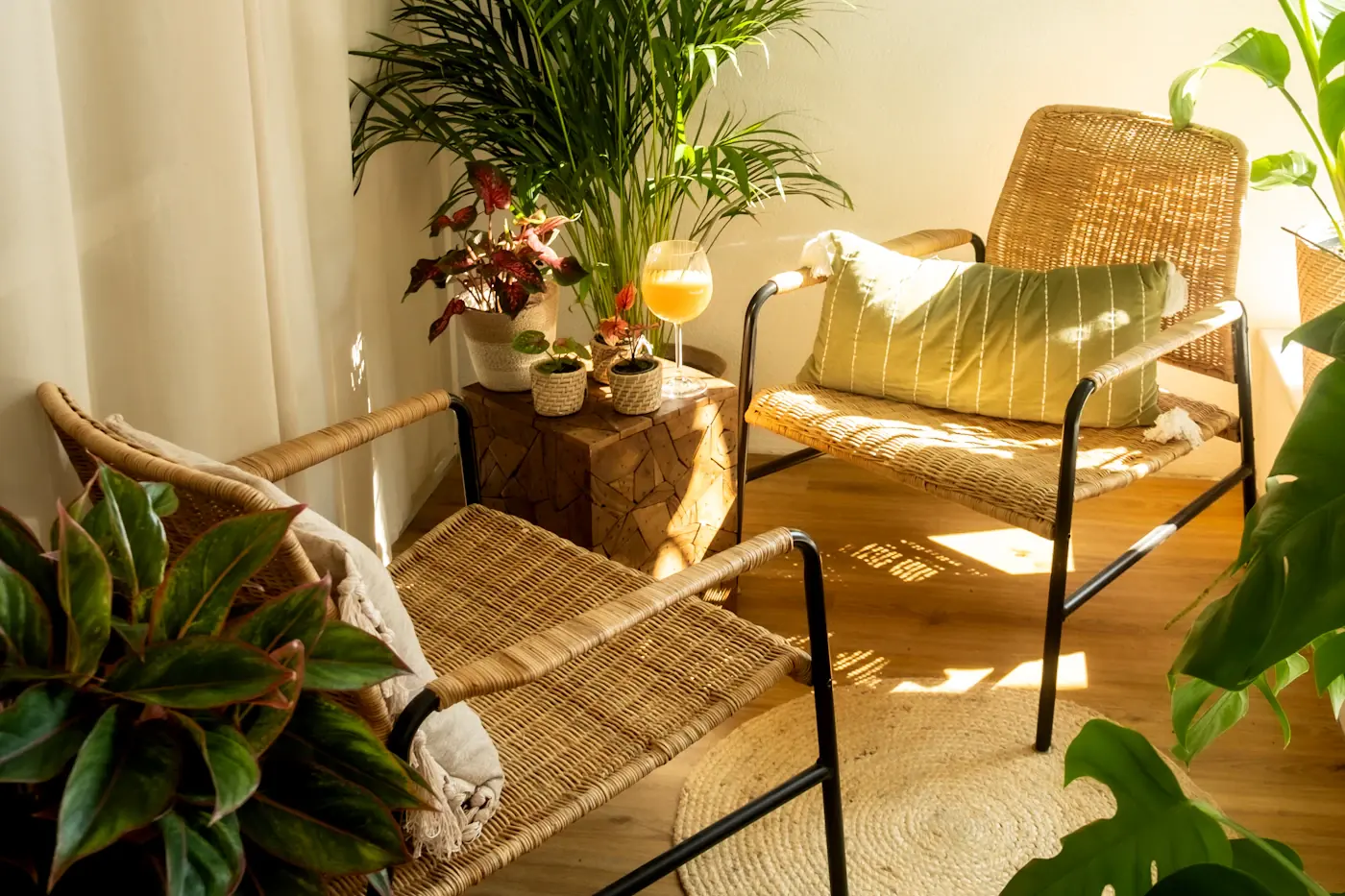
A plant photographed in a bright conservatory does not arrive with that conservatory's conditions. It comes to your window, your curtains, your work schedule, and the particular patch of floor where you hope it will look good. Choosing a houseplant becomes easier when those circumstances lead the decision. The first question is not which leaf shape completes the room. It is which living plant could reasonably use the light available in that location.
This does not mean turning a home into a technical growing facility. A small amount of observation can prevent a great deal of guesswork. You can identify promising positions, recognize places that are better suited to artwork, and ask better questions when buying a plant. A modest collection that fits its setting often looks more convincing than an ambitious collection constantly moved from one disappointing corner to another.
Treat the window as a changing condition
The direction a window faces is useful information, but it is only the beginning. A neighboring building, a deep porch, mature trees, tinted glass, blinds, and the distance between the window and the plant all alter the light that reaches foliage. Two windows facing the same direction can therefore offer very different growing conditions.
Walk through the room at several points during a day when you are home. Notice where direct sun falls, how far it travels, and which areas remain bright without a visible sunbeam. Record the observations in ordinary language. Morning sun on the sill, bright beside the sofa at noon, and dim behind the bookcase are useful descriptions even before you learn horticultural terminology.
Repeat this exercise on another day rather than treating one unusually sunny afternoon as the room's permanent identity. Seasons change the angle and duration of daylight, and trees can alter the view considerably when they are in leaf. Your notes are a starting portrait, not a guarantee that conditions will remain identical throughout the year.
Understand what light labels are trying to tell you
Plant labels often use phrases such as low light or bright indirect light. These are broad categories, not precise promises that a plant will flourish anywhere within a room. University extension guidance emphasizes matching plants to available light and recognizes intensity, duration, and quality as different parts of the picture. A location that looks pleasant to human eyes may still be a poor match for a particular plant.
Use the category to begin a conversation rather than end one. Ask how the nursery interprets the term for the plant in front of you. Does it need to be close to an unobstructed window? Is the seller describing conditions that support steady growth or merely conditions the plant can tolerate for a time? These distinctions are more helpful than a generic easy-care label.
Avoid treating low light as no light. A windowless decorative niche is not automatically a plant location because the label sounds forgiving. If you do not want to provide suitable supplemental lighting, choose a photograph, sculpture, or another nonliving object for that niche. An honest empty corner is preferable to a repeated cycle of unsuitable plants.
Map locations before selecting species
Create a short list of possible positions using location names rather than plant names. For example: kitchen sill, living-room window stand, bedroom dresser, and dining-room shelf. Beside each, record light observations, available width and height, access for watering, and anything that could interfere with everyday movement.
A position might offer attractive light but be impractical because the pot would block a frequently opened window. Another might be easy to reach but sit beside a heater or in a doorway. These are design constraints as well as care considerations. The best placement should allow both the plant and the people using the room to function comfortably.
Measure the space with a mature plant in mind. A small nursery pot can conceal the eventual spread of foliage. Ask about expected indoor size and growth habit, then consider whether that size can remain in the lighted area. Buying a plant that will soon need a location you do not have creates a future problem at the moment of purchase.
Build a shortlist with identifiable names
Common names can be inconsistent, so record the botanical name where possible. It helps you locate species-specific guidance and distinguish plants with similar marketing names. Photograph the nursery label before discarding it, and keep care information with your room notes rather than relying on memory.
Limit the initial shortlist to a few candidates. Compare their light requirements, mature form, watering needs, and suitability around children or animals in your household. For toxicity questions, consult a qualified veterinary or poison-information resource using the exact plant identity. Do not infer safety from a plant's popularity or from the fact that it appears in lifestyle photographs.
Think about what kind of maintenance you are willing to perform. A plant that requires frequent attention may be a poor fit for someone who travels regularly, even if the window is suitable. This is not a moral test of dedication. It is a practical match between a living organism and the care you can consistently provide.
Separate a plant's appearance from its placement
It is natural to imagine a tall plant beside a sofa or trailing foliage on a high shelf. Treat that image as a design possibility rather than a fixed requirement. If the location is too dim or difficult to access, adjust the composition. A smaller plant near the window may create a stronger result than a dramatic specimen struggling in the intended corner.
You can use furniture arrangement to bring a suitable position into the room's visual structure. A plant stand placed within appropriate light might align with a chair or artwork, making it feel intentional without moving the plant away from what it needs. Be careful that the stand is stable, suitable for the loaded pot, and compatible with the household's movement patterns.
Do not solve every styling problem by raising a plant higher. A shelf can make care awkward, and a hanging container introduces installation and load considerations. Follow hardware and container instructions, respect rental rules, and avoid improvised supports. Ease of access matters because maintenance neglected through inconvenience is still neglected maintenance.
A hypothetical apartment light assessment
Imagine an apartment with a large east-facing living-room window, a shaded kitchen window, and a bookshelf several feet from any direct daylight. The resident initially wants three plants: a large statement plant behind the sofa, a small kitchen plant, and trailing foliage on the bookshelf. A week of observation changes the plan.
The living-room window offers the most promising location, but the intended sofa corner is considerably darker. The resident moves a small side table closer to the window and chooses one appropriately researched plant for that position. The kitchen remains a possible location, pending a more careful look at its shaded light. The bookshelf receives a botanical print instead of a living plant.
This is not a reduced version of the original design. It is a better-informed one. The single plant becomes a deliberate focal point with accessible care, while the other surfaces retain greenery as a visual reference through artwork. The apartment can gain another plant later if an actual suitable position emerges.
Ask useful questions before buying
Bring a photograph of the intended location and your observations to a reputable nursery. Explain when direct sun reaches it, what obstructs the window, and how far from the glass the plant would sit. This gives the seller more to work with than saying that the room is fairly bright.
Ask for the plant's exact identity, expected indoor size, and a reliable care reference. Inquire about the conditions in which it has been kept and whether a transition to your home needs particular attention. Do not accept a promise that it cannot be killed. A living plant's success depends on its environment and care, not a slogan.
Inspect the plant and container before purchasing, and ask about anything that looks unusual rather than attempting a diagnosis from a photograph alone. A local extension office can be useful when symptoms are unclear. Starting with a plant you can identify and a seller who answers specific questions makes later troubleshooting much more grounded.
Make the first month an observation period
After bringing a plant home, avoid changing several care variables at once unless there is a clear need. Keep a simple record of its placement, watering, and noticeable changes. A dated photograph from the same angle can show whether a stem is leaning, new growth is appearing, or a leaf change is isolated or spreading.
The purpose is not to monitor every leaf obsessively. It is to replace vague impressions with a small amount of useful history. If you later ask for help, you can explain what changed and when. Saying that a plant began declining after a move is more informative than saying it has always looked unhappy.
Remember that appearance alone does not identify a cause. Yellowing, browning, or slow growth can have multiple explanations. Consult species-specific guidance and qualified local help rather than responding to every symptom with more water, fertilizer, or a new position. An organized record helps you avoid a sequence of contradictory interventions.
Consider supplemental light as a separate commitment
Supplemental lighting can expand the locations available for plants, but it should be a deliberate choice. It adds equipment, electricity use, placement requirements, and a visible presence in the room. Before buying anything, decide whether those conditions fit your home and whether you actually want to maintain that arrangement.
Use horticultural guidance for the plant and the lighting manufacturer's instructions for installation, distance, and operation. A decorative lamp is not automatically an appropriate growing light, and visual brightness alone does not tell you everything about usefulness to a plant. Avoid improvising electrical arrangements around water or overloading a convenient outlet.
If supplemental lighting would make the room unpleasant for the people using it, reconsider the plant location or species. A home does not need a plant in every corner. The aim is a workable partnership between the interior and the living collection, not the largest number of pots that can technically be accommodated.
Plan for seasonal changes and absences
Revisit your light map when the season changes. A position that seemed dim in winter may receive stronger sun later, while summer tree cover can shade a previously open window. Observe the actual room rather than assuming that more daylight always means the same kind of change in every location.
Before a trip, prepare clear plant-specific care notes for anyone helping. Label the pots if necessary and explain how to check needs rather than assigning every plant the same automatic watering schedule. Keep supplies accessible and make sure a caretaker can reach containers without moving heavy furniture or climbing on unsuitable surfaces.
If travel is frequent and reliable care is difficult to arrange, maintain a smaller collection. The visual effect of one well-placed plant can be substantial. A collection sized to your real routine is easier to understand, easier to move when conditions change, and less likely to become another household obligation you resent.
Keep the container decision connected to care
A decorative outer pot can help a plant fit the room, but it should not make care mysterious. Understand how the growing container drains and how you will inspect or remove any collected water. Choose a combination you can handle safely at its watered weight. An attractive vessel that cannot be moved or checked easily creates an avoidable obstacle.
Write down the container arrangement along with the plant identity. If you later change the pot, note that change too, because the care context has changed. You do not need a complicated database; one clear record prevents the decorative layer from hiding information that matters to the living plant inside.
Know when another kind of greenery is the better choice
A botanical room can include drawings, photographs, woven patterns, and colors inspired by foliage. These elements are not inferior substitutes for living plants when the location cannot support them. They offer different benefits and different responsibilities. Choosing them deliberately is better design than pretending the growing conditions are something they are not.
If a plant repeatedly struggles despite informed adjustments, ask for a diagnosis and reconsider the match. Rehoming a plant with someone who can provide suitable conditions may be more sensible than continuing to move it around the same unsuitable room. The lesson is information about your home, not evidence that you are incapable of caring for plants.
Start with the brightest practical opportunity you can accurately describe, select one appropriate plant, and learn from that relationship. Over time, your collection can develop around actual success rather than an imagined interior. The result is both more personal and more credible: greenery that belongs where it is growing.
Further reading for your own light assessment
University of Maryland Extension's indoor lighting guide explains the factors that influence indoor light. University of Minnesota Extension's lighting resource offers additional horticultural context. Use these alongside guidance for the exact plant you are considering.