TROPICAL-TRIBE
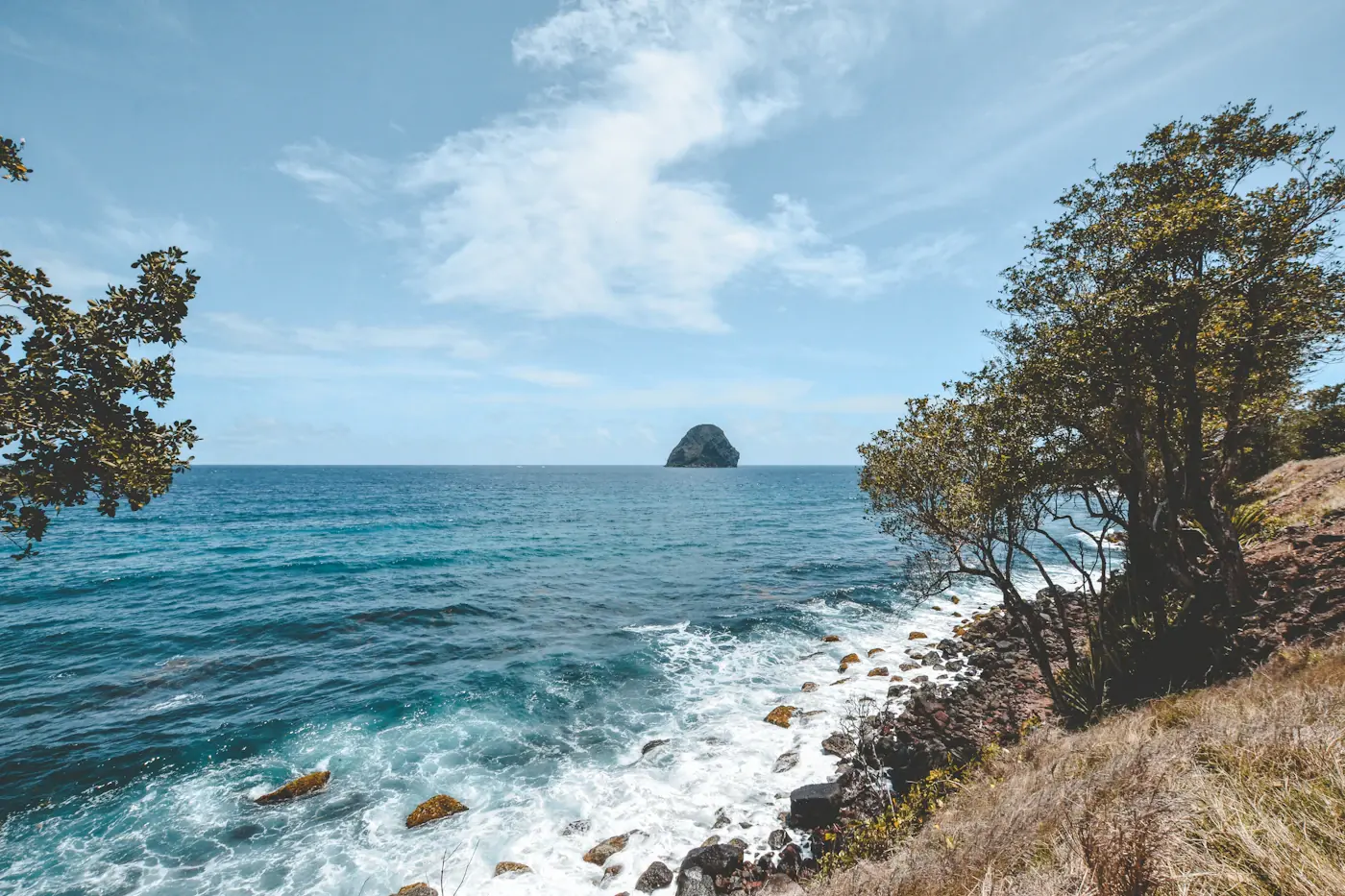
Martinique can feel refreshingly specific when you let its language, food, communities, and landscapes shape the trip rather than arriving with a generic Caribbean plan. A first visit benefits from a little preparation: understanding where you will stay, how you will move, what communication tools you need, and which interests deserve time. Those decisions create room for curiosity once you arrive.
For US-based travelers, the administrative side should begin early. Check current official entry requirements for your nationality and itinerary, confirm transport arrangements, and review the details of the accommodation you choose. This guide focuses on planning judgment rather than fixed rules or prices, which can change. Use official sources and providers to verify the specifics before paying for the trip.
Prepare for communication without making it intimidating
French is central to travel communication in Martinique, alongside the island's Creole cultural context. Learn a few practical phrases for greetings, thanks, asking whether someone speaks English, and explaining a simple need. A polite opening can make an interaction easier even when the rest requires a translation tool. You do not need fluency to show consideration.
Download an appropriate offline language resource and keep important addresses and booking details in a form you can show someone. For allergies, medical needs, or access requirements, prepare a clear written explanation and verify it carefully. Do not rely on improvising a complex request through gestures at the moment it becomes urgent.
Allow more time for tasks that may involve unfamiliar language: collecting a rental vehicle, reading a menu, checking into accommodation, or asking about a route. This is not a reason to avoid them. It is a reason not to stack several tightly timed commitments immediately after arrival. Preparation turns communication from a source of pressure into part of the experience.
Choose a base from the days you want
Martinique's different areas support different kinds of stays. A base chosen for coastal relaxation may not be equally convenient for repeated northern outings or city visits. Locate the experiences that matter most and compare actual routes before choosing a property. Do not assume that an island's overall size makes every journey a casual drive.
Think about evenings as well as excursions. Will you want to walk to dinner, use a kitchen, or return to a more secluded property? Confirm the nearby services and the practical walking environment. A sea-view listing can be appealing while leaving basic meals dependent on transport. That may be fine if you plan for it, but it should not be a surprise.
For a first week, one well-chosen base can reduce packing and simplify the routine. A longer stay may justify two bases if they provide genuinely different experiences. Avoid moving simply to make the route appear comprehensive. Each change of accommodation should save meaningful backtracking or create mornings and evenings you would otherwise miss.
Give Fort-de-France a purpose
Approach Fort-de-France with a cultural or historical interest rather than treating it only as an arrival area or shopping stop. Research a museum, guided walk, market context, or architectural question that appeals to you. Verify current hours and visitor arrangements, then build a manageable route with a meal and a comfortable pause.
Read the interpretation available at institutions and seek accounts that address the island's people and history with substance. Colonial architecture does not explain itself. The histories of slavery, emancipation, migration, and cultural expression deserve more than a decorative role in the visit. A thoughtful guide or museum can connect the visible city to those larger stories.
Markets and shops are working places. Greet people, ask before photographing, and avoid handling goods without permission. If you are interested in an ingredient or craft, a concise question and a purchase where appropriate can lead to a more respectful exchange than treating the stall as a free display for images.
Let the north be a distinct outing
If northern landscapes or historical places are important to you, give them a dedicated day or nearby stay rather than attaching them to a full southern beach schedule. Research the exact route, current site access, and the time needed for the main visit. Choose one substantial objective and a small number of nearby possibilities.
For mountain or forest activities, use current official guidance and consider a qualified guide when appropriate. Weather, terrain, and personal ability determine what is sensible. A route described as popular is not automatically suitable for every visitor, and a summit should not become compulsory simply because it appears in destination imagery.
Keep the return comfortable. After a day of unfamiliar roads, walking, and new information, a simple dinner near the accommodation may be more appealing than another excursion. Plan enough margin that you can stop or shorten the day without feeling that every adjustment will cause the next reservation to fail.
Build coastal days around access and conditions
Select beaches for the activity you want and the facilities you need. Consider shade, bathrooms, food, parking, walking access, and current sea conditions. A beautiful photograph does not tell you whether a place is comfortable for a long stay, suitable for swimming, or accessible to someone with mobility limitations.
Follow local warnings and seek appropriate guidance before entering unfamiliar water. Do not assume that a calm appearance or other visitors swimming makes the conditions suitable for you. If the water is not appropriate, change the activity. A safe shore visit, a walk, or a meal nearby can still be worthwhile.
Keep the beach routine simple. Pack what you need, carry rubbish out, and leave natural material undisturbed. Respect vegetation and use established access routes. A quieter visit should reduce demands on the place rather than treating its lack of development as permission to behave without limits.
Decide how transport will work before arrival
Compare a rental vehicle, organized outings, taxis, and available public or marine services according to your actual plans. Verify current operating information and do not assume that every route shown online is frequent or convenient for visitors. Check the return journey as carefully as the outward one, especially for an evening meal or a more remote outing.
If renting, read the requirements and agreement carefully, including insurance, permitted drivers, vehicle condition, and return procedures. Ask questions while there is time to understand the answers. Choose a vehicle and route suited to your comfort, and avoid starting with a demanding drive immediately after a tiring journey if a simpler arrival plan is possible.
A car-free stay can work when the base and outings are selected around reliable connections, but it should be designed deliberately. Do not choose a secluded property first and assume transport will solve every daily need later. The relationship between lodging and movement is one of the most important practical decisions in the trip.
Use food as a way to learn specifics
Martinique's food deserves attention to its own dishes, ingredients, and explanations. Ask about unfamiliar preparations and let a meal introduce you to something beyond a generic tropical menu. A bakery stop, a market purchase, a casual lunch, and a more considered dinner can provide different experiences without requiring an elaborate restaurant schedule.
Communicate allergies and dietary needs clearly, preferably with a prepared written explanation when language may complicate the exchange. Do not assume ingredients from appearance or a rough translation. Contact a business in advance if your needs require special preparation and keep a suitable backup option available.
If you visit a producer or take a food-related tour, ask what the experience includes. An educational visit, a tasting, and a retail stop are different formats. Choose according to your interest, and allow enough time to understand the explanation rather than rushing through it to reach the next location.
A hypothetical week with room to settle
Imagine two first-time visitors spending seven nights in one base selected around their main interests. Arrival day is reserved for the journey, check-in, and a nearby meal. Their first full day stays local so they can understand transport, groceries, and beach access without pressure. The next day focuses on Fort-de-France and one cultural visit.
They reserve a separate day for a northern or nature-focused outing, using current guidance and a suitable provider if needed. The following day is intentionally light. Another day explores a different nearby area or a food-related interest. They do not combine every long route with a second major activity simply because both fit on the map.
The final full day remains open for a favorite repeat visit or an outing changed by weather. Departure day contains no essential sightseeing. This outline is illustrative rather than a verified package, but it shows a useful principle: allow unfamiliar language and logistics a little room, and the rest of the holiday can feel more spontaneous.
Make a small practical kit for each day
Keep addresses, booking confirmations, relevant contacts, and a translation resource accessible offline. Carry suitable water, sun protection, medication, and whatever the specific activity requires. A small, repeatable kit reduces the chance that every morning becomes a new packing exercise. Avoid bringing valuables you do not need on a beach or outdoor outing.
Check charging and plug requirements before departure and bring appropriate equipment for your devices. Confirm mobile data arrangements with your provider rather than assuming the same terms as at home. If you need connectivity for an important obligation, discuss that with the accommodation and have a realistic backup rather than depending on a broad Wi-Fi promise.
For money and purchases, review current payment arrangements and fees with your financial providers and local businesses as needed. Keep the planning practical rather than carrying excessive cash or assuming every small purchase will work the same way. A little preparation avoids turning routine transactions into repeated interruptions.
Respond to weather by changing the kind of day
Choose a few indoor or sheltered alternatives that genuinely interest you. A museum, a longer meal, a producer visit with suitable facilities, or time at a comfortable accommodation can make a changed day pleasant. Verify opening hours and whether a reservation is needed. A backup is useful only when it is actually available.
For outdoor activities, consult current forecasts and official notices rather than deciding from the weather at your room alone. Conditions can differ across the island and at different elevations. A guide or managing agency can provide relevant information for a specific site, while a broad weather app may not answer the access question.
Do not treat a cancellation as an invitation to find an unofficial route. Respect closures and local instructions. The quality of a visit is not measured by whether you completed the original plan despite warnings. It is measured partly by how well you respond to the place as it is during your stay.
Leave with better questions
Take notes on a few details that interested you: a word, a dish, an architectural feature, or a historical account. Record the source when possible so you can learn more later. This creates a more personal memory than collecting a long list of attractions and helps you distinguish observation from assumption.
Martinique does not need to feel instantly familiar to be enjoyable. Some of the pleasure lies in learning how a place works at an ordinary level. A well-chosen base, patient communication, and a limited number of meaningful outings provide enough structure for that learning to happen without making the holiday feel like a task.
Prepare a small communication page
Keep the names and addresses of confirmed places in the form supplied by the business or institution. Add a few practical phrases you understand, along with any information you need to communicate clearly about access or ingredients. A concise page is easier to use than a long phrase list assembled without knowing which situations will arise.
When asking a question, begin with a greeting and make the request specific. If you do not understand the answer, acknowledge that rather than pretending agreement. You can ask whether a written explanation is available or use a suitable translation tool while recognizing its limitations. Avoid handing a device to somebody as though they are obliged to manage the entire exchange for you.
Review one successful interaction afterward. What information made it easier: the correct address, a clear question, or time to read a sign? Keep that lesson for the next day. Language preparation becomes more useful when it supports ordinary courtesy and practical understanding, rather than becoming a performance in which you must speak flawlessly or avoid speaking at all.
Useful planning sources
Use the official Martinique tourism website for regional orientation and visitor information. Consult official French government sources for entry requirements relevant to your nationality and itinerary, and verify transport, site access, and accommodation details directly. For nature-focused plans, start with the Parc Naturel Régional de la Martinique. The sample week is a planning illustration, not a guarantee of services or conditions.