TROPICAL-TRIBE
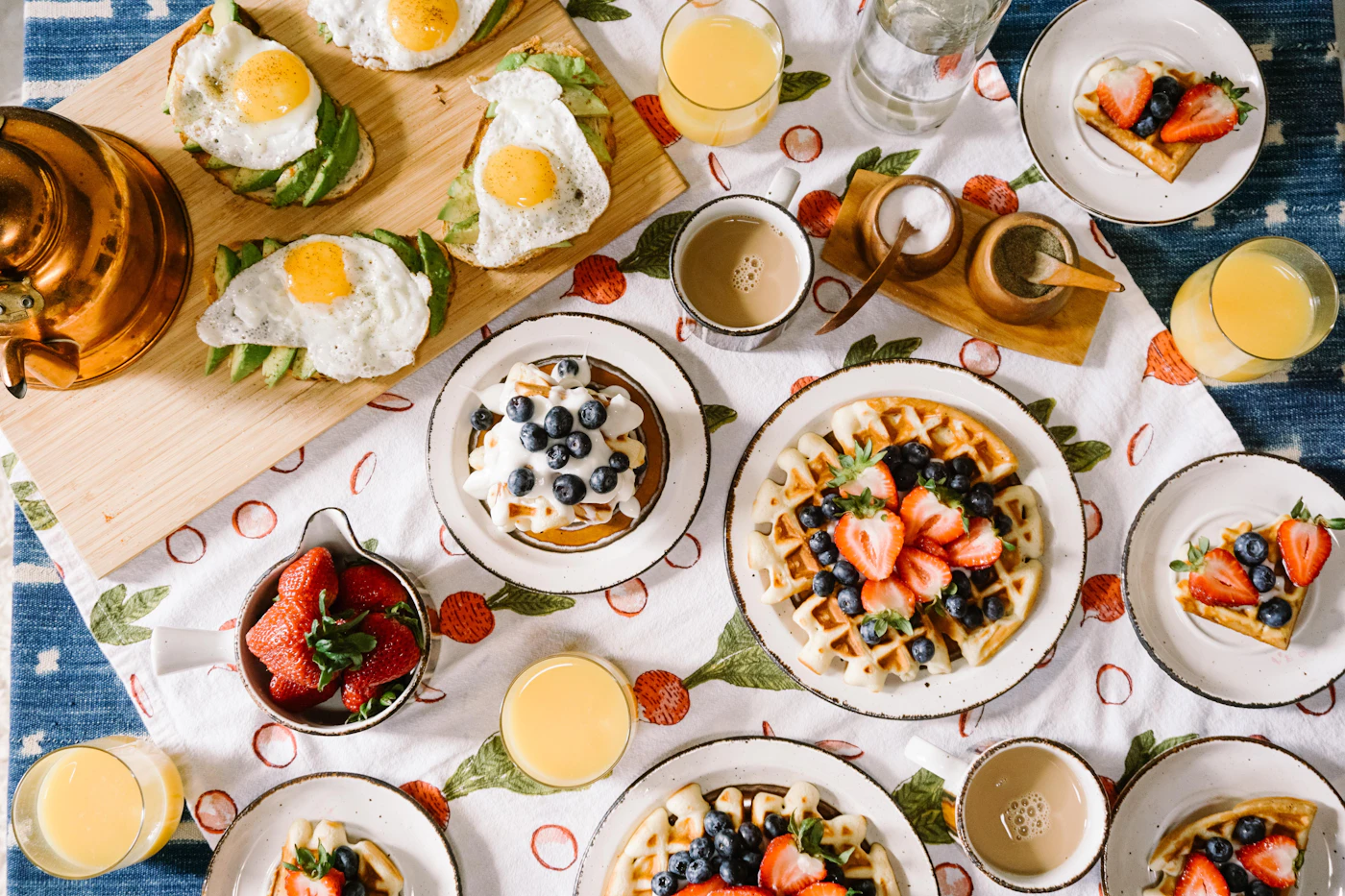
The most convincing tropical brunch does not need a palm-print tablecloth, a tower of carved fruit, and five dishes containing coconut. It needs food that makes sense together, somewhere comfortable to eat, and a host who can join the conversation. A bright piece of fruit, a little shade, and an unhurried second cup can establish the mood more effectively than a collection of decorations.
Think of the meal as a small piece of hospitality design. Guests arrive at different speeds. Some want coffee immediately; others have already eaten a little. A friend may need to leave early, while another hopes to linger. Your task is to give these different rhythms a shared place to land. A restrained menu makes that easier because it frees attention for the people rather than keeping it attached to the stove.
The planning approach below is an original hosting framework, not a tested set of recipes. Adapt quantities and preparation methods to dishes you already make confidently. It works particularly well when the goal is a friendly weekend gathering rather than a formal celebration with a fixed sequence of courses.
Name the occasion before choosing the food
Write a sentence that describes the gathering. For example: “Six friends are coming over late Sunday morning for a leisurely meal before two of them leave for the airport.” That sentence contains more useful information than a mood board. It tells you the head count, the time of day, the desired pace, and a hard departure constraint. A meal built around leisurely cooking at the table would be a poor match for this particular occasion.
Now decide what you want guests to remember. Perhaps it is a conversation with someone they rarely see, a cheerful welcome after a long winter, or a generous meal before a busy week. Choose one emphasis. A reunion benefits from familiar food and uninterrupted conversation. A birthday may deserve a special centerpiece dish. A farewell brunch needs a clearly communicated eating time so nobody spends their last hour waiting for an oven.
Put the practical details in the invitation: when to arrive, approximately when food will be ready, whether the meal is indoors or outside, and whether there are stairs or awkward parking arrangements. Ask about food needs privately. Clear information reduces the amount of explaining you must do at the door and lets guests arrive ready to enjoy themselves.
Give each menu item a job
Start with four jobs rather than four recipes: something substantial, something fresh, something easy to take in a small portion, and something to drink. A substantial item could be a familiar egg dish, a bean dish, or another savory preparation you know how to execute. Freshness might come from sliced fruit with citrus served separately. Toast, a simple baked item, or another easy starch can provide the flexible portion.
Avoid assigning the same job to several complicated dishes. Pancakes, waffles, French toast, and a baked sweet casserole all compete for attention while leaving the host with many similar tasks. Choose one central preparation and let the supporting food remain straightforward. A menu can feel abundant through generosity of serving, good arrangement, and thoughtful accompaniments rather than sheer item count.
Consider contrast on an actual plate. If the main dish is rich and soft, a crisp vegetable or bright fruit component may be more useful than another creamy item. If the main dish is boldly seasoned, leave at least one supporting element plain. Guests should be able to assemble a coherent meal without needing every condiment. This also helps someone who enjoys a milder plate participate without calling attention to their preferences.
Use a tropical accent with restraint
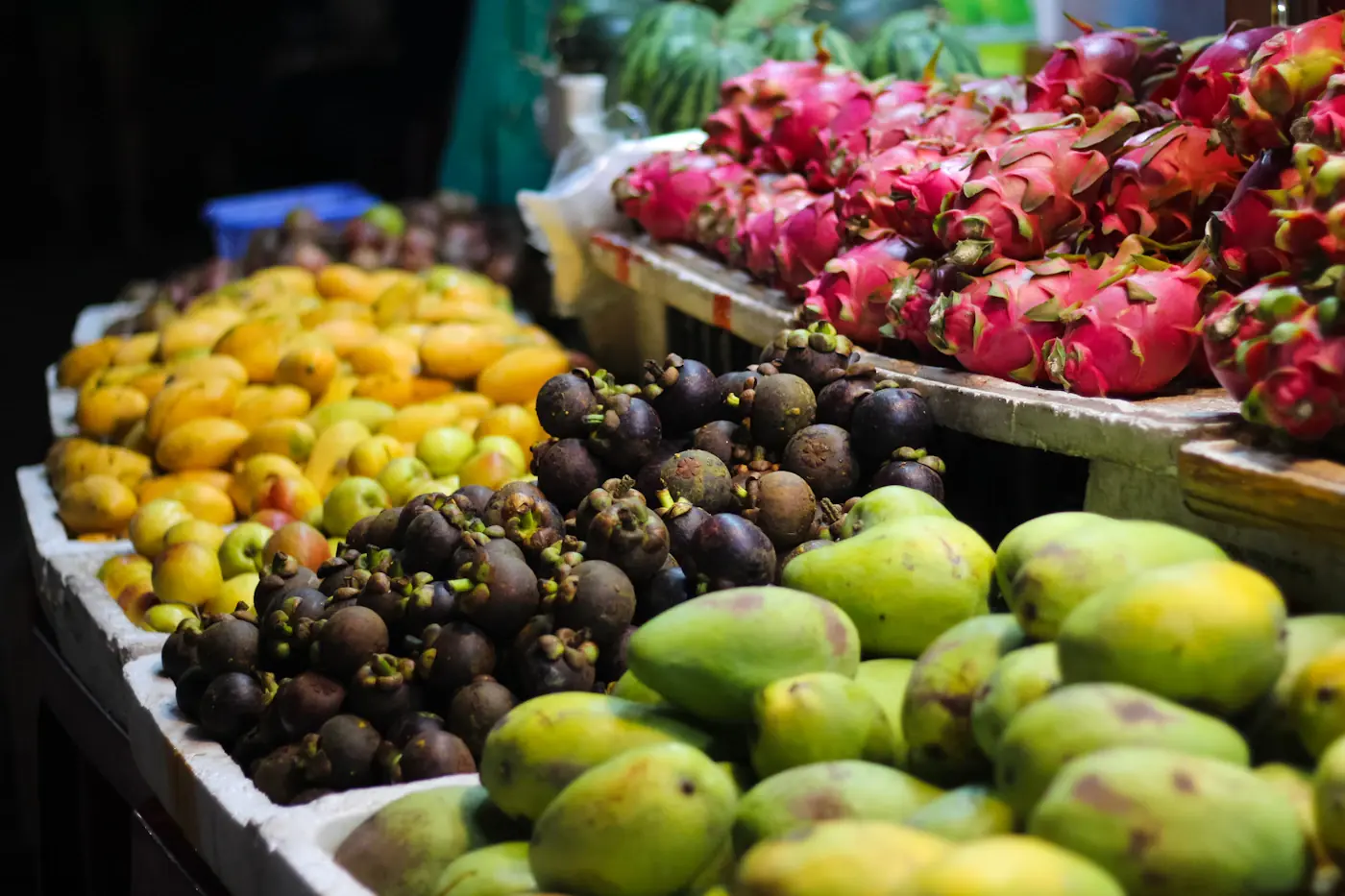
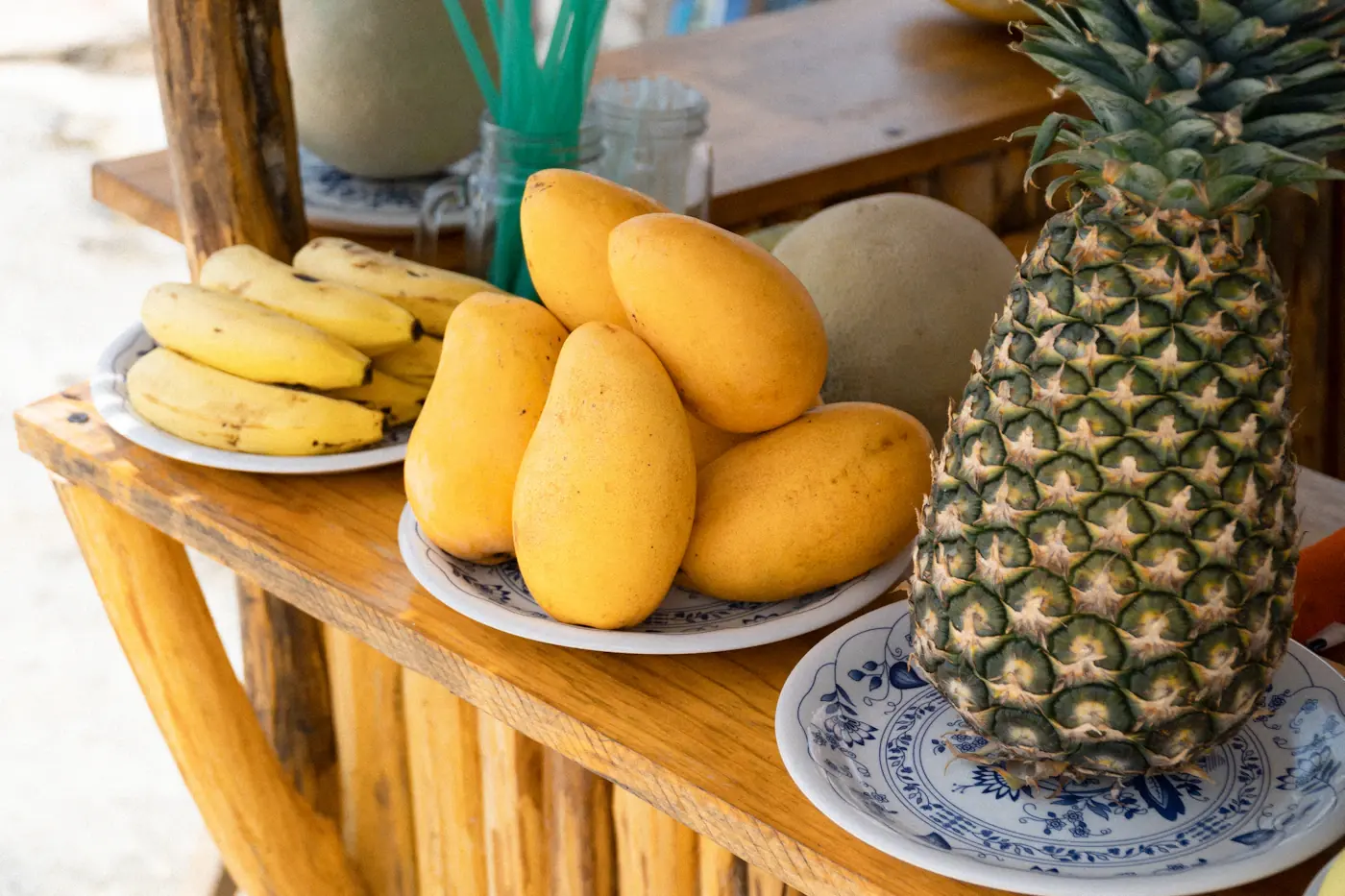
A tropical-inspired menu can borrow a flavor direction without claiming to represent an entire place. Mango, pineapple, lime, coconut, and warm spices belong to many different food traditions. Choosing two of them for a home brunch does not make the meal authentically Caribbean, Hawaiian, or Southeast Asian. Describe what you are serving plainly and credit a specific recipe author if you follow their work.
One useful approach is to repeat a single bright flavor in different strengths. Lime could appear as wedges beside the fruit and as a small amount in a dressing, while the savory centerpiece remains familiar. Another approach is to keep fruit as the only tropical accent and use its color to guide the table. Both are easier to balance than putting coconut into the food, drinks, desserts, and decorations simultaneously.
Before buying an unfamiliar ingredient, give it a definite role. Will it change the flavor in a way you want, or merely support the theme in a photograph? An ingredient that requires a special shopping trip and leaves most of a package unused should earn its place. A brunch feels more personal when its choices reflect the host's actual taste rather than an imagined obligation to make everything look exotic.
Plan around the kitchen you have
Count the equipment that becomes scarce during the final half hour. You may have plenty of bowls but only one oven rack at the useful height. The kettle and toaster may share a cramped outlet. Your largest cutting board might occupy the only clean surface beside the sink. These physical limits affect a menu more than the number of recipes does.
Make a rough preparation map. Put each dish beside the appliance or work surface it needs, then note when it needs it. If two dishes both demand the same hot oven immediately before serving, change one dish. If fruit cutting, bread slicing, and drink garnishing all depend on the same last-minute counter space, prepare fewer garnishes. The answer is usually simplification rather than working faster.
A rental kitchen or small apartment deserves an especially forgiving menu. Choose preparations that tolerate ordinary cookware and offer useful stopping points. Avoid making your first attempt at a delicate technique while guests are arriving. It is perfectly reasonable to combine something homemade with something purchased. The meaningful distinction is whether the whole meal is thoughtfully assembled, not whether every component passed through your hands from its first ingredient.
Design a useful shopping list
Group the list by purpose: centerpiece, fruit, bread or starch, drinks, and serving supplies. Then check what you already have. A half-full jar of a suitable condiment may eliminate a purchase. Existing mugs can replace a planned set of matching cups. The most effective way to reduce hosting clutter is to stop unnecessary objects from entering the house.
Estimate food from the complete meal rather than treating every dish as if it must feed everyone alone. Six people offered a substantial main, bread, and fruit will not necessarily eat six full standalone servings of each. Start with the portion guidance for the specific recipes you are using, consider appetites and other food on the table, and keep additions modest. Avoid interpreting hospitality as a requirement to produce an enormous surplus.
Choose backup food that remains useful after the event. An unopened package of a familiar pantry staple is more flexible than an extra elaborate prepared dish. If a guest unexpectedly joins, a simple supporting element can stretch the meal without changing its character. If everyone arrives as planned, the backup stays in your regular kitchen rotation instead of becoming another container you feel pressured to finish.
Set up arrival before the cooking begins
Guests should not have to ask where to put a bag, find water, or sit. Clear a small landing area and make the first drink obvious. Keep that station away from the narrowest part of the cooking area. A host holding a hot tray should not need to pass through a cluster of people choosing cups.
Offer one easy drink immediately and make any more elaborate option secondary. Water in an accessible pitcher may do more for the first ten minutes than a complicated drink that requires individual assembly. If you want a special citrus drink, prepare its noncarbonated base ahead according to your chosen recipe and finish it in manageable batches. Keep plain water available throughout.
Set the table far enough in advance that you can notice practical problems. Can people see one another over the centerpiece? Does everyone have space for a plate and cup? Will a chair block the route to the kitchen when pulled out? These details are easy to fix in an empty room and awkward once people are balancing food. A small, usable arrangement beats a beautiful obstruction.
An illustrative plan for six friends
Imagine a host with one oven, four burners, and a dining table that seats six comfortably. The host chooses a familiar savory baked dish, a bowl of cut fruit, toast with two spreads, coffee, tea, and a citrus drink. The baked dish is the only item requiring serious last-minute cooking. Fruit is served in small batches from the refrigerator rather than displayed for the entire visit.
The previous evening, the host checks the recipe, prepares whatever its instructions allow, clears refrigerator space, sets out serving pieces, and writes a short morning sequence. The list says when the centerpiece must start, when drinks should be ready, and when the table needs to be clear. It does not attempt to schedule every minute. A few decisive checkpoints are easier to follow than a fragile timetable.
On the morning itself, the host completes the main preparation first and leaves decorative touches optional. When the first guests arrive, drinks are available and the kitchen has a clear working lane. Food appears at the promised time. If the toast needs another batch, everyone can begin with the rest of the meal. The plan succeeds because no minor delay prevents guests from eating together.
Make dietary conversations specific and private
Ask guests what they need before settling the menu. “Is there anything I should know when planning food?” opens the conversation without requiring a person to justify their choices. If someone describes an allergy or another strict requirement, ask what arrangements they are comfortable with and be honest about the limits of your kitchen. Do not promise an allergen-free environment you cannot provide.
Keep packaging available so guests can inspect ingredients if they wish. Avoid quietly substituting an ingredient after confirming a dish with someone. A change that seems trivial to the cook may matter greatly to the person eating it. Separate serving utensils can help keep the table organized, but they are not a substitute for an appropriate preparation plan agreed with the guest.
For preferences rather than strict restrictions, a modular meal often works well. A plain base with optional additions lets people choose without requiring several completely separate menus. Explain the choices casually when serving, then let people eat. Hospitality includes allowing someone to decline a dish without turning the refusal into a public discussion or a request for reassurance.
Keep the second hour as easy as the first
Once everyone has eaten, remove dishes that need refrigeration and leave the table comfortable for conversation. Do not keep perishable food out simply because a grazing display looks inviting. Follow current food-safety guidance for the dishes you serve, and keep a thermometer available when temperature control is part of the plan. A smaller replenished serving is often easier to manage than a large buffet.
Give cleanup a light structure. One place for used plates and a clear bin for ordinary trash prevent the room from becoming confusing. If guests offer help, give a contained task such as carrying empty cups rather than inviting six people into the sink area. You can also say that everything is under control and stay seated. Accepting company is part of hosting.
Before the gathering ends, make decisions about leftovers instead of handing out ambiguous packages. Label what you keep and store it promptly. Send food home only when its handling and transport can be managed safely. A sincere goodbye matters more than a take-home parcel, especially for a guest heading into a long drive or a warm car.
Keep a short note for the next brunch
Afterward, record three things: what people actually ate, which task kept you away from the table, and what you would happily repeat. These observations are more useful than rating the event against an ideal photograph. Perhaps the fruit needed a smaller bowl, the tea station worked beautifully, or a second hot dish would have added nothing.
Keep the note with the menu or recipe rather than starting an elaborate hosting system. Next time, change the one element that caused friction and preserve the parts that felt natural. Over several gatherings, you develop a style rooted in your own home, equipment, and friendships. That is a more durable kind of ease than finding a completely new theme for every invitation.
For temperature and storage questions, consult the USDA's food-safety guidance. For ingredient and allergy questions, use the FDA's food allergy resources alongside the needs communicated by your guests.